In Charlotte, hospital wastewater treatment must achieve 99.99% pathogen removal (NCDEQ 15A NCAC 2H .0200) and pharmaceutical residue reduction below 1 µg/L (EPA 2024 guidelines). The Stowe Regional Water Resource Recovery Facility (15 MGD capacity by 2027) serves municipal needs, but hospitals require on-site pretreatment systems—such as MBR (95%+ COD removal) or ozone disinfection (99.9% bacterial kill)—to comply with local discharge limits. Equipment costs range from $120K (compact medical wastewater system) to $1.2M (full-scale MBR), with ROI driven by avoided fines ($25K/year) and water reuse savings ($0.08/gallon).
Why Charlotte Hospitals Need Specialized Wastewater Treatment
Hospitals in Charlotte face distinct challenges in wastewater management due to the unique composition of their effluent, which necessitates specialized treatment beyond municipal capabilities. NCDEQ regulations mandate rigorous discharge standards, requiring 99.99% E. coli removal and less than 1 CFU/100mL fecal coliform for hospital effluent, as outlined in 15A NCAC 2H .0200. While Charlotte’s Stowe Regional Water Resource Recovery Facility, projected to reach 15 MGD capacity by 2027, efficiently treats municipal wastewater, its processes are not designed to remove complex contaminants like pharmaceuticals or antibiotic-resistant bacteria (ARBs) originating from medical facilities. This means that hospitals must implement robust on-site pretreatment systems to meet local discharge limits before their wastewater enters the municipal sewer system, aligning with EPA 2024 guidelines for medical effluent.
Common violations observed in Mecklenburg County underscore the urgency of these specialized requirements. Facilities frequently exceed limits for pharmaceutical residues, with compounds such as carbamazepine and ciprofloxacin often detected above 1 µg/L in discharged water. a UNC 2023 study confirmed the presence of antibiotic-resistant genes (ARGs) in 87% of North Carolina hospital wastewater samples, posing significant public health and environmental risks. The financial implications of non-compliance are substantial; for instance, a Charlotte dental clinic incurred a $25K fine in 2023 for exceeding mercury discharge limits, a penalty that could have been avoided with appropriate pretreatment measures, according to NCDEQ enforcement records. Adopting advanced medical wastewater treatment solutions not only ensures regulatory adherence but also mitigates environmental impact and protects community health, making effective on-site hospital effluent disinfection a critical investment.
NCDEQ Compliance Checklist for Hospital Wastewater in Charlotte
Adhering to specific NCDEQ regulations is non-negotiable for Charlotte hospitals, with compliance requirements varying based on discharge volume and effluent characteristics. Hospitals discharging more than 25,000 gallons per day (GPD) must secure an NPDES (National Pollutant Discharge Elimination System) permit by submitting NCDEQ Form 3300. Smaller facilities may qualify for categorical exclusion, but they are still obligated to meet all applicable pretreatment standards before discharging to the municipal sewer system. This regulatory framework ensures that all hospital wastewater treatment in NC meets stringent environmental protection criteria.
Key discharge limits set by NCDEQ for 2024 include a pH range of 6–9, Biochemical Oxygen Demand (BOD) below 30 mg/L, Total Suspended Solids (TSS) below 30 mg/L, ammonia below 10 mg/L, and zero detectable chlorine residual. Monitoring frequency for these parameters is typically weekly for pH, BOD, and TSS, while pharmaceuticals and ARGs require quarterly monitoring using EPA Method 1694. Annually, facilities must submit a Toxics Release Inventory (TRI) report for substances such as mercury, cadmium, and silver, using EPA Form R. Locally, Mecklenburg County imposes additional sampling and stricter limits, including a 10 ng/L limit for PFAS and specific requirements for microplastics, as per a 2023 ordinance. This comprehensive approach to compliance ensures rigorous oversight of hospital effluent treatment.
| Parameter | NCDEQ Discharge Limit (2024) | Monitoring Frequency | Notes for Charlotte Hospitals |
|---|---|---|---|
| pH | 6.0 – 9.0 Standard Units | Weekly | Continuous monitoring often recommended |
| BOD (Biochemical Oxygen Demand) | <30 mg/L | Weekly | Requires on-site pretreatment for typical hospital influent |
| TSS (Total Suspended Solids) | <30 mg/L | Weekly | Critical for preventing sewer line blockages |
| Ammonia (as N) | <10 mg/L | Weekly | Biological treatment systems are effective |
| Chlorine Residual | Zero detectable | Daily (if chlorinated) | Dechlorination required post-disinfection |
| Pharmaceutical Residues | <1 µg/L (EPA 2024) | Quarterly (EPA Method 1694) | Specific concern for hospital effluent |
| Antibiotic-Resistant Genes (ARGs) | No specific limit (monitoring required) | Quarterly (EPA Method 1694) | Focus on reduction for public health |
| PFAS | <10 ng/L (Mecklenburg County) | Varies (per local ordinance) | Additional sampling for Charlotte area |
| Fecal Coliform | <1 CFU/100mL (15A NCAC 2H .0200) | Weekly/Monthly | Directly related to pathogen removal efficiency |
Pathogen and Pharmaceutical Removal: Engineering Specs by Treatment Method
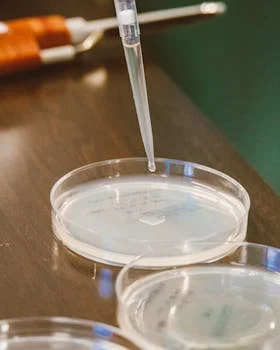
Selecting the optimal wastewater treatment technology for Charlotte hospitals hinges on specific engineering parameters, particularly the required removal efficiencies for pathogens and pharmaceuticals. Hospital influent typically presents a challenging matrix, with BOD concentrations ranging from 200–800 mg/L and TSS from 150–500 mg/L, significantly higher than typical municipal sewage, as indicated by regional wastewater reports. Addressing these elevated levels alongside specialized contaminants requires advanced solutions.
MBR (Membrane Bioreactor) systems are highly effective for comprehensive treatment, achieving over 95% Chemical Oxygen Demand (COD) removal and a 99.99% bacterial kill rate for pathogens like E. coli and Enterococcus. This is accomplished through advanced 0.1 µm PVDF membranes, such as those found in the HydropureWater DF Series MBR system for hospital effluent. Beyond traditional pollutants, MBR systems demonstrate significant pharmaceutical removal, with studies like a 2024 WEF report indicating 70–90% reduction for carbamazepine and 85–95% for ciprofloxacin. For facilities seeking a compact hospital wastewater treatment system, the HydropureWater compact medical wastewater system offers integrated solutions that meet these stringent requirements.
Ozone disinfection provides a powerful alternative, achieving a 99.9% bacterial kill rate and over 90% pharmaceutical degradation with an ozone dose of 10 mg/L (EPA 2023). Charlotte Water effectively utilizes ozone at its Franklin Water Resource Recovery Facility, demonstrating its proven efficacy, particularly for antibiotic-resistant genes (ARGs). While highly effective for disinfection and some pharmaceutical degradation, ozone systems can have higher energy demands.
Chlorine dioxide (ClO₂) offers another reliable method for hospital effluent disinfection, ensuring a 99.99% pathogen kill at a residual of 1–2 mg/L, as seen in HydropureWater chlorine dioxide generator for hospital wastewater. However, its effectiveness for pharmaceutical removal is comparatively lower, typically below 60%, though it often remains compliant with NCDEQ limits for most compounds. For applications prioritizing robust pathogen kill at a lower initial investment, ClO₂ is a viable option.
Constructed wetlands, while offering an environmentally friendly approach, are generally less practical for urban hospital settings. A UNC Charlotte pilot study showed 70–85% BOD removal and 60–80% pharmaceutical reduction. Their low Operational Expenditure (OPEX) of approximately $0.03/gallon is attractive, but the requirement for 1–2 acres of land makes them largely unfeasible for most Charlotte hospitals.
| Treatment Method | Key Performance Parameters | Pathogen Kill Rate (e.g., E. coli) | Pharmaceutical Removal Rate | Notes for Hospital Effluent |
|---|---|---|---|---|
| MBR Systems (e.g., HydropureWater DF Series) | 95%+ COD removal, 0.1 µm PVDF membranes | 99.99% | 70–90% (carbamazepine), 85–95% (ciprofloxacin) | High-quality effluent, suitable for water reuse |
| Ozone Disinfection | 10 mg/L ozone dose, advanced oxidation | 99.9% | 90%+ (general degradation) | Excellent for ARGs, used by Charlotte Water |
| Chlorine Dioxide (ClO₂) (e.g., HydropureWater) | 1–2 mg/L residual, strong oxidant | 99.99% | <60% | Cost-effective disinfection, less effective for complex pharmaceuticals |
| Constructed Wetlands | Natural biological & physical processes | Moderate (variable) | 60–80% | Low OPEX, but high land requirement (impractical for urban hospitals) |
Cost Breakdown: Hospital Wastewater Treatment Equipment for Charlotte Facilities
Understanding the financial implications, including both Capital Expenditure (CAPEX) and Operational Expenditure (OPEX), is crucial for Charlotte hospitals evaluating wastewater treatment upgrades. The return on investment (ROI) for these systems is driven by avoided regulatory fines and potential water reuse savings. For a detailed engineering guide for hospital effluent treatment, refer to our detailed engineering guide for hospital effluent treatment.
Compact systems, such as HydropureWater’s, represent an entry-level investment suitable for smaller facilities. These systems typically have a CAPEX ranging from $120K to $250K and an OPEX of approximately $0.12 per gallon. They are ideal for clinics or smaller hospitals (5–20 beds) with wastewater flows under 5,000 GPD. The ROI for these systems is often realized within 3–5 years, primarily through avoided fines, which can reach $25K annually.
For larger institutions, MBR systems like the HydropureWater DF Series require a higher initial investment, with CAPEX between $800K and $1.2M. Their OPEX is around $0.25 per gallon. These systems are well-suited for hospitals with 50–200 beds and flow rates from 20,000 to 100,000 GPD. The ROI for MBR systems is typically longer, 4–7 years, largely due to significant water reuse savings, estimated at $0.08 per gallon. Further information on compact sewage treatment units for small clinics can also be found in our blog.
Ozone systems fall in the mid-range for CAPEX, costing $300K–$600K, with an OPEX of about $0.18 per gallon. They are an excellent choice for facilities prioritizing high pathogen kill rates, especially for antibiotic-resistant bacteria, over comprehensive pharmaceutical removal. For facilities considering disinfection, a chlorine dioxide generator for hospital wastewater offers another cost-effective option.
Operating costs for any system are generally broken down as follows: energy consumption accounts for approximately 40% of the total OPEX, chemicals make up 30%, membrane replacement (specifically for MBR systems) is around 20%, and labor contributes about 10%. Charlotte-specific incentives can further improve ROI; the NC Green Business Fund, for instance, offers 30% grants for water reuse systems, up to $250K, providing significant financial support for compliance upgrades.
| System Type | CAPEX Range (USD) | OPEX (per gallon) | Ideal Facility Size/Flow | Estimated ROI | Key ROI Driver |
|---|---|---|---|---|---|
| Compact Systems | $120K – $250K | $0.12 | Clinics (5–20 beds), <5,000 GPD | 3–5 years | Avoided Fines ($25K/year) |
| MBR Systems (DF Series) | $800K – $1.2M | $0.25 | Hospitals (50–200 beds), 20,000–100,000 GPD | 4–7 years | Water Reuse Savings ($0.08/gallon) |
| Ozone Systems | $300K – $600K | $0.18 | Facilities prioritizing pathogen kill | Varies (compliance, public health) | Enhanced Disinfection, ARG Reduction |
When to Choose MBR vs. Ozone vs. Chlorine Dioxide: A Decision Framework for Charlotte Hospitals
Choosing the right medical wastewater treatment technology for a Charlotte hospital requires a strategic evaluation of site-specific constraints, treatment objectives, and budgetary considerations. Each technology offers distinct advantages, making a clear decision framework essential for facility managers.
Choose an MBR system if:
- Space is limited: MBR systems typically require a 60% smaller footprint compared to conventional activated sludge systems, making them ideal for urban hospital campuses.
- Water reuse is a goal: MBR effluent consistently meets NCDEQ reuse standards, enabling significant potable water savings and contributing to sustainability initiatives.
- Pharmaceutical removal is critical: MBR technology achieves over 90% reduction for many pharmaceutical compounds, ensuring compliance with stringent discharge limits for hospital effluent.
Choose an Ozone system if:
- Pathogen kill is the top priority: Ozone provides a 99.99% bacterial and viral removal rate, including high efficacy against antibiotic-resistant bacteria, making it superior for disinfection.
- Existing infrastructure can support ozone generation: Ozone systems require a consistent power supply, typically 10–15 kW per 10,000 GPD treated, for efficient operation.
- Advanced oxidation for specific contaminants is needed: Beyond disinfection, ozone effectively degrades a wide range of organic micropollutants.
Choose a Chlorine Dioxide (ClO₂) system if:
- Budget is constrained: ClO₂ systems generally have a 30% lower CAPEX compared to MBR systems, offering a cost-effective disinfection solution.
- Compliance with basic NCDEQ limits is the primary goal: ClO₂ effectively meets NCDEQ pathogen limits for most compounds, providing reliable disinfection without the higher cost of MBR or ozone.
- Remote monitoring and control are desired: HydropureWater ClO₂ systems often include PLC control for automated operation and remote monitoring, simplifying facility management.
For facilities with the most stringent requirements for both pathogen and pharmaceutical removal, a hybrid approach combining MBR with post-ozone disinfection can achieve exceptional results, delivering 99.999% pathogen kill and over 95% pharmaceutical removal. This advanced solution typically involves a higher CAPEX, ranging from $1.5M to $2M, but offers the highest level of effluent quality and environmental protection for hospital wastewater treatment in Charlotte.
| Factor | MBR System | Ozone System | Chlorine Dioxide (ClO₂) System |
|---|---|---|---|
| Primary Benefit | Comprehensive treatment, water reuse, pharmaceutical removal | Superior pathogen kill, ARG reduction, advanced oxidation | Cost-effective disinfection, reliable pathogen kill |
| Footprint | Compact (60% smaller than conventional) | Moderate (requires space for generation) | Compact (generator unit) |
| Pharmaceutical Removal | Excellent (>90%) | Excellent (>90%) | Good (<60%) |
| Pathogen Kill | Excellent (99.99%) | Superior (99.99%) | Excellent (99.99%) |
| CAPEX | High ($800K–$1.2M) | Moderate ($300K–$600K) | Lower ($120K–$250K for smaller units) |
| OPEX | Higher ($0.25/gallon) | Moderate ($0.18/gallon) | Lower ($0.12/gallon) |
| Key Application | Limited space, water reuse, stringent pharmaceutical limits | High pathogen/viral load, ARB concern, existing power capacity | Budget-constrained, primary compliance for pathogens |
Frequently Asked Questions
Navigating the complexities of hospital wastewater treatment in Charlotte often leads to specific questions from facility managers regarding regulations, costs, and technology. Here are answers to some of the most common inquiries:
What are the NCDEQ fines for non-compliant hospital wastewater in Charlotte?
Fines for non-compliant hospital wastewater in Charlotte range from $5K for a first violation to $50K for repeat offenses, potentially including permit revocation, as enforced by the NCDEQ Enforcement Division (2024). These penalties underscore the importance of robust medical wastewater treatment NC facilities.
Can hospitals discharge treated wastewater into Charlotte’s sewer system?
Yes, hospitals can discharge treated wastewater into Charlotte’s municipal sewer system, but stringent pretreatment is required to meet NCDEQ limits, such as less than 30 mg/L BOD and less than 10 mg/L ammonia. Direct discharge to surface waters, however, requires a separate NPDES permit.
How does the Stowe Facility affect hospital wastewater treatment?
The Stowe Regional Water Resource Recovery Facility, with a 15 MGD capacity, treats municipal wastewater. However, it is not designed to remove pharmaceuticals or antibiotic-resistant genes (ARGs) specific to hospital effluent. Therefore, hospitals in Charlotte must implement on-site pretreatment systems to address these contaminants before discharging to the municipal sewers.
What’s the best disinfection method for antibiotic-resistant bacteria?
Ozone disinfection is highly effective for antibiotic-resistant bacteria treatment, achieving a 99.9% ARG reduction. MBR systems also provide significant removal, around 90%, through their fine membrane filtration. Chlorine dioxide is less effective, typically achieving less than 50% ARG removal, according to a 2024 EPA study.
Are there grants for hospital wastewater treatment in Charlotte?
Yes, financial incentives are available. The NC Green Business Fund offers 30% grants, up to $250K, specifically for water reuse systems. Additionally, Mecklenburg County provides low-interest loans to assist facilities with compliance upgrades for hospital wastewater treatment equipment.