Why Cartagena’s Industrial Wastewater Treatment Costs 30% More Than Bogotá
In Cartagena, industrial wastewater treatment requires systems that withstand 80%+ humidity, saline air, and seasonal flooding while meeting Colombia’s Resolution 0631/2015. For a 200 m³/h plant, CAPEX ranges from $800K (DAF) to $1.2M (MBR), with OPEX of $0.50–$1.50/m³. Corrosion-resistant 316L stainless steel adds 20–30% to equipment costs but is non-negotiable for coastal facilities. This guide provides 2026 engineering specs, technology comparisons, and a zero-risk compliance framework for Cartagena’s industrial sectors.
The primary driver for the 30% cost premium in Cartagena compared to inland cities like Bogotá is the aggressive marine environment. Relative humidity levels exceeding 80% combined with high airborne chloride concentrations accelerate the oxidation of standard carbon steel (ASTM A36), leading to structural failure within 36–48 months if not properly mitigated. Engineering specifications for the Mamonal industrial zone must prioritize 304 or 316L stainless steel for all wetted parts and structural frames. While this increases initial CAPEX by approximately $60,000 to $200,000 depending on plant scale, it prevents the catastrophic equipment degradation often seen in coastal petrochemical facilities (HydropureWater field data, 2025).
Topography and climate change also dictate significant civil engineering expenditures. Cartagena’s low-lying coastal plains are prone to tidal inundation and flash flooding during the rainy season. To ensure operational continuity, treatment plants must be installed on elevated concrete plinths or integrated into sophisticated pumping stations. These modifications typically add $150,000 to $300,000 to the civil works budget. because Cartagena is a global tourism hub, local environmental authorities often enforce stricter discharge limits than national baselines to protect the Ciénaga de la Virgen and the Bay of Cartagena, necessitating more complex multi-stage treatment trains.
The industrial effluent profile in Mamonal is dominated by petrochemicals, food processing, and pharmaceuticals. Each sector presents unique chemical challenges—such as emulsified oils in refinery runoff or high organic loads in tuna processing—that require specialized pre-treatment modules. Failure to account for these specific coastal and industrial variables leads to frequent non-compliance fines, which can exceed $500,000 for major industrial players in the region.
Resolution 0631/2015 Compliance: Effluent Limits and Zero-Risk Strategies for Cartagena Factories
Compliance with Colombia’s Resolution 0631/2015 for industrial discharges in Cartagena requires a "zero-risk" engineering approach that accounts for both national standards and specific local sensitivities. For industrial facilities discharging into the marine environment or public sewers, the margin for error is narrow. Achieving consistent compliance involves not just meeting the numerical limits, but ensuring the treatment system can handle peak loads and seasonal variations in influent quality. This is particularly critical for hospital wastewater treatment requirements in Cartagena, where pathogen removal is a legal priority.
| Parameter | Resolution 0631/2015 Limit (Industrial) | Cartagena Local Target (Recommended) | Typical Removal Requirement |
|---|---|---|---|
| Chemical Oxygen Demand (COD) | 150 mg/L | < 100 mg/L | 90–98% |
| Biochemical Oxygen Demand (BOD₅) | 50 mg/L | < 30 mg/L | 95% |
| Total Suspended Solids (TSS) | 100 mg/L | < 50 mg/L | 92–99% |
| Fecal Coliforms | 1,000 MPN/100mL | < 500 MPN/100mL | 99.9% |
| Fats, Oils, and Grease (FOG) | 20 mg/L | < 10 mg/L | 90%+ |
To mitigate the risk of legal action and environmental fines, facility managers should implement a 5-step compliance audit checklist. First, conduct monthly influent characterization to detect shifts in production-related contaminants. Second, calibrate automatic chemical dosing systems to ensure optimal flocculation even during flow surges. Third, perform quarterly inspections of 316L stainless steel components for signs of pitting corrosion. Fourth, maintain a digital log of effluent parameters for real-time reporting to local regulators. Finally, integrate a tertiary treatment stage, such as UV disinfection or ozone, to guarantee pathogen inactivation in sensitive coastal zones.
For sectors like food processing and pharmaceuticals, "zero-risk" discharge strategies often involve the use of Membrane Bioreactors (MBR). These systems provide a physical barrier to contaminants that traditional clarified systems cannot match. By maintaining a high Mixed Liquor Suspended Solids (MLSS) concentration, MBRs can achieve 98% COD reduction, ensuring that even if influent concentrations spike, the effluent remains well within the legal limits of Resolution 0631/2015.
Technology Comparison: MBR vs DAF vs Electrocoagulation for Cartagena’s Industrial Effluents
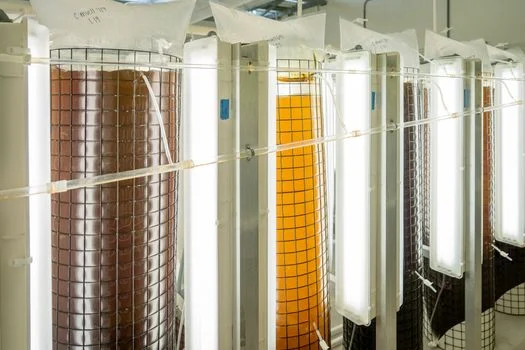
Selecting the correct technology for Cartagena’s industrial sector depends on the specific effluent characteristics, available footprint, and the stringency of the discharge permit. Membrane Bioreactor (MBR) systems are increasingly favored for high-organic loads, while Dissolved Air Flotation (DAF) remains the industry standard for oil and solids removal. Electrocoagulation (EC) has emerged as a specialized solution for Mamonal’s petrochemical sector due to its ability to remove heavy metals without the massive chemical sludge volumes associated with traditional precipitation.
| Feature | Membrane Bioreactor (MBR) | Dissolved Air Flotation (DAF) | Electrocoagulation (EC) |
|---|---|---|---|
| Primary Use Case | Food processing, Pharma, High-COD | Petrochemical, Metalworking, FOG | Heavy metals, Emulsified oils |
| COD Removal Rate | 95–98% | 60–80% (soluble COD limited) | 70–90% |
| Footprint | Very Small (60% less than CAS) | Moderate | Small to Moderate |
| CAPEX (Relative) | High ($$$) | Medium ($$) | Medium ($$) |
| OPEX (per m³) | $0.80–$1.50 | $0.50–$0.90 | $0.60–$1.10 |
| Corrosion Spec | 316L Frames/Membrane Housings | 316L Skimmers and Tanks | Stainless Steel Reactors |
For facilities with restricted space, MBR systems for high-COD industrial effluents in Cartagena offer a significant advantage, requiring roughly 40% of the land area of a conventional activated sludge plant. This is particularly relevant in the dense Mamonal industrial zone where land value is high. However, MBR systems require higher energy for membrane scouring and periodic chemical cleaning (CIP) to prevent fouling.
In contrast, corrosion-resistant DAF systems for Cartagena’s petrochemical and metalworking effluents are superior for removing non-soluble contaminants. By utilizing micro-bubbles to float solids and oils to the surface, DAF systems can handle high concentrations of Fats, Oils, and Grease (FOG) that would otherwise foul MBR membranes. For Cartagena applications, the DAF unit must be fabricated with 316L stainless steel to prevent the "salt spray" effect from corroding the mechanical skimmer assemblies and the flotation tank walls.
Electrocoagulation is often deployed as a pre-treatment or specialized treatment for heavy metals in the petrochemical sector. Unlike chemical coagulation, EC uses sacrificial electrodes to destabilize contaminants. This process is highly effective for removing nickel, chrome, and lead, which are frequently monitored in Mamonal’s industrial runoff. When combined with a downstream DAF or MBR, EC provides a comprehensive solution for complex, multi-contaminant industrial streams.
Cost Breakdown: CAPEX and OPEX for Industrial Wastewater Treatment in Cartagena (2026)
Budgeting for industrial wastewater treatment in Cartagena requires a Total Cost of Ownership (TCO) perspective that accounts for the 20–30% coastal premium. A standard 200 m³/h treatment plant in an inland city might cost $700,000, but the same capacity in Mamonal, equipped with necessary corrosion and flooding protections, will range from $900,000 to $1.3 million. These figures reflect 2026 engineering projections and the rising cost of high-grade alloys like 316L stainless steel.
| System Component | Standard Spec Cost (Inland) | Cartagena Spec Cost (316L + Elevated) | Annual OPEX Impact |
|---|---|---|---|
| Equipment (200 m³/h DAF/MBR) | $600,000 | $780,000 – $850,000 | Reduced Maintenance |
| Civil Works & Flood Elevation | $100,000 | $250,000 – $350,000 | N/A (Insurance Savings) |
| Controls & Automation | $50,000 | $75,000 (NEMA 4X Enclosures) | Remote Monitoring Efficiency |
| Piping & Valves (316L) | $40,000 | $90,000 | Longer Lifecycle |
| Total CAPEX Estimate | $790,000 | $1,195,000 – $1,365,000 | $0.50–$1.50/m³ |
Operating expenditures (OPEX) in Cartagena are influenced by energy costs and membrane replacement cycles. For MBR systems, membrane replacement typically accounts for $0.30/m³ of the total OPEX. In a 5-year TCO calculation, the higher CAPEX of a 316L stainless steel system is often offset by a 40% reduction in annual maintenance costs. For example, a carbon steel DAF unit in Mamonal may require sandblasting and recoating every 24 months, costing $15,000 per cycle, whereas a 316L unit requires only routine cleaning. Over 10 years, the stainless steel system is $120,000 cheaper to maintain.
Flooding mitigation is another critical factor. Investing $200,000 in elevated structures during the construction phase can save millions in potential equipment loss and production downtime during extreme weather events. Facility managers should also consider the ROI of compliance; the cost of a single major fine and the associated legal fees often equal the price difference between a basic treatment system and a high-performance MBR plant. Understanding how coastal cities like Ho Chi Minh City handle similar corrosion challenges can provide valuable benchmarking for Cartagena’s industrial procurement teams.
Equipment Selection Framework: Matching Technology to Cartagena’s Industrial Effluents
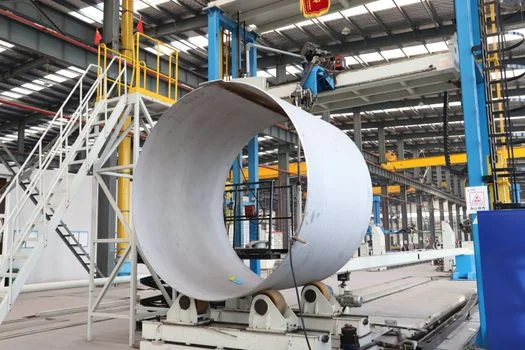
The selection of wastewater equipment in Cartagena must be driven by the specific chemical and physical profile of the effluent. A "one-size-fits-all" approach leads to premature equipment failure or non-compliance. For instance, the high salinity of the intake water in some Mamonal facilities can interfere with biological processes, necessitating salt-tolerant microbial strains or advanced physical-chemical treatment stages.
For the petrochemical sector, the primary challenge is emulsified hydrocarbons and heavy metals. The recommended framework starts with an API separator for bulk oil removal, followed by Electrocoagulation or a DAF unit with pH adjustment. If the facility is located in a high-risk flood zone, the entire system should be skid-mounted and elevated. Conversely, for the pharmaceutical and medical sectors, compact MBR systems for Cartagena’s hospitals and clinics are the most effective way to ensure 99.9% pathogen removal in a small footprint.
Decision Logic for Technology Selection:
1. Is COD > 1,500 mg/L and BOD/COD ratio > 0.5? → Select MBR.
2. Is TSS > 500 mg/L or FOG > 100 mg/L? → Select DAF.
3. Are heavy metals (Ni, Cr, Pb) the primary concern? → Select Electrocoagulation.
4. Is the facility within 2km of the coastline? → Specify 316L Stainless Steel for all components.
Food processing plants in Cartagena, particularly those handling seafood or fruit, deal with high seasonal fluctuations in flow. In these cases, an equalization tank with an automatic chemical dosing system is vital to prevent shocking the downstream biological stages. By automating the dosing based on real-time turbidity or pH sensors, OPEX is optimized, and the risk of "bulking" in the secondary clarifier is eliminated. This structured framework ensures that the selected equipment not only meets current Resolution 0631/2015 standards but is resilient enough to last 15–20 years in Cartagena’s harsh climate.
Frequently Asked Questions
What is the average cost of an industrial wastewater treatment plant in Cartagena?
For a mid-scale industrial plant (200 m³/h), the CAPEX typically ranges from $900,000 to $1.4 million. This includes the 20–30% premium for 316L stainless steel and civil engineering for flood protection. Small-scale systems (50 m³/h) start at approximately $250,000.
Does Resolution 0631/2015 require different standards for coastal cities?
While the resolution provides national baselines, local authorities in Cartagena (such as EPA Cartagena) often impose stricter limits for COD and pathogens (e.g., COD < 100 mg/L) to protect the city's tourism-critical water bodies. Always verify local "Permiso de Vertimientos" requirements.
Why is 316L stainless steel preferred over 304 in Mamonal?
While 304 stainless steel is corrosion-resistant, 316L contains molybdenum, which provides superior protection against pitting corrosion caused by high chloride levels in Cartagena’s saline air. 316L is essential for equipment with direct exposure to seawater or salt spray.
How much does OPEX increase for MBR systems compared to DAF?
MBR systems typically have an OPEX of $0.80–$1.50/m³, which is 30–50% higher than DAF ($0.50–$0.90/m³). This is due to higher energy consumption for membrane aeration and the cost of membrane replacement every 5–7 years.
Can electrocoagulation replace traditional chemical treatment?
Yes, electrocoagulation can remove up to 95% of heavy metals and emulsified oils without the need for traditional coagulants. This reduces chemical storage risks and sludge volume, making it a "cleaner" option for petrochemical facilities in Cartagena.
Further Reading
Explore these in-depth articles on related wastewater treatment topics: