Why Galle’s Hospital Wastewater Is a Public Health Crisis
Hospital wastewater in Galle contains antibiotic-resistant bacteria (ARB) and genes (ARGs) at levels 3–5× higher than municipal sewage, with toxicity peaking in Pathology and Oncology effluents according to a 2023 Technical University of Crete study. In the coastal ecosystem of Galle, where hospital discharge often interacts with high-density urban drainage, the environmental persistence of these contaminants poses a direct threat to the local water table. Sri Lanka’s Central Environmental Authority (CEA) classifies hospital effluents as "high-risk" under the National Environmental Act, mandating stringent tertiary treatment for all facilities exceeding 50 beds to prevent the leaching of hazardous compounds into the city’s canal systems.
Untreated hospital wastewater in Galle’s drainage canals has been linked to a 12% higher prevalence of antibiotic resistance in local waterborne pathogens, as documented in a 2022 ResearchGate study on organic wastewater compounds in Sri Lankan city systems. Unlike standard domestic sewage, hospital effluent is a complex matrix containing iodinated contrast media, chemotherapy drugs like cyclophosphamide, and multidrug-resistant bacteria such as carbapenem-resistant Enterobacteriaceae. These substances are notoriously resistant to conventional biological treatment. In Galle’s tropical climate, the rapid degradation of organic matter in open canals can mask the presence of these persistent bio-accumulative toxins, which eventually migrate into the coastal waters, impacting both public health and the local fishing industry.
The urgency for advanced hospital wastewater treatment in Galle is further driven by the unique influent characteristics of local medical facilities. High concentrations of disinfectants (e.g., glutaraldehyde and quaternary ammonium compounds) used in ward sterilization often inhibit the microbial activity in standard activated sludge plants, leading to system failure. For facility managers, the transition from basic primary settlement to advanced oxidation and membrane-based systems is no longer optional; it is a regulatory and operational necessity to mitigate the risk of catastrophic environmental contamination and subsequent legal liability.
Sri Lankan Compliance Standards for Hospital Wastewater: 2025 CEA Guidelines
The Central Environmental Authority (CEA) Notification 2024/03 mandates that all hospital effluents must achieve <50 mg/L COD and <10 mg/L BOD before discharge into inland surface waters. These standards are significantly more stringent than previous years, reflecting a shift toward protecting Galle’s sensitive hydrological network. hospitals with over 100 beds are now required to conduct mandatory quarterly testing for ARB/ARGs and chronic toxicity using the Microtox assay, with non-compliance resulting in fines of up to LKR 5 million and potential facility closure.
On-site treatment is legally required for any hospital facility with 50 or more beds or those located more than 5 km from a functional municipal sewer network, as per CEA Circular 2023/12. For procurement teams, this means that a detailed process flow for medical wastewater treatment systems must be submitted and approved during the Environmental Impact Assessment (EIA) phase. The permitting process typically involves a 3-to-6-month lead time, requiring comprehensive engineering specs that demonstrate the system's ability to handle peak flow rates and high chemical loads from specialized departments.
| Parameter | CEA 2025 Discharge Limit (Inland Surface Water) | Monitoring Frequency |
|---|---|---|
| Chemical Oxygen Demand (COD) | <50 mg/L | Monthly |
| Biochemical Oxygen Demand (BOD₅) | <10 mg/L | Monthly |
| Total Suspended Solids (TSS) | <10 mg/L | Monthly |
| Total Residual Chlorine | <1.0 mg/L | Daily |
| Pathogen Removal (Fecal Coliform) | 99.9% (or <3 MPN/100mL) | Weekly |
| Antibiotic Resistance Genes (ARGs) | Mandatory Monitoring (Baseline established) | Quarterly |
Treatment Technologies for Hospital Wastewater: How They Work and What They Remove
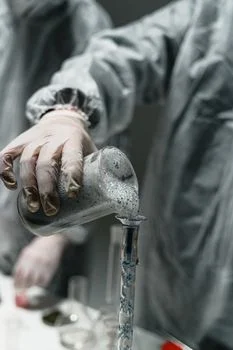
Membrane Bioreactor (MBR) technology achieves 95%+ removal of antibiotic-resistant genes by combining biological degradation with PVDF membrane filtration at a 0.1 μm pore size. This physical barrier ensures that even the smallest bacterial fragments and many viral pathogens are retained within the reactor, preventing their release into Galle's environment. An MBR membrane bioreactor system for near-reuse-quality effluent is particularly effective for hospitals because it eliminates the need for secondary clarifiers, reducing the total system footprint by approximately 60% compared to conventional activated sludge processes.
Photocatalytic treatment serves as an advanced oxidation process (AOP) that utilizes UV-A light and a catalyst (typically TiO₂) to generate hydroxyl radicals. These radicals break down complex pharmaceutically active compounds (PhACs) that biological systems cannot process. While photocatalysis can reduce pharmaceutical concentrations by over 80%, it is typically used as a polishing step. For complete sterilization, a chlorine dioxide generator for hospital effluent disinfection is recommended. Chlorine dioxide (ClO₂) is superior to liquid chlorine as it does not produce carcinogenic trihalomethanes (THMs) and remains effective across a wider pH range, which is critical given the fluctuating chemistry of hospital discharge.
For pretreatment, Dissolved Air Flotation (DAF) is employed to remove 92–97% of suspended solids and fats, oils, and grease (FOG) from kitchen and laundry effluents. This prevents the fouling of downstream membranes. However, DAF requires precise chemical dosing with polyacrylamide (PAM) to maintain efficiency. Conventional systems often fail in hospital settings because they cannot handle the "shock loads" of antibiotics that kill the essential bacteria required for treatment; advanced MBR and ClO₂ systems are engineered to withstand these fluctuations while maintaining Sri Lanka hospital effluent standards.
| Technology | Primary Removal Target | Efficiency (Pathogens/ARGs) | Space Requirement |
|---|---|---|---|
| MBR (Membrane Bioreactor) | BOD, TSS, Bacteria, ARGs | 99.9% / 95%+ | Low (Compact) |
| Photocatalysis (UV-A) | Pharmaceuticals, Hormones | 80% (Chemical) | Medium |
| Chlorine Dioxide (ClO₂) | Viruses, Multidrug-resistant Bacteria | 99.99% | Very Low |
| DAF (Dissolved Air Flotation) | FOG, Suspended Solids | Low (Pre-treatment) | Medium |
System Selection Framework: Matching Technology to Your Hospital’s Needs
Selecting the appropriate treatment system in Galle requires an evaluation of bed capacity, available land area, and the specific medical services provided. For smaller facilities with fewer than 50 beds, the primary focus is often on disinfection and basic organic load reduction. A compact medical wastewater treatment system is designed for these constraints, providing an all-in-one solution that integrates ozone or ClO₂ disinfection within a footprint of less than 2 m². These systems are ideal for urban clinics in Galle where space is at a premium and capital expenditure (CAPEX) must be minimized.
Mid-sized hospitals (50–200 beds) facing stricter CEA oversight should prioritize the WSZ Series MBR systems. These units are often installed underground to preserve surface area for parking or facility expansion. The MBR approach ensures that the effluent meets high-clarity standards suitable for non-potable reuse, such as landscape irrigation or cooling tower make-up water. While the CAPEX for MBR is higher ($80,000–$120,000), the operational expenditure (OPEX) is offset by the elimination of sewer discharge fees and the reduction in sludge handling costs. This represents a cost-optimized system selection for hospital wastewater that balances regulatory risk with long-term financial viability.
Large-scale tertiary care centers (>200 beds) in Galle typically require a hybrid configuration. This involves a DAF unit for initial solids removal, followed by an MBR for biological treatment, and a final ClO₂ or UV-A photocatalytic stage for pharmaceutical neutralization. This multi-barrier approach is the only way to guarantee 100% compliance with 2025 standards while managing the high-toxicity loads from oncology and infectious disease wards. When calculating ROI, facility managers should note that on-site treatment typically results in a 30–40% cost saving over 5 years compared to municipal sewer surcharges and potential non-compliance penalties.
| Hospital Size | Recommended System | Estimated CAPEX (USD) | Estimated OPEX (USD/m³) |
|---|---|---|---|
| <50 Beds | Medical wastewater system (Compact) | $25,000 – $40,000 | $2.00 – $4.00 |
| 50–200 Beds | WSZ Series (MBR) | $80,000 – $120,000 | $3.00 – $5.00 |
| >200 Beds | Hybrid (DAF + MBR + ClO₂) | $200,000+ | $4.00 – $6.00 |
Case Study: On-Site Treatment for a 150-Bed Hospital in Galle
A 150-bed general hospital in Galle was flagged during a 2024 internal audit for discharging 80 m³/day of effluent with a COD of 400 mg/L and detectable levels of antibiotic-resistant bacteria. The facility, located in a densely populated urban zone, had no room for traditional aeration tanks and was facing a potential suspension of its Environmental Protection License (EPL) from the CEA. The hospital required a solution that could be implemented quickly without disrupting daily operations or requiring significant land acquisition.
The solution involved the installation of a WSZ underground integrated sewage treatment system with a capacity of 50–100 m³/day, paired with a chlorine dioxide generator for final disinfection. By utilizing an underground MBR configuration, the hospital was able to house the entire treatment plant beneath an existing staff parking lot. The installation was completed in eight weeks, following a three-month permitting window with the CEA. This setup allowed the hospital to achieve antibiotic-resistant bacteria wastewater treatment goals while meeting all 2025 discharge limits.
Post-installation results showed that the effluent COD dropped to <35 mg/L and BOD to <5 mg/L, well within the CEA’s requirements. Pathogen removal reached 99.99%, and the concentration of ARGs was reduced by 99% compared to the influent. The project had a CAPEX of $95,000 and an OPEX of approximately $3.50/m³. A key lesson learned was that quarterly membrane cleaning is critical in the Galle climate to prevent biofouling from high-ambient-temperature microbial growth, and real-time ClO₂ residual monitoring was essential for maintaining compliance during peak ward activity hours.
Cost Breakdown: CAPEX, OPEX, and Hidden Expenses for Hospital Wastewater Systems
The capital expenditure for hospital wastewater systems in Galle is primarily influenced by the level of automation and the specific technology chosen. While a basic compact system starts at $25,000, high-performance MBR systems for larger facilities can exceed $120,000. It is important to compare these costs to international benchmarks, such as how Colombia’s hospital wastewater standards compare to Sri Lanka’s, to understand the global shift toward mandatory on-site tertiary treatment. In Sri Lanka, the CEA offers grants for public hospitals that can cover up to 50% of the CAPEX, though private facilities must typically rely on internal capital or specialized green-leasing programs.
Operational costs (OPEX) include energy consumption, chemical reagents (such as ClO₂ precursors or coagulants), and routine maintenance. MBR systems generally have higher energy requirements due to membrane scouring air blowers, but they save significantly on sludge disposal costs because they produce less waste than traditional systems. Hidden expenses often overlooked by procurement teams include the cost of professional laboratory testing for ARGs (approx. LKR 15,000 per sample), sludge transport and incineration fees (LKR 2,000–5,000 per ton), and the annual calibration of sensors and dosing pumps.
| Expense Category | Estimated Cost (LKR/USD) | Notes |
|---|---|---|
| CEA Permitting & EIA | LKR 50,000 – 100,000 | One-time fee for new installations |
| MBR Membrane Replacement | $2,000 – $5,000 | Every 3–5 years depending on maintenance |
| Chemical Reagents (ClO₂) | $0.50 – $1.20 / m³ | Monthly replenishment required |
| ARB/ARG Lab Testing | LKR 60,000 / year | Based on mandatory quarterly requirements |
| Sludge Disposal | LKR 2,000 – 5,000 / ton | Requires certified hazardous waste handler |
Frequently Asked Questions
What are the CEA’s discharge limits for hospital wastewater in Galle?
As of 2025, the CEA mandates limits of <50 mg/L COD, <10 mg/L BOD, and <10 mg/L TSS. Additionally, facilities must achieve 99.9% pathogen removal and maintain total residual chlorine below 1.0 mg/L. Specific monitoring for antibiotic-resistant bacteria is now a standard requirement for hospitals over 100 beds.
How effective is MBR at removing antibiotic-resistant bacteria?
MBR systems are highly effective, typically achieving over 95% removal of ARGs and 99.9% removal of bacteria. The 0.1 μm membrane acts as a physical barrier that prevents the passage of most pathogens, ensuring the effluent is significantly safer than that produced by conventional biological treatment.
What’s the cost difference between on-site treatment and sewer discharge?
In Galle, on-site treatment costs between $3 and $5 per m³ (OPEX), whereas municipal sewer fees and surcharges for high-strength hospital waste can range from $5 to $8 per m³. Most hospitals see a 30–40% reduction in total water-related costs over a five-year period after installing an on-site system.
Do I need a permit for an on-site treatment system in Galle?
Yes, any hospital with more than 50 beds must obtain a permit from the Central Environmental Authority. This requires submitting an engineering design, an environmental management plan, and undergoing a site inspection to ensure the system meets 2025 guidelines.
What maintenance is required for a chlorine dioxide generator?
Standard maintenance includes monthly replenishment of precursor chemicals, quarterly calibration of the ClO₂ sensors, and an annual inspection of the reaction chamber. For electrolytic generators, the membranes should be replaced every 12 to 18 months to maintain peak efficiency.
Can treated hospital wastewater be reused for gardening in Sri Lanka?
Yes, provided the effluent meets the CEA’s standards for "unrestricted irrigation." This usually requires tertiary treatment via MBR and advanced disinfection to ensure zero detectable pathogens and low residual toxicity, which is a key benefit of on-site hospital wastewater treatment cost efficiency.