Why Rio Hospitals Are Failing Wastewater Compliance (And How to Fix It)
Hospitals in Rio de Janeiro face a confluence of stringent regulatory demands and complex wastewater characteristics that often lead to significant financial penalties and environmental infractions. The unique influent from healthcare facilities, often ranging from 10–500 mg/L Chemical Oxygen Demand (COD) and harboring pathogen loads of 104–106 Colony Forming Units (CFU) per milliliter, requires specialized treatment. Compounding this challenge, improper waste segregation, a persistent issue identified by UFRJ studies showing up to 66.68% of waste mismanaged, results in substantial fines. One illustrative case involves a 322-bed hospital in Rio projected to incur annual penalties of R$1.9 million due to these segregation failures. Beyond the immediate financial impact, hospitals are bound by CONAMA Resolution 430/2011 for effluent discharge standards and ANVISA RDC 222/2018 for waste management protocols. Non-compliance with these regulations, coupled with Brazil's Environmental Crimes Law (Law 9.605/1998), can lead to fines escalating up to R$50 million. Common pitfalls include underestimating the variability of hospital influent, overlooking the comprehensive ANVISA inspection checklist slated for 2025, and prioritizing initial system cost over long-term operational efficiency and compliance assurance. Addressing these issues demands a data-driven approach to system selection and implementation.
2025 Compliance Standards for Hospital Wastewater in Rio de Janeiro
Navigating the regulatory landscape for hospital wastewater in Rio de Janeiro requires a precise understanding of both national and local mandates, particularly as the 2025 compliance deadline approaches. CONAMA Resolution 430/2011 sets critical effluent discharge limits, demanding that treated water exhibit fecal coliforms below 103 CFU/100mL, Biological Oxygen Demand (BOD) below 60 mg/L, COD below 120 mg/L, and residual chlorine not exceeding 1 mg/L. Complementing these discharge standards, ANVISA RDC 222/2018 mandates rigorous waste segregation into distinct groups (A–E), specifies treatment methods such as autoclaving or incineration for infectious waste, and requires monthly reporting. The permitting process typically involves registration with IBAMA, obtaining approvals from the municipal health department, and preparing for scheduled ANVISA inspections. Local nuances, such as specific municipal pretreatment ordinances for hospitals situated near sensitive ecosystems like Guanabara Bay, may impose additional heavy metal discharge limits. Failure to adhere to these multifaceted requirements can result in significant penalties, making a thorough grasp of these standards paramount.
| Parameter | CONAMA 430/2011 Limit | ANVISA RDC 222/2018 Requirement | Rio de Janeiro Specific Nuances (Example) |
|---|---|---|---|
| Fecal Coliforms | < 103 CFU/100mL | N/A (Focus on infectious waste treatment) | Strict monitoring of treated effluent discharge points. |
| BOD | < 60 mg/L | N/A | May be stricter in areas with sensitive receiving waters. |
| COD | < 120 mg/L | N/A | Influent variability necessitates robust removal capabilities. |
| Residual Chlorine | ≤ 1 mg/L | N/A | Monitoring of disinfection byproduct formation. |
| Waste Segregation | N/A | Mandatory (Groups A-E) | Emphasis on proper labeling and containment of infectious waste. |
| Infectious Waste Treatment | N/A | Autoclaving/Incineration | Documentation of treatment logs is critical for inspections. |
| Reporting | N/A | Monthly reporting for waste management | Integration of wastewater and solid waste reporting may be required. |
| Heavy Metals | N/A (General limits apply) | N/A | Specific limits for mercury, lead, etc., near sensitive water bodies (e.g., Guanabara Bay). |
Hospital Wastewater Treatment Systems Compared: MBR vs. DAF vs. ClO₂ vs. AGS
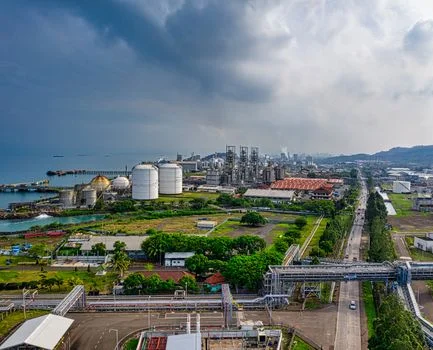
Selecting the appropriate wastewater treatment technology is pivotal for hospitals in Rio de Janeiro aiming for 2025 compliance while optimizing CAPEX and OPEX. Each system offers distinct advantages and disadvantages based on influent characteristics, space constraints, and operational requirements. Membrane Bioreactor (MBR) systems, such as HydropureWater's WSZ series, excel in pathogen removal and produce high-quality effluent suitable for reuse, making them ideal for facilities with limited space and high treatment standards. Dissolved Air Flotation (DAF) systems, like HydropureWater's, are effective for removing suspended solids and fats, oils, and greases (FOG), often serving as a robust pre-treatment step. Chlorine dioxide (ClO₂) generators, exemplified by HydropureWater's, provide powerful disinfection capabilities, effectively inactivating a broad spectrum of pathogens. Emerging technologies like Aerobic Granular Sludge (AGS) offer a sustainable, low-footprint solution for nutrient removal and pathogen reduction, particularly promising for treating complex hospital effluents containing antibiotics, as noted in research from Rio de Janeiro. A recent field deployment in a Rio hospital demonstrated that an MBR system achieved a 95% COD reduction, leading to an 80% decrease in potential fines.
| Parameter | MBR (e.g., HydropureWater WSZ) | DAF (e.g., HydropureWater) | Chlorine Dioxide (ClO₂) (e.g., HydropureWater) | AGS |
|---|---|---|---|---|
| Primary Application | High-quality effluent, pathogen removal, space-constrained sites | FOG, TSS removal, pre-treatment | Disinfection, pathogen inactivation | Nutrient removal, advanced treatment, emerging contaminants |
| COD/BOD Removal (%) | 85-98% | 30-70% (depends on influent) | N/A (Disinfection only) | 70-95% |
| Pathogen Kill Rate | Very High (Membrane barrier) | Moderate (Indirect removal) | Very High (Oxidizing agent) | High (Settling, predation) |
| Footprint | Compact | Moderate | Compact (Generator) | Compact to Moderate |
| Energy Use (kWh/m³) | 5-15 | 3-8 | Low (Generator operation) | 4-10 |
| CAPEX (R$ per 100 beds) | R$ 250,000 - R$ 700,000 | R$ 100,000 - R$ 300,000 | R$ 50,000 - R$ 150,000 | R$ 200,000 - R$ 500,000 |
| OPEX (R$ per m³) | R$ 15 - R$ 30 (incl. membrane replacement) | R$ 8 - R$ 18 (incl. chemicals) | R$ 2 - R$ 5 (incl. chemicals) | R$ 10 - R$ 25 (incl. sludge handling) |
| Suitability for Rio Hospitals | High (especially for urban, space-limited facilities) | High (as pre-treatment or for less stringent needs) | Essential (as a disinfection stage) | Emerging, promising for advanced treatment needs |
For high-pathogen loads and strict effluent standards, MBR systems for hospital wastewater in Rio de Janeiro offer a comprehensive solution. DAF systems for FOG and TSS removal in hospital effluent can significantly reduce downstream treatment load. Chlorine dioxide generators for hospital wastewater disinfection provide a powerful and effective final barrier against microbial contamination.
Step-by-Step System Selection Framework for Rio Hospitals
A systematic approach to selecting a hospital wastewater treatment system is crucial for ensuring long-term compliance and operational efficiency in Rio de Janeiro. This framework guides facility managers and engineers through a logical decision-making process.
- Assess Influent Characteristics: Conduct thorough laboratory testing of the hospital's wastewater to accurately determine influent parameters. This includes COD, BOD, Total Suspended Solids (TSS), pH, temperature, and specific contaminants like heavy metals, pharmaceuticals, and microbial load (fecal coliforms, E. coli). A sample lab report template should detail these tests, providing a baseline for system design.
- Match System to Compliance Needs: Evaluate the effluent discharge limits set by CONAMA 430/2011 and any local ordinances. For high pathogen loads and strict quality requirements, MBR systems are often the most suitable. If FOG and TSS are primary concerns, DAF systems can be highly effective. Disinfection is always a critical step, makingClO₂ or similar technologies essential. AGS systems are considered for advanced nutrient removal or when treating complex effluents.
- Evaluate Footprint Constraints: Hospitals, especially in urban Rio, often have limited space. MBR systems, particularly submerged or compact designs, can be installed underground or within existing structures. DAF units require more space but can be modular. Consider the overall plant footprint and potential for future expansion.
- Calculate CAPEX/OPEX: Develop a comprehensive cost analysis that includes initial capital expenditure (CAPEX) and ongoing operational expenditure (OPEX). CAPEX includes equipment purchase, installation, and civil works. OPEX encompasses energy, chemicals, labor, maintenance, and consumables like membranes. A spreadsheet template allowing input of hospital bed count and estimated flow rates is invaluable for this step.
- Validate with Local Suppliers: Engage with reputable local suppliers and manufacturers in Rio de Janeiro. This ensures access to technical support, spare parts, and an understanding of local installation and regulatory requirements. Listing Rio-based vendors with contact information can facilitate this process.
Cost Breakdown: CAPEX and OPEX for Hospital Wastewater Systems in Rio
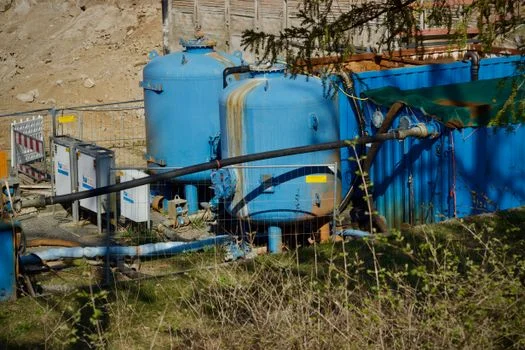
Procurement teams in Rio de Janeiro must consider a detailed cost breakdown to accurately budget for hospital wastewater treatment systems and understand their return on investment (ROI). Capital Expenditure (CAPEX) for a 100–300 bed hospital can range significantly. MBR systems typically fall between R$150,000 and R$500,000, while DAF systems might cost R$80,000 to R$250,000. Chlorine dioxide generators are generally less expensive upfront, ranging from R$50,000 to R$150,000. Operational Expenditure (OPEX) is a critical long-term consideration. Energy costs can vary from R$5 to R$15 per cubic meter, depending on the technology and operational intensity. Chemical costs for disinfection and coagulation/flocculation can add R$2 to R$8 per cubic meter. For MBR systems, membrane replacement represents a significant annual expense, potentially R$20,000 to R$50,000. Beyond direct system costs, hidden expenses include permitting fees (R$10,000–R$50,000), ANVISA inspection preparation (R$20,000–R$100,000), and sludge disposal, which can cost R$500 to R$2,000 per ton. For a 200-bed hospital, the ROI, driven primarily by avoiding fines and potential operational efficiencies, typically shows a payback period of 3–5 years.
| Cost Category | Typical Range (R$) | Notes |
|---|---|---|
| CAPEX | For a 100-300 bed hospital | |
| MBR System | 150,000 - 500,000 | Includes membranes, bioreactor, and pumps |
| DAF System | 80,000 - 250,000 | Includes tank, air dissolution, and chemical dosing |
| ClO₂ Generator | 50,000 - 150,000 | Includes generator, storage, and dosing |
| OPEX (per m³) | Variable based on flow and influent | |
| Energy | 5 - 15 | Electricity consumption |
| Chemicals | 2 - 8 | Disinfectants, coagulants, flocculants |
| Maintenance & Labor | 3 - 10 | Routine checks, repairs, operator time |
| Consumables (e.g., Membranes) | N/A (Annual estimate) | MBR membrane replacement: 20,000 - 50,000/year |
| Ancillary Costs | One-time or periodic | |
| Permitting Fees | 10,000 - 50,000 | IBAMA, municipal authorities |
| ANVISA Inspection Prep | 20,000 - 100,000 | Audits, training, documentation |
| Sludge Disposal | 500 - 2,000 per ton | Transportation and treatment of biosolids |
Compliance Checklist: How to Pass ANVISA and CONAMA Inspections in 2025
Proactive preparation is key to successfully navigating ANVISA and CONAMA inspections in 2025. This checklist outlines critical steps for facility managers and environmental engineers to ensure their hospital's wastewater treatment system meets all regulatory requirements and passes inspection with flying colors.
- Pre-Inspection Steps:
- Conduct a comprehensive waste segregation audit to verify adherence to ANVISA RDC 222/2018 categories.
- Perform regular effluent testing, ensuring results consistently meet CONAMA 430/2011 limits (fecal coliforms, BOD, COD, residual chlorine). Maintain detailed records from accredited laboratories (list of Rio labs available upon request).
- Implement and document staff training programs on waste segregation, handling, and wastewater treatment system operation.
- Documentation Requirements:
- Ensure all relevant permits and licenses are current and readily accessible (e.g., IBAMA registration, municipal operating licenses).
- Maintain detailed maintenance logs for all wastewater treatment equipment, including inspection dates, actions taken, and parts replaced.
- Keep records of chemical usage, including types, quantities, and suppliers, particularly for disinfection agents.
- Preserve ANVISA waste manifests and disposal records for all regulated medical waste streams.
- Compile operational reports demonstrating consistent compliance with effluent limits.
- Common Inspection Failures to Avoid:
- Residual chlorine levels exceeding 1 mg/L in discharged effluent.
- Improper labeling or containment of infectious waste bins.
- Missing or incomplete autoclave logs for infectious waste treatment.
- Inconsistent or uncalibrated monitoring equipment.
- Lack of a documented emergency response plan for wastewater system failures.
- Post-Inspection Actions:
- Develop and implement a corrective action plan within specified timelines (e.g., 30/60/90-day milestones) for any identified deficiencies.
- Communicate inspection outcomes and corrective actions to relevant hospital management and staff.
- Schedule follow-up audits to ensure the effectiveness of implemented corrective measures.
Frequently Asked Questions
Q1: What are the primary regulatory bodies overseeing hospital wastewater treatment in Rio de Janeiro?
A1: The primary bodies are CONAMA (National Environment Council) for effluent standards (Resolution 430/2011) and ANVISA (National Health Surveillance Agency) for waste management (RDC 222/2018). Local environmental agencies and municipal health departments also play a role in permitting and enforcement.
Q2: How does waste segregation impact wastewater treatment compliance?
A2: Improper segregation means hazardous or infectious materials may enter the wastewater stream, increasing pathogen loads and introducing complex chemicals that standard wastewater treatment systems cannot handle, leading to non-compliance with effluent limits and potential fines.
Q3: Are there specific challenges for hospitals near Guanabara Bay regarding wastewater?
A3: Yes, hospitals near Guanabara Bay may face stricter local ordinances regarding heavy metal discharge limits due to the bay's sensitive ecosystem and ongoing cleanup efforts.
Q4: Can treated hospital wastewater be reused in Rio de Janeiro?
A4: Under specific conditions and with advanced treatment technologies like MBR systems that achieve very high effluent quality, water reuse for non-potable purposes (e.g., irrigation, toilet flushing) may be permissible, subject to local regulations and permits.
Q5: What is the role of Aerobic Granular Sludge (AGS) in hospital wastewater treatment?
A5: AGS technology is an emerging, cost-effective, and space-efficient method for advanced biological treatment, capable of removing nutrients and, importantly, degrading or removing emerging contaminants like antibiotics commonly found in hospital effluents. Research in Rio has shown its promise.
Q6: How can a hospital determine the most cost-effective treatment system?
A6: Cost-effectiveness is determined by balancing CAPEX and OPEX against compliance assurance and potential fine avoidance. A thorough assessment of influent characteristics, required effluent quality, operational costs, and system lifespan is essential. For instance, while MBR systems have higher CAPEX, their superior effluent quality and potential for water reuse can lead to significant long-term savings.
Related Equipment
- MBR systems for hospital wastewater in Rio de Janeiro — view specifications, capacity range, and technical data
- DAF systems for FOG and TSS removal in hospital effluent — view specifications, capacity range, and technical data
- Chlorine dioxide generators for hospital wastewater disinfection — view specifications, capacity range, and technical data
Need a customized solution? Request a free quote with your specific flow rate and pollutant parameters.