Why Display Panel Plants Struggle with Ammonia-Nitrogen Wastewater
Display panel manufacturing processes, including TMAH (tetramethylammonium hydroxide) etching, photoresist stripping, and various cleaning stages, inevitably generate wastewater laden with ammonia-nitrogen (NH4-N). This influent typically ranges from 50–500 mg/L, posing significant challenges for compliance with increasingly stringent global discharge limits. For instance, China's GB 21900-2008 mandates a maximum of 15 mg/L, while the EU Directive 91/271/EEC sets a limit of 10 mg/L. In the United States, EPA NPDES permits vary by state, with some, like California, requiring concentrations as low as 5 mg/L. Failure to meet these standards can result in severe financial penalties, such as fines up to $50,000 per day in the US, or even forced plant shutdowns, as observed in China by the Ministry of Ecology and Environment (MEE). Beyond regulatory pressure, high NH4-N concentrations contribute to eutrophication in receiving waters, leading to aquatic toxicity with LC50 values for fish as low as 0.05–0.5 mg/L NH3. elevated NH4-N can cause operational issues downstream, including corrosion and scaling in sensitive equipment like reverse osmosis (RO) systems. A real-world example underscores this urgency: in 2024, a Korean display panel plant faced fines totaling $2.1 million due to NH4-N discharge violations, which were exacerbated by the failure of its biological treatment system to cope with influent pH swings ranging from 6.5 to 9.0.
Chemical vs. Biological Treatment: Process Parameters and Performance Benchmarks
Selecting the optimal ammonia-nitrogen treatment strategy for display panel manufacturing wastewater requires a thorough understanding of various chemical and biological processes, their specific operating parameters, and their performance benchmarks. Chemical methods offer rapid treatment and a smaller physical footprint, making them attractive for facilities with space constraints or highly variable influent loads. Breakpoint chlorination, for example, utilizes sodium hypochlorite (NaOCl) dosing at a ratio of 7.6–10 mg Cl₂ per mg NH4-N, achieving over 99% removal within a reaction time of just 10–30 minutes. Magnesium ammonium phosphate (MAP) precipitation, employing a 1:1:1 molar ratio of Mg²⁺:NH4⁺:PO₄³⁻ at a pH of 9–10, can achieve 95–98% removal. Electrochemical oxidation, another chemical approach, operates with a current density of 50–200 A/m² and consumes 5–15 kWh per kg NH4-N. In contrast, biological systems, while often more cost-effective for large-scale operations, typically require longer retention times and more stable operating conditions. The ANAMMOX process, for instance, operates with a hydraulic retention time (HRT) of 4–8 hours and can achieve 70–80% total nitrogen (TN) removal at temperatures between 30–35°C. Conventional nitrification/denitrification requires longer HRTs of 12–24 hours for 85–95% NH4-N removal and a carbon-to-nitrogen (C:N) ratio of 4–6. A hybrid approach, PN-ANAMMOX (partial nitritation coupled with ANAMMOX), can achieve 80–90% TN removal. Footprint considerations are significant: chemical systems typically occupy 0.1–0.3 m²/m³/d, whereas biological systems can range from 0.5–1.0 m²/m³/d. Chemical methods offer greater operational flexibility, tolerating influent pH swings from 6 to 10 and resisting toxic shocks, whereas biological systems necessitate stable conditions (pH 7–8, temperature 25–35°C).
The following table summarizes key process comparisons for display panel NH4-N wastewater:
| Method | Removal Efficiency (%) | Reaction Time | Footprint (m²/m³/d) | Chemical Consumption (kg/m³) | Energy Use (kWh/m³) | OPEX ($/m³) |
|---|---|---|---|---|---|---|
| Breakpoint Chlorination | 99%+ | 10–30 min | 0.1–0.3 | ~1.0 (NaOCl) | ~0.1 (Pumps) | $0.80–$1.80 |
| MAP Precipitation | 95–98% | 30–60 min | 0.1–0.3 | ~1.0 (MgCl₂, NaOH) | ~0.1 (Pumps) | $0.60–$1.50 |
| Electrochemical Oxidation | >95% | Continuous | 0.1–0.2 | N/A | 5–15 (per kg NH4-N) | $0.70–$1.70 |
| ANAMMOX | 70–80% (TN) | 4–8 h HRT | 0.5–1.0 | ~0.05 (Oxygen) | 0.2–0.4 (Aeration, Pumps) | $0.30–$0.60 |
| Nitrification/Denitrification | 85–95% (NH4-N) | 12–24 h HRT | 0.7–1.0 | ~0.1 (Oxygen, Carbon source) | 0.4–0.7 (Aeration, Pumps) | $0.40–$0.80 |
| PN-ANAMMOX | 80–90% (TN) | 6–12 h HRT | 0.6–0.9 | ~0.08 (Oxygen) | 0.3–0.5 (Aeration, Pumps) | $0.35–$0.70 |
Engineering Specs for Display Panel NH4-N Treatment Systems
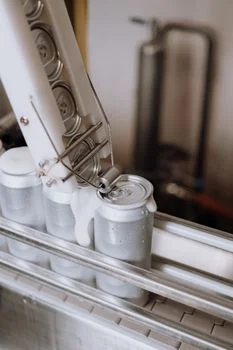
Designing effective ammonia-nitrogen treatment systems for display panel manufacturing requires precise engineering specifications derived from typical influent characteristics. As of 2025 industry data, influent streams often exhibit NH4-N concentrations ranging from 50–500 mg/L, with pH variability between 6.5 and 9.0. Total suspended solids (TSS) can be between 100–500 mg/L, and chemical oxygen demand (COD) typically falls within 200–1000 mg/L. For chemical dosing, breakpoint chlorination requires sodium hypochlorite (NaOCl) at rates of 7.6–10 mg Cl₂ per mg NH4-N. MAP precipitation necessitates magnesium chloride (MgCl₂) at 1.5–2.0 kg/m³ and potentially calcium hydroxide (Ca(OH)₂) for pH adjustment at 0.5–1.0 kg/m³. Reactor sizing for chemical systems, such as MAP precipitation, typically involves a 30–60 minute retention time. Biological systems, like ANAMMOX, require longer HRTs of 4–8 hours. Sludge production varies significantly: chemical methods can generate 0.1–0.3 kg of sludge per kg of NH4-N removed, whereas biological methods are more efficient, producing only 0.05–0.1 kg of sludge per kg of NH4-N removed. For automated and precise chemical addition, a skid-mounted system, such as HydropureWater’s Automatic Chemical Dosing System, offers crucial capabilities. These systems are designed for flow rates from 1–100 m³/h, provide dosing accuracy within ±1%, and feature PLC control with integrated pH and ORP feedback loops for optimized performance. This level of automation is critical for maintaining consistent treatment and meeting compliance targets in dynamic industrial environments. For post-treatment polishing, industrial reverse osmosis systems can further reduce NH4-N levels to meet the most stringent requirements.
HydropureWater’s Automatic Chemical Dosing System is engineered for precise chemical delivery in NH4-N treatment applications.
Cost-Benchmarked Decision Framework: Chemical vs. Biological Systems for Display Panel Plants
Procurement teams and plant managers must consider both capital expenditure (CapEx) and operational expenditure (OPEX) when selecting an ammonia-nitrogen treatment system for display panel manufacturing. Chemical treatment systems generally present a lower initial CapEx, ranging from $150–$300 per m³ treated, encompassing equipment like reactors and dosing pumps, as well as civil works and installation. Biological systems, while offering lower long-term operating costs, typically have a higher CapEx of $200–$400 per m³ treated. OPEX for chemical systems typically falls between $0.50–$1.50 per m³, heavily influenced by reagent costs such as sodium hypochlorite, which can range from $0.20–$0.40 per kg. Biological systems, however, can achieve lower OPEX, often between $0.30–$0.80 per m³, primarily driven by energy consumption for aeration (0.3–0.5 kWh/m³) and sludge disposal costs ($0.10–$0.20 per kg). Return on Investment (ROI) timelines are therefore dependent on plant scale and operational duration. For smaller plants treating less than 50 m³/h, chemical systems may offer an ROI within 1–3 years. Larger facilities, treating over 100 m³/h, can realize the benefits of biological systems with an ROI typically within 3–5 years due to their lower OPEX. A practical example from Taiwan in 2024 demonstrated the cost-effectiveness of chemical treatment: a display panel plant reduced NH4-N from 300 mg/L to below 10 mg/L using MAP precipitation, achieving a 40% lower CapEx compared to a comparable biological treatment solution. For advanced biological treatment, an Integrated MBR system can be a viable option for biological NH4-N removal.
The following table outlines a cost comparison for display panel NH4-N treatment systems:
| Plant Size (m³/h) | Chemical System CapEx ($/m³ treated) | Biological System CapEx ($/m³ treated) | Chemical System OPEX ($/m³) | Biological System OPEX ($/m³) | ROI (Years) |
|---|---|---|---|---|---|
| < 50 | $150–$250 | $200–$350 | $0.80–$1.50 | $0.50–$0.80 | 1–3 |
| 50–100 | $175–$275 | $225–$375 | $0.60–$1.30 | $0.40–$0.70 | 2–4 |
| > 100 | $200–$300 | $250–$400 | $0.50–$1.20 | $0.30–$0.60 | 3–5 |
Compliance Checklist: Meeting Global Discharge Standards for NH4-N
Ensuring compliance with regional ammonia-nitrogen discharge standards requires a systematic approach. In China, the GB 21900-2008 standard limits NH4-N to 15 mg/L, but local regulations, such as those in Guangdong province, may impose stricter limits of 5 mg/L for sensitive areas. Compliance necessitates continuous online monitoring of NH4-N, pH, and flow, complemented by quarterly third-party testing. European Union regulations, specifically Directive 91/271/EEC, set a limit of 10 mg/L NH4-N for discharges exceeding 100,000 Population Equivalents (PE). Adherence to Best Available Techniques (BAT) and submission of annual reports are mandatory. In the United States, EPA NPDES permits are highly site-specific; for example, California permits often require ≤5 mg/L, while Texas may limit it to ≤3 mg/L. Continuous monitoring and monthly submission of Discharge Monitoring Reports (DMRs) are standard requirements. Effective online monitoring systems are crucial. NH4-N sensors, such as those from ProMinent, offer accuracies of ±2% and measurement ranges of 0–1000 mg/L. pH sensors with 4–20 mA output and flow meters compliant with ISO 4064 Class 2 are also essential. A robust compliance audit process involves: (1) Verifying influent and effluent NH4-N data against permit limits, (2) Cross-referencing recorded data with permit conditions, (3) Reviewing maintenance logs for all monitoring sensors and dosing pumps, and (4) Documenting any corrective actions taken during exceedances. For post-treatment disinfection, ClO₂ generators can ensure microbial inactivation. For facilities aiming for zero liquid discharge, exploring advanced treatment options like those discussed in TMAH wastewater treatment for PCB plants is advisable.
Frequently Asked Questions
Q1: What are the primary sources of ammonia-nitrogen in display panel manufacturing wastewater?
A1: The main sources are TMAH-based etching solutions, photoresist stripping processes, and various cleaning stages that utilize ammoniated or nitrogen-containing chemicals. These processes can introduce NH4-N concentrations ranging from 50–500 mg/L into the wastewater stream.
Q2: How do chemical and biological treatment methods compare in terms of footprint for display panel plants?
A2: Chemical treatment systems generally have a smaller footprint, typically 0.1–0.3 m²/m³/d, due to their rapid reaction kinetics. Biological systems, such as ANAMMOX or nitrification/denitrification, require larger areas, ranging from 0.5–1.0 m²/m³/d, to accommodate longer hydraulic retention times.
Q3: What is the typical cost difference in CapEx between chemical and biological NH4-N treatment for a 100 m³/h display panel plant?
A3: For a plant of this size, chemical systems might have a CapEx of $200–$300/m³ treated, while biological systems could range from $250–$400/m³ treated. This translates to a potential CapEx saving of 15-25% with chemical systems initially, though OPEX must also be considered for the overall ROI.
Q4: Are biological NH4-N treatment systems suitable for fluctuating influent conditions common in display panel manufacturing?
A4: Biological systems are generally sensitive to significant fluctuations in pH, temperature, and toxic shock loads. While some advanced biological processes are more resilient, chemical pre-treatment or robust control strategies are often necessary to stabilize influent conditions for optimal biological performance.
Q5: What are the key components of an online monitoring system for NH4-N compliance?
A5: A typical system includes an NH4-N sensor (e.g., with ±2% accuracy and a 0–1000 mg/L range), a pH sensor (4–20 mA output), and a flow meter (ISO 4064 Class 2). These are integrated with a PLC for data logging, alarm generation, and potential feedback control of dosing pumps.
Further Reading
Explore these in-depth articles on related wastewater treatment topics: