PCB ammonia-nitrogen wastewater requires specialized treatment to meet China’s GB 39731-2020 discharge limit of ≤15 mg/L. Three proven pathways exist: (1) chemical recovery (95%+ ammonia removal via stripping/absorption, but high CapEx), (2) anammox (90% NRE at Cu²⁺ ≤2.5 mg/L, but sensitive to heavy metals), and (3) traditional nitrification-denitrification (85% NRE, but 30% higher OPEX). Real-world data from Shenzhen PCB plants shows anammox systems achieve 99% ammonia compliance when paired with copper pretreatment (Cu²⁺ <1 mg/L).
Why PCB Ammonia-Nitrogen Wastewater Fails Compliance: A Real-World Case Study
A Shenzhen-based PCB manufacturer recently faced a $50,000 annual penalty after its discharge monitoring system recorded ammonia-nitrogen levels of 18 mg/L, exceeding the mandatory GB 39731-2020 discharge limits for PCB manufacturers of 15 mg/L. Despite having a traditional biological treatment plant in place, the facility could not maintain stable compliance due to the chemical complexity of the influent. The plant’s failure highlights a common industry struggle: the inability of standard biological systems to handle the fluctuating toxicity of electronics-grade wastewater.
Engineering audits identified three root causes for this compliance failure. First, the presence of stable copper-ammonia complexes [Cu(NH₃)₄]²⁺ prevented the biological oxidation of nitrogen, as the ammonia was chemically "locked" with the heavy metal. Second, fluctuating Cu²⁺ levels—ranging from 5 to 15 mg/L—periodically inhibited the nitrifying bacteria, leading to a total collapse of the biological film. Third, the facility lacked a dedicated pretreatment strategy for copper removal in PCB wastewater, which is essential for protecting sensitive downstream processes like anammox.
The influent profile at this facility was typical for the industry: ammonia-nitrogen (NH₃-N) concentrations of 200–400 mg/L, copper ions at 5–15 mg/L, and a high pH of 8.5–9.5. At these concentrations, the cost of non-compliance extends beyond government fines. The facility was forced to haul excess high-concentration waste to third-party treatment centers at a cost of $200/m³, totaling nearly $120,000 in unplanned OPEX over six months. This scenario underscores why selecting a treatment pathway based on engineering specs, rather than just initial CapEx, is critical for long-term viability.
Sources of Ammonia-Nitrogen in PCB Manufacturing: Process Mapping
Ammonia-nitrogen in PCB wastewater originates primarily from alkaline etching and electroless copper plating processes, where concentrations often reach 300–600 mg/L. Identifying the specific source is the first step in engineering a pretreatment system, as the chemical state of the ammonia (free vs. complexed) determines the removal efficiency of subsequent stages. In PCB fabrication, ammonia is not merely a byproduct but a functional chemical used to maintain pH and stabilize metal ions in solution.
In the etching process, ammonium chloride (NH₄Cl) and ammonium hydroxide (NH₄OH) are used to maintain a stable etch rate for copper. This results in "etching waste" with NH₃-N concentrations between 300 and 600 mg/L. Electroless copper plating baths utilize ammonia as a complexing agent to prevent the premature precipitation of copper ions, leading to "plating waste" with concentrations of 150–250 mg/L. Additionally, photoresist stripping often involves alkaline solutions that contribute to the total nitrogen load. When these streams mix, copper-ammonia complexes form, which are significantly more difficult to treat than simple urea or municipal nitrogen.
| Process Step | Primary Chemical Source | Typical NH₃-N (mg/L) | Typical Cu²⁺ (mg/L) | Treatment Challenge |
|---|---|---|---|---|
| Alkaline Etching | NH₄Cl, NH₄OH | 300–600 | 10–50 | High Cu-NH₃ complex stability |
| Electroless Plating | Ammonia stabilizers | 150–250 | 5–15 | High organic co-contaminants |
| Photoresist Stripping | Alkaline amines | 50–100 | <2 | High COD inhibition |
| Micro-etching | Sulfuric acid/Peroxide | <10 | 20–100 | Low pH, high metal load |
The chemical equilibrium of these streams is highly pH-dependent. At a pH above 8.5, the equilibrium shifts toward free ammonia (NH₃), which is gaseous and highly toxic to the Candidatus Kuenenia bacteria used in anammox processes. Conversely, at lower pH levels, the ammonia exists as the ammonium ion (NH₄⁺), which is more stable in water but remains complexed with copper, resisting standard hydroxide precipitation. This chemical "catch-22" requires a precise PLC-controlled chemical dosing for ammonia stripping and copper precipitation to break the complexes before biological treatment begins.
3 Proven PCB Ammonia-Nitrogen Treatment Pathways: Engineering Specs Compared
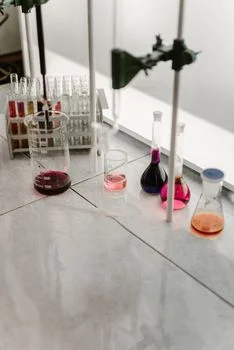
Selecting a treatment pathway for PCB ammonia-nitrogen requires balancing the 95% removal efficiency of chemical recovery against the 60% OPEX savings offered by anammox systems. For high-volume PCB plants, the choice usually falls between three established engineering routes: chemical stripping and recovery, anaerobic ammonium oxidation (anammox), or traditional nitrification-denitrification. Each has distinct influent requirements and performance benchmarks.
1. Chemical Recovery (Stripping & Absorption): This physical-chemical process involves raising the wastewater pH to >11 to convert ammonium ions into free ammonia gas, which is then stripped in a packed tower and absorbed into sulfuric acid to produce ammonium sulfate. While this method achieves 95%+ removal and allows for resource recovery, it carries a high CapEx (approx. $1.2M for a 50 m³/h system) and significant chemical costs for pH adjustment.
2. Anammox (Anaerobic Ammonium Oxidation): This "short-cut" biological nitrogen removal process uses Candidatus Kuenenia bacteria to convert ammonia and nitrite directly into nitrogen gas. It requires 60% less oxygen and zero external carbon sources compared to traditional methods. However, anammox is highly sensitive to copper; NRE (Nitrogen Removal Efficiency) remains at 90 ± 10% when Cu²⁺ is ≤2.5 mg/L but can plummet to 22% if copper levels exceed 10 mg/L. It also requires a 30-day startup period to cultivate the slow-growing biomass.
3. Traditional Nitrification-Denitrification: This is the most robust method but also the most expensive to operate. It involves a two-stage biological process: aerobic nitrification followed by anoxic denitrification. While it can handle higher fluctuations in heavy metals, it requires 30% higher OPEX due to the massive aeration energy required and the need for constant methanol or acetate dosing as a carbon source.
| Parameter | Chemical Recovery | Anammox (Bio) | Trad. Nitri-Denitri |
|---|---|---|---|
| Removal Efficiency (NRE) | 95% – 98% | 85% – 95% | 80% – 85% |
| Copper Tolerance (Cu²⁺) | High (>50 mg/L) | Low (<2.5 mg/L) | Moderate (<10 mg/L) |
| Carbon Source Needed | None | None | High (Methanol/Acetate) |
| Startup Time | 1–2 Days | 30–60 Days | 7–14 Days |
| Operational Cost (OPEX) | $0.50/m³ | $0.40/m³ | $0.80–$1.20/m³ |
For facilities aiming for fluoride removal methods for PCB wastewater alongside nitrogen treatment, the integration of physical-chemical stages is often the most stable approach. If the goal is strictly ammonia compliance at the lowest possible cost, anammox is the superior choice, provided the facility invests in high-efficiency copper pretreatment.
Copper Pretreatment for Anammox: Engineering Specs to Achieve Cu²⁺ <1 mg/L
Achieving the Cu²⁺ <1 mg/L threshold required for stable anammox performance necessitates a multi-stage pretreatment strategy using sulfide precipitation or chelate-specific ion exchange. Because copper-ammonia complexes do not readily precipitate with standard sodium hydroxide (NaOH), engineers must use reagents with a higher affinity for copper than the ammonia ligands. The goal is to reduce copper to levels where it no longer inhibits the metabolic activity of anammox granules.
Sulfide Precipitation: This is the most effective chemical method for breaking Cu-NH₃ complexes. By adding sodium sulfide (Na₂S) or organosulfides, copper is precipitated as copper sulfide (CuS). The solubility product (Ksp) of CuS is 6.3×10⁻³⁶, which is orders of magnitude lower than copper hydroxide. This allows for 99.9% copper removal even in the presence of high ammonia. Following precipitation, DAF systems for copper-ammonia complex removal prior to anammox are used to remove the fine sulfide flocs.
Ion Exchange (IX): For polishing or low-concentration streams, chelate-specific resins (such as those with iminodiacetic acid groups) can selectively remove copper ions from the ammonia-rich water. This method achieves 98% removal but requires periodic regeneration with acid and base, adding to the waste brine load.
Membrane Filtration: Ultrafiltration (UF) or Nanofiltration (NF) can be used to separate complexed metals from the water. While highly effective, membranes are prone to scaling in PCB environments. Often, RO systems for polishing anammox effluent to meet GB 39731-2020 limits are placed at the end of the process rather than the beginning to ensure the water meets the final discharge standards.
| Pretreatment Method | Cu²⁺ Removal % | Final Cu²⁺ (mg/L) | CapEx | OPEX ($/m³) |
|---|---|---|---|---|
| Sulfide Precipitation | 99.9% | <0.1 | Low | $0.30 |
| Ion Exchange (Chelating) | 98.0% | <0.5 | Moderate | $0.45 |
| Ultrafiltration (UF) | 90.0% | 1.0–2.0 | Moderate | $0.20 |
To prevent ammonia toxicity during these pretreatment steps, the pH must be carefully maintained between 7.5 and 8.0. If the pH rises too high, the concentration of free ammonia (NH₃) will increase, which can inhibit the very bacteria the pretreatment is designed to protect. Integrated sensors and automated dosing loops are non-negotiable for this stage of engineering.
Cost-Benefit Analysis: Chemical Recovery vs. Anammox vs. Traditional for PCB Plants
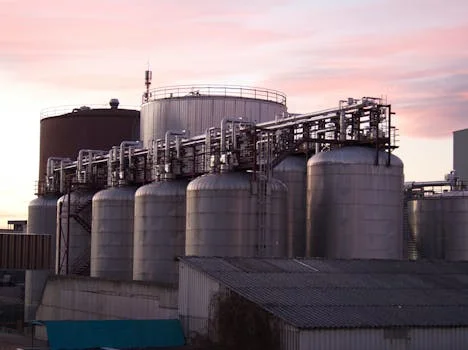
For a standard 50 m³/h PCB wastewater facility, anammox systems provide a 2.5-year ROI by eliminating the need for external carbon sources and reducing sludge production by 70% compared to traditional biological methods. When presenting a treatment project to finance teams, plant managers must look beyond the initial price tag and calculate the Total Cost of Ownership (TCO) over a 5-to-10-year horizon.
Chemical recovery systems have the highest initial CapEx ($1.2M) but offer the potential for "zero liquid discharge" (ZLD) and the sale of ammonium sulfate byproducts. However, the market for recovered ammonium sulfate is often volatile, and the energy required for the stripping steam can be prohibitive. Traditional nitrification-denitrification has the lowest CapEx ($300K) but the highest OPEX ($0.80–$1.20/m³) due to the continuous purchase of carbon sources and the high electricity demand for aeration blowers. Over 5 years, the OPEX of a traditional system often exceeds the initial savings.
Anammox sits in the "sweet spot" for most 2025 PCB plant upgrades. With a CapEx of approximately $400K and an OPEX of only $0.40/m³, it offers the most aggressive ROI. The primary risk factor is the sensitivity to copper; if the copper pretreatment system fails and Cu²⁺ exceeds 5 mg/L for an extended period, the ROI drops as the system requires reseeding and downtime for recovery. A sensitivity analysis shows that even with the added cost of a robust sulfide pretreatment stage, anammox remains 40% cheaper to operate than traditional biological systems.
| Financial Metric (50 m³/h) | Chemical Recovery | Anammox System | Trad. Bio System |
|---|---|---|---|
| Estimated CapEx | $1,200,000 | $400,000 | $300,000 |
| Annual OPEX | $219,000 | $175,000 | $350,000 |
| Carbon/Chemical Cost | High (Acid/Base) | Minimal | High (Methanol) |
| Sludge Disposal Cost | Low | Very Low | High |
| ROI (Payback Period) | 5.0 Years | 2.5 Years | N/A (Baseline) |
GB 39731-2020 Compliance Checklist for PCB Ammonia-Nitrogen Wastewater
Compliance with GB 39731-2020 requires PCB facilities to maintain ammonia-nitrogen below 15 mg/L while simultaneously meeting a total copper limit of 0.5 mg/L at the final discharge point. Meeting these standards is not a one-time event but requires a continuous monitoring and maintenance protocol. Use the following checklist to audit your current system against China’s 2025 environmental standards:
- Discharge Limits Audit:
- Ammonia-Nitrogen (NH₃-N) ≤ 15 mg/L (Direct discharge)
- Total Copper (Cu) ≤ 0.5 mg/L (Strictly enforced)
- Chemical Oxygen Demand (COD) ≤ 100 mg/L
- pH Range: 6.0 – 9.0
- Sampling & Monitoring Protocol:
- Install 24-hour flow-proportional composite samplers at the final outfall.
- Conduct hourly grab samples for Cu²⁺ at the pretreatment outlet to protect anammox bacteria.
- Calibrate online NH₃-N and pH meters weekly using certified standard solutions.
- Operational Record-Keeping:
- Maintain daily logs of chemical dosing rates (sulfide, acid, base).
- Record dissolved oxygen (DO) and Mixed Liquor Suspended Solids (MLSS) for biological tanks.
- Archive monthly reports for third-party lab verification of heavy metals and COD.
- Emergency Response:
- Establish a "diversion tank" to hold off-spec wastewater if Cu²⁺ spikes above 2.5 mg/L.
- Keep a 48-hour supply of backup chemicals on-site for the dosing system.
Failure to meet these standards can result in fines up to $100,000 for a first offense and mandatory plant shutdowns for repeat violations. For more details on regulatory trends, refer to our guide on GB 39731-2020 discharge limits for PCB manufacturers.
Frequently Asked Questions
What is the best treatment for high-copper PCB wastewater?
Chemical recovery or traditional nitrification-denitrification are more tolerant than anammox, which sees a drop to 22% NRE when Cu²⁺ exceeds 10 mg/L. However, with sulfide pretreatment, anammox becomes the most cost-effective option.
Can anammox bacteria survive in high-salinity PCB wastewater?
Anammox bacteria can tolerate moderate salinity (up to 15 g/L NaCl), but sudden spikes can cause osmotic shock. Stability is maintained through gradual acclimatization during the 60-day startup phase.
How do I break copper-ammonia complexes for biological treatment?
The most effective method is sulfide precipitation at a pH of 7.5–8.5, which forces the copper out of the complex as CuS, leaving the ammonia available for biological oxidation.
Does anammox require a carbon source like methanol?
No, anammox bacteria are autotrophic and use inorganic carbon (CO₂) or carbonates, eliminating the need for expensive external carbon dosing required by traditional denitrification.
What is the typical lifespan of anammox granules in a PCB plant?
With proper pretreatment (Cu²⁺ <1 mg/L), anammox granules can remain active for several years. The biomass self-regenerates, though a 5-10% annual loss may occur due to wash-out in some reactor designs.