Why Electronics Wastewater Water Reclaim is Non-Negotiable in 2025
Semiconductor manufacturing requires 15–20 m³ of ultrapure water (UPW) per 300mm wafer, according to SEMI S23-0715 standards, with approximately 60–80% of that volume ending up as complex wastewater. As global water scarcity intensifies, electronics wastewater water reclaim has shifted from a corporate social responsibility (CSR) goal to a core operational necessity. For a typical large-scale fab, reclaiming this water is the only viable path to maintaining production capacity under increasingly strict municipal water quotas and discharge permits.
Regulatory frameworks are tightening globally, leaving zero room for non-compliance. In the United States, EPA 40 CFR Part 469 sets rigorous discharge limits for the semiconductor subcategory, while the EU Industrial Emissions Directive 2010/75/EU mandates stringent controls on TMAH, fluoride, and heavy metal concentrations. China has pushed the envelope further with GB 31573-2015, which enforces reuse rates of 90% or higher in specific industrial zones. Failure to meet these standards can result in fines exceeding $100,000 per violation and potential facility shutdowns.
Beyond compliance, the economic argument for high-recovery reclaim systems is definitive. Implementing advanced water reuse technologies can reduce UPW production costs by 40–60%. While municipal water supply and subsequent discharge fees can cost between $2 and $4 per m³, reclaimed water typically costs only $0.50–$1.50 per m³ to treat to a reusable grade. High-profile implementations, such as the TSMC Arizona facility, have demonstrated that Zero Liquid Discharge (ZLD) architectures can save upwards of $12 million annually in operational expenses, as detailed in recent sustainability reporting.
Pollutant Profile: What’s in Electronics Wastewater and Why It’s Hard to Treat
Tetramethylammonium hydroxide (TMAH) concentrations in developer wastewater typically range from 50 to 500 mg/L, presenting a significant biological challenge due to its toxicity to nitrifying bacteria. Electronics wastewater is a heterogeneous mix of organic solvents, photoresists, and inorganic salts that require differentiated treatment streams. Understanding the specific pollutant load is the first step in designing an effective water reclaim system for display panel manufacturing or semiconductor fabrication.
Organic loads are dominated by TMAH and photoresist residues, which can push Chemical Oxygen Demand (COD) levels to 2,000 mg/L. Inorganic pollutants are equally problematic; fluoride from etching processes often reaches 300 mg/L, while Chemical Mechanical Planarization (CMP) produces high volumes of suspended silica and heavy metals like copper and arsenic. These pollutants are not just environmental hazards; they are aggressive foulants that can destroy standard reverse osmosis membranes within weeks if not properly managed through specialized engineering solutions for heavy metal removal in microelectronics.
| Pollutant Category | Key Contaminants | Typical Concentration | Primary Process Source |
|---|---|---|---|
| Organics | TMAH, Ammonium, Photoresists | 50–500 mg/L (TMAH) | Photolithography, Developing |
| Inorganics | Fluoride, Silica, Phosphates | 50–300 mg/L (Fluoride) | Etching, Cleaning, CMP |
| Heavy Metals | Copper, Arsenic, Nickel | 10–100 mg/L (Cu) | Electroplating, CMP, Etching |
| Solids | Colloidal Silica, Ceria | 500–2,000 mg/L (TSS) | CMP (Planarization) |
The environmental risks associated with these effluents are severe. TMAH exhibits an LC50 of 10–50 mg/L for aquatic life, making it a critical target for removal. Fluoride bioaccumulates in ecosystem food chains, while heavy metals like arsenic are classified as Tier 1 carcinogens per WHO guidelines. Effective treatment must therefore target 99.9% removal of these specific species to enable safe water reuse or discharge.
Treatment Technologies Compared: MBR vs. RO vs. DAF for Electronics Wastewater
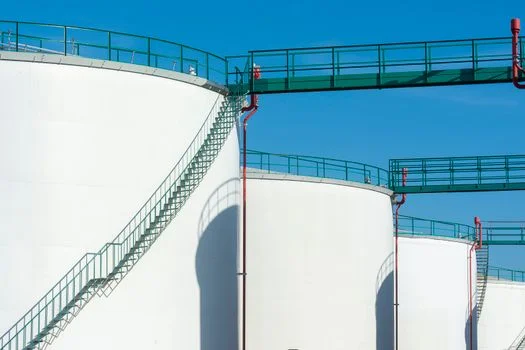
Submerged MBR systems utilizing 0.1 μm PVDF membranes achieve 99% total suspended solids (TSS) removal while operating at a low energy intensity of 0.4–0.8 kWh/m³. Selecting the right technology depends on the specific wastewater fraction being treated. For example, a submerged MBR system for electronics wastewater is the industry standard for organic-rich developer streams, as it combines biological degradation with absolute membrane filtration in a footprint 60% smaller than conventional activated sludge plants.
For high-salinity streams containing fluoride and heavy metals, a high-recovery RO system for fluoride and heavy metal removal is essential. Modern RO configurations for electronics can achieve 75–85% recovery, though they are highly susceptible to scaling from silica. To protect these membranes, DAF pre-treatment for CMP sludge and TSS removal is used to thicken solids and remove 90–95% of oils and grease before the water reaches the RO stage.
| Technology | Removal Efficiency | Energy Consumption | Best Use Case |
|---|---|---|---|
| MBR (Membrane Bioreactor) | 99% TSS, 95% COD | 0.4–0.8 kWh/m³ | TMAH & Organic removal |
| RO (Reverse Osmosis) | 95–99% Ions/Metals | 0.5–1.2 kWh/m³ | Desalination & Reclaim |
| DAF (Dissolved Air Flotation) | 90–95% TSS/FOG | 0.1–0.3 kWh/m³ | CMP Sludge thickening |
| Hybrid (MBR + RO) | 99.9% Overall | 1.2–2.0 kWh/m³ | ZLD & High-grade reuse |
While these technologies are powerful, they have distinct limitations. RO systems face significant flux decline if silica levels exceed 50 mg/L in the feed, necessitating the use of specialized antiscalants. MBR systems can suffer from irreversible fouling if exposed to high concentrations of certain photoresist polymers, requiring rigorous upstream chemical dosing. DAF systems, while robust for solids, require precise chemical coagulation (e.g., PAC at 50–200 mg/L) to maintain efficiency.
Step-by-Step Process Design for 99.9% Water Reclaim
Engineering a 99.9% water recovery system requires a multi-stage process that prioritizes Chemical Mechanical Planarization (CMP) sludge removal during pre-treatment. The process begins with segregation; developer wastewater, fluoride-rich etching water, and CMP slurries should be treated in dedicated sub-loops before being combined for final polishing. This prevents cross-contamination and allows for optimized chemical dosing for each pollutant type.
Step 1: Pre-treatment and Coagulation. CMP and etching streams are directed to a DAF unit. Here, pH is adjusted to 8.0–9.0 using lime or calcium chloride to precipitate fluoride as calcium fluoride (CaF2). Coagulants are added to aggregate colloidal silica. A filter press for dewatering electronics wastewater sludge is then used to reduce the waste volume to a 20–30% dry solids cake.
Step 2: Core Biological and Membrane Treatment. The clarified water enters the MBR stage. Using 0.1 μm PVDF membranes at a flux of 15–25 LMH, the system degrades TMAH and removes the remaining TSS. For facilities targeting ZLD, the MBR effluent is pressurized to 15–20 bar and passed through a multi-stage RO system. This achieves the bulk of the water recovery needed for non-critical fab utilities.
Step 3: Post-treatment and UPW Polishing. To return water to the UPW loop, post-treatment is required. This involves a chlorine dioxide generator for microbial control or UV disinfection (targeting 99.9% pathogen kill), followed by ion exchange (IX) resin beds. The goal is to reach a resistivity of >18 MΩ·cm, meeting SEMI F63-0701 standards for semiconductor-grade water.
Step 4: Monitoring and Automation. The entire system must be integrated with online sensors. High-Performance Liquid Chromatography (HPLC) is used for real-time TMAH monitoring, while ion-selective electrodes track fluoride levels. ICP-MS is often utilized in the final stage to ensure heavy metal concentrations remain below parts-per-billion (ppb) levels before the water enters the reclaim tank.
Cost Breakdown: CapEx, OPEX, and ROI for Electronics Water Reclaim Systems
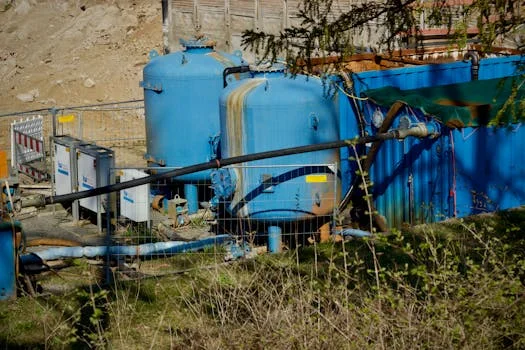
CapEx for a fully automated MBR-RO water reclaim system ranging from 50 to 500 m³/day typically falls between $0.8M and $3.5M. This investment covers the primary membrane units, chemical dosing skids, civil engineering, and the SCADA systems required for 24/7 autonomous operation. While the upfront cost is significant, the reduction in raw water procurement and discharge surcharges creates a compelling financial case for plant managers.
OPEX is primarily driven by energy consumption and chemical consumables. For a standard reclaim system, OPEX ranges from $0.30 to $0.80 per m³ of treated water. Energy accounts for roughly 40% of this cost, followed by membrane replacement (15–20%) and chemical dosing (15%). Sludge disposal costs, while often overlooked, can add $0.02–$0.08 per m³ depending on the local regulations for hazardous waste handling.
| Cost Component | Estimated Cost (per m³) | % of Total OPEX |
|---|---|---|
| Energy (MBR + RO) | $0.15–$0.35 | 40–45% |
| Chemicals (Coagulants, pH) | $0.05–$0.15 | 15–20% |
| Membrane Replacement | $0.10–$0.30 | 20–25% |
| Labor & Maintenance | $0.05–$0.10 | 10% |
| Sludge Disposal | $0.02–$0.08 | 5% |
The Return on Investment (ROI) typically materializes within 3 to 7 years. Facilities in regions with high water stress or expensive discharge permits see faster payback. For instance, a fab reclaiming 90% of its water at a local supply cost of $1.20/m³ will usually achieve a break-even point within 4 years. many governments offer ESG-related tax credits or subsidies for ZLD installations, which can further accelerate the payback period.
Compliance Checklist: Meeting EPA, EU, and China Discharge Standards
The EPA 40 CFR Part 469 mandates that semiconductor facilities limit fluoride discharge to less than 20 mg/L and copper to less than 1 mg/L. However, global standards vary, and a reclaim system must be designed to meet the most stringent criteria of the operating region. For plants exporting products to the EU, meeting the Industrial Emissions Directive is often a contractual requirement from downstream partners.
Monitoring requirements are as critical as the treatment itself. Most jurisdictions require continuous monitoring of pH, TSS, and conductivity. For specialized pollutants like TMAH, weekly or monthly lab-verified tests are standard. Keeping detailed detailed engineering specs for TMAH wastewater treatment in your facility logbooks is essential for ISO 14001 audits and annual ESG reporting.
| Parameter | EPA (USA) | EU (IED) | China (GB 31573) |
|---|---|---|---|
| TMAH | <10 mg/L | <5 mg/L | N/A (covered by COD) |
| Fluoride | <20 mg/L | <15 mg/L | <10 mg/L |
| Copper (Cu) | <1.0 mg/L | <0.5 mg/L | <0.3 mg/L |
| COD | N/A (Site specific) | <100 mg/L | <50 mg/L |
| Reuse Rate | N/A | Best Practice | ≥90% (Mandatory) |
Documentation is the final pillar of compliance. Facilities must maintain rigorous records of chemical dosing rates, membrane cleaning cycles (CIP), and sludge disposal manifests. These documents serve as legal proof of compliance during environmental inspections and are increasingly requested by institutional investors during sustainability audits.
Frequently Asked Questions
What’s the best pre-treatment for TMAH wastewater?
Chemical precipitation using calcium chloride (CaCl2) at a pH range of 8.0–9.0 is the most effective pre-treatment. This method achieves up to 99.9% removal efficiency by converting soluble TMAH into a manageable precipitate, according to 2023 EPA technical benchmarks.
How do I prevent silica scaling in RO systems?
To prevent silica scaling, engineers should use specialized antiscalants like polyacrylic acid at dosing rates of 2–5 mg/L. Additionally, it is critical to limit the RO recovery rate to 75–80% if the feed water silica concentration exceeds 50 mg/L to prevent the silica from exceeding its solubility limit.
What’s the energy consumption of a ZLD system for electronics wastewater?
A membrane-based ZLD system (MBR + RO + Brine Concentration) typically consumes between 0.8 and 1.5 kWh/m³. In contrast, traditional thermal ZLD systems using Mechanical Vapor Compression (MVC) are much more energy-intensive, requiring 1.5–3.0 kWh/m³.
Can I reuse reclaimed water for UPW in semiconductor manufacturing?
Yes, reclaimed water is frequently used as feed for UPW systems. However, it must undergo post-treatment polishing via ion exchange and UV sterilization to ensure the final resistivity exceeds 18 MΩ·cm and TOC levels are below 5 ppb, per SEMI F63-0701 guidelines.
What’s the lifespan of MBR membranes for electronics wastewater?
With proper maintenance, PVDF MBR membranes typically last 5 to 8 years. This lifespan requires a consistent Clean-In-Place (CIP) regimen, usually involving a monthly wash with sodium hydroxide (NaOH) for organic fouling and sodium hypochlorite (NaOCl) for bio-fouling removal.