PCB Wastewater Water Reclaim: 2025 Engineering Blueprint with 99.5% Recovery & Zero Liquid Discharge Costs
PCB wastewater water reclaim systems achieve 99.5% recovery using hybrid zero liquid discharge (ZLD) designs, combining reverse osmosis (RO), membrane bioreactors (MBR), and chemical precipitation. For example, VSEP RO systems reduce copper and nickel concentrations to <0.5 mg/L, meeting China GB 8978-1996 and EPA discharge limits while eliminating costly wastewater hauling. A typical 50 m³/h reclaim system costs $1.2–1.8M (CapEx) with OPEX of $0.8–1.5/m³, delivering 2–3 year ROI through water savings and compliance avoidance.
Why PCB Wastewater Reclaim is a 2025 Priority for Manufacturers
PCB wastewater contains high concentrations of heavy metals, organics, and inorganics that consistently exceed regulatory discharge limits, making water reclaim a critical operational priority. Typical PCB wastewater streams contain copper (50–500 mg/L), nickel (10–100 mg/L), cyanide (5–50 mg/L), and fluoride (100–1000 mg/L), all significantly higher than EPA and China GB limits. For instance, the maximum allowable copper concentration is <1.3 mg/L under EPA guidelines and <0.5 mg/L per China GB 8978-1996, necessitating advanced treatment for compliance. Non-compliant discharge can lead to severe fines, operational halts, and reputational damage.
Hauling non-compliant wastewater represents a substantial and escalating operational expense for PCB manufacturing facilities. Industry benchmarks from 2024 indicate hauling costs range from $0.5–2.0/m³, translating to annual expenses of $1–3M for a typical 50 m³/h plant operating continuously. These costs directly impact profitability and operational sustainability. The global PCB industry, with China accounting for over 25% of total output, faces increasingly stringent enforcement of environmental regulations like GB 8978-1996. This regulatory pressure drives a critical demand for robust industrial water reuse systems to avoid penalties and ensure uninterrupted production.
Beyond direct costs and compliance, sustainability initiatives are pushing manufacturers toward hybrid ZLD systems for high-recovery wastewater reclaim. A notable example is a Shenzhen PCB plant that implemented a hybrid RO-ZLD system in 2023, achieving an 85% reduction in wastewater hauling costs and a 98% water recovery rate. This demonstrates the tangible economic and environmental benefits of investing in PCB wastewater recycling infrastructure.
Contaminant Profile: What’s in PCB Wastewater and Why It’s Hard to Treat

PCB wastewater presents a complex matrix of contaminants, making it one of the most challenging industrial effluents to treat effectively for water reclaim. The wastewater typically contains three primary categories of pollutants: heavy metals, organic compounds, and inorganic pollutants. Heavy metals, including copper (Cu), nickel (Ni), tin (Sn), and lead (Pb), originate from plating and etching processes. Organic compounds, such as surfactants, inks, resists, and degreasers, contribute significantly to the chemical oxygen demand (COD). Inorganic pollutants, including ammonia, cyanide, and fluoride, are byproducts of various chemical baths used in fabrication.
The presence of metal complexes, particularly copper-cyanide, poses a significant challenge because these complexes resist traditional chemical precipitation methods. Achieving ultra-low metal concentrations, such as <0.5 mg/L copper, often requires advanced oxidation processes or membrane separation technologies like reverse osmosis. the high organic load, with COD concentrations ranging from 500–5000 mg/L, can severely foul membranes, necessitating rigorous pre-treatment steps. Effective pre-treatment often involves dissolved air flotation (DAF) to remove suspended solids and fats, oils, and grease (FOG), followed by chemical dosing with coagulants like polyaluminum chloride (PAC) at 50–200 mg/L to reduce organic loading.
PCB fabrication involves distinct steps like etching, plating, and stripping, each generating wastewater streams with unique contaminant profiles. For instance, etching processes contribute high concentrations of fluoride and copper, while plating baths are sources of nickel and other heavy metals. This variability necessitates tailored treatment strategies for different streams or a robust integrated system capable of handling a diverse influent. Understanding these specific contaminant sources and concentrations is fundamental for selecting and designing appropriate treatment technologies.
| Contaminant | Typical Concentration Range (mg/L) | Primary Fabrication Source |
|---|---|---|
| Copper (Cu) | 50–500 | Electroplating, Etching |
| Nickel (Ni) | 10–100 | Electroless Nickel Plating |
| Tin (Sn) | 5–50 | Immersion Tin Plating |
| Lead (Pb) | 2–20 | Solder Plating (legacy processes) |
| COD | 500–5000 | Surfactants, Inks, Resists, Degreasers |
| Cyanide (CN) | 5–50 | Gold Plating, Copper Plating |
| Fluoride (F) | 100–1000 | Etching (e.g., Ammonium Bifluoride) |
| Ammonia (NH₃-N) | 20–200 | Etching, Stripping |
| TSS | 100–1000 | Drilling, Mechanical Cleaning |
For effective pre-treatment of such complex streams, a high-efficiency DAF system for PCB wastewater pre-treatment is often the first critical step.
Step-by-Step Engineering Process for PCB Wastewater Water Reclaim
Designing an effective PCB wastewater water reclaim system involves a multi-stage engineering process, meticulously planned to address the complex contaminant profile and achieve stringent discharge and reuse standards. This blueprint outlines the sequential treatment steps required for high-recovery industrial water reuse systems.
Step 1: Pre-treatment begins with mechanical screening to remove large solids, followed by equalization to buffer flow and concentration fluctuations. The core of pre-treatment involves a high-efficiency DAF system for PCB wastewater pre-treatment, which typically removes 90–95% of total suspended solids (TSS) and fats, oils, and grease (FOG) by introducing fine air bubbles that float contaminants to the surface for skimming. This is followed by chemical dosing, including pH adjustment using NaOH to raise the pH to 8–9 for optimal metal precipitation and coagulation, and the addition of coagulants like PAC to destabilize colloids and organics. Flocculants may also be added to enhance particle aggregation, preparing the water for subsequent treatment.
Step 2: Primary Treatment primarily focuses on heavy metal reduction through chemical precipitation. After pre-treatment, the wastewater enters a precipitation tank where sulfide or hydroxide reagents are added. This process converts soluble heavy metal ions (e.g., copper, nickel) into insoluble precipitates, reducing their concentrations to below 10 mg/L before membrane filtration. The precipitated solids are then separated, often through clarification or further filtration.
Step 3: Membrane Separation is the critical stage for achieving high water recovery and meeting stringent discharge limits. Depending on the influent quality and desired permeate purity, either industrial RO systems or MBRs are employed. Industrial RO systems for PCB wastewater reclaim, especially advanced configurations like VSEP, can achieve 95–99.5% recovery, producing permeate with metal concentrations (e.g., copper) below 0.5 mg/L. MBRs, particularly MBR membrane modules for high-TSS PCB wastewater, combine biological treatment with membrane filtration, offering robust removal of organics and TSS, achieving 90–95% recovery, and preparing the water for further polishing.
Step 4: Post-treatment refines the permeate from the membrane separation stage for specific reuse applications. For high-purity applications like rinse water in PCB fabrication, ion exchange resins are used to remove residual dissolved solids and trace ions. Activated carbon filters are employed to adsorb any remaining organic compounds, color, and odor, ensuring the reclaimed water meets specific quality requirements for reuse.
Step 5: Sludge Handling manages the concentrated solids generated throughout the treatment process. The sludge, primarily from pre-treatment and chemical precipitation, is typically dewatered using a sludge dewatering press for PCB wastewater treatment. A plate-and-frame filter press effectively reduces the sludge volume by achieving 30–40% cake solids, significantly lowering disposal costs compared to hauling liquid sludge. The dewatered cake is then transported for appropriate hazardous waste disposal.
The integrated process flow can be visualized as: Influent → DAF → Chemical Dosing → Precipitation Tank → (Clarifier) → RO/MBR → Post-Treatment (Ion Exchange/Activated Carbon) → Reuse/Disposal → (Sludge from DAF, Precipitation, MBR) → Filter Press → Sludge Disposal.
Technology Comparison: RO vs. MBR vs. Chemical Precipitation for PCB Reclaim
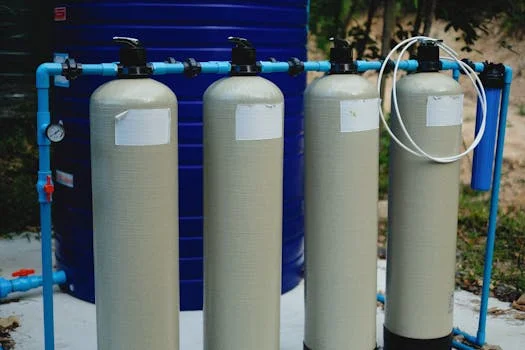
Selecting the optimal technology for PCB wastewater reclaim depends on several factors, including influent characteristics, desired recovery rates, capital expenditure (CapEx), operational expenditure (OPEX), and footprint. A comparative analysis of common treatment technologies—Reverse Osmosis (RO), Membrane Bioreactors (MBR), and Chemical Precipitation—highlights their suitability for the complex nature of PCB effluent.
Industrial RO systems for PCB wastewater reclaim, especially advanced configurations like VSEP, are highly effective, achieving water recovery rates of 95–99.5%. RO membranes provide superior removal of dissolved salts, heavy metals, and most organic compounds, producing high-quality permeate suitable for direct reuse or further polishing. However, RO systems demand rigorous pre-treatment to ensure TSS is below 50 mg/L, as they are highly susceptible to fouling by organics, suspended solids, and scaling agents. Regular chemical cleaning (e.g., weekly or bi-weekly) is essential to maintain membrane flux and extend membrane life, which typically ranges from 3–5 years.
MBR membrane modules for high-TSS PCB wastewater, such as HydropureWater’s DF Series, combine biological degradation with membrane filtration, making them ideal for mixed organic/metal streams. MBRs tolerate higher TSS concentrations (up to 10,000 mg/L) compared to RO, reducing the need for extensive primary clarification. They achieve water recovery rates of 90–95% and effectively remove organic load (COD) and suspended solids. While MBR effluent is generally high quality, it may require additional post-treatment (e.g., activated carbon or RO) to meet stringent heavy metal or very low COD discharge limits.
Chemical precipitation, a traditional primary treatment method, primarily focuses on removing heavy metals by converting them into insoluble hydroxides or sulfides. While it can reduce heavy metal concentrations significantly and recover 70–80% of the water, it often fails to meet strict discharge limits (e.g., copper <0.5 mg/L) without subsequent advanced treatment. Its effectiveness is also limited for complexed metals and high organic loads. Chemical precipitation alone is insufficient for modern PCB wastewater reclaim but serves as a crucial pre-treatment step in hybrid systems.
Hybrid systems, combining technologies like RO with evaporation/crystallization, can achieve 99.5% water recovery and enable zero liquid discharge (ZLD). However, these systems come with substantially higher capital expenditures, typically 3–5 times that of standalone RO systems (e.g., $2.5–4M for a 50 m³/h ZLD system versus $1.2–1.8M for standalone RO), due to the energy-intensive nature of evaporation and the complexity of crystallization units.
| Technology | Recovery Rate | CapEx (50 m³/h) | OPEX ($/m³) | Footprint (approx. m²) | Suitability for PCB Wastewater |
|---|---|---|---|---|---|
| Reverse Osmosis (RO) | 95–99.5% | $1.2–1.8M | $0.8–1.5 | 50–100 | Excellent for dissolved solids & metals, requires robust pre-treatment (TSS <50 mg/L). |
| Membrane Bioreactor (MBR) | 90–95% | $1.5–2.2M | $1.0–1.8 | 70–120 | Good for high organic load & TSS (up to 10,000 mg/L), may need polishing for trace metals. |
| Chemical Precipitation | 70–80% | $0.5–1.0M | $0.4–0.8 | 100–150 | Primary metal removal, insufficient for strict discharge limits alone, best as pre-treatment. |
| Hybrid ZLD (RO + Evaporation) | 99.5%+ | $2.5–4.0M | $2.0–3.5 | 150–250 | Achieves zero discharge, highest quality reuse, but with significant CapEx/OPEX. |
Compliance Checklist: Meeting China GB 8978-1996 and EPA Discharge Limits
Meeting regulatory discharge limits is paramount for PCB manufacturing facilities, with China GB 8978-1996 often setting stricter standards than those imposed by the U.S. EPA. A comprehensive compliance checklist is essential for environmental engineers to ensure their PCB wastewater reclaim system consistently meets legal requirements. For example, China GB 8978-1996 mandates a copper discharge limit of <0.5 mg/L, which is significantly more stringent than the EPA's typical limit of <1.3 mg/L for certain industrial categories. Understanding these differences is crucial for system design and operation.
Key parameters requiring diligent monitoring include heavy metals like copper, nickel, and cyanide, as well as fluoride and chemical oxygen demand (COD). RO permeate, due to its high rejection capabilities, typically meets the stringent GB limits for most heavy metals. However, specific contaminants like fluoride or ammonia may require additional post-treatment, such as ion exchange, to achieve the <10 mg/L GB limit for fluoride. MBR effluent, while effective in reducing COD, might necessitate further polishing through activated carbon filtration to consistently meet the GB 8978-1996 COD limit of <100 mg/L.
Regular sampling and analysis of the treated effluent are critical to demonstrate continuous compliance. Implementing online monitoring systems for key parameters (e.g., pH, ORP, conductivity, metal analyzers) provides real-time data, enabling rapid adjustments to treatment processes. adherence to comprehensive operational and maintenance protocols, including membrane cleaning schedules and chemical dosing optimization, is vital for sustained performance and compliance. For specific fluoride removal in semiconductor and PCB wastewater, specialized processes are often integrated.
| Parameter | GB 8978-1996 Limit (mg/L) | EPA Limit (mg/L) | Typical Reclaim System Effluent (mg/L) |
|---|---|---|---|
| Copper (Cu) | <0.5 | <1.3 | <0.1 |
| Nickel (Ni) | <1.0 | <3.98 | <0.2 |
| Cyanide (CN) | <0.5 | <1.2 | <0.05 |
| Fluoride (F) | <10 | <25 | <5 (post-IX) |
| COD | <100 | <200 | <50 (post-AC) |
| TSS | <30 | <50 | <5 |
| pH | 6–9 | 6–9 | 6.5–8.5 |
Implementing effective nickel removal strategies for electronic wastewater is also critical for compliance.
Cost-Benefit Analysis: ROI of PCB Wastewater Reclaim Systems
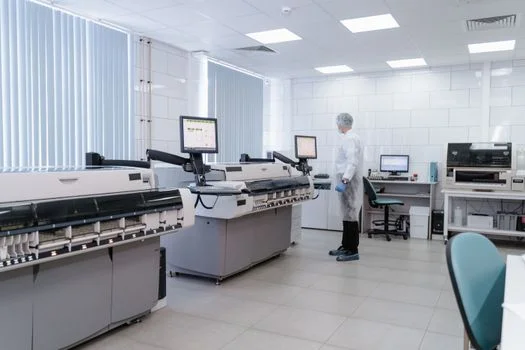
Investing in PCB wastewater water reclaim systems offers significant financial benefits by reducing operational costs and mitigating compliance risks, leading to a compelling return on investment (ROI). The capital expenditure (CapEx) for a typical 50 m³/h reclaim system varies based on the chosen technology. An RO-based system typically requires $1.2–1.8M, while an MBR system falls within the $1.5–2.2M range. More advanced hybrid ZLD systems, designed for near-total water recovery, represent a higher initial investment of $2.5–4M due to increased complexity and energy demands.
Operational expenditure (OPEX) is a critical factor in long-term cost analysis, encompassing energy consumption, chemical costs, membrane replacement, and labor. For RO systems, OPEX averages $0.8–1.5/m³, while MBR systems typically incur $1.0–1.8/m³. Hybrid ZLD systems, with their higher energy requirements for evaporation, see OPEX in the $2.0–3.5/m³ range. These costs are offset by substantial savings from reduced wastewater hauling and fresh water consumption. Hauling costs for non-compliant wastewater can range from $0.5–2.0/m³, and industrial fresh water costs typically range from $0.3–1.0/m³.
The ROI for RO and MBR systems is often achieved within 2–3 years, primarily driven by the elimination of hauling costs and the value of reclaimed water. While ZLD systems have a longer payback period of 5–7 years due to higher CapEx and OPEX, they offer unique advantages. ZLD eliminates all wastewater discharge risks, provides 99.5% water reuse, and can generate ultrapure water suitable for high-value applications like critical rinsing steps in PCB fabrication, where water quality directly impacts product yield and quality. This strategic value, coupled with enhanced sustainability credentials, often justifies the extended ROI for manufacturers committed to environmental leadership.
| System Type | CapEx (50 m³/h) | OPEX ($/m³) | Payback Period | Notes |
|---|---|---|---|---|
| Reverse Osmosis (RO) | $1.2–1.8M | $0.8–1.5 | 2–3 years | Best for achieving high-purity permeate from pre-treated low-TSS streams. |
| Membrane Bioreactor (MBR) | $1.5–2.2M | $1.0–1.8 | 2–3 years | Effective for high organic load and TSS streams; robust biological treatment. |
| Hybrid ZLD (RO + Evaporation) | $2.5–4.0M | $2.0–3.5 | 5–7 years | Eliminates all discharge, achieves 99.5% water reuse; highest CapEx/OPEX. |
Frequently Asked Questions
This section addresses common technical and commercial inquiries regarding PCB wastewater water reclaim systems, providing practical insights for environmental engineers and plant managers.
Q: What’s the biggest challenge in treating PCB wastewater for reclaim?
A: The biggest challenge lies in effectively treating metal complexes, such as copper-cyanide, which are resistant to traditional chemical precipitation. Achieving ultra-low concentrations, specifically <0.5 mg/L copper as required by China GB 8978-1996, typically necessitates advanced oxidation processes followed by membrane separation like reverse osmosis.
Q: Can RO systems handle high-TSS PCB wastewater?
A: No. Reverse osmosis (RO) systems require a very low total suspended solids (TSS) influent, typically <50 mg/L, to prevent membrane fouling and maintain efficiency. Therefore, robust pre-treatment steps, such as dissolved air flotation (DAF) and chemical dosing, are essential to remove a significant portion of TSS and extend membrane life to its typical 3–5 year operational span.
Q: What’s the typical recovery rate for PCB wastewater reclaim systems?
A: The typical water recovery rate varies by technology and influent quality. RO systems generally achieve 95–99.5% recovery, MBR systems attain 90–95% recovery, and hybrid zero liquid discharge (ZLD) systems can reach 99.5% or higher. High recovery rates are directly influenced by the efficiency of pre-treatment, with DAF systems alone removing 90–95% of TSS.
Q: How do reclaim systems impact sludge disposal costs?
A: While chemical precipitation in reclaim systems increases sludge volume by 20–30% compared to untreated wastewater, the subsequent dewatering process significantly reduces disposal costs. Utilizing equipment like a plate-and-frame filter press can achieve 30–40% cake solids, which effectively reduces the volume requiring off-site disposal by 50–70% compared to hauling liquid sludge, thereby lowering overall disposal expenses.
Q: Are there any incentives for PCB plants to adopt water reclaim systems?
A: Yes. In China, facilities meeting stringent environmental standards like GB 8978-1996 may qualify for tax rebates, potentially up to 15%. Additionally, local governments in water-stressed regions often provide subsidies, sometimes covering up to 30% of the CapEx, for the adoption of advanced water reclaim and ZLD systems to promote sustainable water management.
Related Equipment
- sludge dewatering press for PCB wastewater treatment — view specifications, capacity range, and technical data
Need a customized solution? Request a free quote with your specific flow rate and pollutant parameters.