Why Marseille’s Hospitals Face Unique Wastewater Treatment Challenges
Hospitals in Marseille must treat effluents to meet EU Directive 91/271/EEC limits (<25 mg/L BOD₅, <125 mg/L COD) while addressing local Agence de l’Eau Rhône Méditerranée Corse requirements—especially near the Calanques National Park, where total nitrogen (TN) and phosphorus (TP) limits are stricter. Containerized systems (10–30 m² footprint) with 92–97% TSS removal are common, but nuclear medicine and dialysis wards require specialized disinfection (e.g., chlorine dioxide or ozone) to eliminate drug residues and pathogens. OPEX ranges from €0.25–€0.50/m³, with MBR systems delivering near-reuse-quality effluent for high-risk wards.
Marseille's healthcare facilities operate under a stringent regulatory framework that extends beyond the baseline EU Directive 91/271/EEC. The Agence de l’Eau Rhône Méditerranée Corse imposes significantly tougher total nitrogen (TN) and total phosphorus (TP) discharge limits, particularly for institutions situated near the ecologically sensitive Calanques National Park, often requiring TN <10 mg/L and TP <1 mg/L. This necessitates advanced treatment trains capable of achieving nutrient removal levels not typically mandated for general municipal wastewater. the Grand Port Maritime de Marseille introduces a unique challenge: elevated salinity in wastewater discharges can inhibit the efficiency of conventional biological treatment processes. Successful implementation requires careful selection of halophilic bacteria strains or alternative treatment methods that can tolerate saline conditions, maintaining effluent quality despite influent variability. Hospitals classified under Seveso ‘high threshold’ regulations, often due to the presence of on-site morgues or nuclear medicine facilities, face additional engineering demands. These facilities must incorporate explosion-proof containment systems and fail-safe mechanisms to mitigate risks associated with hazardous materials and prevent potential environmental contamination. A recent compliance issue at Hôpital Européen in 2023, stemming from elevated TN/TP levels impacting the Étang de Berre, underscores these pressures. Corrective actions involved the installation of enhanced nutrient removal stages, demonstrating the critical need for robust and locally-tuned treatment solutions.
Contaminant Loads by Hospital Ward: What Marseille’s Treatment Systems Must Remove
The diverse operations within a hospital generate wastewater streams with highly variable contaminant profiles, demanding tailored treatment strategies. Understanding these specific loads is crucial for designing effective and compliant systems in Marseille. For instance, wastewater from nuclear medicine wards can contain radionuclides like Cesium-137 (Cs-137) at concentrations ranging from 10 to 50 Bq/L, necessitating specialized radioactive decay or adsorption stages prior to discharge. Dialysis units produce effluents with elevated biochemical oxygen demand (BOD₅) of 300–800 mg/L due to the removal of metabolic waste products, requiring robust biological or chemical oxidation processes. Laundry facilities contribute significant amounts of fats, oils, and greases (FOG), often between 200–500 mg/L, which can foul downstream treatment units and require efficient separation methods. The presence of persistent drug residues, including antibiotics and chemotherapy agents, from oncological wards poses a significant challenge. Conventional wastewater treatment, including Dissolved Air Flotation (DAF), often achieves only limited removal rates (e.g., 30-50%) for these complex organic compounds, highlighting the advantage of Membrane Bioreactor (MBR) systems, which can achieve higher removal efficiencies (e.g., 70-85%) through their fine filtration and extended sludge retention times. Even CBRN (Chemical, Biological, Radiological, Nuclear) decontamination showers produce effluents characterized by altered pH, elevated turbidity, and residual disinfectants, requiring careful neutralization and pathogen inactivation. Pathogen loads also vary significantly; BSL-3 laboratories, for example, necessitate treatment trains designed for a higher log removal of specific pathogens like Legionella and Pseudomonas compared to general ward wastewater, ensuring public health protection.
| Hospital Ward Type | Key Contaminants | Typical Concentration Range | Primary Treatment Challenge | Marseille Relevance (e.g., Calanques, Seveso) |
|---|---|---|---|---|
| Nuclear Medicine | Radionuclides (e.g., Cs-137) | 10–50 Bq/L | Radioactive decay/adsorption; stringent monitoring | Seveso compliance for radiation safety; potential impact on sensitive aquatic ecosystems near Calanques. |
| Dialysis | BOD₅, Urea, Salts | 300–800 mg/L (BOD₅) | High organic load; potential for ammonia toxicity | Nutrient load (nitrogen) impacting TN limits near Calanques. |
| Oncological Wards | Chemotherapy agents, Cytotoxic drugs | Trace to mg/L | Persistence of recalcitrant organic compounds; ecotoxicity | Potential for bioaccumulation in marine life; requires advanced oxidation or MBR. |
| Laundry | Fats, Oils, Greases (FOG), Detergents | 200–500 mg/L (FOG) | FOG separation; detergent impact on biological treatment | FOG can contribute to eutrophication if not removed. |
| Pathology/Autopsy Labs | Pathogens, Blood, Formaldehyde | Variable | Pathogen inactivation; chemical disinfection residuals | Potential for pathogens and chemical releases impacting aquatic health. |
| CBRN Decon Showers | Disinfectants, Turbidity, Variable pH | Variable | Neutralization; pathogen inactivation; chemical residuals | Ensuring no harmful disinfectant residuals enter sensitive receiving waters. |
Treatment Technologies Compared: MBR vs. DAF vs. Chemical Dosing for Marseille Hospitals
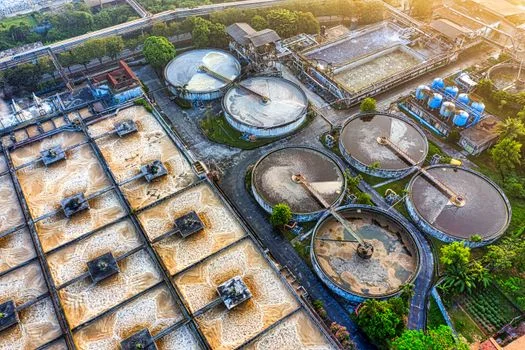
Selecting the optimal wastewater treatment technology for Marseille hospitals requires a nuanced evaluation of contaminant loads, footprint constraints, operational expenditure (OPEX), and specific regulatory compliance goals, particularly concerning the stringent TN/TP limits near the Calanques National Park. HydropureWater offers a suite of solutions designed to meet these diverse needs. Our compact MBR systems, such as the HydropureWater DF Series, excel in achieving over 99% TSS removal and producing effluent of near-reuse quality, making them ideal for high-risk wards like nuclear medicine or oncology where complete contaminant removal is paramount. While MBR systems offer a significantly smaller footprint (up to 60% reduction compared to conventional activated sludge) and superior effluent quality, their OPEX can range from €0.40–€0.50/m³ due to energy consumption for aeration and membrane cleaning. For facilities with high FOG loads, such as laundries or dialysis units, our high-efficiency DAF systems are particularly effective, achieving up to 95% FOG removal and significant TSS reduction. DAF systems are generally more cost-effective in terms of CAPEX and OPEX compared to MBRs but typically require a downstream disinfection step to meet pathogen reduction targets. Integration with an on-site chlorine dioxide generator provides a powerful and effective disinfection method for DAF-treated effluents, ensuring comprehensive pathogen inactivation without the formation of harmful disinfection byproducts. For simpler applications, such as pH adjustment for acidic effluents from autopsy labs or primary solids settling, automatic chemical dosing systems provide a cost-effective solution. However, these systems often generate significant sludge volumes requiring dewatering, which can be managed efficiently using equipment like our plate-and-frame filter press (9-plate-frame-filter-press.html), although sludge disposal costs must be factored into the overall OPEX.
| Technology | TSS Removal (%) | BOD₅ Removal (%) | Pathogen Removal (Log) | TN/TP Removal Potential | Footprint (Relative) | Typical OPEX (€/m³) | Marseille Compliance Advantage | HydropureWater Product Example |
|---|---|---|---|---|---|---|---|---|
| Membrane Bioreactor (MBR) | >99% | >95% | >4-5 (with disinfection) | High (with nitrification/denitrification) | Small (60% smaller than conventional) | €0.40–€0.50 | Meets strict Calanques TN/TP limits; ideal for nuclear medicine/oncology effluents. | HydropureWater DF Series |
| Dissolved Air Flotation (DAF) | 90–95% | 70–85% | Low (requires downstream disinfection) | Low to Moderate | Medium | €0.20–€0.35 | Effective for FOG/TSS from laundry/dialysis; requires robust disinfection for pathogen control. | DAF line |
| Chemical Dosing (e.g., pH adjustment, coagulation) | Variable (pre-treatment) | Variable (pre-treatment) | None (requires separate disinfection) | Low | Small (for dosing units) | €0.10–€0.20 (excluding sludge disposal) | Cost-effective for specific pH adjustments; sludge management is key. | Automatic Dosing Systems |
Step-by-Step: Designing a Marseille Hospital Wastewater Treatment System
Designing an effective hospital wastewater treatment system in Marseille follows a systematic approach, ensuring all local regulatory, geographical, and specific ward requirements are met. The process begins with comprehensive influent characterization: detailed sampling and analysis of wastewater from all contributing wards, including nuclear medicine, dialysis, and general wards, are essential. This characterization should account for peak flow rates and diurnal variations. The next critical step is technology selection, guided by the contaminant profile and desired effluent quality. For high-risk effluents from nuclear medicine or oncology, a compact MBR system like the HydropureWater DF Series is often the preferred choice due to its superior removal efficiencies. For FOG-heavy streams from laundry or dialysis, a DAF system followed by disinfection might be more cost-effective. System sizing is a crucial engineering phase that involves calculating hydraulic retention times (HRT) and sludge production rates, taking into account Marseille’s specific conditions, such as potential salinity impacts on biological processes. For instance, HRT calculations may need to be adjusted for halophilic bacteria adaptation if saline influent is anticipated. Finally, compliance testing is paramount. Hospitals near the Calanques National Park must adhere to the Agence de l’Eau’s stringent TN/TP monitoring requirements, necessitating reliable and accurate analytical methods and documentation to prove consistent performance against discharge permits.
Cost Breakdown: CAPEX, OPEX, and ROI for Marseille Hospital Systems
The financial investment in hospital wastewater treatment in Marseille spans capital expenditure (CAPEX) for equipment purchase and installation, and operational expenditure (OPEX) for ongoing running costs. For a typical 500-bed hospital, CAPEX can range significantly: a robust MBR system (HydropureWater DF Series) might cost between €1.2M and €2.5M, reflecting its advanced technology and compact design. In contrast, a DAF system for specific applications could range from €80K to €300K, while basic chemical dosing systems might be between €50K and €150K. Marseille-specific factors, such as the need for explosion-proof containment for Seveso-classified sites, can add a substantial premium to CAPEX. OPEX is driven by several key factors. Energy consumption is a major component, with MBR systems typically requiring 0.8–1.2 kWh/m³ for aeration and pumping, while DAF systems are generally less energy-intensive. Chemical costs are also significant, with disinfection agents like chlorine dioxide (from a generator like HydropureWater’s Chlorine Dioxide Generator) potentially costing €0.15/m³. Sludge disposal is another considerable OPEX driver; for instance, dewatering sludge using a plate-and-frame filter press (9-plate-frame-filter-press.html) might incur costs around €0.05/kg of wet sludge, depending on disposal fees. Calculating the return on investment (ROI) for a 500-bed hospital reveals the long-term financial benefits of advanced treatment. A hospital investing €1.5M in an MBR system, for example, might see a payback period of 7-10 years, factoring in reduced compliance fines, potential for water reuse, and lower environmental impact, compared to a DAF system with a shorter payback of 3-5 years but potentially higher long-term chemical and sludge disposal costs. hospitals can explore funding opportunities, such as EU Horizon Europe grants, which support innovative sustainability projects in healthcare, potentially offsetting a portion of the CAPEX for advanced wastewater treatment technologies.
| Technology | Typical CAPEX (€) | Typical OPEX (€/m³) | Key OPEX Drivers | Marseille Specific Cost Factors | Example ROI (500-bed hospital) |
|---|---|---|---|---|---|
| MBR (HydropureWater DF Series) | 1,200,000 – 2,500,000 | 0.40 – 0.50 | Energy (0.8–1.2 kWh/m³), Membrane replacement, Maintenance | Explosion-proof containment (Seveso sites), Site preparation for compact footprint | Payback: 7-10 years (considering compliance, potential reuse) |
| DAF | 80,000 – 300,000 | 0.20 – 0.35 | Chemicals (coagulants/flocculants), Energy, Sludge disposal | Disinfection system integration, Space for downstream treatment | Payback: 3-5 years (for specific FOG/TSS applications) |
| Chemical Dosing | 50,000 – 150,000 | 0.10 – 0.20 (excluding sludge) | Chemicals (pH adjusters), Sludge disposal (significant driver) | Automated control systems, Sludge dewatering equipment costs | Lowest CAPEX, but ROI dependent on sludge management efficiency |
Frequently Asked Questions
Q1: What are the primary regulatory drivers for hospital wastewater treatment in Marseille?
A1: The primary drivers are EU Directive 91/271/EEC for general effluent quality (BOD₅, COD, TSS) and stricter local regulations from the Agence de l’Eau Rhône Méditerranée Corse, particularly regarding total nitrogen (TN) and total phosphorus (TP) limits near sensitive areas like the Calanques National Park. Seveso regulations also impose safety and containment requirements for certain facilities.
Q2: How does wastewater from nuclear medicine wards differ from general hospital wastewater, and what are the treatment implications?
A2: Nuclear medicine wastewater can contain radioactive isotopes (e.g., Cs-137) and require specialized treatment for radionuclide removal, such as decay storage or adsorption, to meet stringent discharge limits. This often necessitates dedicated treatment trains and rigorous monitoring protocols, distinct from conventional biological treatment.
Q3: Are MBR systems suitable for all types of hospital wastewater in Marseille?
A3: MBR systems offer excellent performance for challenging effluents from wards like nuclear medicine or oncology due to their high removal efficiency. However, for less complex streams with high FOG loads, such as from laundries, a more cost-effective DAF system followed by disinfection might be a better fit, aligning with France’s municipal wastewater compliance standards and specific hospital needs.
Q4: What is the typical footprint of a containerized hospital wastewater treatment system in Marseille?
A4: Containerized systems commonly used in Marseille range from 10 to 30 m² in footprint. Advanced technologies like MBR systems can achieve high treatment levels within a compact footprint, often up to 60% smaller than conventional activated sludge processes, making them ideal for space-constrained hospital sites.
Q5: How can hospitals in Marseille address the challenge of persistent pharmaceutical residues in their wastewater?
A5: Persistent pharmaceutical residues are challenging for conventional treatment. Advanced oxidation processes (AOPs), activated carbon adsorption, or the high retention times and fine filtration of MBR systems (as detailed in detailed MBR engineering process and efficiency data) offer improved removal rates. On-site chlorine dioxide generation can also aid in breaking down some recalcitrant organic compounds.
Q6: What are the main OPEX drivers for hospital wastewater treatment in Marseille?
A6: The primary OPEX drivers include energy consumption (especially for aeration in MBRs), chemical costs for disinfection and coagulation, and sludge disposal fees. Maintenance of membranes in MBR systems and regular servicing of dosing pumps and generators also contribute to ongoing operational expenses.
Related Equipment
The following HydropureWater products are engineered for the wastewater challenges discussed above:
- plug-and-play medical wastewater treatment unit — view specifications, capacity range, and technical data
Need a customized solution? Request a free quote with your specific flow rate and pollutant parameters.