Treatment and Disposal of Industrial Waste in Nigeria
Treatment and disposal of industrial waste in Nigeria still leaves over 80% of hazardous industrial effluent without adequate treatment before discharge. Plants that close the gap combine physical-chemical steps, biological oxidation, and tertiary polishing so oil, grease, heavy metals, and organic load meet Federal Ministry of Environment and NESREA limits, with reuse as a second objective.
Why untreated industrial effluent remains a plant risk
Over 80% of hazardous industrial wastewater generated in Nigeria does not receive adequate treatment before discharge, according to studies cited across the sector. Untreated streams carry heavy metals, toxic organics, and high BOD/COD into rivers, lakes, and groundwater used for drinking and irrigation. Aquatic ecosystems lose oxygen and biodiversity, and nearby communities face waterborne disease and chronic toxin exposure.
Non-compliance also hits the balance sheet. Fines, temporary shutdowns, and lost offtake contracts cost more than a correctly sized treatment train for most mid-size factories we see. Recycling treated water for cooling or washdown cuts freshwater intake where municipal supply is unreliable. Long-term licence to operate in Nigeria is tied to measurable effluent control, not paperwork alone.
Key industrial sectors and their wastewater challenges in Nigeria
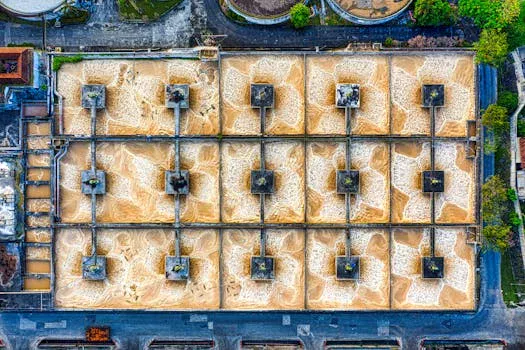
Nigeria’s major effluent generators sit in five sectors: oil and gas, food and beverage, textile, chemical manufacturing, and mining. Each stream needs its own design basis before equipment is selected.
- Oil & Gas: Produced water from Niger Delta operations carries salt, oil, grease, suspended solids, heavy metals, and naturally occurring radioactive materials (NORMs), plus carcinogenic organics. The Produced Water Society forecasts a doubling in produced water volumes globally over the next ten years, which raises the bar for compact oil–water separation and solids control.
- Food & Beverage: Breweries, dairies, and processors discharge high BOD/COD, fats, oils, grease, and swinging pH. Untreated discharge depletes dissolved oxygen in receiving waters within hours of a spill event.
- Textile: Dyeing and finishing release strong colour, synthetic dyes, chromium, copper, zinc, and elevated BOD/COD at variable pH. Colour and metals drive tertiary steps that food plants often skip.
- Chemical Manufacturing: Acids, alkalis, heavy metals, and refractory organics appear in the same day tank. COD spikes and acute toxicity usually rule out “one-size” activated-sludge packages without equalization and pretreatment.
- Mining: Acid mine drainage brings lead, arsenic, cadmium, high suspended solids, and low pH that leach into soil and groundwater if neutralization and clarification are undersized.
Essential technologies for industrial effluent control
Effective industrial wastewater treatment in Nigeria uses physical-chemical, biological, and advanced stages matched to the contaminants and the discharge or reuse target. Most plants we size for food and light chemical duty run at the lower end of hydraulic design until peak shifts are measured on site.
Physical-chemical treatment
Coagulation destabilizes particles, flocculation grows settleable flocs, and sedimentation or flotation removes them. Lamella clarifiers raise settling area inside a small footprint. High-efficiency DAF systems for industrial wastewater remove fine solids, oil, and grease on produced water and high-fat food streams. For process selection detail, see choosing between DAF clarifiers and other sedimentation technologies.
Biological treatment
Aerobic trains—activated sludge, MBBR, and compact MBR membrane bioreactor systems—cut BOD/COD where food and textile loads dominate. MBR pairs biology with membrane filtration for tighter effluent and a smaller tank farm. Anaerobic digestion suits very high organic strength and can yield biogas when gas handling is maintained. To pick between biofilm and membrane options, compare MBR and MBBR for industrial wastewater applications.
Advanced and tertiary treatment
UF, NF, and RO remove dissolved solids, pathogens, and selected micropollutants when reuse or strict discharge applies. UV or chlorine dioxide finishes disinfection. Activated carbon polishes colour, odour, and trace organics. These steps matter for plants aiming at high-quality reuse or near zero liquid discharge.
| Treatment Type | Key Technologies | Primary Contaminants Removed | Relevant Nigerian Industries |
|---|---|---|---|
| Physical-Chemical | Coagulation, Flocculation, Sedimentation (Lamella Clarifiers), DAF | Suspended Solids, Oil & Grease, Heavy Metals | Oil & Gas, Food & Beverage, Mining, Chemical Manufacturing |
| Biological | Activated Sludge, MBR, MBBR, Anaerobic Digestion | Organic Pollutants (BOD/COD), Nutrients | Food & Beverage, Textile, Chemical Manufacturing |
| Advanced/Tertiary | Membrane Filtration (UF, RO), Activated Carbon, Disinfection | Dissolved Solids, Trace Organics, Color, Pathogens | All industries requiring high-quality discharge or water reuse |
What compliance challenges affect advanced treatment plants?

Compliance challenges for advanced treatment plants in Nigeria centre on missing or idle effluent treatment plants, weak sampling records, and slow permit follow-through after inspection. The Federal Ministry of Environment sets national policy; State Environmental Protection Agencies enforce day-to-day. NESREA issues sector regulations and can seal facilities that keep discharging untreated wastewater after written directives.
According to NESREA statements reported in March 2026, a chemicals plant in Oyo was sealed after an 18 February 2026 inspection found no functional effluent treatment plant and a follow-up showed continued non-compliance. That pattern—complaint, inspection, abatement order, then seal—is the enforcement path operators should plan against. National standards still cover BOD, COD, suspended solids, pH, heavy metals, and oil and grease by sector. New projects need Environmental Impact Assessments and permits from FMEnv and the relevant SEPA.
FEPA’s National Interim Guidelines and Standards for Industrial Effluents remain a core reference for effluent limitations, intake water quality, emissions, noise, hazardous waste, and pollution abatement (PolicyVault listing of the January 2022 current version). Plants tied to export buyers may also map against World Bank Group or WHO practice notes. For parameter-level Nigeria rules, use the dedicated guide on Nigeria wastewater treatment regulations and effluent standards.
How should plants design an industrial wastewater disposal system?
An industrial wastewater disposal system in Nigeria starts with full wastewater characterization—flow, peaks, BOD/COD, oil and grease, metals, and toxicity—before any equipment quote. Technology choice then weighs removal efficiency, spare-parts access, and local O&M skill. For coarse solids, reliable rotary mechanical bar screens for pretreatment protect downstream pumps. Sludge volume drives opex; efficient sludge dewatering with filter presses cuts haulage cost when cake solids stay high.
Integrate pretreatment, primary clarification or DAF, secondary biology, and tertiary polish as one train with automated dosing and alarms. Robust automation matters where shift coverage is thin. Most Nigerian sites we commission keep redundancy on pumps and blowers rather than on every tank, because power quality and spare logistics dominate downtime.
Selection checklist for Nigerian industrial plants
- Measured peak and average flow in m3/d, not nameplate only
- Contaminant list with units and temperature conditions
- Discharge vs reuse quality target (NESREA/SEPA limits)
- Power reliability and chemical supply chain on site
- Sludge disposal route and cake handling cost
- Spare parts lead time for membranes, diffusers, and DAF pumps
- Permit path: EIA, FMEnv/SEPA approvals, monitoring plan
Water reuse and sustainable disposal pathways
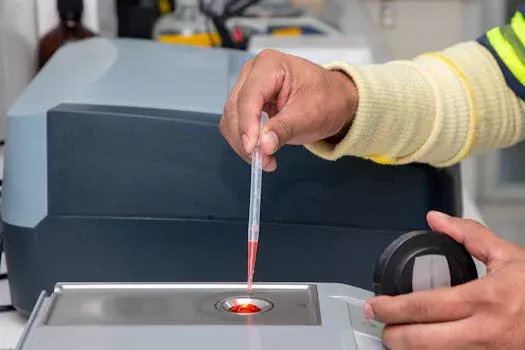
Sustainable industrial wastewater practice in Nigeria now treats effluent as a resource stream, not only a liability. Treated water can feed irrigation, cooling circuits, and boiler makeup when conductivity and organics stay inside process limits. Water reuse Nigeria-wide reduces freshwater stress and trucked water cost for inland factories. Resource recovery—biogas from anaerobic stages, or oil from DAF float—offsets part of the treatment opex when meters and maintenance are in place.
Who this is for / Next step
Plant engineers, EPC contractors, and procurement teams use this guide when specifying industrial effluent treatment and disposal in Nigeria for oil and gas, food, textile, chemical, or mining sites. Look elsewhere if you need only municipal sewage package plants with no industrial load. To match DAF, MBR, screening, and dewatering to your lab data and permit limits, request a technical quote with your wastewater analysis.
Frequently Asked Questions
What are the major challenges in industrial wastewater treatment in Nigeria?
Major challenges are the high share of untreated hazardous effluent, diverse pollutant mixes by sector, thin local spare-parts networks, uneven enforcement capacity, and scarce trained operators. Over 80% of hazardous industrial wastewater still lacks adequate treatment before discharge in commonly cited assessments. Plants that succeed invest first in characterization, then in trains that local staff can keep online.
Which Nigerian industries need the strictest effluent treatment?
Oil and gas, food and beverage, textile, chemical manufacturing, and mining need the strictest treatment because their loads combine organics, oils, metals, colour, or acidity. Produced water and acid mine drainage usually need multi-stage physical-chemical plus polishing. Food plants often prioritize DAF plus biology; dye houses add colour and metal removal.
How can factories stay compliant with NESREA and state rules?
Factories stay compliant by characterizing wastewater, installing a working effluent treatment plant, holding FMEnv/SEPA permits, and keeping monitoring records against NESREA sector limits. March 2026 NESREA enforcement shows plants without a functional treatment system can be sealed after failed follow-up inspections. Map your parameters against current Nigeria effluent standards before final design freeze.
What benefits do advanced systems bring to Nigerian factories?
Advanced systems deliver permit-ready effluent, lower pollution risk, and options for cooling or irrigation reuse that cut freshwater cost. They also reduce shutdown and fine exposure when regulators intensify inspections. Payback is strongest where water is trucked in or where export buyers audit discharge quality.
When is water reuse realistic for industrial sites in Nigeria?
Water reuse is realistic when tertiary treatment holds dissolved solids, pathogens, and residual organics inside the receiving process limits at site temperature and recovery rate. Cooling and washdown are the usual first uses; boiler feed needs tighter conductivity control.