Why Hospital Wastewater in Aarhus Requires Specialized Treatment
Hospitals in Aarhus treat wastewater using advanced systems like ozone oxidation and membrane bioreactors (MBR) to comply with EU Directive 91/271/EEC and Danish environmental standards. For example, the Egå Wastewater Treatment Plant uses ozone to break down medicine residues, achieving >95% removal of pharmaceuticals. These systems are designed for energy efficiency, with facilities like Aarhus Rewater generating surplus energy from wastewater. Costs range from €50,000 to €500,000 depending on capacity and technology, with ROI typically achieved within 5-7 years through reduced fines and operational savings.
Hospital effluent contains pharmaceutical concentrations 10 to 100 times higher than those found in domestic sewage, necessitating specialized treatment before it enters the municipal grid. In Aarhus, the discharge from large clinical facilities like Aarhus University Hospital (AUH) introduces a complex cocktail of antibiotics, analgesics, contrast agents, and disinfectants. Conventional municipal treatment plants are often not equipped to mineralize these recalcitrant organic compounds, leading to the discharge of micro-pollutants into the Bay of Aarhus. Research indicates that hospital wastewater contributes a significant input of pharmaceuticals into municipal wastewater, which can lead to endocrine disruption in aquatic ecosystems and the proliferation of antibiotic-resistant bacteria (AMR).
The Danish Environmental Protection Agency (EPA) and the EU Urban Waste Water Directive 91/271/EEC mandate that hospitals pre-treat effluent to prevent toxic shocks to municipal biological processes. Facilities in Aarhus face unique challenges due to seasonal variability in flow rates, often ranging from 100 to 300 m³/day, and fluctuating pollutant loads depending on clinical activity. Without decentralized treatment, these pollutants bypass standard activated sludge processes. Advanced systems are required to handle high Chemical Oxygen Demand (COD) and Biological Oxygen Demand (BOD) while specifically targeting the removal of active pharmaceutical ingredients (APIs) like carbamazepine and diclofenac, which are notoriously resistant to biological degradation.
Environmental and public health risks associated with untreated hospital effluent are a primary driver for the strict local regulations in Aarhus. The presence of multi-drug resistant pathogens in hospital sewage poses a direct threat to the regional water cycle. By implementing dedicated on-site treatment, hospitals can ensure that pathogens and pharmaceuticals are neutralized at the source, significantly reducing the environmental footprint of the healthcare sector in the Central Denmark Region.
EU and Danish Compliance Standards for Hospital Wastewater
The EU Urban Waste Water Directive 91/271/EEC requires mandatory pre-treatment for hospital facilities exceeding a population equivalent (PE) of 2,000 to ensure that industrial-grade pollutants do not compromise municipal infrastructure. In Denmark, the regulatory framework is even more stringent, with the Danish EPA setting specific discharge limits that hospitals must meet before their wastewater is accepted by utilities like Aarhus Vand. Compliance is not merely a recommendation; under the Danish Environmental Protection Act §80, non-compliant facilities face fines of up to €20,000 per violation and may be legally compelled to install immediate system upgrades.
Hospitals in Aarhus must adhere to specific concentration limits for core parameters. Typical requirements for hospital effluent discharge into the municipal sewer system include COD levels below 125 mg/L and BOD5 levels below 25 mg/L. pharmaceutical removal targets are increasingly becoming a part of the permitting process, with expectations often exceeding 90% removal for high-risk substances. The permitting process for a new or upgraded treatment system in Aarhus typically spans 6 to 12 months, requiring comprehensive wastewater characterization, detailed technical specifications of the proposed technology, and a robust monitoring plan.
Aarhus Vand enforces these standards through quarterly inspections and 24-hour composite sampling. This ensures that the hospital's discharge does not exceed the capacity of downstream municipal plants like Marselisborg or Egå. To understand how similar standards are applied across the continent, environmental engineers often look at how hospitals in Greece treat wastewater to meet EU standards, which highlights the universal move toward decentralized quaternary treatment stages.
| Parameter | Danish EPA Standard (Hospital Effluent) | Typical Municipal Limit (Aarhus) | Removal Target |
|---|---|---|---|
| Chemical Oxygen Demand (COD) | < 125 mg/L | < 75 mg/L | > 85% |
| Biological Oxygen Demand (BOD) | < 25 mg/L | < 15 mg/L | > 90% |
| Total Nitrogen (TN) | < 15 mg/L | < 8 mg/L | > 70% |
| Total Phosphorus (TP) | < 2 mg/L | < 0.5 mg/L | > 80% |
| Pharmaceuticals (e.g., Diclofenac) | > 90% Removal | N/A (Municipal Focus) | > 95% |
Advanced Technologies for Hospital Wastewater Treatment in Aarhus
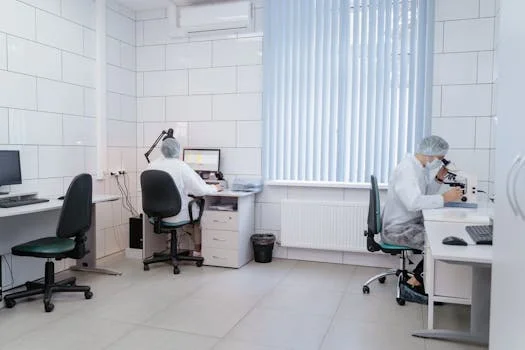
Ozone oxidation systems achieve pharmaceutical removal rates exceeding 95% by utilizing hydroxyl radicals to break down complex molecular structures that biological processes cannot digest. At the Egå Wastewater Treatment Plant in Aarhus, ozone technology is utilized as a quaternary treatment step, demonstrating an energy consumption profile of 0.5 to 1.2 kWh/m³. This technology is particularly effective for hospital settings because it provides simultaneous disinfection, eliminating 99% of pathogens without the need for hazardous chemical storage. For facilities requiring integrated disinfection, a compact hospital wastewater treatment system with ozone disinfection offers a modular solution that fits within existing facility footprints.
The Membrane Bioreactor (MBR) is another dominant technology in the Aarhus market, combining biological degradation with membrane filtration. MBR systems operate at high Mixed Liquor Suspended Solids (MLSS) concentrations of 8,000 to 12,000 mg/L, allowing for a much smaller footprint than conventional activated sludge systems—typically 60% less space is required. With a membrane pore size of 0.1 to 0.4 µm, an MBR system for high-efficiency hospital wastewater treatment ensures that virtually all suspended solids and bacteria are removed, producing high-quality permeate suitable for reuse in non-potable applications like cooling towers or irrigation. For a deeper dive into the mechanics, a detailed comparison of MBR and MBBR for hospital wastewater can help facility managers decide between fixed-film and membrane-based biological processes.
Chemical dosing remains a viable option for hospitals with lower capital expenditure budgets or those requiring flexible, intermittent treatment. Using a chemical dosing system for hospital wastewater disinfection, facilities can achieve 80-90% COD removal and 95% pathogen reduction through the controlled application of chlorine dioxide or powdered activated carbon (PAC). While the operational costs are higher due to chemical consumption and sludge production, the lower initial investment makes it attractive for smaller clinics. Hybrid systems, such as those piloted by the Danish Technological Institute, combine ozone with MBR or PAC to reach the highest possible purification levels, ensuring compliance even as EU regulations become stricter regarding micro-pollutants.
| Technology | Removal Efficiency (Pharma) | Energy Use (kWh/m³) | Footprint | Primary Advantage |
|---|---|---|---|---|
| Ozone Oxidation | > 95% | 0.5 - 1.2 | Medium | Superior micro-pollutant removal |
| MBR | > 80% (standalone) | 0.8 - 1.5 | Small | High-quality effluent for reuse |
| Chemical Dosing (ClO₂) | 60 - 80% | 0.3 - 0.7 | Small | Low capital cost; flexible |
| Hybrid (MBR + Ozone) | > 99% | 1.2 - 2.0 | Large | Future-proof compliance |
Cost Breakdown and ROI for Hospital Wastewater Treatment Systems in Aarhus
Capital expenditure for a hospital wastewater treatment system in Aarhus typically ranges from €50,000 for small specialty clinics to over €500,000 for large-scale general hospitals processing up to 1,000 m³/day. For a standard facility in Aarhus handling 200 m³/day, an ozone-based system generally requires an investment of €80,000 to €150,000, while a full-scale MBR plant may range from €120,000 to €300,000. These costs include engineering, equipment procurement, installation, and initial commissioning. In regions with different economic drivers, such as hospital wastewater treatment solutions in regions with emerging standards, the cost structures may vary, but the technical requirements for pharmaceutical removal remain consistent with global best practices.
Operational expenses (OpEx) are a critical factor in the long-term viability of the system. In Aarhus, OpEx typically fluctuates between €0.50 and €2.00 per cubic meter of treated water. This includes electricity for aeration and ozone generation, chemical consumables, membrane cleaning agents, and routine maintenance. The Egå Plant’s ozone system, for instance, reports an operational cost of approximately €0.80/m³. Hospitals can offset these costs through reduced municipal discharge fees, which in Aarhus can range from €0.20 to €0.50/m³. By treating wastewater to a higher standard on-site, hospitals often qualify for lower tariff brackets or avoid the "heavy polluter" surcharges levied by local utilities.
Return on Investment (ROI) is usually achieved within 5 to 7 years. The primary ROI drivers include the avoidance of environmental fines (up to €20,000/year), savings on municipal sewer taxes, and energy recovery. Aarhus University Hospital’s MBR system demonstrated a 6-year payback period by reducing discharge fees by 30% and utilizing heat recovery from the effluent to pre-heat domestic hot water. funding is often available through the Danish EPA’s environmental technology programs, which can cover up to 40% of the capital costs for innovative, energy-efficient solutions, or through EU Horizon Europe grants for projects targeting pharmaceutical-free discharge.
| Cost Category | Small Hospital (100-300 m³/day) | Large Hospital (300-1,000 m³/day) | Key Savings Drivers |
|---|---|---|---|
| Capital Cost (CapEx) | €50,000 - €200,000 | €200,000 - €500,000 | EPA Grants (up to 40%) |
| Operational Cost (OpEx) | €0.80 - €2.00 /m³ | €0.50 - €1.20 /m³ | Energy-efficient pumps/blowers |
| Maintenance/Parts | €3,000 - €8,000 /year | €10,000 - €25,000 /year | Remote monitoring/AI optimization |
| Est. ROI Period | 6 - 8 Years | 5 - 7 Years | Avoided fines & lower sewer fees |
How to Select the Right Hospital Wastewater Treatment System for Aarhus
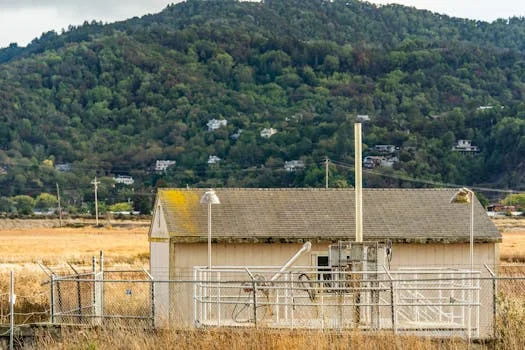
Wastewater characterization is the foundational step in selecting a treatment system, requiring 24-hour composite sampling to accurately profile the hospital's effluent. Engineers must test for COD, BOD, total nitrogen, phosphorus, and specific pharmaceutical markers like antibiotics and contrast media. In Aarhus, hospitals often find that their pollutant loads vary significantly between surgical centers and psychiatric units; therefore, the system must be designed to handle these specific chemical profiles. Once the characterization is complete, the design must account for flow variability. Systems should be sized to handle peak flows—often 2x the average daily flow—to ensure that no untreated bypass occurs during high-demand periods, such as morning laundry and sterilization cycles.
Space constraints and energy efficiency are the next critical considerations. For urban hospitals in Aarhus with limited land availability, MBR systems are often the preferred choice because they require 60% less space than conventional setups. A 200 m³/day MBR system can typically be housed in a 50 m² footprint, whereas a conventional system would require over 120 m². Energy efficiency is measured in kWh/m³, and with Denmark’s high electricity prices, selecting a system with low power consumption is paramount. Ozone systems at the Egå plant operate at 0.8 kWh/m³, making them highly competitive when compared to the 1.5 kWh/m³ often required by older, less efficient MBR designs.
Finally, the selection must account for future regulatory flexibility. As the EU moves toward stricter "polluter pays" models, a modular system that can be upgraded is essential. For example, an MBR system can be initially installed for solids and BOD removal and later augmented with an ozone or PAC stage as pharmaceutical limits become more stringent. Pilot testing for 3 to 6 months is highly recommended for large-scale installations in Aarhus. These trials validate the removal efficiencies for the hospital's specific effluent and allow for the fine-tuning of chemical dosing and aeration rates, ensuring that the full-scale deployment meets all Danish EPA requirements from day one.
| Selection Factor | Ozone Oxidation | MBR System | Chemical Dosing |
|---|---|---|---|
| Space Availability | Moderate | Very Low (Best for tight spaces) | Low |
| Primary Goal | Pharma removal/Disinfection | Solids removal/Water reuse | Low CapEx/Disinfection |
| Energy Efficiency | High (0.5-1.2 kWh/m³) | Moderate (0.8-1.5 kWh/m³) | Very High (0.3-0.7 kWh/m³) |
| Future-Proofing | Excellent for micro-pollutants | Good; can add tertiary stage | Limited; higher OpEx over time |
Frequently Asked Questions
- How effective are these systems at removing antibiotics and contrast agents? Advanced systems like ozone oxidation and MBR-PAC hybrids achieve over 95% removal for most pharmaceuticals, including persistent antibiotics and iodine-based contrast agents. This is significantly higher than the 20-30% removal rates typical of standard municipal treatment plants.
- What are the specific discharge limits for hospitals in Aarhus? While limits vary by permit, the Danish EPA generally requires hospital effluent to stay below 125 mg/L for COD and 25 mg/L for BOD. Additionally, many Aarhus permits now include specific reduction targets of 90% or higher for pharmaceutical residues before discharge to the municipal sewer.
- Is it possible to reuse treated hospital wastewater? Yes. When treated with MBR and UV or Ozone, the effluent meets high-quality standards suitable for non-potable reuse. Aarhus hospitals can utilize this water for toilet flushing, landscape irrigation, or cooling systems, significantly reducing their municipal water consumption and associated costs.
- What is the typical lifespan of an MBR or Ozone system? With proper maintenance, the structural and mechanical components of these systems last 20-25 years. Membranes in an MBR system typically require replacement every 5-8 years, while ozone generators may need electrode servicing every 3-5 years to maintain peak efficiency.
- How long does it take to achieve ROI on a hospital wastewater system in Aarhus? Most hospitals achieve a full return on investment within 5 to 7 years. This is driven by the elimination of environmental non-compliance fines, a 20-40% reduction in municipal sewage discharge fees, and potential energy savings from heat recovery systems integrated into the treatment process.
Further Reading
Explore these in-depth articles on related wastewater treatment topics: