Solar Cell CMP Wastewater Treatment: 2025 Engineering Specs, 99.9% Fluoride Removal & Cost-Optimized ZLD Systems
Solar cell CMP wastewater treatment requires specialized systems to handle high fluoride (500–2,000 mg/L), silica (300–1,500 mg/L), and metal (10–1,000 ppm) loads from saw damage removal and PSG etching processes. In 2025, zero liquid discharge (ZLD) systems combining chemical precipitation, DAF, and membrane filtration achieve 99.9% fluoride removal and <1 ppm metal effluent, meeting China GB 8978-1996 and EU BREF PV limits. CapEx ranges from $500K–$2M for 50–200 gpm systems, with OPEX of $0.80–$2.50/m³ treated.
For many factory managers, the frustration begins when standard neutralization systems fail to meet tightening discharge permits. A plant might pass its pH tests, but the persistent presence of colloidal silica and high fluoride concentrations leads to immediate compliance violations and costly membrane fouling in downstream reuse loops. Understanding the precise engineering parameters of these waste streams is the first step toward a stable, compliant facility.
Why Solar Cell CMP Wastewater Requires Specialized Treatment
Chemical-mechanical planarization (CMP) and associated texturing processes in solar cell manufacturing generate wastewater with fluoride concentrations peaking at 2,000 mg/L and silica loads exceeding 1,500 mg/L. These contaminants originate primarily from three stages: saw damage removal, where hydrofluoric and nitric acid (HF/HNO3) mixtures are used for multicrystalline wafers; alkaline texturing for monocrystalline wafers; and phosphorus silicate glass (PSG) etching. Each stage introduces unique chemical complexities that standard industrial wastewater plants are not equipped to handle.
A critical technical challenge lies in the particle size distribution of the CMP slurry. Approximately 90% of particles in CMP wastewater are smaller than 1 μm, typically ranging from 0.1 to 10 μm. This sub-micron colloidal silica is highly stable and resistant to traditional gravity settling, requiring advanced separation like ultrafiltration or a high-efficiency DAF system for CMP wastewater pretreatment. the presence of tetramethylammonium hydroxide (TMAH) in developer streams adds organic nitrogen loads that can be toxic to conventional biological treatment systems if not pre-treated.
Compliance risks are intensifying globally. Under China GB 8978-1996, fluoride limits are set at 10 mg/L, while the 2025 EU BREF PV draft standards push for nickel limits as low as 1 mg/L and copper at 0.5 mg/L. Failure to manage these specific parameters leads to regulatory fines and operational downtime.
| Contaminant Source | Primary Pollutants | Concentration Range | Particle Size / Form |
|---|---|---|---|
| Saw Damage Removal (Poly-Si) | Fluoride (F-), Nitrates (NO3-) | 500 – 2,000 mg/L | Dissolved Acid |
| Texturing (Mono-Si) | Silica (SiO2), NaOH/KOH | 300 – 1,500 mg/L | Colloidal (0.1–1.0 μm) |
| PSG Etching | Fluoride, Phosphates | 100 – 500 mg/L | Dissolved Salts |
| Metallization / Printing | Ag, Al, Ni, Cu | 10 – 1,000 ppm | Suspended & Dissolved |
Treatment Technologies for CMP Wastewater: Removal Efficiency, Footprint, and Costs
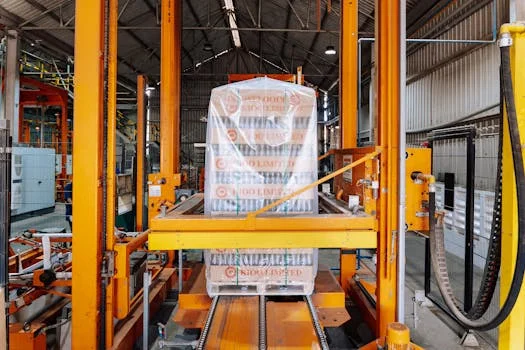
Chemical precipitation using calcium hydroxide (Ca(OH)2) and specialized coagulants achieves 90–95% fluoride removal but generates significant sludge volumes, typically between 0.5 and 1.2 kg per cubic meter of treated water. While this is the most common primary treatment, it rarely meets the <10 mg/L fluoride requirement on its own, necessitating secondary polishing. For plants with limited space, Dissolved Air Flotation (DAF) offers a smaller footprint than traditional clarifiers, achieving 92–97% TSS removal and up to 95% fluoride removal when coupled with precise PLC-controlled chemical dosing for CMP wastewater pH adjustment.
Advanced membrane technologies like Membrane Bioreactors (MBR) and Reverse Osmosis (RO) provide superior effluent quality. An MBR system for near-reuse-quality effluent in solar cell manufacturing can achieve 99% COD removal, but it remains highly sensitive to silica fouling. Engineering benchmarks suggest that feed water to RO membranes must maintain silica levels below 150 mg/L to prevent irreversible scaling. For heavy metal removal, electrocoagulation has emerged as a high-efficiency alternative, removing 90–98% of metals, though its energy consumption ($0.30–$0.60/m³) is higher than chemical methods.
| Technology | Fluoride Removal | Metal Removal | Footprint | OPEX ($/m³) |
|---|---|---|---|---|
| Chemical Precipitation | 90 – 95% | 80 – 90% | Large | $0.40 – $0.70 |
| Dissolved Air Flotation (DAF) | 85 – 95% | 70 – 85% | Medium | $0.50 – $0.85 |
| Membrane Bioreactor (MBR) | N/A (TSS/COD focus) | 95%+ (as solids) | Small | $0.80 – $1.20 |
| Reverse Osmosis (RO) | 95 – 99% | 99%+ | Medium | $1.00 – $1.50 |
| Electrocoagulation | 70 – 85% | 90 – 98% | Very Small | $0.90 – $1.60 |
Zero Liquid Discharge (ZLD) for CMP Wastewater: System Design and Cost Breakdown
Zero Liquid Discharge (ZLD) systems for solar manufacturing can recover 95% of process water while reducing fluoride effluent to less than 1 mg/L, effectively eliminating the risk of discharge violations. A standard 2025 ZLD configuration for CMP waste follows a rigorous sequence: chemical precipitation for bulk fluoride removal, followed by DAF for solids separation, ultrafiltration (UF), multi-stage RO, and finally a mechanical vapor recompression (MVR) evaporator or crystallizer. This architecture ensures that the high silica load is managed before it reaches the thermal concentration stage.
The economic feasibility of ZLD is driven by recovery rates and byproduct value. For a 100 gpm (approx. 22 m³/h) system, CapEx typically ranges from $1.2M to $1.8M. While the OPEX of $1.50–$2.20/m³ is higher than conventional discharge, the ability to reuse high-purity water reduces the plant's raw water procurement costs. the byproduct silica sludge (containing 50–60% SiO2) can be processed using a sludge dewatering press for CMP wastewater treatment byproducts and sold to glass manufacturers for $50–$100 per ton, partially offsetting operational costs. Recent pilot data from 2025 also indicates that integrating solar-powered ZLD systems for photovoltaic wastewater can reduce thermal energy costs by 30–40%.
| Cost Component (100 gpm ZLD) | Estimated Cost / Value | Percentage of OPEX |
|---|---|---|
| Chemicals (Caustic, Coagulants) | $0.40 – $0.70/m³ | 30% |
| Energy (Pumping & Evaporation) | $0.60 – $1.00/m³ | 45% |
| Labor & Maintenance | $0.30 – $0.50/m³ | 20% |
| Membrane Replacement (18-mo cycle) | $0.20 – $0.30/m³ | 5% |
| Total OPEX | $1.50 – $2.50/m³ | 100% |
Compliance Standards for Solar Cell CMP Wastewater: China GB, EU BREF, and EPA Limits
China GB 8978-1996 mandates a fluoride discharge limit of 10 mg/L, while the 2025 EU BREF PV draft proposes a stricter nickel limit of 1 mg/L for photovoltaic facilities. In the United States, the EPA sets a secondary Maximum Contaminant Level (MCL) for fluoride at 4 mg/L, though actual discharge limits are governed by state-level NPDES permits which often mirror these federal guidelines. According to a 2024 industry survey, 60% of solar cell plants have faced challenges exceeding fluoride limits, and 30% of ZLD systems report unplanned downtime due to silica scaling in RO units.
To maintain compliance, engineers must follow strict sampling protocols. Metals require composite sampling to account for batch variations in metallization lines, while fluoride should be measured via grab samples analyzed through EPA Method 300.0 (Ion Chromatography) or 200.7 (ICP-AES). Implementing a 2025 compliance standards for monocrystalline silicon wastewater strategy involves not just treatment, but real-time monitoring of influent spikes to prevent breakthrough in the final effluent.
| Parameter | China GB 8978-1996 | EU BREF PV (2025 Draft) | US EPA (NPDES Typical) |
|---|---|---|---|
| Fluoride (F-) | ≤ 10 mg/L | ≤ 15 mg/L | ≤ 4.0 mg/L |
| Total Nickel (Ni) | ≤ 1.0 mg/L (Class I) | ≤ 1.0 mg/L | ≤ 0.5 – 1.0 mg/L |
| Total Copper (Cu) | ≤ 0.5 mg/L | ≤ 0.5 mg/L | ≤ 0.25 – 1.0 mg/L |
| Total Suspended Solids | ≤ 70 mg/L | ≤ 35 mg/L | ≤ 30 mg/L |
How to Select the Right CMP Wastewater Treatment System for Your Plant
Selecting a CMP wastewater system for solar plants requires a balance between the $2.50/m³ OPEX of ZLD and the lower CapEx of basic chemical precipitation systems. The decision framework begins with flow rate: small-scale R&D lines (<50 gpm) often benefit from batch chemical precipitation systems which cost 20–30% less than continuous systems. However, for large-scale manufacturing (>200 gpm), the automation and consistency of a continuous ZLD system are essential to prevent catastrophic compliance failures.
Process engineers should also evaluate vendors based on their ability to provide engineering specs for photovoltaic etching wastewater treatment that include silica mitigation. A modular system design allows for easier scaling as production capacity increases. automation levels (PLC vs. manual) significantly impact long-term reliability; automated dosing systems reduce chemical waste by up to 15% and ensure that pH fluctuations do not compromise fluoride precipitation kinetics.
| Plant Scale | Recommended Configuration | Estimated CapEx | Key Selection Driver |
|---|---|---|---|
| Small (<50 gpm) | Batch Precipitation + DAF | $200K – $400K | Low initial investment |
| Medium (50–200 gpm) | Continuous DAF + RO Polish | $500K – $1.2M | Compliance consistency |
| Large (>200 gpm) | Full ZLD with MVR Evaporation | $2.0M – $4.0M | Water reuse & Zero Risk |
Frequently Asked Questions
What is the typical fluoride concentration in solar cell CMP wastewater?
Influent fluoride levels typically range from 500 to 2,000 mg/L. This varies based on the texturing method: multicrystalline processes using HF/HNO3 generate higher acid concentrations, while monocrystalline processes are more alkaline but still contain significant fluoride from PSG etching stages.
Can CMP wastewater be treated with biological systems?
Generally, no. High fluoride concentrations (above 10-20 mg/L) are toxic to most microorganisms, and colloidal silica causes rapid fouling of biological membranes. Pretreatment via chemical precipitation or DAF is mandatory before any biological stage like MBR can be considered for organic removal.
What is the cost difference between batch and continuous CMP wastewater treatment systems?
Batch systems are typically 20–30% cheaper in terms of CapEx ($150K–$300K vs. $200K–$400K for small flows) but require more intensive manual labor and larger tank footprints. Continuous systems offer better process control and are standard for flows exceeding 50 gpm.
How often do RO membranes need replacement in CMP wastewater treatment?
In a well-managed system where silica is kept below 150 mg/L in the feed, RO membranes typically last 12 to 24 months. If silica scaling occurs due to pretreatment failure, membranes can be fouled irreversibly within weeks.
What are the most common compliance violations for solar cell wastewater?
Fluoride is the most frequent violation, with approximately 60% of plants exceeding China GB limits during peak production. Silica scaling in RO units is the leading cause of system failure in ZLD plants, affecting roughly 30% of installations.