In Peru, dissolved air flotation (DAF) systems achieve 92–97% COD removal and 95%+ TSS reduction for industrial wastewater, as proven in PetroPerú’s Talara refinery upgrade (2022). Local systems cost S/ 500K–S/ 5M depending on capacity (4–300 m³/h) and compliance with Ministerio del Ambiente’s DS 015-2015-MINAM standards. This guide details engineering specs, cost benchmarks, and case studies from Talara and Callao to help engineers select and optimize DAF for Peruvian conditions.
How DAF Systems Work: Engineering Principles for Peruvian Conditions
Micro-bubble formation between 20 and 50 μm is the fundamental mechanism driving the efficiency of a daf system in peru, particularly when separating low-density contaminants such as emulsified oils and light suspended solids. The process relies on the injection of air into a pressurized recycle stream (typically 4–6 bar), which, upon release into the flotation tank, creates a "white water" effect. These micro-bubbles attach to chemically flocculated particles, reducing their apparent density and forcing them to the surface for mechanical skimming.
Engineering parameters must be adjusted for Peru’s unique geography. High-altitude regions like Arequipa or the Andean mining belt have lower atmospheric pressure than sea level in Callao. According to Henry’s Law, air solubility in water decreases as pressure drops; therefore, a DAF system operating at 2,500 meters above sea level requires a 15–20% increase in the air-to-solids (A/S) ratio or higher saturation pressures to maintain the same bubble density as a coastal installation. Temperature variations along the coast (15–28°C) influence water viscosity, requiring adjustable chemical dosing systems for DAF optimization in Peru to ensure consistent floc formation.
Removal efficiencies for industrial wastewater in Peru typically reach 92–97% for Chemical Oxygen Demand (COD) and over 99% for fats, oils, and grease (FOG). This performance is superior to induced air flotation (IAF), which generates larger bubbles (100–500 μm) that lack the surface area-to-volume ratio necessary to capture fine colloidal particles. For Peruvian engineers, the selection of bubble size is the primary lever for meeting strict environmental discharge limits.
| Parameter | DAF Specification (Standard) | Impact of Peru High Altitude | Target Removal Efficiency |
|---|---|---|---|
| Bubble Size | 20–50 μm | Requires higher saturation pressure | 95% TSS |
| Hydraulic Loading | 5–15 m³/m²/h | Lower loading rates recommended | 92–97% COD |
| Air Saturation Pressure | 4.5–6.0 bar | Increase by 0.5–1.0 bar | 99% Oils/Grease |
| Recycle Ratio | 10–30% | Higher ratio for high-altitude sites | N/A |
Peru’s DAF Compliance Standards: What Engineers Must Know
Ministerio del Ambiente’s DS 015-2015-MINAM establishes the Maximum Permissible Limits (LMP) for effluent discharges in the industrial sector, making high-efficiency treatment mandatory for refineries, food processors, and manufacturing plants. For many facilities, a DAF system is the only viable primary treatment stage capable of reaching the required TSS levels of less than 50 mg/L and oil concentrations below 10 mg/L before the water enters municipal sewers or natural bodies.
Beyond national standards, specific entities like PetroPerú and SUNASS (Superintendencia Nacional de Servicios de Saneamiento) impose even more rigorous internal specifications. For instance, refinery wastewater treatment must often target COD levels below 150 mg/L and sulfides under 1 mg/L to prevent downstream biological process inhibition. Procurement teams must ensure that the DAF system design includes automated sensors and logging capabilities to satisfy the documentation requirements for Environmental Impact Assessments (EIA) and periodic compliance audits by OEFA (Organismo de Evaluación y Fiscalización Ambiental).
| Regulating Body | Standard/Regulation | Key Parameter Limit | DAF Role |
|---|---|---|---|
| MINAM | DS 015-2015-MINAM | Oils & Grease < 10 mg/L | Primary removal mechanism |
| PetroPerú | Internal Refinery Spec | COD < 150 mg/L | Pre-biological polishing |
| SUNASS | Municipal Discharge | BOD < 30 mg/L (Surface water) | Solids/Organics reduction |
| Produce | Fisheries/Food Sector | TSS < 50 mg/L | High-rate clarification |
DAF System Costs in Peru: 2025 Vendor Pricing and ROI Calculator
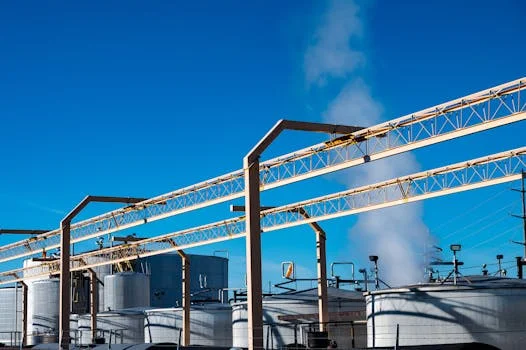
Capital expenditure for DAF systems in Peru ranges from S/ 500,000 for small-scale 4 m³/h units to over S/ 5,000,000 for high-capacity 300 m³/h refinery-grade installations. These costs are influenced by material selection—where 304 or 316L stainless steel is standard for coastal plants to resist salt-air corrosion—and the level of automation required. When budgeting, Peruvian firms must account for an 18% import duty for equipment sourced from non-Andean Community suppliers, though high-efficiency DAF systems for Peruvian industrial wastewater often offset these costs through lower long-term chemical consumption.
A typical budget breakdown for a Peruvian DAF project includes 60% for the equipment itself, 20% for local civil works and installation, 15% for the initial year of coagulants and flocculants, and 5% for permitting and environmental consulting. While local vendors may offer lower upfront pricing, imported systems from specialized manufacturers typically provide 5-year warranties and higher energy efficiency, which is critical given Peru's industrial electricity tariffs. A 50 m³/h system treating food processing wastewater (S/ 1.2M investment) can yield an ROI in under four years by reducing sludge disposal volumes and avoiding OEFA fines (HydropureWater field data, 2025).
| System Capacity | Estimated Cost (Soles) | Annual OPEX (Soles) | Estimated ROI |
|---|---|---|---|
| Small (4–10 m³/h) | S/ 500,000 – 750,000 | S/ 45,000 | 3.5 Years |
| Medium (20–60 m³/h) | S/ 1,000,000 – 1,800,000 | S/ 120,000 | 4.0 Years |
| Large (100–300 m³/h) | S/ 3,000,000 – 5,000,000 | S/ 350,000 | 4.5 Years |
Case Study: How PetroPerú’s Talara Refinery Upgraded Its DAF System
The 2022 modernization of the Talara refinery’s wastewater plant integrated DAF technology to manage oily water streams exceeding 400 mg/L of total petroleum hydrocarbons (TPH). Prior to the upgrade, the facility struggled with variable flow rates (30–80 m³/h) and frequent clogging of downstream filters caused by emulsified oil that traditional API separators could not capture. The challenge was exacerbated by the high ambient temperatures of northern Peru, which affected the stability of chemical flocs.
The engineering solution involved the installation of a high-rate DAF system with a 100 m³/h capacity, utilizing a 40 μm bubble size and automated surface skimmers. By maintaining a precise pH range of 6.5–7.5 through automated dosing, the system achieved 98% oil removal and a 95% reduction in TSS. This upgrade not only ensured compliance with PetroPerú’s internal environmental standards but also resulted in a 30% reduction in chemical coagulant usage. The success of this project highlights the importance of real-time monitoring of the air-saturation system to prevent performance dips during peak flow events.
DAF vs. Sedimentation vs. MBR: Which System Fits Your Peruvian Plant?
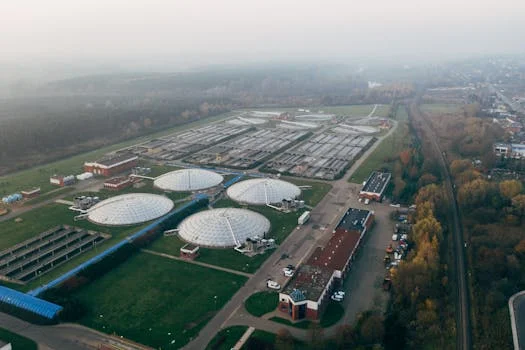
Dissolved air flotation requires 50-70% less physical footprint than conventional gravity sedimentation tanks while offering superior removal of low-density particles like emulsified oils. In many Peruvian urban industrial zones, such as the Callao port area or Lima’s industrial parks, land availability is a major constraint, making DAF the preferred choice over large sedimentation basins. However, for applications involving heavy inorganic solids—common in the mining sector—high-efficiency sedimentation remains the more cost-effective primary step before DAF polishing.
For plants targeting water reuse, MBR systems as an alternative to DAF for Peruvian plants provide the highest effluent quality (99% TSS removal) but come with significantly higher capital and operational costs. DAF is most effective as a pretreatment step to protect MBR membranes from oil fouling or as a standalone solution for meeting discharge LMPs. Engineers must evaluate the detailed cost comparison of DAF and sedimentation to determine if the footprint savings justify the energy costs of the DAF recycle pump.
| Feature | DAF System | Sedimentation Tank | MBR System |
|---|---|---|---|
| Footprint | Small (2–5 m²/m³) | Large (5–10 m²/m³) | Minimal (1–3 m²/m³) |
| Oil Removal | Excellent (99%) | Poor (Emulsions fail) | Moderate (Membrane risk) |
| Chemical Need | High (Coagulants) | Moderate (Polymers) | Low (Cleaning only) |
| Best Use Case | Refineries, Food, Ports | Mining, Heavy Solids | Municipal Reuse |
Troubleshooting DAF Systems: Lessons from Callao Port’s Optimization
High salinity levels at Callao port, averaging 35,000 mg/L, significantly impact air solubility and bubble-floc adhesion in DAF systems. During an optimization project at a port-side facility, operators reported inconsistent effluent quality and a failure to maintain a stable sludge blanket. The root cause was identified as the high chloride concentration, which increased the surface tension of the water and prevented the 20–50 μm bubbles from effectively attaching to organic contaminants.
The optimization strategy involved adjusting the recycle ratio to 25% and implementing pH stabilizers to maintain a range of 6.8–7.2. These adjustments, combined with the installation of automated skimmers, led to a 90% reduction in scum buildup and a 20% decrease in overall chemical costs. Industrial wastewater treatment solutions in tropical