Silicon Wafer Wastewater Water Reuse: 2025 Engineering Blueprint with 99.8% Recovery & Cost Breakdown
Silicon wafer manufacturing generates wastewater with high turbidity (500–3,000 NTU), silicon particles (50–200 μm), and variable chemistries from CMP (chemical-mechanical planarization) processes. Hybrid zero-liquid-discharge (ZLD) systems combining microfiltration (0.1–0.45 μm pore size), reverse osmosis (RO), and electrodeionization (EDI) achieve 99.8% water recovery, reducing freshwater consumption by 2,000 m³/day in real-world plants. CAPEX ranges from $1.5M–$4M for a 500 m³/day system, with OPEX of $0.80–$1.50/m³, delivering ROI in 2–4 years through water savings and compliance avoidance (HydropureWater field data, 2025).
Why Silicon Wafer Plants Need Water Reuse: Water Scarcity, Costs, and Regulatory Pressures
Silicon wafer production is one of the most water-intensive processes in the microelectronics industry, consuming between 5–15 m³ of ultrapure water (UPW) per 300mm wafer, according to the SEMI S23-0717 standard. In a typical fabrication plant (fab), this translates to millions of gallons of water used daily for cleaning, etching, and chemical-mechanical planarization (CMP). CMP wastewater is particularly problematic, containing 50–200 μm silicon particles, heavy metals such as Copper (Cu) and Aluminum (Al), and complex organic solvents like Isopropyl Alcohol (IPA) and various glycols. Turbidity often exceeds 1,000 NTU, making direct discharge impossible without extensive treatment.
Global regulatory frameworks are tightening the "noose" on semiconductor discharge. In China, the GB 31573-2015 standard mandates Chemical Oxygen Demand (COD) levels below 50 mg/L and Total Suspended Solids (TSS) below 30 mg/L for semiconductor facilities. Similarly, the EU Industrial Emissions Directive (2010/75/EU) and US EPA pretreatment standards require stringent removal of toxic metals and organics. Beyond compliance, the economic argument for water reuse has never been stronger. In water-stressed regions like Taiwan, Singapore, and parts of the Western US, freshwater costs range from $2–$5/m³, with additional wastewater discharge fees of $0.50–$2/m³. Implementing a hybrid ZLD system for semiconductor wastewater reuse transforms a liability into a stable, internal water source, insulating the plant from municipal price hikes and supply volatility.
Characteristics of Silicon Wafer Wastewater: What Makes It Unique and Challenging
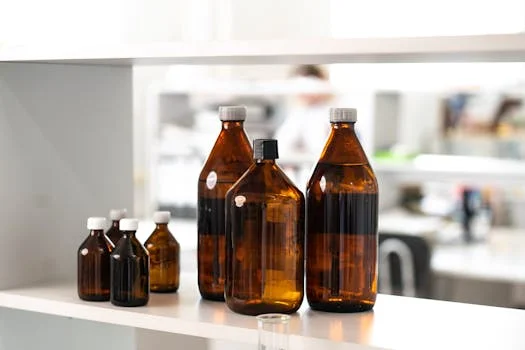
Designing an effective water reuse system requires a granular understanding of the wastewater’s physical and chemical profile. Silicon wafer wastewater is characterized by a wide particle size distribution and extreme pH swings. Back-grinding and dicing operations produce relatively large silicon particles (50–200 μm), while CMP slurries introduce sub-micron particles (0.1–10 μm) and colloidal silica (<0.1 μm) that are notoriously difficult to settle or filter using traditional gravity-based methods.
Chemical variability is another hurdle. Depending on the specific manufacturing step, pH levels can fluctuate between 2 (acidic cleaning) and 12 (alkaline CMP). COD concentrations typically range from 500 to 2,000 mg/L, while Total Organic Carbon (TOC) levels sit between 100–500 mg/L. Metals like Copper, Nickel, and Aluminum are often present at 5–50 mg/L. temperature fluctuations (20–40°C) significantly impact treatment efficiency. High temperatures can reduce the viscosity of water, increasing membrane flux, but they also accelerate membrane fouling and affect the stability of coagulants used in pretreatment. Turbidity spikes of up to 3,000 NTU during peak dicing operations necessitate robust pretreatment to prevent the catastrophic fouling of downstream RO membranes.
| Parameter | Back-Grinding/Dicing | CMP Wastewater | Combined Reclaim Target |
|---|---|---|---|
| Particle Size | 50–200 μm | 0.1–10 μm | <0.05 μm |
| Turbidity (NTU) | 500–1,500 | 1,000–3,000 | <0.1 NTU |
| pH Range | 6.5–8.5 | 2.0–12.0 | 6.5–7.5 |
| COD (mg/L) | <100 | 500–2,000 | <5 (Pre-RO) |
| Metals (Cu, Al) | Trace | 5–50 mg/L | <0.01 mg/L |
Step-by-Step Water Reuse Process: From Wastewater to Ultrapure Water
Achieving high recovery rates requires a multi-stage approach where each step protects the next. The following process flow is the industry standard for high-performance silicon wafer water reclamation:
1. Pretreatment: The process begins with a rotary mechanical bar screen to remove >95% of large silicon shards (50–200 μm). Following screening, a high-efficiency DAF system for silicon particle removal is utilized. By injecting micro-bubbles, the DAF unit floats suspended solids and CMP slurry particles to the surface, reducing TSS to <50 mg/L and protecting the subsequent membrane stages from abrasive wear.
2. Microfiltration/Ultrafiltration: To remove colloidal silica and residual TSS, 0.1 μm PVDF membranes for colloidal silica removal are employed. These membranes operate at flux rates of 50–80 LMH (liters per square meter per hour). Fouling is mitigated through automated air-scouring and chemically enhanced backwashes (CEB) every 30–60 minutes, ensuring the Silt Density Index (SDI) remains below 3 before entering the RO stage.
3. Reverse Osmosis (RO): The RO stage is the primary desalination step. Utilizing RO systems for ion removal in semiconductor water reuse, the system achieves up to 95% recovery of the UF permeate. Operating at 10–20 bar, the RO permeate typically exhibits a conductivity of <10 μS/cm, removing over 99% of dissolved ions and organics. For a detailed guide to RO technology for water reuse, engineers should focus on membrane selection that balances high rejection with low-energy operation.
4. Electrodeionization (EDI): For plants requiring UPW-grade water, EDI polishes the RO permeate to a resistivity of 18 MΩ·cm. This electrochemical process consumes 0.5–1 kWh/m³ and eliminates the need for hazardous resin regeneration chemicals. Scaling risks are managed by maintaining low hardness in the RO permeate.
5. Disinfection: To prevent biofouling in the distribution loop, a chlorine dioxide generator or ozone system provides residual microbial control. Chlorine dioxide is preferred for its ability to penetrate biofilms without producing significant trihalomethanes (THMs).
Hybrid ZLD System Design: Achieving 99.8% Recovery with UF + RO + EDI
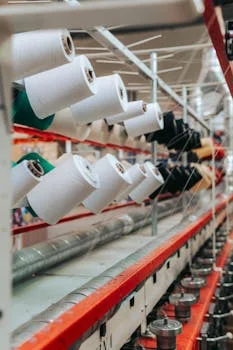
The "Hybrid ZLD" approach is the pinnacle of water efficiency in the semiconductor sector. By integrating UF, multi-stage RO, and EDI, plants can push recovery rates to 99.8%, essentially closing the water loop. A validated system design (adapted from the Megaflux-CUF framework) utilizes a 2,000 m³/day capacity to stabilize water quality even during high-load CMP cycles.
In this design, the UF stage uses 0.1 μm PVDF membranes with a high flux of 70–90 LMH. The RO stage is configured in a 2-stage array: the first stage achieves 75% recovery, and the second stage processes the brine from the first to achieve an additional 50% recovery. To prevent scaling at these high recovery levels, an PLC-controlled chemical dosing system for CMP wastewater precisely injects antiscalants at 2–5 mg/L. The final EDI stage removes the remaining 5-10% of salts. The tiny fraction of remaining brine (0.2%) is sent to a crystallizer or evaporation pond, achieving true zero liquid discharge. While the energy consumption for brine crystallization is high (10–20 kWh/m³ of brine), the volume is so small that the total plant energy impact remains manageable.
| System Stage | Equipment/Media | Engineering Parameter | Performance Outcome |
|---|---|---|---|
| Pre-Filtration | DAF | Recycle Ratio: 10-15% | TSS < 20 mg/L |
| Clarification | UF (DF Series) | Flux: 75 LMH; 0.1 μm | SDI < 2.5; Turbidity < 0.1 |
| Demineralization | 2-Stage RO | Pressure: 15 bar | 99.5% Salt Rejection |
| Polishing | EDI Module | Voltage: 300 VDC | 18 MΩ·cm Resistivity |
Cost Breakdown: CAPEX, OPEX, and ROI for 500 m³/day Water Reuse Systems
Procurement teams must weigh the initial investment against long-term operational savings. For a 500 m³/day system involving UF, RO, and EDI, CAPEX typically ranges from $1.5M to $4M. Larger systems (e.g., 2,000 m³/day) benefit from economies of scale, with CAPEX ranging from $3M to $8M. These figures include equipment, installation, and automation integration.
OPEX is the more critical metric for long-term viability. A well-designed system operates at $0.80–$1.50/m³. This includes energy ($0.30–$0.60/m³), chemical consumables ($0.20–$0.40/m³), labor ($0.10–$0.20/m³), and membrane replacement ($0.20–$0.30/m³). When compared to the combined cost of freshwater purchase and wastewater discharge (which can exceed $6/m³ in some regions), the ROI is typically achieved within 2 to 4 years. For a deeper dive into these numbers, consult cost benchmarks for industrial water reuse projects. Energy consumption for the entire UF+RO+EDI train is 1.5–3 kWh/m³, which is higher than conventional treatment (0.5–1 kWh/m³) but justified by the high-value water produced.
| Cost Component | Estimated Cost (per m³) | % of Total OPEX |
|---|---|---|
| Electrical Energy | $0.45 | 40% |
| Chemical Dosing | $0.30 | 27% |
| Membrane Replacement | $0.25 | 22% |
| Maintenance & Labor | $0.12 | 11% |
| Total OPEX | $1.12 | 100% |
Equipment Selection Guide: Choosing the Right Technology for Your Plant
Selecting the right equipment requires a decision framework based on your specific wastewater profile. If your TSS is consistently above 500 mg/L, a DAF system is mandatory to prevent clogging the UF membranes. For coarse particles from dicing, rotary screens are the most cost-effective first line of defense. When it comes to membranes, UF is the standard for colloidal silica, but if your wastewater contains high concentrations of organic solvents, Nanofiltration (NF) may be required as an intermediate step to protect the RO membranes from organic fouling.
Automation is the "brain" of the system. For CMP wastewater, which can change chemistry in minutes, an automatic chemical dosing system with real-time pH and ORP feedback loops is essential. This ensures that coagulants and antiscalants are always optimized, preventing both chemical waste and membrane damage. Finally, brine management selection depends on volume: evaporation ponds are suitable for small flows (<100 m³/day), but large-scale plants (>500 m³/day) should invest in mechanical vapor recompression (MVR) crystallizers to minimize the footprint and ensure ZLD compliance.
| Challenge | Recommended Technology | Selection Criteria |
|---|---|---|
| High Silicon Solids | Rotary Screen (GX Series) | Particle size > 50 μm |
| Colloidal CMP Slurry | DAF + UF (DF) | Turbidity > 1,000 NTU |
| Ionic Contaminants | 2-Stage RO | Target Conductivity < 10 μS/cm |
| Ultrapure Requirements | EDI Module | Target Resistivity 18 MΩ·cm |
| Microbial Growth | Chlorine Dioxide | Residual control requirement |
Frequently Asked Questions
What is the typical recovery rate for silicon wafer wastewater reuse systems?
Most modern systems achieve 90–99.8% recovery. A standard UF + RO configuration typically hits 85-90%, while adding a second RO stage and brine recovery (Hybrid ZLD) pushes the efficiency to 99.8%.
How often do UF membranes need to be replaced in silicon wafer wastewater treatment?
With proper pretreatment (like DAF) and regular Clean-in-Place (CIP) protocols, PVDF membranes typically last 3–5 years. CIP is usually performed every 1–3 months using caustic and acidic cleaners to remove organic and inorganic scaling.
What are the discharge limits for silicon wafer wastewater in China?
Under the GB 31573-2015 standard, plants must meet COD < 50 mg/L, TSS < 30 mg/L, and a pH between 6 and 9. Specific local regions may have even stricter requirements for Ammonia Nitrogen and Phosphorus.
Can RO systems handle the high turbidity of CMP wastewater?
No. RO membranes are highly susceptible to physical fouling from silicon particles. Pretreatment via DAF or UF is mandatory to reduce turbidity to < 5 NTU (ideally < 0.1 NTU) before the water enters the RO system.
What is the energy consumption of a 500 m³/day water reuse system?
Total system consumption is generally 1.5–3 kWh/m³. The RO pumps are the primary energy consumers, accounting for 60–70% of the total load. Energy-saving strategies, such as using high-efficiency motors and pressure exchangers, can reduce this by 10-15%.