A hospital effluent treatment plant (ETP) is a multi-stage engineering system designed to remove 99.9% of pathogens, 95% of chemical oxygen demand (COD), and 90% of pharmaceutical residues from medical wastewater before discharge. In 2025, these plants must comply with stringent standards like China’s GB 18466-2005 (pathogen limits: <100 CFU/mL), the US EPA’s 40 CFR Part 503 (heavy metal limits: e.g., mercury <0.002 mg/L), and the EU Urban Waste Water Directive 91/271/EEC (BOD5 <25 mg/L). Typical systems combine physical screening, chemical dosing (e.g., chlorine dioxide for disinfection), biological treatment (e.g., MBR or activated sludge), and tertiary polishing to achieve these targets.
Why Hospitals Need Specialized Effluent Treatment Plants
Hospital effluent contains 10–100× higher concentrations of pathogens (e.g., E. coli, norovirus), pharmaceuticals (e.g., antibiotics, chemotherapy drugs), and heavy metals (e.g., mercury from dental amalgam) than municipal wastewater (per WHO 2023 data). This elevated contaminant load necessitates specialized medical wastewater treatment processes to safeguard public health and the environment. Untreated hospital effluent contributes significantly to antimicrobial resistance (AMR) in water bodies—studies show 30–50% of hospital wastewater contains antibiotic-resistant bacteria (Top 2 source), posing a severe global health threat.
For instance, a 500-bed hospital typically generates 300–500 m³/day of effluent with chemical oxygen demand (COD) levels ranging from 800–1,200 mg/L, which is considerably higher than the 200–400 mg/L found in municipal sewage (per EPA 2024 benchmarks). Discharging such high-strength, contaminated wastewater without proper treatment leads to severe environmental and public health risks, including the contamination of groundwater, surface water bodies, and potential disease outbreaks among communities reliant on these water sources. The complex composition of hospital wastewater, including radioactive isotopes from diagnostic procedures and cytotoxic drugs from oncology units, further complicates treatment, requiring robust and adaptable ETP solutions.
| Parameter | Hospital Effluent Range | Municipal Wastewater Range |
|---|---|---|
| BOD5 | 400–800 mg/L | 150–300 mg/L |
| COD | 800–1,200 mg/L | 200–400 mg/L |
| TSS | 300–600 mg/L | 100–250 mg/L |
| Pathogens (E. coli) | 10^6–10^9 CFU/mL | 10^4–10^7 CFU/mL |
| Pharmaceuticals (e.g., Ciprofloxacin) | 50–200 μg/L | <1 μg/L (often undetectable) |
Hospital Effluent Treatment Plant Process Flow: Step-by-Step Engineering Breakdown
The effective treatment of hospital wastewater involves a series of meticulously engineered stages, each targeting specific contaminants to achieve stringent discharge standards.
- Step 1: Pretreatment (Screening & Equalization) – The initial stage focuses on removing large solids and stabilizing the influent. Rotary mechanical bar screens, such as HydropureWater GX Series, remove solids greater than 3 mm, preventing damage to downstream equipment. Following screening, equalization tanks balance the highly variable flow rates and pH (target: 6.5–8.5) of hospital effluent, preventing shock loads to biological treatment units. Typical hydraulic retention time (HRT) for equalization is 6–12 hours (per AWWA 2023 guidelines), crucial for consistent treatment performance.
- Step 2: Primary Treatment (Sedimentation & Flotation) – This stage focuses on removing suspended solids and fats, oils, and grease (FOG). Lamella clarifiers, like HydropureWater high-efficiency sedimentation tanks, are employed to remove 50–70% of total suspended solids (TSS) and 30–40% of biochemical oxygen demand (BOD5). For kitchen and laundry wastewater streams, which are often high in FOG, dissolved air flotation (DAF) systems such as HydropureWater DAF systems achieve up to 90% FOG removal.
- Step 3: Secondary Treatment (Biological Degradation) – Biological treatment is the core of organic and pathogen removal. This stage typically involves either activated sludge or membrane bioreactor (MBR) systems. Activated sludge systems operate with mixed liquor suspended solids (MLSS) concentrations of 2,500–4,000 mg/L and a sludge retention time (SRT) of 10–20 days. In contrast, MBR systems for hospital effluent treatment operate at higher MLSS concentrations (8,000–12,000 mg/L) with a membrane pore size of approximately 0.1 μm, enabling superior filtration. MBR systems are highly effective, removing 99.9% of pathogens and 95% of pharmaceuticals, significantly outperforming conventional activated sludge in pathogen and micropollutant removal (per EPA 2024 data). For a more detailed MBR engineering process for hospital effluent, further resources are available.
- Step 4: Tertiary Treatment (Disinfection & Polishing) – The final treatment stage ensures effluent meets discharge standards, particularly for disinfection and micropollutant removal. Chlorine dioxide generators for hospital effluent disinfection, such as HydropureWater's, achieve a 99.999% pathogen kill rate at a dosage of 0.5–2 mg/L. UV disinfection (dose: 40–80 mJ/cm²) offers a chemical-free alternative but is less effective for turbid effluent. Advanced oxidation processes (AOPs), utilizing technologies like ozone combined with hydrogen peroxide (O3+H2O2), are critical for degrading persistent organic pollutants, achieving 80–90% removal of pharmaceuticals (per EU 2025 standards).
- Step 5: Sludge Handling – Sludge generated throughout the treatment process must be managed efficiently. Plate and frame filter presses, part of HydropureWater sludge dewatering systems, reduce sludge volume by 70–90%, producing a dewatered cake with 20–30% solids content (per WEF 2023 benchmarks). This significantly reduces disposal costs and environmental impact.
| Treatment Stage | Key Process | Typical Parameters | Removal Efficiency |
|---|---|---|---|
| Pretreatment | Screening & Equalization | Screening: >3mm solids removed; HRT: 6–12 hours; pH: 6.5–8.5 | >90% large solids |
| Primary Treatment | Sedimentation & Flotation | Lamella Clarifiers; DAF for FOG | 50–70% TSS, 30–40% BOD5, 90% FOG (DAF) |
| Secondary Treatment | Biological Degradation (MBR/Activated Sludge) | MLSS: 2,500–12,000 mg/L; DO: 1.5–3 mg/L; SRT: 10–30 days; MBR Pore Size: 0.1 μm | 90–99.9% Pathogens, 70–95% Pharmaceuticals |
| Tertiary Treatment | Disinfection & Polishing | Chlorine Dioxide: 0.5–2 mg/L; UV: 40–80 mJ/cm²; AOPs | 99.999% Pathogen kill, 80–90% Pharmaceutical degradation |
| Sludge Handling | Dewatering | Plate & Frame Filter Press; Cake Solids: 20–30% | 70–90% volume reduction |
Design Parameters for Hospital ETPs: Engineering Specs and Performance Targets
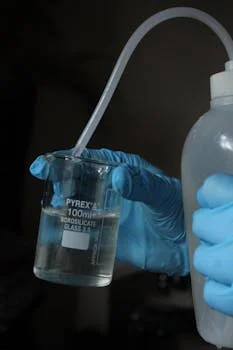
Designing a hospital ETP requires precise engineering specifications to manage the complex and variable influent, ensuring compliance with strict effluent quality standards. The unique characteristics of hospital wastewater, including high pathogen loads and diverse chemical contaminants, demand robust design parameters that often exceed those for municipal systems.
Key process parameters are critical for effective biological treatment. Hydraulic retention time (HRT) for biological treatment ranges from 12–24 hours for conventional activated sludge systems, while MBR systems, with their higher biomass concentrations, can operate with shorter HRTs of 6–12 hours. Mixed liquor suspended solids (MLSS) in aerobic zones are typically maintained at 2,500–4,000 mg/L for activated sludge and significantly higher at 8,000–12,000 mg/L for MBRs, reflecting the increased biomass efficiency. Dissolved oxygen (DO) levels must be consistently maintained at 1.5–3 mg/L in aerobic zones to support microbial activity. Sludge retention time (SRT) is typically 10–30 days, influencing sludge age and overall treatment stability. Hospital effluent variability, such as peak loads from operating rooms or increased pharmaceutical discharge from specific wards, significantly impacts design. This necessitates adequate buffer tank sizing and sophisticated flow equalization strategies to prevent process upsets and ensure continuous compliance.
| Parameter | Influent Range (Hospital) | Effluent Target (China GB 18466-2005) | Effluent Target (US EPA 40 CFR Part 503) | Effluent Target (EU Urban Waste Water Directive 91/271/EEC) |
|---|---|---|---|---|
| BOD5 | 800–1,200 mg/L | <25 mg/L | <30 mg/L | <25 mg/L |
| COD | 1,200–2,000 mg/L | <125 mg/L | <150 mg/L | <125 mg/L |
| TSS | 300–600 mg/L | <30 mg/L | <30 mg/L | <35 mg/L |
| E. coli | <10^6 CFU/mL | <100 CFU/mL | <100 CFU/mL | <100 CFU/mL (where disinfection required) |
| Pharmaceuticals (e.g., Ciprofloxacin) | 50–200 μg/L | <1 μg/L (emerging standard) | <1 μg/L (emerging standard) | <1 μg/L (emerging standard) |
| Mercury (Hg) | 0.005–0.05 mg/L | <0.002 mg/L | <0.002 mg/L | <0.001 mg/L |
Treatment Technology Comparison: MBR vs. Activated Sludge vs. DAF for Hospital Effluent
Selecting the optimal treatment technology for a hospital ETP depends on several factors, including the specific contaminant profile, available footprint, energy consumption targets, and budget constraints. Each technology offers distinct advantages and trade-offs for hospital-specific contaminants.
For instance, MBR systems for hospital effluent treatment are highly effective for high-pathogen effluent, making them ideal for hospitals with infectious disease wards. They achieve near-reuse quality effluent but require regular membrane cleaning (cost: $0.05–$0.10/m³). Activated sludge systems represent a more budget-conscious option, with lower CAPEX ($1.2–$1.8M for a 500 m³/day plant) but demand a larger footprint and typically require more intensive tertiary disinfection to meet stringent pathogen limits. For hospitals with large kitchens or laundries generating FOG-heavy effluent, DAF systems for FOG and TSS removal in hospital effluent are highly effective, removing up to 90% of FOG and 50% of TSS, though they are largely ineffective for dissolved pharmaceuticals. The choice must align with the hospital's operational priorities and environmental compliance goals.
| Technology | Pathogen Removal | Pharmaceutical Removal | Footprint | Energy Use | CAPEX (500 m³/day) | OPEX (per m³) | Maintenance Complexity |
|---|---|---|---|---|---|---|---|
| MBR | 99.9% | 95% | 60% smaller | High | $1.5–$2.5M | $0.30–$0.60 | Moderate (membrane cleaning) |
| Activated Sludge | 90% | 70% | Large | Medium | $1.2–$1.8M | $0.20–$0.40 | Low-Moderate |
| DAF (Primary) | Minimal | Minimal | Medium | Low | $0.8–$1.2M (as part of a system) | $0.15–$0.30 | Low |
2025 Compliance Checklist: How to Meet China GB, US EPA, and EU Standards for Hospital Effluent
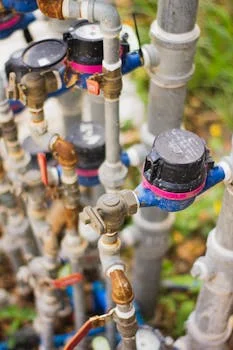
Meeting evolving global wastewater discharge standards is paramount for hospitals to avoid significant regulatory fines and protect public health. The 2025 compliance landscape will see stricter enforcement across key regions.
China's GB 18466-2005 sets stringent pathogen limits (<100 CFU/mL E. coli), heavy metal limits (e.g., mercury <0.002 mg/L), and COD discharge limits (<125 mg/L) for medical wastewater. This standard mandates quarterly testing for 22 specific parameters, including BOD5, TSS, various heavy metals, and specific pathogens, ensuring comprehensive monitoring. In the United States, the EPA's 40 CFR Part 503 classifies hospital effluent as 'high-risk' for pathogens, mandating a 99.99% pathogen kill rate, typically achieved via advanced disinfection methods like chlorine dioxide generators or UV. US EPA regulations also impose specific heavy metal limits, such as arsenic <0.01 mg/L and lead <0.05 mg/L, to prevent environmental contamination. The EU Urban Waste Water Directive 91/271/EEC requires BOD5 <25 mg/L, TSS <35 mg/L, and nitrogen <15 mg/L for discharges. It also mandates tertiary treatment for hospitals serving a population equivalent (PE) greater than 10,000, specifically targeting nutrient removal and enhanced disinfection.
Common compliance pitfalls include inadequate disinfection for antibiotic-resistant bacteria, failure to monitor emerging pharmaceutical residues, and insufficient heavy metal removal. Addressing these requires robust ETP design, regular process optimization, and comprehensive analytical monitoring. For further details on regional compliance standards for hospital wastewater, specific guides are available.
Cost Breakdown and ROI: How to Justify a Hospital Effluent Treatment Plant Investment
Investing in a hospital ETP is a significant capital expenditure, but its long-term financial and reputational benefits often outweigh the initial costs, making a compelling return on investment (ROI) case. The capital expenditure (CAPEX) for a 500 m³/day hospital ETP typically ranges from $1.5–$2.5M for an MBR system, $1.2–$1.8M for an activated sludge plant, and $0.8–$1.2M for a DAF-centric chemical treatment system. These figures include equipment procurement, civil works, and installation costs.
Operational expenditure (OPEX) varies significantly by technology: $0.30–$0.60/m³ for MBR, $0.20–$0.40/m³ for activated sludge, and $0.15–$0.30/m³ for DAF systems. Key cost drivers for OPEX include energy consumption (30–40% of total OPEX), chemical reagents (20–30%), and membrane replacement (10–20% for MBR systems, typically every 5-7 years). The ROI drivers are substantial: avoiding regulatory fines, which can range from $50,000–$200,000 per year for non-compliance, is a primary motivator. reducing fresh water consumption through treated effluent reuse can yield significant savings of $0.50–$1.50/m³, especially in water-stressed regions. Improved hospital sustainability ratings, such as LEED certification, also enhance institutional reputation and appeal to environmentally conscious patients and staff.
| Metric | MBR System | Activated Sludge System | DAF + Chemical Treatment |
|---|---|---|---|
| CAPEX (500 m³/day plant) | $2,000,000 | $1,500,000 | $1,000,000 |
| Annual OPEX (at $0.45/m³ for MBR, $0.30/m³ for AS, $0.20/m³ for DAF; 500 m³/day) | $82,125 | $54,750 | $36,500 |
| Annual Savings (avoided fines + water reuse) | $200,000 | $150,000 | $100,000 |
| Net Annual Benefit | $117,875 | $95,250 | $63,500 |
| Payback Period | 17.0 years | 15.7 years | 15.7 years |
Frequently Asked Questions
What are the primary contaminants in hospital wastewater?
Hospital wastewater contains a complex mix of contaminants, including high concentrations of pathogenic microorganisms (bacteria, viruses, fungi), pharmaceuticals (antibiotics, anti-cancer drugs, hormones), heavy metals (mercury, lead, silver), radioactive isotopes, and organic matter (BOD, COD). These are present at significantly higher and more varied levels than in typical municipal sewage, requiring specialized treatment.
Why is MBR often preferred for hospital ETPs despite its higher CAPEX?
MBR systems are often preferred due to their superior effluent quality, particularly in pathogen and pharmaceutical removal (99.9% and 95% respectively). They also offer a smaller footprint, which is crucial for space-constrained hospital facilities. While initial CAPEX is higher, the operational benefits, including reduced sludge production and potential for water reuse, can justify the investment, especially when stringent discharge standards must be met.
How do hospitals ensure compliance with heavy metal discharge limits?
Hospitals ensure compliance with heavy metal limits through source segregation, specific primary treatment processes, and advanced tertiary treatment. For example, dental clinics may install amalgam separators at the source. The ETP typically incorporates chemical precipitation, coagulation-flocculation, and sometimes ion exchange or reverse osmosis in tertiary stages to remove heavy metals like mercury and lead to meet standards like China's GB 18466-2005 (<0.002 mg/L for mercury).
What role does advanced oxidation play in hospital effluent treatment?
Advanced Oxidation Processes (AOPs), such as ozone combined with hydrogen peroxide (O3+H2O2) or UV-H2O2, are critical for degrading persistent organic pollutants and pharmaceutical residues that are not fully removed by biological treatment. AOPs generate highly reactive hydroxyl radicals that non-selectively break down complex organic molecules, achieving 80–90% degradation of pharmaceuticals and ensuring compliance with emerging micropollutant standards, particularly in the EU.
What are the main operational challenges for hospital ETPs?
Operational challenges for hospital ETPs include managing highly variable influent loads (flow, pH, contaminant concentration), dealing with specialized contaminants (e.g., cytotoxic drugs, radioactive waste) that can inhibit biological processes, ensuring consistent disinfection efficacy against antibiotic-resistant bacteria, and managing sludge containing hazardous materials. Regular monitoring, skilled operators, and robust, adaptable treatment technologies are essential to overcome these challenges.