Hospital wastewater in Abidjan requires treatment to meet Côte d’Ivoire’s DHPSE standards and GAVI SFA project goals, with effluent limits of <50 mg/L COD, <30 mg/L BOD, and <1,000 CFU/100mL fecal coliforms. Current systems at facilities like CHU Cocody treat only 10% of infectious waste (per 2025 NIH data), creating public health risks. Effective solutions include MBR systems (99% pathogen removal) and chlorine dioxide generators (log 4 disinfection), with CAPEX ranging from XOF 50M–500M depending on capacity (10–100 m³/day).
Why Abidjan’s Hospitals Need Advanced Wastewater Treatment
The volume of healthcare waste in Abidjan is increasing daily, yet current infrastructure at major facilities like CHU Cocody treats only 10% of infectious medical waste (NIH 2025 study). According to Dr. Bodou Yao, a sociologist and hygienist at the Directorate of Public Hygiene and Environmental Health (DHPSE), the daily increase in medical waste volume poses a significant challenge to the city's aging sanitation infrastructure. The DHPSE’s National Healthcare Waste Management Plan (PNGDS 2026–2030) now mandates on-site treatment for all hospitals, with a specific focus on the Autonomous District of Abidjan, where the density of healthcare facilities is highest.
For facility managers and environmental engineers, the urgency is driven not only by environmental stewardship but also by funding requirements. GAVI Strategic Focus Area (GAVI SFA) project funding is increasingly tied to strict compliance with medical waste management protocols. Untreated hospital effluent serves as a primary vector for waterborne infections, including cholera and hepatitis, which remain prevalent in the lagoons surrounding Abidjan. the presence of pharmaceutical residues, such as antibiotics and endocrine disruptors, in untreated discharge contributes to antimicrobial resistance (AMR) in local water bodies.
The 2025 workshop led by DHPSE highlighted that poorly managed syringes and contaminated equipment are often mixed with liquid waste streams, complicating the treatment process. Transitioning to integrated MBR systems for hospital wastewater treatment in Abidjan allows facilities to treat complex infectious streams on-site, mitigating the risk of persistent environmental pollutants and protecting public trust in healthcare institutions. As Abidjan modernizes its healthcare sector, the adoption of zero-risk equipment is no longer an option but a regulatory necessity.
Regulatory Standards for Hospital Wastewater in Côte d’Ivoire
Compliance with the PNGDS 2026–2030 plan mandates that all healthcare facilities in Abidjan achieve specific chemical and biological effluent limits before discharge into the municipal sewer or environment. The DHPSE has harmonized local standards with international benchmarks to ensure that medical wastewater treatment Côte d’Ivoire protocols meet the safety requirements of global health organizations. These standards focus on the reduction of organic loads and the total elimination of pathogenic microorganisms.
The GAVI SFA project requirements specifically demand log 4 disinfection (99.99% pathogen kill) for all infectious waste streams generated by immunization and general clinical activities. For facilities that reuse treated water for landscaping or non-potable purposes, the WHO Guidelines for Safe Wastewater Use in Agriculture (2023) apply, requiring fewer than 1 helminth egg per liter for unrestricted irrigation. Additionally, hospitals receiving international funding must often adhere to the EU Urban Waste Water Directive 91/271/EEC, which sets stringent limits on total nitrogen and phosphorus in sensitive areas like the Ébrié Lagoon.
| Parameter | DHPSE Standard (Abidjan) | GAVI SFA / WHO Requirement | EU Directive 91/271/EEC |
|---|---|---|---|
| Chemical Oxygen Demand (COD) | <50 mg/L | <60 mg/L | <125 mg/L |
| Biological Oxygen Demand (BOD5) | <30 mg/L | <25 mg/L | <25 mg/L |
| Total Suspended Solids (TSS) | <30 mg/L | <35 mg/L | <35 mg/L |
| Fecal Coliforms | <1,000 CFU/100mL | <100 CFU/100mL | N/A (Secondary) |
| Pathogen Disinfection | Standard Chlorination | Log 4 Kill Rate | N/A |
| Helminth Eggs | N/A | <1 egg/L (Irrigation) | N/A |
Failure to meet these Abidjan hospital effluent standards can result in significant fines from the DHPSE, ranging from XOF 10 million to XOF 50 million annually, depending on the severity of the violation and the facility's capacity. Procurement officers must ensure that any selected equipment comes with certified performance data to validate these compliance metrics during government inspections.
Treatment Technologies Compared: MBR vs. Chlorine Dioxide vs. Ozone
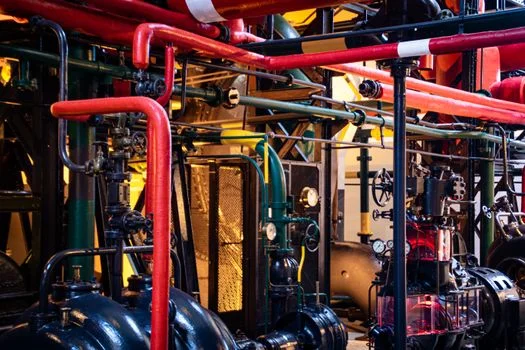
Membrane Bioreactor (MBR) systems achieve a 99% pathogen removal rate and maintain effluent COD levels below 50 mg/L, providing a footprint 60% smaller than conventional activated sludge processes. In the context of Abidjan’s urban hospitals, where land is at a premium, the high-density filtration of the HydropureWater DF Series MBR is particularly effective. MBR combines biological degradation with membrane separation, effectively replacing the secondary clarifier and sand filtration stages of traditional plants. This technology is ideal for meeting chlorine dioxide generators for hospital wastewater disinfection requirements when paired with a final sterilization stage.
Chlorine dioxide (ClO2) generators offer log 4 disinfection without the formation of harmful trihalomethanes (THMs), which are common byproducts of traditional chlorine gas or liquid bleach. ClO2 is a highly selective oxidant, making it more effective against viruses and cysts than standard chlorination. For hospitals in Abidjan focused on high-pathogen waste streams, on-site chlorine dioxide generation for hospital effluent provides a reliable, automated solution that complies with EPA and WHO safety standards. Unlike ozone, ClO2 maintains a residual disinfectant effect in the discharge pipes, preventing biofilm regrowth.
Ozone systems provide the highest oxidation potential, capable of removing 95% of COD and effectively neutralizing pharmaceutical residues. However, ozone technology involves higher operational expenditure (OPEX), typically ranging from XOF 20–30 per cubic meter, due to high energy consumption and the need for specialized maintenance technicians. In contrast, MBR and ClO2 systems offer a more balanced profile for Abidjan’s operational environment, where spare parts for ozone generators can be difficult to source locally.
| Technology | Pathogen Removal | COD Removal Rate | Energy (kWh/m³) | OPEX (XOF/m³) |
|---|---|---|---|---|
| MBR (HydropureWater DF) | 99.9% (Log 3) | 90–95% | 0.2–0.4 | 15–25 |
| Chlorine Dioxide | 99.99% (Log 4) | 5–10% | <0.1 | 8–15 |
| Ozone Treatment | 99.99% (Log 4) | 80–95% | 0.8–1.5 | 20–30 |
| Conventional AS | 70–80% | 75–85% | 0.3–0.6 | 10–18 |
By comparing these technologies, engineers can determine that a hybrid approach—using MBR for organic removal followed by ClO2 for final disinfection—provides the most robust compliance profile for DHPSE wastewater compliance in Côte d’Ivoire.
Engineering Specs for Hospital Wastewater Treatment in Abidjan
Engineering design for Abidjan’s hospital effluent must account for high influent variability, with COD concentrations ranging from 300 mg/L to 1,200 mg/L depending on the facility's specialization (CHU Cocody 2025 data). Hospital wastewater is characterized by high peaks during morning hours and varying concentrations of disinfectants and detergents that can inhibit biological processes. Therefore, a robust equalization tank with a hydraulic retention time (HRT) of at least 4–6 hours is essential to stabilize the influent before it enters the main treatment modules.
For the biological stage, MBR systems for hospital wastewater treatment in Abidjan utilize 0.1 μm PVDF membranes. These membranes operate at a flux rate of 15–25 L/m²h. The system should be designed with an 8–12 hour HRT in the aerobic tank to ensure complete nitrification and organic breakdown. Energy consumption is optimized through automated aeration control, maintaining dissolved oxygen (DO) levels between 2.0 and 4.0 mg/L. To handle pharmaceutical residues, the Sludge Retention Time (SRT) is typically maintained at 20–30 days, promoting the growth of specialized bacteria.
Disinfection via chlorine dioxide requires a dosing rate of 5–10 mg/L to achieve the log 4 disinfection mandated by GAVI SFA. A contact tank with a minimum 30-minute residence time is required to ensure complete pathogen inactivation. Sludge management is equally critical; hospital sludge often contains heavy metals and infectious agents. Using a plate-frame filter press for hospital sludge dewatering allows for the reduction of sludge volume to 20% solids, facilitating safer transport and disposal at specialized hazardous waste sites in the District of Abidjan.
| Design Parameter | Specification Value | Equipment/Component |
|---|---|---|
| Influent COD Range | 300–1,200 mg/L | Equalization Tank |
| Membrane Pore Size | 0.1 μm (PVDF) | DF Series MBR Module |
| Hydraulic Retention Time | 8–12 Hours | Aerobic Bioreactor |
| ClO2 Dosing Concentration | 5–10 mg/L | ClO₂ generator |
| Sludge Production Rate | 0.3–0.5 kg TSS/kg BOD | Biological Stage |
| Dewatering Efficiency | 20–25% Dry Solids | Plate-Frame Press |
These specifications ensure that the system remains resilient against the "shock loads" common in Abidjan's busy public hospitals, maintaining consistent effluent quality even during peak surgical or diagnostic periods.
Cost Breakdown: CAPEX, OPEX, and ROI for Abidjan Hospitals
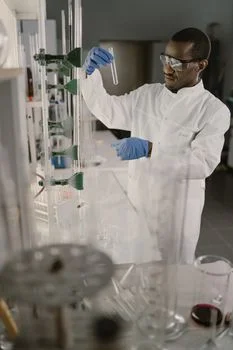
Capital expenditure (CAPEX) for decentralized hospital wastewater treatment in the Abidjan market typically ranges from XOF 50 million to XOF 500 million based on a daily throughput of 10 to 100 cubic meters. A 50 m³/day MBR system, sufficient for a medium-sized hospital or clinic, generally falls in the XOF 150M to 220M range, inclusive of installation and commissioning. These figures are influenced by the degree of automation and the quality of the materials (e.g., 304 vs. 316L stainless steel for corrosive environments).
Operational expenditure (OPEX) is dominated by energy costs, which in Côte d’Ivoire average XOF 5–15 per cubic meter of treated water for MBR-based systems. Chemical costs for disinfection and pH adjustment add another XOF 2–8/m³. Labor and routine maintenance, including membrane cleaning chemicals (citric acid and sodium hypochlorite), represent approximately 15% of the total annual OPEX. While ozone systems have lower chemical costs, their high energy demand and maintenance complexity often lead to a higher total cost of ownership over a 10-year period.
The Return on Investment (ROI) for these systems is realized through three primary channels: avoided DHPSE non-compliance penalties, eligibility for GAVI SFA and other international grant funding, and the potential for water reuse. By avoiding annual penalties of XOF 10M–50M, most facilities see a payback period of 3 to 5 years. implementing advanced treatment is often a prerequisite for hospitals seeking international accreditation or participating in how EU hospitals achieve zero-risk wastewater compliance frameworks, which can unlock further development capital.
| Cost Element (50 m³/day) | MBR System (XOF) | Chlorine Dioxide (XOF) | Ozone System (XOF) |
|---|---|---|---|
| Estimated CAPEX | 180,000,000 | 120,000,000 | 250,000,000 |
| Energy Cost (Annual) | 4,500,000 | 1,200,000 | 9,000,000 |
| Chemical Cost (Annual) | 1,800,000 | 2,500,000 | 800,000 |
| Maintenance (Annual) | 3,000,000 | 1,500,000 | 6,000,000 |
| Total 5-Year TCO | 226,500,000 | 146,000,000 | 329,000,000 |
How to Select the Right Treatment System for Your Hospital
Selecting the appropriate treatment configuration depends on a facility's daily hydraulic load, available technical staff, and the specific disinfection log-kill requirements of the GAVI SFA project. For small clinics and specialized centers generating 1–10 m³/day, a standalone chlorine dioxide generator for hospital wastewater disinfection is often the most cost-effective solution, focusing primarily on pathogen inactivation. These systems are compact, easy to operate, and require minimal civil works.
Medium-sized hospitals (10–50 m³/day) should prioritize MBR technology. The ability of MBR to produce high-quality effluent in a restricted space makes it the gold standard for urban facilities in Cocody, Plateau, or Marcory. For large facilities exceeding 50 m³/day, a hybrid system incorporating Dissolved Air Flotation (DAF) for pretreatment followed by MBR and ClO2 disinfection is recommended. This setup handles high TSS loads and ensures that the membranes are protected from oils and greases common in hospital kitchen discharge.
When evaluating vendors, procurement officers should use a weighted checklist that includes:
- Local support and technical presence in Abidjan or West Africa.
- Availability of critical spare parts (membranes, dosing pumps).
- Comprehensive training programs for hospital facility staff.
- Documented compliance with DHPSE effluent limits and GAVI SFA disinfection standards.
Frequently Asked Questions
What are the DHPSE effluent limits for hospital wastewater in Abidjan?
Under the PNGDS 2026–2030 plan, hospitals must achieve effluent levels of <50 mg/L for COD, <30 mg/L for BOD, and <1,000 CFU/100mL for fecal coliforms. These standards are strictly enforced by the DHPSE to protect Abidjan's water bodies.
Why is MBR preferred over traditional activated sludge for Abidjan hospitals?
MBR systems offer a 60% smaller footprint and superior pathogen removal (99.9%). In the high-density urban environment of Abidjan, the space-saving design and high-quality effluent (suitable for reuse) make MBR the more practical choice for modern healthcare facilities.
How does GAVI SFA funding impact wastewater equipment selection?
GAVI SFA project goals are tied to "zero-risk" waste management. This requires equipment that can guarantee log 4 disinfection (99.99% kill rate) for infectious waste, often mandating the use of chlorine dioxide or ozone systems alongside biological treatment.
What is the typical maintenance schedule for a hospital MBR system?
Standard maintenance includes monthly "maintenance cleans" (backwashing with chemicals) and semi-annual "recovery cleans" (soaking membranes). Automated systems like the HydropureWater DF Series reduce manual labor by scheduling these cycles based on transmembrane pressure (TMP) readings.
Can treated hospital wastewater be used for irrigation in Abidjan?
Yes, provided it meets the WHO 2023 guidelines of <1 helminth egg per liter and <1,000 CFU/100mL fecal coliforms. MBR systems typically meet these requirements without extensive post-treatment, allowing hospitals to reduce their municipal water bills.