Best Underground Sewage Treatment System for Industrial Use: 2025 Engineering Guide with Costs, Compliance & ROI
The best underground sewage treatment system for industrial use in 2025 balances footprint efficiency, regulatory compliance, and cost. Integrated A/O (anoxic/oxic) systems like the WSZ Series underground A/O system for industrial wastewater deliver 92–97% TSS removal (per EPA 2024 benchmarks) in a buried package unit, while MBR systems achieve near-reuse quality (<1 μm filtration) at a 60% smaller footprint. For factories, hospitals, or food processing plants, key selection criteria include influent load (50–500 mg/L COD), space constraints, and local discharge limits (e.g., US EPA NPDES, EU Urban Waste Water Directive 91/271/EEC). This guide compares technologies, costs ($150–$400/m³ capacity), and ROI scenarios to help you select the optimal system.
Why Underground Sewage Treatment Systems Are Ideal for Industrial Sites
Underground sewage treatment systems reduce surface footprint requirements by 70–80% compared to conventional above-ground activated sludge plants, according to EPA Large-Capacity Septic System (LCSS) data. This spatial efficiency allows industrial facilities to maximize land use for production lines, warehousing, or logistics rather than expansive wastewater infrastructure. In high-density industrial zones, the ability to bury treatment modules enables compliance without sacrificing valuable real estate.
Odor control is a primary driver for selecting buried systems in urban industrial parks. Buried tanks with sealed, reinforced lids and integrated biofilters effectively contain and treat off-gases, maintaining Hydrogen Sulfide (H₂S) levels below 1 ppm and Ammonia (NH₃) levels below 5 ppm at the surface. This containment is essential for facilities located near residential areas or commercial centers where air quality regulations are stringent. For example, a 1,000 m² food processing factory in Shenzhen successfully integrated a WSZ Series underground A/O system for industrial wastewater beneath a green-roof parking lot, meeting both zoning aesthetic requirements and strict odor thresholds.
Thermal stability is a significant biological advantage of underground placement. Soil acts as a natural insulator, maintaining reactor temperatures between 15°C and 25°C year-round. This stability prevents the biological "shock" common in above-ground systems during winter months, which can reduce nitrification efficiency by up to 50%. By maintaining consistent microbial activity, underground systems ensure stable effluent quality in cold climates without the need for energy-intensive tank heating (Orenco field data, 2024).
buried systems are protected from UV degradation and extreme weather events, such as typhoons or heavy snow loads, which can damage exposed mechanical components and tank walls. This environmental shielding extends the service life of the structural housing to 30+ years, significantly longer than many exposed steel or plastic alternatives.
Underground Sewage Treatment Technologies Compared: A/O vs MBR vs SBR
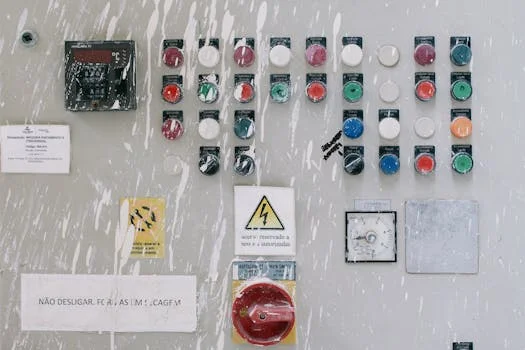
Selecting the correct biological process is the most critical decision in underground system design, as the buried nature of the equipment makes retrofitting difficult. Integrated Anoxic/Oxic (A/O) systems are the industry standard for general industrial sewage. This two-stage process focuses on denitrification in the first stage and carbonaceous oxidation/nitrification in the second. HydropureWater’s WSZ Series achieves COD removal rates of 85–95% and Total Nitrogen (TN) removal of 60–80%, with a low energy demand of 0.3–0.5 kWh/m³ (HydropureWater field data, 2025).
For facilities requiring high-purity effluent or water recycling, the MBR system for near-reuse-quality effluent in space-constrained sites is the superior choice. Membrane Bioreactors replace the secondary clarifier with submerged PVDF membranes, providing absolute filtration down to <1 μm. This technology produces effluent with TSS <1 mg/L and significantly higher organic loading rates, allowing for a footprint 60% smaller than A/O systems. However, energy consumption is higher, typically ranging from 0.6–1.0 kWh/m³ due to the air scouring required to prevent membrane fouling.
Sequencing Batch Reactors (SBR) offer a "fill-and-draw" approach where all treatment steps occur in a single tank over timed cycles. This is highly effective for manufacturing plants with variable flow rates or batch discharge schedules. While SBRs are versatile, with COD removal of 80–90%, they often require larger equalization volumes and more complex automated control systems compared to continuous flow A/O units.
| Parameter | A/O (Integrated) | MBR (Membrane) | SBR (Batch) |
|---|---|---|---|
| COD Removal Efficiency | 85–95% | 95–99% | 80–90% |
| TSS Effluent (mg/L) | 10–20 | <1 | 15–30 |
| Energy Use (kWh/m³) | 0.3–0.5 | 0.6–1.0 | 0.4–0.7 |
| Footprint Requirement | Moderate | Smallest | Large (incl. EQ) |
| Best Use Case | Food Processing / General | Hospitals / Water Reuse | Batch Manufacturing |
Key Engineering Parameters for Industrial Underground Systems
Industrial influent often deviates significantly from municipal sewage, requiring engineers to account for higher concentrations of organics and nutrients. Typical industrial ranges for underground systems include COD levels of 50–5,000 mg/L and Total Suspended Solids (TSS) of 100–2,000 mg/L. For high-strength influent, DAF systems for industrial pretreatment before underground treatment are often required to remove fats, oils, and grease (FOG) that would otherwise coat biological media or clog membranes.
Hydraulic Retention Time (HRT) is the primary determinant of system size and performance. A/O systems generally require 6–12 hours of HRT to achieve stable nitrification. In contrast, MBR systems can operate at shorter HRTs of 4–8 hours because they maintain a much higher Mixed Liquor Suspended Solids (MLSS) concentration (8,000–12,000 mg/L vs. 3,000–4,000 mg/L for A/O). SBR systems require the longest HRT, typically 8–16 hours, to accommodate the sequential phases of aeration, settlement, and decanting within the same vessel.
Sludge production is another critical engineering metric. Underground systems typically produce 0.2–0.4 kg of TSS per kg of COD removed. MBR systems, due to their long Mean Cell Residence Time (MCRT), often produce less sludge than A/O systems, reducing the frequency of sludge hauling. However, all buried systems must be designed with accessible manholes for vacuum truck extraction of settled solids.
| Treatment Metric | Industrial Standard | A/O Performance | MBR Performance |
|---|---|---|---|
| Typical HRT (Hours) | 6–14 | 8–12 | 4–8 |
| MLSS Concentration (mg/L) | 3,000–12,000 | 3,000–4,500 | 8,000–12,000 |
| Sludge Yield (kg TSS/kg COD) | 0.3 | 0.35 | 0.22 |
| TN Removal (%) | >70% | 60–80% | 80–90% |
| TP Removal (%) | >80% | 70–85% (w/ chemical) | 85–95% (w/ chemical) |
Cost Benchmarks and ROI for Industrial Underground Sewage Systems
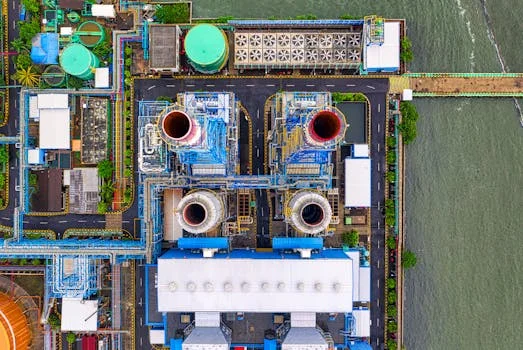
Capital expenditures (CAPEX) for underground industrial sewage systems range from $150 to $400 per cubic meter of daily treatment capacity. A/O systems are the most cost-effective at $150–$250/m³, while MBR systems command a premium of $300–$400/m³ due to membrane costs and advanced control requirements. These benchmarks include the tankage, internal piping, aeration systems, and basic automation, but exclude extensive excavation or site-specific civil engineering. For detailed regional pricing, refer to cost benchmarks for industrial wastewater treatment in Southeast Asia.
Operating expenditures (OPEX) typically fall between $0.10 and $0.30 per cubic meter treated. The primary cost drivers are electricity for aeration and sludge disposal. MBR systems have a unique OPEX component: membrane replacement, which usually occurs every 5 to 8 years and can account for 15–20% of the initial CAPEX. To mitigate pathogens in the final effluent, many facilities also integrate a ClO₂ generator for industrial wastewater disinfection, which adds approximately $0.02/m³ in chemical costs but ensures compliance with reuse standards.
The Return on Investment (ROI) for an underground system is often realized through the avoidance of municipal discharge surcharges and the recovery of land value. For a 50 m³/h food processing plant with a CAPEX of $120,000 and annual OPEX of $15,000, a typical facility saves $30,000 annually in compliance fines and water costs, leading to a 4-year payback period. Financing options such as the US EPA Clean Water State Revolving Fund (SRF) or EU Cohesion Funds can further improve the financial profile of these projects.
| Cost Category | A/O System | MBR System | SBR System |
|---|---|---|---|
| CAPEX ($ per m³/day) | $150 – $250 | $300 – $400 | $200 – $300 |
| OPEX ($ per m³ treated) | $0.10 – $0.18 | $0.22 – $0.30 | $0.15 – $0.25 |
| Maintenance Frequency | Low (Quarterly) | High (Monthly) | Moderate (Bi-monthly) |
| Equipment Lifespan | 20–25 Years | 15–20 Years | 20 Years |
Compliance and Permitting for Industrial Underground Systems
Compliance with the US EPA NPDES or the EU Urban Waste Water Directive 91/271/EEC requires industrial facilities to meet specific numeric limits for Total Nitrogen (TN) and Phosphorus (TP). In the United States, Large-Capacity Septic Systems (LCSS) are regulated under the Underground Injection Control (UIC) program. If the system discharges to surface water, it must meet National Pollutant Discharge Elimination System (NPDES) standards, which often mandate TSS <30 mg/L and BOD₅ <30 mg/L. For facilities in Pennsylvania or similar jurisdictions, see the US compliance and supplier selection guide for underground systems.
European regulations under the Industrial Emissions Directive (2010/75/EU) require the use of Best Available Techniques (BAT) for wastewater treatment. This often points toward MBR technology for sectors like pharmaceuticals or chemical manufacturing where API (Active Pharmaceutical Ingredient) removal is critical. In China, industrial sites must adhere to GB 18918-2002 (Grade 1A or 1B) for general discharge, or sector-specific standards like GB 21900-2008 for electroplating, which set much stricter limits on heavy metals.
Sector-specific requirements vary significantly. Food processing plants must strictly monitor FOG levels, often requiring pretreatment before the underground biological unit. Hospitals must ensure high-level disinfection to eliminate pathogens and antibiotic-resistant bacteria, making the combination of MBR and ClO₂ disinfection the preferred engineering solution. Metalworking facilities must focus on pH adjustment and heavy metal precipitation, as these inorganic pollutants can inhibit the biological processes in an underground A/O or MBR system.
Vendor Selection Checklist: How to Choose an Underground Sewage Treatment Supplier
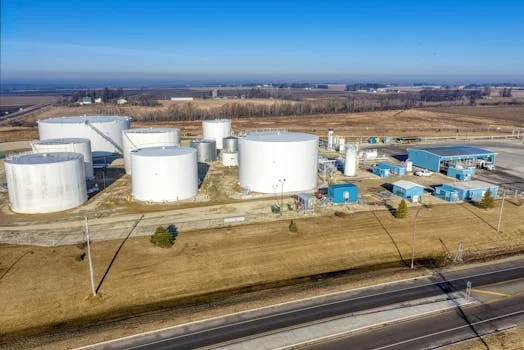
Evaluating a vendor for underground sewage systems requires a weighted analysis of total cost of ownership (TCO), including membrane replacement cycles and remote monitoring capabilities. Because the systems are buried, the structural integrity of the tankage is paramount; vendors should provide certifications for H-20 traffic loading if the system is installed under roadways or parking lots.
Technical criteria should prioritize systems with high removal efficiencies for your specific contaminants. Request pilot study data or case studies from similar industrial applications (e.g., a brewery vs. a textile mill). Service criteria are equally important; ensure the vendor offers a 2–5 year warranty on mechanical parts and has a local service team capable of performing membrane cleanings or blower maintenance. Remote monitoring via PLC/SCADA is highly recommended for underground units to detect issues before they result in a compliance breach.
| Selection Criteria | Requirement / Standard | Weighting |
|---|---|---|
| Structural Rating | H-20 Traffic Loading / Corrosion Resistance | 25% |
| Process Efficiency | Proven COD/TN removal for specific sector | 30% |
| Automation | Remote monitoring and automated sludge wasting | 15% |
| Warranty/Support | Minimum 2 years mechanical / 5 years structural | 20% |
| TCO (10-Year) | CAPEX + OPEX + Replacement parts | 10% |
Frequently Asked Questions
What is the typical lifespan of an underground industrial sewage system?
The structural tanks, typically made of reinforced carbon steel with epoxy coating or FRP, last 30+ years. Internal mechanical components like blowers and pumps have a lifespan of 7–10 years, while MBR membranes typically require replacement every 5–8 years depending on influent characteristics and cleaning protocols.
Can underground systems handle high concentrations of fats, oils, and grease (FOG)?
Standard biological underground systems are sensitive to FOG, which can smother microbes or foul membranes. Industrial facilities with FOG >50 mg/L must install a grease trap or DAF unit upstream to ensure the long-term health of the underground biological reactor.
How much space is actually saved by going underground?
An underground integrated system typically requires 0.5–1.2 m² of surface area per m³ of daily treatment capacity. This is approximately 75% less space than a traditional above-ground clarifier and aeration tank setup, which requires significant setbacks and access roads.
Are underground systems more expensive to maintain?
While excavation adds to initial costs, maintenance is comparable to above-ground systems if designed with proper access. The primary difference is the need for a vacuum truck for sludge removal, as gravity-fed sludge drying beds are not feasible for buried installations.