Clinic wastewater treatment is a specialized process designed to remove high-risk contaminants—including pathogens (10^6–10^8 CFU/100mL fecal coliform), pharmaceutical residues (0.1–10 µg/L), and hazardous chemicals—before discharge. Per EPA 2024 guidelines, systems must achieve 92–97% TSS removal, 85–95% BOD reduction, and a 6-log pathogen reduction to meet regulatory standards. Treatment typically involves multi-stage processes: mechanical screening, biological treatment (e.g., MBR or A/O), and advanced disinfection (chlorine dioxide or ozone). Ignoring these critical requirements can lead to severe consequences, as a Texas clinic discovered in 2024 when faced with substantial regulatory fines for untreated wastewater, underscoring the necessity for robust, tailored treatment solutions.
Why Clinic Wastewater Requires Specialized Treatment
Clinic wastewater contains contaminant profiles 10–100 times more concentrated than typical residential sewage, posing unique environmental and public health risks. Medical facilities, unlike standard commercial establishments, discharge a complex cocktail of pathogens such as norovirus and SARS-CoV-2, pharmaceutical compounds including antibiotics and hormones, and hazardous chemicals like disinfectants and even low-level radioactive isotopes. These elevated concentrations, reported at 0.1–10 µg/L for pharmaceuticals and 10^6–10^8 CFU/100mL for fecal coliform, necessitate specialized treatment beyond conventional municipal systems.
The environmental risks associated with inadequately treated clinic wastewater are significant. Pharmaceutical residues contribute to antimicrobial resistance (AMR), a global health crisis, while endocrine-disrupting compounds can severely impact aquatic ecosystems, as highlighted in the EPA 2023 Emerging Contaminants Report. Discharging untreated or improperly treated effluent can lead to severe regulatory consequences. Facilities face fines up to $50,000 per day for violations of National Pollutant Discharge Elimination System (NPDES) permits under the Clean Water Act, alongside potential shutdowns by local health departments for non-compliance. For instance, a clinic in Texas was fined in 2024 for consistently exceeding fecal coliform limits, demonstrating the critical need for tailored medical facility wastewater treatment systems that go beyond basic municipal hookups.
Clinic Wastewater Treatment Process: Step-by-Step Engineering Blueprint
A comprehensive clinic wastewater treatment system employs a multi-stage engineering blueprint to effectively reduce contaminants to safe discharge levels. The process typically begins with preliminary physical separation and progresses through biological degradation, advanced contaminant removal, and rigorous disinfection.
1. Pretreatment: The initial stage involves mechanical screening to remove large solids and debris, preventing damage to downstream equipment. Rotary bar screens are commonly used, designed to capture particles greater than 1 mm. For clinics, design flow rates typically range from 0.5–10 m³/h, necessitating screens optimized for these lower volumes compared to hospital settings. This stage is crucial for ensuring the longevity and efficiency of subsequent treatment phases. HydropureWater offers rotary mechanical bar screens optimized for various flow rates.
2. Primary Treatment: Following screening, primary treatment focuses on removing suspended solids and some organic matter through sedimentation. Lamella clarifiers are often preferred for their compact footprint and high efficiency, achieving significant TSS removal. These units operate with surface loading rates typically between 20–40 m/h, effectively settling heavier particles and reducing the load on biological treatment. HydropureWater's high-efficiency sedimentation tanks are designed for optimal primary treatment in medical facilities.
3. Biological Treatment: This is the core stage for reducing biochemical oxygen demand (BOD) and chemical oxygen demand (COD). Activated sludge variants like Anoxic/Aerobic (A/O) systems or Membrane Bioreactor (MBR) systems are commonly employed. A/O systems facilitate both nitrification and denitrification, achieving nitrogen removal. MBR systems, however, integrate biological degradation with membrane filtration (typically 0.1 µm pore size), offering superior effluent quality and pathogen removal. Key operational parameters for biological treatment include Mixed Liquor Suspended Solids (MLSS) concentrations of 3,000–5,000 mg/L and hydraulic retention times (HRT) of 4–8 hours, ensuring efficient organic matter breakdown. For clinics requiring high-quality effluent, MBR integrated wastewater treatment systems are often the preferred choice.
4. Advanced Treatment: Depending on specific discharge requirements, advanced treatment stages target recalcitrant contaminants. Dissolved Air Flotation (DAF) systems are highly effective for removing fats, oils, and grease (FOG) with efficiencies often exceeding 95%. Membrane filtration (e.g., ultrafiltration or nanofiltration) can be deployed post-MBR for enhanced removal of pharmaceutical residues and other micropollutants, ensuring near-complete removal of particles down to 0.1 µm.
5. Disinfection: The final critical step is disinfection, achieving a 6-log pathogen reduction to meet stringent health and environmental standards. Chlorine dioxide (ClO₂) and ozone are common disinfectants. ClO₂ offers broad-spectrum efficacy with fewer disinfection byproducts than chlorine, typically requiring a contact time of 30–60 minutes (per EPA 2024 guidelines). Ozone provides powerful oxidation and disinfection without chemical residuals but has higher energy demands. On-site chlorine dioxide generators are a practical solution for consistent disinfection.
A typical process flow diagram for clinic wastewater treatment involves influent passing through screening, then to sedimentation, followed by biological treatment (A/O or MBR), advanced filtration, disinfection, and finally discharge.
| Parameter | Influent (Clinic Wastewater) | Effluent (Typical Discharge Target) | Removal Rate (Target) |
|---|---|---|---|
| BOD₅ | 150–400 mg/L | <10 mg/L | 85–95% |
| TSS | 100–300 mg/L | <10 mg/L | 92–97% |
| COD | 300–800 mg/L | <50 mg/L | 80–90% |
| Fecal Coliform | 10^6–10^8 CFU/100mL | <200 CFU/100mL | 6-log reduction |
| Total Nitrogen (TN) | 20–60 mg/L | <10 mg/L | 70–90% |
| Total Phosphorus (TP) | 3–10 mg/L | <1 mg/L | 80–90% |
| Pharmaceuticals | 0.1–10 µg/L | <0.05 µg/L | >90% |
2025 Clinic Wastewater Treatment Standards: EPA, State, and International Compliance

Compliance with stringent wastewater discharge regulations is non-negotiable for clinics, encompassing federal, state, and increasingly, international guidelines. The EPA's National Pollutant Discharge Elimination System (NPDES) permits are foundational, typically requiring clinic wastewater to meet standards such as less than 200 CFU/100mL for fecal coliform, 92–97% removal of Total Suspended Solids (TSS), and 85–95% reduction in Biochemical Oxygen Demand (BOD).
State environmental agencies often impose additional, more stringent requirements tailored to local conditions. For example, California's Title 22 mandates tertiary treatment for any wastewater intended for reuse, pushing for advanced filtration and disinfection. Texas, particularly for discharges into sensitive receiving waters, can require a 99% pathogen reduction. Understanding these state-specific compliance guidelines for medical wastewater is crucial. Internationally, the EU Urban Waste Water Directive 91/271/EEC sets limits for parameters like Chemical Oxygen Demand (COD) at less than 125 mg/L and total nitrogen at less than 15 mg/L, reflecting a global trend towards stricter controls.
Emerging contaminants, particularly pharmaceutical compounds, are gaining regulatory attention. The EPA's 2024 draft guidelines propose limits for 12 specific pharmaceutical compounds, such as carbamazepine at less than 0.5 µg/L, signaling a future where clinics will need advanced treatment solutions to address these micropollutants. Proactive compliance is essential to avoid penalties and ensure environmental safety. A robust compliance strategy includes consistent monitoring and accurate reporting to regulatory bodies.
Clinic Wastewater Compliance Checklist (2025)
| Step | Description | Key Action |
|---|---|---|
| 1 | Identify applicable regulations | Research federal (EPA), state, and local health department requirements. |
| 2 | Characterize wastewater influent | Conduct detailed analysis of BOD, TSS, pathogens, pharmaceuticals, pH, heavy metals. |
| 3 | Obtain necessary permits | Apply for NPDES or equivalent state discharge permits. |
| 4 | Design/Upgrade treatment system | Select technologies (e.g., MBR, DAF, ozone) based on flow, contaminants, and effluent targets. |
| 5 | Implement monitoring program | Establish routine sampling and analysis schedule for effluent quality. |
| 6 | Maintain detailed records | Document all monitoring results, maintenance logs, and chemical usage. |
| 7 | Submit regular reports | Adhere to reporting frequencies stipulated by permits (e.g., quarterly, annually). |
| 8 | Train personnel | Ensure staff are proficient in system operation, maintenance, and emergency procedures. |
| 9 | Develop contingency plans | Prepare for system failures, spills, or non-compliance events. |
| 10 | Stay updated on regulations | Regularly review changes to environmental laws and guidelines. |
Treatment Technology Comparison: MBR vs. DAF vs. Ozone for Clinics
Selecting the optimal wastewater treatment technology for a clinic involves a careful evaluation of performance, capital expenditure (CAPEX), operational expenditure (OPEX), and specific contaminant removal needs. Each technology offers distinct advantages and trade-offs.
MBR (Membrane Bioreactor) systems are highly effective for clinic wastewater, offering over 95% BOD removal and filtration down to 0.1 µm. This superior filtration capacity makes them ideal for significant pathogen reduction and the removal of many pharmaceutical residues. However, MBR systems typically have a higher CAPEX, ranging from $150–$300/m³ of treated water, and higher energy consumption, around 0.8–1.2 kWh/m³, primarily due to membrane aeration and permeate pumping. For detailed MBR performance data for pharmaceutical removal, refer to our article on MBR effluent quality.
DAF (Dissolved Air Flotation) systems excel at removing fats, oils, and grease (FOG) with efficiencies often exceeding 95%, making them suitable for clinics with high FOG loads, such as those with dental labs or kitchen facilities. DAF generally has a lower CAPEX of $80–$200/m³ compared to MBR, but it requires chemical dosing (e.g., coagulants and flocculants), which adds to the OPEX and sludge management complexity.
Ozone Disinfection is a powerful advanced treatment step capable of achieving a 6-log pathogen reduction without leaving chemical residuals, a significant advantage over chlorine-based methods. Ozone also effectively oxidizes many pharmaceutical compounds and color. The main drawback is its relatively high OPEX, estimated at $0.10–$0.25/m³ for electricity, and the need for specialized equipment and safety protocols.
Hybrid systems often provide the most robust and cost-effective solutions. Combining MBR with ozone disinfection, for instance, can achieve over 90% efficiency in pharmaceutical removal, leveraging MBR's biological degradation and filtration with ozone's oxidative power. Alternatively, for cost-sensitive clinics, a DAF system followed by an on-site chlorine dioxide generator can provide effective FOG and pathogen removal at a more accessible price point.
Treatment Technology Comparison for Clinic Wastewater
| Technology | Key Advantage | CAPEX ($/m³) | OPEX ($/m³) | Footprint | BOD Removal | Pathogen Reduction | Maintenance |
|---|---|---|---|---|---|---|---|
| MBR | Superior effluent quality, pathogen/pharmaceutical removal | $150–$300 | $0.80–$1.20 | Compact | >95% | 6-log | Moderate (membrane cleaning) |
| DAF | Excellent FOG removal, lower initial cost | $80–$200 | $0.40–$0.70 (incl. chemicals) | Medium | 40–60% (primary) | Minimal | Moderate (chemical handling) |
| Ozone Disinfection | No chemical residuals, powerful oxidation | $50–$150 (as add-on) | $0.10–$0.25 (electricity) | Compact | Minimal (disinfection only) | 6-log | Low (generator upkeep) |
Clinic Wastewater Treatment Costs: 2025 CAPEX, OPEX, and ROI Analysis
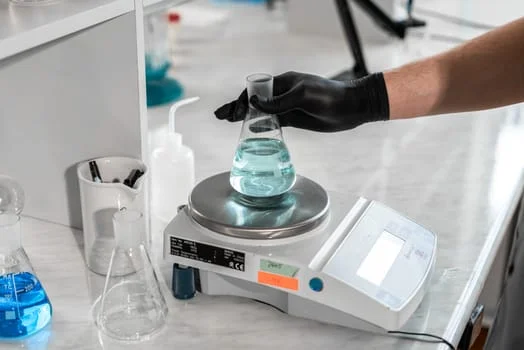
Investing in a dedicated clinic wastewater treatment system involves significant capital and operational expenditures, but a thorough ROI analysis reveals substantial long-term savings and compliance benefits. The capital expenditure (CAPEX) for a system designed to handle typical clinic flow rates of 0.5–10 m³/h generally ranges from $50,000–$200,000, encompassing equipment, installation, and initial engineering. This cost can vary significantly based on the chosen technology, level of automation, and site-specific conditions.
Operational expenditures (OPEX) for clinic wastewater treatment systems typically fall between $0.50–$2.00/m³ of treated water. This figure covers energy consumption (pumps, blowers, UV/ozone), chemical reagents (for DAF, disinfection, pH adjustment), routine maintenance, and sludge disposal. For instance, the cost comparison of MBR and conventional systems for clinics often shows MBRs having higher energy costs but lower sludge volumes.
The return on investment (ROI) for clinic wastewater treatment is primarily driven by avoiding regulatory fines, which can easily exceed $50,000 per year for persistent NPDES permit violations. Beyond penalty avoidance, clinics can achieve 30–50% savings on water bills through treated effluent reuse for non-potable applications like irrigation or toilet flushing. demonstrating environmental responsibility through advanced treatment can qualify clinics for green building certifications, such as LEED, enhancing their public image and potentially attracting environmentally conscious patients. Cost-saving strategies include opting for skid-mounted systems, which can reduce installation costs by up to 20%, and exploring solar-powered disinfection units to lower OPEX by as much as 30%.
Clinic Wastewater Treatment Cost Breakdown (2025 Estimates)
| System Size (m³/h) | Estimated CAPEX ($) | Estimated OPEX ($/m³) | Typical Payback Period (Years) | Key Assumptions |
|---|---|---|---|---|
| 0.5–2 (Small Clinic) | $50,000–$90,000 | $1.00–$2.00 | 3–5 | Basic MBR/A/O + ClO₂, no water reuse, average fines avoided. |
| 2–5 (Medium Clinic) | $90,000–$150,000 | $0.75–$1.50 | 2–4 | MBR + advanced disinfection, potential for partial water reuse. |
| 5–10 (Large Clinic) | $150,000–$200,000+ | $0.50–$1.00 | 1–3 | MBR/DAF + Ozone, significant water reuse, high fines avoided. |
Equipment Selection Guide: How to Choose the Right System for Your Clinic
Selecting the appropriate wastewater treatment system for a clinic requires a systematic decision framework that considers operational needs, regulatory mandates, and financial viability. This structured approach ensures optimal performance and compliance.
Step 1: Assess Flow Rate and Contaminant Profile. Begin by accurately determining your clinic's average and peak wastewater flow rates, typically ranging from 0.5–10 m³/h. Simultaneously, characterize the specific contaminant profile, identifying the prevalence of pathogens, pharmaceuticals, or hazardous chemicals, as this directly influences technology selection.
Step 2: Evaluate Space Constraints. Consider the physical space available for the treatment system. Options include compact underground integrated sewage treatment systems (WSZ series), skid-mounted units for easier installation, or mobile units for temporary or multi-site applications. Space availability dictates the feasibility of certain technologies like larger conventional systems versus compact MBRs.
Step 3: Compare Technologies. Evaluate the suitability of different treatment technologies based on the contaminant profile and desired effluent quality. MBR systems are ideal for high removal rates of BOD, TSS, and pathogens, and for addressing pharmaceutical residues. DAF machines are excellent for clinics with significant fats, oils, and grease (FOG) content. Advanced disinfection methods like ozone or chlorine dioxide are critical for pathogen inactivation.
Step 4: Check Compliance Requirements. Verify all applicable federal (EPA), state, and local health department discharge limits. Some regions may require tertiary treatment or specific pathogen reduction levels, influencing the need for advanced filtration or disinfection stages. Refer to state-specific compliance guidelines for medical wastewater to ensure all local nuances are covered.
Step 5: Calculate ROI. Conduct a thorough cost-benefit analysis, comparing CAPEX and OPEX against potential savings from avoided fines, reduced water bills (through reuse), and enhanced public image. This financial assessment helps justify the investment and determine the most economically viable long-term solution.
Decision Tree for Clinic Wastewater Treatment System Selection
- Is the clinic's wastewater flow rate < 2 m³/h and space limited?
- Yes: Consider a compact WSZ series underground integrated sewage treatment system with integrated biological and disinfection stages.
- No: Proceed to next question.
- Are high pathogen/pharmaceutical removal rates (e.g., for sensitive discharge or reuse) paramount?
- Yes: An MBR integrated wastewater treatment system is recommended, possibly with an ozone disinfection add-on.
- No: Proceed to next question.
- Is high FOG removal a primary concern (e.g., dental lab, clinic kitchen)?
- Yes: Integrate a Dissolved Air Flotation (DAF) machine into the primary treatment, followed by biological and disinfection stages.
- No: A conventional biological system (A/O) with robust disinfection may suffice, considering other factors.
Frequently Asked Questions
What is clinic wastewater treatment?
Clinic wastewater treatment is a specialized process to purify effluent from medical facilities, removing high concentrations of pathogens (e.g., 10^6–10^8 CFU/100mL fecal coliform), pharmaceutical residues (e.g., 0.1–10 µg/L antibiotics), and hazardous chemicals. This multi-stage process typically involves mechanical screening, biological treatment (like MBR or A/O), and advanced disinfection to meet stringent EPA and local regulatory discharge limits, ensuring public health and environmental safety.
How does clinic wastewater differ from general domestic sewage?
Clinic wastewater contains significantly higher and more diverse concentrations of contaminants than domestic sewage. It includes potent pathogens, active pharmaceutical ingredients, and various chemical disinfectants or radioactive isotopes not typically found in residential waste streams. These unique constituents necessitate specialized treatment technologies capable of achieving higher removal efficiencies and disinfection levels, often requiring a 6-log pathogen reduction compared to standard municipal treatment.
What are the key regulatory requirements for clinic wastewater discharge?
Key regulatory requirements include federal NPDES permits, which mandate specific limits for BOD (85–95% reduction), TSS (92–97% removal), and fecal coliform (<200 CFU/100mL). State and local health departments often impose additional, sometimes stricter, regulations, such as California's Title 22 for water reuse or Texas's 99% pathogen reduction for sensitive waters. Upcoming EPA 2024 guidelines will also propose limits for specific pharmaceutical compounds.
What are the main technologies used in clinic wastewater treatment?
Primary technologies include Mechanical Bar Screens for pretreatment, Sedimentation Tanks for primary clarification, and advanced biological systems like Membrane Bioreactors (MBR) or Anoxic/Aerobic (A/O) processes. For advanced contaminant removal, Dissolved Air Flotation (DAF) is used for FOG, while disinfection relies on methods like chlorine dioxide generation or ozone, ensuring comprehensive pathogen reduction.
What is the typical cost of a clinic wastewater treatment system?
The capital expenditure (CAPEX) for a clinic wastewater treatment system typically ranges from $50,000 to $200,000 for systems handling 0.5–10 m³/h. Operational expenses (OPEX) are usually $0.50–$2.00/m³ for energy, chemicals, and maintenance. These costs vary based on system size, technology complexity, and the level of automation required to meet specific compliance standards and desired effluent quality.
Related Equipment
- automated medical wastewater treatment with ozone disinfection — view specifications, capacity range, and technical data
Need a customized solution? Request a free quote with your specific flow rate and pollutant parameters.