Northern Ireland’s 2025 Wastewater Treatment Landscape: Regulations, Risks, and Opportunities
Northern Ireland’s industrial wastewater treatment market is tightening: the Northern Ireland Environment Agency (NIEA) now enforces effluent limits of ≤50 mg/L Chemical Oxygen Demand (COD) and ≤10 mg/L Total Suspended Solids (TSS) for most discharges, as updated in 2024. Suppliers like Depawater and Viltra offer compliant systems, but performance varies—Dissolved Air Flotation (DAF) systems typically remove 92–97% of TSS and are effective for flows from 4 to 300 m³/h, while Membrane Bioreactor (MBR) units can achieve effluent quality below 1 mg/L TSS but often incur 30–40% higher Capital Expenditure (CAPEX). This guide compares 2025 engineering specifications, cost benchmarks (£50,000–£2,000,000), and supplier capabilities to help buyers select equipment that meets both stringent regulatory requirements and demanding operational needs. Relying on generic UK solutions can lead to significant compliance issues, as evidenced by the NIEA’s 2023 report indicating that 62% of industrial sites in Northern Ireland failed to meet TSS limits, resulting in penalties that can reach £100,000 or even operational shutdowns.
The NIEA’s 2024 effluent discharge limits, including ≤50 mg/L COD and ≤10 mg/L TSS, are critical for all industrial operators. For sensitive areas such as Lough Neagh, the ammonia limit is further reduced to ≤1 mg/L. Common violations in 2023 saw 62% of industrial sites failing TSS limits, according to NIEA data. Penalties for non-compliance can range from substantial fines up to £100,000 to enforced operational shutdowns, severely impacting productivity and profitability. Certain sectors face heightened scrutiny. Food processing facilities, for instance, often contend with high levels of Fats, Oils, and Grease (FOG), while hospitals must manage pharmaceutical residues, and manufacturing plants may deal with heavy metals. These specific challenges necessitate tailored treatment approaches.
| Sector | Typical COD (mg/L) | Typical TSS (mg/L) | Typical pH | Potential Metals (mg/L) |
|---|---|---|---|---|
| Food & Beverage | ≤150 | ≤20 | 6-9 | (e.g., Iron, Copper) |
| Hospitals | ≤75 | ≤15 | 6-9 | (e.g., Pharmaceuticals, Trace Metals) |
| General Manufacturing | ≤100 | ≤20 | 6-9 | (e.g., Nickel, Zinc, Chromium) |
| Agriculture | ≤200 | ≤30 | 6-9 | (e.g., Ammonia, Phosphorus) |
Local suppliers like Depawater and Viltra often dominate the Northern Ireland market due to their proximity, enabling prompt site visits, a deep understanding of local NIEA inspector expectations, and rapid response times, typically within 4–8 hours. In contrast, mainland UK or international suppliers might require significantly longer response periods, often exceeding 24 hours, impacting operational continuity.
Sewage Treatment Technologies Compared: DAF vs. MBR vs. Chemical Precipitation for Northern Ireland’s Needs
Selecting the appropriate sewage treatment technology is paramount for achieving consistent compliance with NIEA effluent standards. Dissolved Air Flotation (DAF) systems, such as HydropureWater’s, are highly effective for removing suspended solids, FOG, and oils, typically achieving 92–97% TSS removal across flow rates of 4–300 m³/h. They operate by introducing micro-bubbles that attach to contaminants, causing them to float and be skimmed off. For applications demanding exceptionally high effluent quality, particularly for water reuse, Membrane Bioreactor (MBR) systems, like the HydropureWater MBR series, are the superior choice. These units consistently deliver effluent with less than 1 mg/L TSS and achieve 99% pathogen removal, aligning with NIEA’s 2024 reuse guidelines. While MBR systems require a significantly smaller footprint (up to 60% less than conventional systems), their CAPEX is typically 30–40% higher than DAF.
Chemical precipitation offers a cost-effective solution for specific contaminants, particularly heavy metals such as copper and nickel, often utilizing lime or sulfide dosing. This method can achieve 85–95% removal of targeted metals. While its initial CAPEX is lower, ranging from £30,000 to £150,000, its Operational Expenditure (OPEX) can be considerably higher due to the volume of sludge generated, with disposal costs in Northern Ireland averaging £150–£300 per tonne. Understanding these trade-offs is crucial for long-term operational efficiency and cost management.
| Metric | DAF System (e.g., HydropureWater) | MBR System (e.g., HydropureWater MBR) | Chemical Precipitation |
|---|---|---|---|
| TSS Removal (%) | 92–97% | >99% (<1 mg/L) | 70–90% (variable) |
| COD Removal (%) | 30–60% (variable) | 85–95% | 20–40% (variable, contaminant dependent) |
| Footprint | Medium | Small (up to 60% smaller than conventional) | Small to Medium |
| Energy Use (kWh/m³) | 0.5–1.5 | 1.0–2.5 (higher due to aeration/pumping) | 0.2–0.8 (pump dependent) |
| CAPEX (£) | 50,000–500,000 | 200,000–2,000,000 | 30,000–150,000 |
| OPEX (£/tonne sludge) | £150–£300 | £150–£300 (sludge disposal can be lower volume but more complex) | £150–£300 (higher sludge volume) |
| NIEA Compliance Potential | Good for TSS, FOG | Excellent for TSS, pathogens, COD | Good for metals, specific ions |
For managing FOG and suspended solids effectively, a high-efficiency DAF system for Northern Ireland’s industrial wastewater is often the most practical solution. Where water reuse is a priority or stringent pathogen removal is required, an MBR system for water reuse and NIEA compliance in Northern Ireland offers superior performance. For targeted removal of heavy metals, an automatic chemical dosing system for heavy metal removal in Northern Ireland can be integrated or used as a primary treatment step.
2025 Cost Benchmarks: CAPEX, OPEX, and ROI for Industrial Sewage Treatment in Northern Ireland
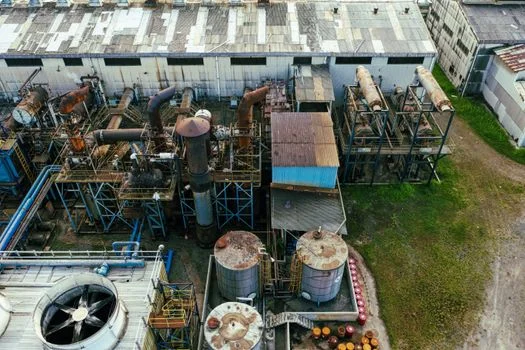
Transparent cost benchmarking is essential for budgeting and securing investment for industrial sewage treatment systems in Northern Ireland. CAPEX for DAF systems typically ranges from £50,000 to £500,000, depending on capacity and features. MBR systems, while offering superior effluent quality, represent a higher upfront investment, with CAPEX typically falling between £200,000 and £2,000,000 for larger industrial applications. Chemical precipitation units are generally the most affordable in terms of initial outlay, costing between £30,000 and £150,000.
| Flow Rate (m³/h) | DAF System CAPEX (£) | MBR System CAPEX (£) | Chemical Precipitation CAPEX (£) |
|---|---|---|---|
| 10 | 80,000–150,000 | 300,000–500,000 | 40,000–80,000 |
| 50 | 150,000–300,000 | 700,000–1,200,000 | 70,000–120,000 |
| 100 | 250,000–500,000 | 1,200,000–2,000,000 | 100,000–150,000 |
OPEX comprises several key components: energy consumption, which can range from £0.10 to £0.30 per cubic meter treated; chemical costs, typically £0.05 to £0.15 per cubic meter; and sludge disposal. Sludge disposal is a significant ongoing cost in Northern Ireland, with rates from DAERA-approved facilities often between £150 and £300 per tonne. For high-volume industrial sites, particularly in the food processing sector, MBR systems can achieve a Return on Investment (ROI) within 3–5 years, primarily through savings from water reuse for non-potable applications like irrigation or cooling towers. DAF systems typically offer a payback period of 5–7 years for smaller or less demanding applications. Several financing options can mitigate upfront costs, including UK government grants such as the Industrial Energy Transformation Fund, leasing programs offered by suppliers like Depawater, and specific compliance loans facilitated by financial institutions and supported by the NIEA.
Considering how industrial wastewater treatment costs compare globally can provide further perspective on investment decisions. While exact figures vary, the principles of CAPEX, OPEX, and ROI remain consistent.
Supplier Selection Framework: How to Choose a Sewage Treatment Equipment Partner in Northern Ireland
Navigating the selection of a sewage treatment equipment supplier requires a structured approach to mitigate risks and ensure long-term compliance and operational efficiency. The first critical step is to verify the supplier’s ability to guarantee NIEA compliance. This involves scrutinising their provided test reports for effluent quality—specifically COD, TSS, pH, and any relevant metal concentrations. Red flags include suppliers lacking NIEA-approved engineers or those unable to provide documented evidence of successful compliance in similar Northern Ireland industrial settings.
Assessing local support is another vital consideration. Local suppliers, such as Depawater and Viltra, typically offer complimentary site visits, rapid response times (4–8 hours) for maintenance or troubleshooting, and a deeper understanding of regional operational nuances. International suppliers, for instance, Chinese manufacturers like HydropureWater, can offer significant cost savings (20–30%) but may present longer lead times (8–12 weeks) and rely more heavily on remote support, which might be less effective for immediate on-site issues. Thoroughly compare warranties and Service Level Agreements (SLAs). Standard equipment warranties are often 2 years, with 1 year for labour. SLAs should clearly define uptime guarantees, typically 95% or higher, and include penalty clauses for missed response times or failure to meet service commitments.
Finally, request detailed case studies and client references, particularly from industries mirroring your own—such as food processing, manufacturing, or healthcare facilities in Northern Ireland. This provides tangible evidence of the supplier’s track record and their ability to deliver solutions that meet specific operational and regulatory demands. A robust supplier evaluation checklist should include questions such as: ‘What is your average lead time for a 50 m³/h DAF system delivery and installation in Northern Ireland?’ and ‘Can you provide references for installations treating wastewater with similar contaminant profiles to ours?’
Zero-Risk Procurement Checklist: 10 Steps to Avoid Costly Mistakes
To ensure a risk-free procurement process for industrial sewage treatment equipment, follow this comprehensive checklist. This guide is designed to prevent common pitfalls such as undersized systems, non-compliant sludge disposal, and unexpected operational costs. Print and share this list with your procurement and engineering teams.
- Conduct a Thorough Wastewater Audit: Accurately measure COD, TSS, pH, and flow rates. Utilise 24-hour composite sampling as per NIEA guidelines to capture diurnal variations and peak loads.
- Size the System Correctly: Base system sizing on peak flow rates, not average flows, to prevent overflows and ensure consistent treatment performance. Refer to NIEA’s 2024 sizing requirements and guidelines.
- Verify Sludge Disposal Compliance: Northern Ireland mandates that sludge applied to land must meet ‘enhanced’ standards (≤1,000 E. coli/100g). Confirm that the supplier’s proposed sludge disposal partners are NIEA-approved and can provide necessary documentation.
- Plan for Future Expansion: Opt for modular systems, such as those offered in HydropureWater’s MBR range, which allow for 20–30% capacity upgrades without requiring entirely new infrastructure, thereby future-proofing your investment.
- Negotiate Performance Guarantees: Secure performance guarantees from the supplier, stipulating effluent quality (e.g., ≤50 mg/L COD) for a defined period (e.g., 12 months) post-installation. Include liquidated damages for any non-compliance.
- Check Lead Times Rigorously: Understand the realistic lead times—local suppliers typically range from 4–8 weeks, while international suppliers may take 8–12 weeks, factoring in shipping and customs. Factor in potential delays for non-local equipment.
- Review Maintenance Contracts Carefully: Explore options for remote monitoring using IoT sensors, which can reduce OPEX by 15–20% through proactive maintenance and fault detection. Insist on clear uptime guarantees within the contract.
- Confirm NIEA Approval: Ensure the supplier provides a ‘Certificate of Compliance’ for the specific system being procured. Verify its validity with the NIEA’s online database if possible.
- Test Water Reuse Feasibility: If an MBR system is being considered, conduct pilot tests to confirm effluent suitability for reuse applications like irrigation or cooling towers. This can significantly offset operational costs.
- Budget for Hidden Costs: Account for ongoing expenses such as sludge disposal (£150–£300/tonne), NIEA monitoring and reporting fees (£500–£2,000/year), and potential energy spikes, especially for aeration pumps during colder months.
Frequently Asked Questions
Q: What are the NIEA’s 2025 effluent discharge limits for industrial wastewater in Northern Ireland?
A: NIEA’s 2024 limits for most industrial discharges are ≤50 mg/L COD, ≤10 mg/L TSS, and ≤1 mg/L ammonia. Sensitive areas (e.g., Lough Neagh) have stricter limits, potentially ≤25 mg/L COD. Non-compliance can result in fines up to £100,000 or operational shutdowns. (Source: NIEA ‘Water Quality in Northern Ireland 2023’ report.)
Q: How much does a 50 m³/h sewage treatment plant cost in Northern Ireland?
A: A 50 m³/h DAF system typically costs £120,000–£250,000 (CAPEX), while an MBR system can range from £300,000–£600,000. OPEX for treatment generally falls between £0.20–£0.50 per cubic meter. Local suppliers like Depawater may offer financing options with estimated 5–7 year payback periods.
Q: Can I reuse treated wastewater in Northern Ireland?
A: Yes, but only if the effluent meets NIEA’s specific reuse guidelines, which typically require ≤1 mg/L TSS and 99% pathogen removal. MBR systems are the most common technology for achieving the necessary effluent quality for reuse applications such as irrigation or cooling towers. Chemical precipitation is generally not suitable for direct reuse due to residual solids and potential chemical contaminants.
Q: What’s the lead time for sewage treatment equipment in Northern Ireland?
A: Local suppliers in Northern Ireland (e.g., Depawater, Viltra) typically provide delivery and installation within 4–8 weeks. International suppliers, such as those from China (e.g., HydropureWater), may require 8–12 weeks due to shipping and customs processes. Rush orders can incur premiums of 20–30%.
Q: How do I dispose of sludge from my sewage treatment plant in Northern Ireland?
A: Sludge must be treated to meet ‘enhanced’ standards (≤1,000 E. coli/100g) before it can be applied to land. NIEA-approved disposal partners in Northern Ireland typically charge between £150–£300 per tonne for treatment and disposal. Some suppliers, like Depawater, offer bundled services that include sludge management.
Further Reading
Explore these in-depth articles on related wastewater treatment topics: