Kerala still treats only a small share of municipal sewage. Earlier guidance cited about 1,200 MLD statewide generation with roughly 4% treated (Kerala Water Authority, 2024). Kerala’s NGT Monthly Progress Report for October 2025 records urban sewage and sullage generation of 1,018 MLD and common STP capacity of 138.31 MLD across 14 functional common plants. Engineers sizing a municipal sewage treatment plant in Kerala must meet KSPCB discharge limits (BOD < 10 mg/L, TSS < 20 mg/L) while handling monsoon dilution and coastal salinity. Kochi’s planned 105 MLD scheme—55 MLD at Elamkulam and 50 MLD at Muttar—shows why modular secondary trains, sludge dewatering, and tertiary polishing now drive both compliance and CAPEX.
Why most Kerala urban sewage still goes untreated
Kerala’s urban areas generate about 1,018 MLD of sewage and sullage, while common STPs provide only 138.31 MLD of capacity across 14 functional plants (KSPCB NGT MPR, October 2025). Kochi still treats less than 5% of roughly 140 MLD. Untreated canal discharges raise pathogen risk under monsoon spikes, high groundwater, and coastal salinity.
Collection gaps remain largest in older wards where septage still reaches Edappally and Thevara-Perandoor canals. Network delays, not secondary biology alone, keep untreated volumes high until trunk sewers and the 105 MLD plants are commissioned.
Municipal sewage treatment plant in Kerala: engineering specs
Design work starts from local influent: BOD 150–300 mg/L, COD 300–600 mg/L, and TSS 200–400 mg/L (KSPCB 2024 benchmarks). Discharge targets remain BOD < 10 mg/L, COD < 50 mg/L, TSS < 20 mg/L, and fecal coliform < 1,000 MPN/100 mL under the standards cited in earlier project briefs. Plants we size for coastal wards usually need 90–95% BOD removal, 92–97% TSS removal, and 70–80% nitrogen removal where total nitrogen limits apply. Conventional activated sludge HRT is typically 6–12 hours at design flow, with equalization added for monsoon dilution.
Sludge yield is commonly 0.6–0.8 kg dry solids per kg BOD removed, and dewatering trains are set for 20–25% cake solids. Coastal outfalls usually need tertiary filtration plus UV disinfection. Inland reuse trains more often keep a chemical residual after filtration.
| Parameter | Typical Kerala Municipal Influent Quality | KSPCB Effluent Standards (Discharge) | Required Process Efficiency |
|---|---|---|---|
| BOD | 150–300 mg/L | < 10 mg/L | 90–95% removal |
| COD | 300–600 mg/L | < 50 mg/L | 85–90% removal |
| TSS | 200–400 mg/L | < 20 mg/L | 92–97% removal |
| Fecal Coliform | 106–108 MPN/100 mL | < 1,000 MPN/100 mL | > 99% reduction |
| Nitrogen (Total) | 20–50 mg/L | < 10 mg/L (where applicable) | 70–80% removal |
| Hydraulic Retention Time (ASP) | N/A | N/A | 6–12 hours |
| Sludge Production | N/A | N/A | 0.6–0.8 kg dry solids/kg BOD removed |
Process selection for Kerala STPs: ASP vs MBBR vs SBR
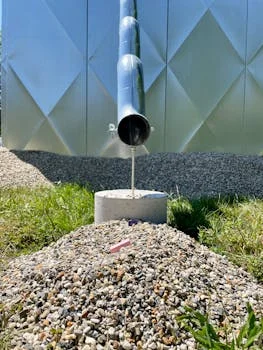
Activated Sludge Process (ASP), Moving Bed Biofilm Reactor (MBBR), and Sequencing Batch Reactor (SBR) remain the three secondary options most often shortlisted for Kerala municipal work. ASP suits plants above 50 MLD where land is available, but footprint is often about 30% larger than compact biofilm trains and monsoon dilution can unsettle mixed liquor. MBBR fits tight urban plots such as Kochi’s 13-acre Elamkulam site, handles load swings, and commonly reaches over 90% BOD removal at 4–6 hours secondary HRT. Where package footprints matter for satellite catchments, compact MBR systems for Kerala’s space-constrained STPs push effluent quality further.
SBR plants work well for 1–10 MLD town schemes because equalization, aeration, and settling share one tank. Automation raises OPEX, so most plants we commission in that band keep spare PLC and level instrumentation in the first-year budget. A typical flow sheet still runs screening and grit removal, optional primary clarification, secondary biology, secondary clarification where continuous, then tertiary filtration and disinfection.
Salinity resistance favors MBBR on coastal sites because biofilm buffers microbial washout. ASP plants facing strong monsoon dilution usually need larger equalization or tighter DO and SRT control. For decentralized wards without trunk sewers, an Underground Package Sewage Treatment Plant (WSZ Series) can cover small flows while central plants are phased.
| Feature | Activated Sludge Process (ASP) | Moving Bed Biofilm Reactor (MBBR) | Sequencing Batch Reactor (SBR) |
|---|---|---|---|
| Typical Capacity | 50+ MLD | 10–100 MLD | 1–10 MLD |
| Footprint Requirement | Large (High) | Compact (Medium-Low) | Medium (Flexible) |
| HRT (Secondary) | 6–12 hours | 4–6 hours | 12–24 hours (total cycle) |
| Resistance to Shock Loads | Moderate (Sensitive to dilution) | High (Biofilm resilience) | High (Batch operation) |
| Salinity Resistance | Moderate | High (Biofilm protects microbes) | Moderate |
| Capital Cost | Medium | Medium-High | Medium |
| Operational Cost (OPEX) | Medium | Medium-Low | High (Automation) |
| Effluent Quality | Good | Very Good | Very Good |
What does a municipal wastewater treatment plant cost?
Municipal wastewater treatment plant cost in Kerala is usually quoted per 10 MLD block. CAPEX for a 10 MLD ASP train typically runs ₹12–₹25 Cr, while MBBR sits around ₹15–₹30 Cr (2025 project band). Kochi’s Elamkulam 55 MLD plant was earlier cited near ₹130 Cr on a plant-only basis. Full IURWTS sewerage estimates are larger: The Hindu (May 2026) reports the revised Kochi sewerage scheme at ₹1,700 Cr, up from ₹1,386 Cr, covering STPs plus hundreds of kilometres of network. Earlier plant-focused notes used about ₹260 Cr for the 105 MLD STP pair (~₹2.5 Cr/MLD).
ASP OPEX commonly falls in ₹0.8–₹1.5 per m³ treated; MBBR is often ₹1.0–₹1.8 per m³ including power, chemicals, labour, and sludge haulage. Waterlogged soils raise civil costs 15–20% above many inland Indian averages. Coastal packages often need another 15–20% for corrosion-resistant materials. Avoiding KSPCB penalties of ₹1–₹5 Lakh per day, plus reuse revenue of ₹20–₹40 per m³ for industrial cooling, still dominate ROI cases. For line-item budgeting, see our detailed cost breakdowns for Kerala STP projects.
| Cost Category | Activated Sludge Process (ASP) | Moving Bed Biofilm Reactor (MBBR) | Kerala-Specific Factors |
|---|---|---|---|
| CAPEX (per 10 MLD) | ₹12–₹25 Cr | ₹15–₹30 Cr | +15–20% for civil works (waterlogged soil), +15–20% for corrosion-resistant materials (coastal) |
| OPEX (per m³) | ₹0.8–₹1.5 | ₹1.0–₹1.8 | Higher energy costs, sludge disposal fees (₹0.5–₹1.2/kg dry sludge) |
| ROI Drivers | Avoid KSPCB penalties (₹1–₹5 Lakh/day), water reuse revenue (₹20–₹40/m³), NGT incentives | N/A | |
KSPCB and NGT compliance checklist for Kerala STPs
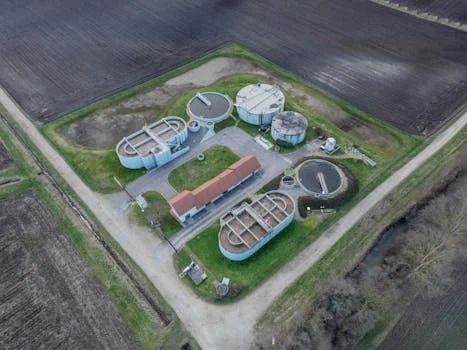
KSPCB Consent to Establish (CTE) needs a process flow diagram, EIA where applicable, and land-use proof before civil work starts. Consent to Operate (CTO) usually requires about three months of BOD, TSS, pH, and fecal coliform data plus an approved sludge disposal plan. NGT pressure remains: cities were directed to table sewage plans and move toward full collection and treatment on the 2025–2027 track cited in earlier compliance briefs. CRZ sites such as Kochi’s Muttar plot need separate coastal clearance. Untreated sludge landfilling stays banned; composting, co-incineration, or authorised soil-conditioner routes are the compliant paths. First-offense exposure can reach a ₹5 Lakh fine plus a three-month shutdown (KSPCB 2024).
| Compliance Area | Requirement | Key Documents/Actions | Authority |
|---|---|---|---|
| Consent to Establish (CTE) | Prior approval before construction | Process Flow Diagram, EIA Report, Land Use Approval | KSPCB |
| Consent to Operate (CTO) | Approval for plant operation | 3 months operational data (BOD, TSS, pH, Fecal Coliform), Sludge Disposal Plan | KSPCB |
| NGT 2023 Directive | 100% sewage collection & treatment | Comprehensive STP plans by 2025, 100% compliance by 2027 | National Green Tribunal |
| Coastal Regulation Zone (CRZ) | Environmental clearance for coastal projects | Specific CRZ clearance, Environmental Management Plan | State Coastal Zone Management Authority |
| Sludge Disposal | No landfilling of untreated sludge | Composting, Co-incineration, Authorized Off-takers | KSPCB |
| Effluent Quality | Meet KSPCB discharge standards | Continuous monitoring, Regular lab analysis | KSPCB |
| Penalties for Non-Compliance | Fines and operational shutdown | ₹5 Lakh fine + 3-month shutdown (first offense) | KSPCB |
Which equipment fits Kerala municipal STPs?
Equipment selection for Kerala municipal plants should match debris load, plot size, and salinity—not brochure capacity alone. Preliminary works need stainless steel bar screens for Kerala’s high-debris sewage with 6–10 mm openings, plus aerated or vortex grit removal before pumps. Primary solids capture on tight plots often uses high-efficiency sedimentation tanks such as lamella clarifiers, as planned for Kochi’s 3-acre Muttar site.
Secondary trains usually choose MBBR for 10–100 MLD compact sites and ASP above 50 MLD where land exists. Tertiary polishing for coastal discharge pairs rapid sand filters with UV; inland reuse more often uses chlorine dioxide. Sludge trains need sludge dewatering systems compliant with KSPCB’s landfill ban that reach 20–25% dry solids at about ₹0.5–₹1.2 per kg dry solids. Variable monsoon influent also justifies PLC-controlled dosing for Kerala’s variable influent quality. Small ward or campus flows can still use an Underground Package Sewage Treatment Plant (WSZ Series) while trunk sewers catch up. For state-to-state process contrasts, see our comparative analysis of municipal STPs in other Indian states.
| Component | Recommended Equipment | Key Specifications / Why for Kerala |
|---|---|---|
| Preliminary Screening | Rotary Mechanical Bar Screens (GX Series) | 6–10 mm opening, robust stainless steel for high debris, automated cleaning. |
| Grit Removal | Aerated Grit Chambers / Vortex Grit Removers | Efficient removal of sand/grit to protect pumps, suitable for high rainfall. |
| Primary Clarification | Lamella Clarifiers / Circular Clarifiers | Lamella for space-constrained sites (e.g., 3-acre Muttar STP); efficient TSS removal. |
| Secondary Treatment | MBBR (Moving Bed Biofilm Reactor) | 10–100 MLD, compact footprint, resilient to load variations and salinity. |
| Secondary Treatment (Large Scale) | Activated Sludge Process (ASP) | 50+ MLD, proven for scale where land is available; requires robust control for monsoon dilution. |
| Tertiary Filtration | Rapid Sand Filters / Dual Media Filters | Removes residual TSS, crucial for coastal discharge and reuse. |
| Disinfection | UV Disinfection System / Chlorine Dioxide Generator | UV for coastal discharge (no chemical residue); ClO2 for inland reuse (residual disinfection). |
| Sludge Dewatering | Plate-and-Frame Filter Presses | Achieves 20–25% dry solids, compliant with KSPCB landfill ban, robust operation. |
| Chemical Dosing | Automatic Chemical Dosing System (PLC-controlled) | Precise pH adjustment, nutrient removal, polymer dosing for dewatering; adaptable to influent changes. |
Case study: Kochi’s 105 MLD STP scheme
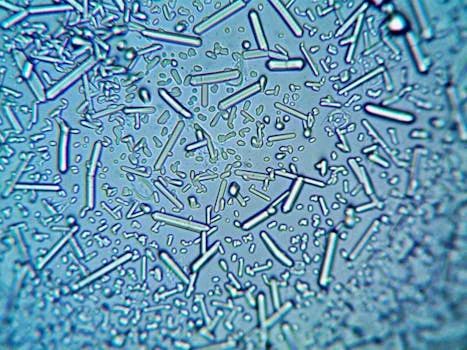
Kochi’s 105 MLD programme pairs a 55 MLD plant at Elamkulam on Kerala Water Authority’s 13-acre land with a 50 MLD plant at Muttar on a 3-acre KMRL plot (The Hindu, May 2026). The scheme serves Kochi Corporation plus Kalamassery, Thripunithura, and Thrikkakara against 2050 population projections. Sewage generation for that catchment is about 140 MLD, with less than 5% treated today and roughly 70–80% of septage still entering canals. Process logic still splits by plot: compact biology on the Elamkulam acreage, ASP where the Muttar plot allows a larger footprint.
Land acquisition, CRZ scrutiny, and salinity at Elamkulam remain the main delivery risks. Design targets still aim above 93% BOD removal and 95% TSS removal, with about 30% treated-water reuse for industrial cooling once networks are live. Civil share near 30% of plant CAPEX is normal in waterlogged Kerala soils. A municipal sewage treatment plant in Kerala of this scale still needs early sludge off-take contracts, or CTO timelines slip after mechanical completion.
Who this is for and next step
This guide is for municipal engineers, EPC bidders, and procurement teams sizing Kerala STPs from about 1 MLD package plants to 50+ MLD central works. Teams chasing semiconductor UPW piping, ozone-versus-chlorine OPEX, or data-centre cooling reuse should look at specialised utility pages instead. If you are matching process train, sludge route, and plot constraints for a live tender, request a Kerala STP equipment checklist and sizing review with your influent sheet and discharge mode.
Frequently Asked Questions
What are the key KSPCB effluent standards for municipal STPs in Kerala?
KSPCB discharge briefs used on recent municipal tenders still cite BOD < 10 mg/L, COD < 50 mg/L, TSS < 20 mg/L, and fecal coliform < 1,000 MPN/100 mL. Total nitrogen < 10 mg/L applies where the consent specifies nutrient control. Plants need continuous or scheduled lab proof of these limits before and after CTO issuance. Coastal reuse or drain discharge modes may tighten individual parameters in the consent letter.
How does Kerala’s high rainfall change STP hydraulic design?
Monsoon inflows dilute BOD and raise peak hydraulic load within hours, so equalization volume and resilient secondary biology matter more than steady-state HRT alone. MBBR and SBR usually tolerate those swings better than lightly loaded ASP without equalization. Screening and grit capacity should be set on peak wet-weather flow, not average dry-day flow. Most coastal plants we review also derate blower and recycle assumptions for cooler, diluted mixed liquor.
What is the typical CAPEX for a 10 MLD municipal STP in Kerala?
A 10 MLD ASP plant typically costs ₹12–₹25 Cr, while MBBR is usually ₹15–₹30 Cr before site premiums. Waterlogged civil works and coastal corrosion protection each add about 15–20% in many Kerala bids. Network-heavy city schemes can dwarf plant-only CAPEX, as Kochi’s revised sewerage estimate of ₹1,700 Cr shows. Always separate plant mechanical packages from sewer and pumping mains in the budget.
How must Kerala STPs dispose of sewage sludge?
KSPCB bans landfilling of untreated sewage sludge, so dewatering to about 20–25% solids is only the first step. Compliant routes include composting, co-incineration, or use as a quality-controlled soil conditioner through authorised off-takers. Contracts should name the off-taker and keep weighbridge and lab records for CTO audits. Dewatering OPEX commonly lands near ₹0.5–₹1.2 per kg dry solids depending on polymer dose and haul distance.
Which secondary process suits compact coastal municipal sites?
MBBR is usually the first shortlist item for 10–100 MLD coastal plots because biofilm resists salinity swings and needs only 4–6 hours secondary HRT. ASP remains viable above 50 MLD when land is cheap and equalization is sized for monsoon dilution. SBR fits 1–10 MLD towns that want one-tank flexibility and can fund automation. Final choice should follow plot area, peak wet-weather factor, and whether tertiary reuse is mandatory.