Barranquilla’s Industrial Wastewater Landscape: Key Challenges and Regulations
Industrial wastewater treatment in Barranquilla presents a complex interplay of stringent environmental regulations, unique industry-specific effluent characteristics, and significant infrastructural vulnerabilities. Compliance with Colombian Resolution 0631/2015 is paramount, setting discharge limits for parameters such as Total Suspended Solids (TSS) below 50 mg/L and Biochemical Oxygen Demand (BOD) below 30 mg/L for industrial effluents. However, local environmental authorities may impose further, more stringent requirements tailored to the specific receiving waters and regional impact. This regulatory framework is further complicated by Barranquilla's geographical position, making it highly susceptible to flooding and sea-level rise, which can compromise treatment infrastructure. As highlighted by a 2020 Medium article, historical mismanagement of water infrastructure has left the city, and its 2 million residents, at risk. Generic, one-size-fits-all wastewater solutions often fall short due to the highly variable and often aggressive nature of industrial wastewater generated locally.
Breweries in Barranquilla commonly discharge effluents with high Chemical Oxygen Demand (COD) ranging from 3,000 to 8,000 mg/L and a low pH between 3.5 and 5.0, often due to the fermentation and cleaning processes. Paper mills, conversely, contend with high TSS levels, typically 1,000–3,000 mg/L, and significant concentrations of lignin and other recalcitrant organic compounds. Food processing facilities often generate wastewater rich in Fats, Oils, and Grease (FOG), with concentrations between 500–2,000 mg/L, alongside high BOD and COD. These varied characteristics necessitate a targeted approach to treatment. Common compliance pitfalls include inadequate pretreatment, insufficient sludge management capacity, and the corrosive nature of effluents, as tragically exemplified by Cervecería Águila's tank corrosion issues. Without understanding these localized challenges and regulatory nuances, facilities risk non-compliance, environmental penalties, and operational failures.
| Parameter | Colombian Resolution 0631/2015 (Industrial Discharge) | Barranquilla Brewery Effluent (Typical) | Barranquilla Paper Mill Effluent (Typical) | Barranquilla Food Processing Effluent (Typical) |
|---|---|---|---|---|
| TSS (mg/L) | < 50 | 2,000 – 6,000 | 1,000 – 3,000 | 500 – 1,500 |
| BOD (mg/L) | < 30 | 2,000 – 5,000 | 800 – 2,000 | 600 – 1,800 |
| COD (mg/L) | N/A (Often regulated locally) | 3,000 – 8,000 | 1,500 – 4,000 | 1,000 – 3,000 |
| FOG (mg/L) | N/A (Often regulated locally) | 50 – 200 | 20 – 100 | 500 – 2,000 |
| pH | 6.0 – 9.0 | 3.5 – 5.0 | 6.0 – 8.0 | 5.5 – 8.5 |
| Temperature (°C) | < 40 | 20 – 30 | 30 – 50 | 25 – 45 |
Treatment Technology Comparison for Barranquilla’s Industrial Sectors
Selecting the appropriate wastewater treatment technology is critical for achieving compliance with Resolution 0631/2015 and optimizing operational costs in Barranquilla. Dissolved Air Flotation (DAF) systems, such as HydropureWater’s, are highly effective for removing suspended solids and FOG, achieving 92–97% TSS removal across flow rates from 4 to 300 m³/h. These systems are particularly well-suited for Barranquilla’s food processing and brewery sectors, with CAPEX typically ranging from $80,000 to $350,000 for common industrial capacities. Membrane Bioreactor (MBR) systems offer a compact footprint and produce effluent of near-reuse quality (<1 μm filtration), making them an excellent choice for paper mills with limited space. Smurfit Kappa’s facility in Barranquilla, for instance, utilizes an anaerobic system combined with MBR technology, demonstrating the effectiveness of hybrid approaches. MBR systems can range from $120,000 to $500,000. Anaerobic digestion is highly efficient for high-strength organic wastewater from breweries and paper mills, achieving 70–90% COD reduction while generating biogas for energy recovery. Operational expenditure savings can range from $0.15–$0.30 per cubic meter treated. Chemical treatment, primarily for pH adjustment and coagulation, is often a necessary component of any treatment train but is insufficient on its own for high-strength or complex industrial effluents. The corrosive nature of effluents, as seen at Cervecería Águila, can severely degrade standard materials, necessitating specialized, corrosion-resistant equipment.
| Technology | Primary Application in Barranquilla | Typical TSS Removal (%) | Typical BOD/COD Reduction (%) | Footprint | Estimated CAPEX (10-100 m³/h) | Estimated OPEX ($/m³) | Barranquilla Specific Considerations |
|---|---|---|---|---|---|---|---|
| Dissolved Air Flotation (DAF) | Food Processing (FOG), Breweries (TSS, FOG) | 92 – 97 | 30 – 60 (Pre-treatment) | Medium | $80,000 – $350,000 | $0.20 – $0.80 | Effective for high FOG loads; requires chemical coagulants/flocculants. Detailed DAF system specifications for Barranquilla’s industrial applications can inform selection. |
| Membrane Bioreactor (MBR) | Paper Mills (Space constraints), Food Processing (High effluent quality) | 98 – 99.9 | 85 – 95 | Small | $120,000 – $500,000 | $0.30 – $1.20 | Compact design ideal for urbanized areas; susceptible to fouling; requires pre-treatment for high TSS/FOG. MBR systems for compact, near-reuse-quality treatment in Barranquilla’s paper mills are a strong option. |
| Anaerobic Treatment | Breweries (High COD), Paper Mills (High COD) | N/A (Primarily COD reduction) | 70 – 90 | Large (with biogas handling) | $200,000 – $1,000,000 | $0.15 – $0.50 (with biogas credit) | Excellent for high-strength organic wastewater; produces biogas for energy recovery; requires careful temperature control and stable influent. |
| Chemical Treatment (pH Adjustment, Coagulation) | All sectors (Pre-treatment/Polishing) | Variable (depends on chemicals) | Variable (depends on chemicals) | Small | $10,000 – $50,000 (for dosing systems) | $0.10 – $0.30 | Essential for pH neutralization and flocculation; Automated pH adjustment and coagulant dosing for compliance with Resolution 0631/2015 ensures consistent performance. |
Cost Breakdown: Industrial Wastewater Treatment in Barranquilla (2025 Data)
Capital expenditure (CAPEX) for industrial wastewater treatment systems in Barranquilla varies significantly by technology and capacity. DAF systems for capacities between 10–100 m³/h typically range from $80,000 to $350,000. MBR systems, offering higher treatment quality and a smaller footprint, can cost between $120,000 and $500,000 for similar capacities. Anaerobic digestion systems, particularly those incorporating biogas recovery, represent a higher initial investment, ranging from $200,000 to $1,000,000, but offer substantial long-term operational savings. Operational expenditure (OPEX) benchmarks are also crucial for budgeting. For DAF, OPEX is estimated at $0.20–$0.80/m³, for MBR at $0.30–$1.20/m³, and for anaerobic systems, it can be as low as $0.15–$0.50/m³ when considering energy recovery. Local cost factors in Barranquilla include import duties of approximately 16% on equipment, labor rates for skilled operators averaging $15–$25/hour, and sludge disposal fees which can range from $50–$100 per ton. When calculating return on investment (ROI), anaerobic systems typically show a payback period of 3–5 years due to biogas revenue and reduced chemical costs, compared to 5–7 years for DAF systems. It is vital to account for hidden costs, such as the necessity for corrosion-resistant materials like 316L stainless steel for brewery wastewater, and the investment in flood-proofing infrastructure to ensure continuous operation in Barranquilla's climate. These factors significantly influence the total cost of ownership.
| Component | Technology | Estimated CAPEX (10-100 m³/h) | Estimated OPEX ($/m³) | Barranquilla Specific Cost Factors |
|---|---|---|---|---|
| Wastewater Treatment Plant | DAF | $80,000 – $350,000 | $0.20 – $0.80 | 16% Import Duty, Local Installation Costs |
| Wastewater Treatment Plant | MBR | $120,000 – $500,000 | $0.30 – $1.20 | 16% Import Duty, Membrane Replacement Costs |
| Wastewater Treatment Plant | Anaerobic Digester + Biogas System | $200,000 – $1,000,000 | $0.15 – $0.50 (with biogas credit) | 16% Import Duty, Biogas Utilization Infrastructure |
| Ancillary Equipment (Pumps, Controls) | All | 10 – 20% of Plant CAPEX | N/A | Corrosion-resistant materials add 20-40% to equipment cost |
| Sludge Handling | Filter Press | $30,000 – $150,000 | $0.05 – $0.20 (Disposal) | Sludge Disposal Fees: $50 – $100/ton |
| Labor | All | N/A | $0.05 – $0.15 | Operator Wages: $15 – $25/hour |
Equipment Selection Checklist for Barranquilla Facilities
To effectively navigate the complexities of industrial wastewater treatment in Barranquilla, a systematic equipment selection process is essential. Begin by thoroughly characterizing your effluent through comprehensive lab testing. This includes measuring key parameters such as pH, COD, TSS, FOG, salinity, and any specific industrial pollutants relevant to your operations. Step 2 involves matching the most suitable treatment technology to your industry's specific needs; for example, DAF systems are ideal for food processing and breweries handling high FOG and TSS loads, while MBR systems are often preferred by paper mills facing space constraints. Step 3 requires accurately sizing the treatment system based on peak flow rates, incorporating a minimum 20% buffer to account for potential surges and extreme weather events common in Barranquilla. Step 4 is to verify that the selected technology and design will consistently meet the stringent discharge limits stipulated by Colombian Resolution 0631/2015, ensuring TSS <50 mg/L and BOD <30 mg/L. Step 5 involves a detailed assessment of both CAPEX and OPEX, considering energy consumption, chemical usage, and sludge disposal costs. A decision tree can aid in comparing the long-term economic viability of different technologies. Finally, Step 6 emphasizes planning for redundancy and resilience, especially given Barranquilla’s climate risks; this includes investing in backup pumps and robust flood barriers to safeguard your wastewater treatment infrastructure. This structured approach ensures compliance, optimizes performance, and minimizes operational risks.
- Characterize Effluent: Conduct detailed laboratory analysis for pH, COD, TSS, FOG, salinity, and specific pollutants. (Consult local accredited labs for accurate testing).
- Match Technology to Industry:
- Breweries: Anaerobic treatment (high COD) + DAF (TSS/FOG)
- Paper Mills: MBR (space-saving, high quality) or Anaerobic + DAF
- Food Processing: DAF (FOG/TSS) or MBR (high quality)
- System Sizing: Determine required capacity based on average and peak flow rates. Add a minimum 20% buffer for flow variability and potential extreme weather events.
- Regulatory Compliance Verification: Ensure the chosen system design guarantees adherence to Resolution 0631/2015 limits (e.g., TSS < 50 mg/L, BOD < 30 mg/L) and any local mandates.
- OPEX vs. CAPEX Analysis: Evaluate capital costs against long-term operational expenses (energy, chemicals, labor, sludge disposal). Consider technologies like anaerobic systems with biogas recovery for improved ROI. Automated pH adjustment and coagulant dosing for compliance with Resolution 0631/2015 can minimize chemical variability.
- Resilience and Redundancy Planning: Incorporate flood-proofing measures for site infrastructure and ensure critical components (e.g., pumps) have backup systems to maintain operation during power outages or extreme weather. Sludge dewatering solutions for Barranquilla’s industrial wastewater plants, such as plate and frame filter presses, are essential for managing solid waste.
Case Study: Brewery Wastewater Treatment in Barranquilla
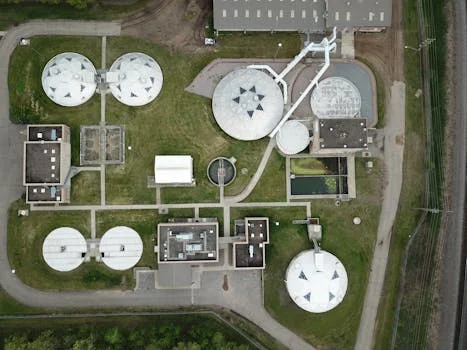
Cervecería Águila in Barranquilla faced a critical challenge with concrete tank corrosion in its wastewater treatment plant, a common issue for breweries discharging highly acidic effluents (pH 3.5–5.0) with high chloride content. This corrosion led to significant leaks and threatened the structural integrity of their treatment infrastructure, as documented in a Xypex case study. The problem stemmed from the aggressive chemical nature of the brewery’s wastewater, which eroded the concrete over time. To address this, Cervecería Águila implemented a two-part solution: Xypex Crystalline Technology was used for tank repair and waterproofing, costing approximately $50,000, and a Dissolved Air Flotation (DAF) system was installed for pretreatment, with an estimated cost of $250,000. The DAF system effectively reduced TSS from 1,200 mg/L to below 50 mg/L and COD from 6,500 mg/L to under 500 mg/L, achieving compliance with Resolution 0631/2015. Key lessons learned emphasize the critical importance of selecting corrosion-resistant materials, such as 316L stainless steel, for components exposed to acidic wastewater, and the necessity of continuous pH monitoring. An alternative, more advanced approach for breweries like Cervecería Águila would be to integrate anaerobic pretreatment for significant COD reduction and biogas recovery, followed by an MBR for polishing, offering potential long-term operational cost savings and enhanced sustainability.
Frequently Asked Questions
Q1: What are the primary regulatory requirements for industrial wastewater discharge in Barranquilla under Colombian Resolution 0631/2015?
A1: Resolution 0631/2015 sets limits for industrial discharges, notably TSS < 50 mg/L and BOD < 30 mg/L. Local authorities may enforce stricter limits. Compliance also requires managing parameters like COD, FOG, and pH. How Nevada’s industrial wastewater regulations compare to Colombia’s Resolution 0631/2015 can provide broader context on regulatory approaches.
Q2: How does Barranquilla's susceptibility to flooding impact wastewater treatment infrastructure?
A2: Flooding can inundate treatment plants, causing operational disruptions, equipment damage, and potential discharge of untreated or partially treated wastewater. Infrastructure must be designed with flood-proofing measures, elevated components, and robust containment. Buried treatment systems for food processing plants in flood-prone areas like Barranquilla offer a partial solution.
Q3: What is the typical cost range for a DAF system for a medium-sized brewery in Barranquilla?
A3: For a medium-sized brewery requiring a DAF system with a capacity of approximately 20-50 m³/h, the CAPEX can range from $100,000 to $250,000, excluding installation and civil works. Detailed DAF machine specifications for Barranquilla’s industrial applications are crucial for accurate quoting.
Q4: Are there options for energy recovery from industrial wastewater in Barranquilla?
A4: Yes, anaerobic digestion systems are ideal for high-strength organic wastewater from breweries and paper mills. These systems produce biogas, which can be used for heat or electricity generation, significantly reducing operational energy costs and contributing to a lower OPEX.
Q5: How can I ensure my chosen wastewater treatment equipment is resistant to corrosion from brewery effluent?
A5: Specify materials like 316L stainless steel for tanks, piping, and critical components. Coated carbon steel or specialized polymers may also be suitable depending on the specific chemical composition. Regular maintenance and monitoring of effluent chemistry are also vital.
Related Equipment

The following HydropureWater products are engineered for the wastewater challenges discussed above:
- DAF systems for high-efficiency TSS removal in Barranquilla’s food processing and brewery sectors — view specifications, capacity range, and technical data
- MBR systems for compact, near-reuse-quality treatment in Barranquilla’s paper mills — view specifications, capacity range, and technical data
- Automated pH adjustment and coagulant dosing for compliance with Resolution 0631/2015 — view specifications, capacity range, and technical data
- Sludge dewatering solutions for Barranquilla’s industrial wastewater plants — view specifications, capacity range, and technical data
Need a customized solution? Request a free quote with your specific flow rate and pollutant parameters.