Panama’s industrial wastewater treatment landscape is governed by ANAM Resolution 020-2015, with 2025 updates tightening limits for TSS (≤30 mg/L), BOD (≤25 mg/L), and FOG (≤10 mg/L) for discharges into the Bay of Panama. The country’s largest municipal plant (238,000 m³/day) uses BNR technology, but industrial facilities—especially in Colón’s free zone—require tailored solutions like DAF systems (92–97% TSS removal) or MBR (near-reuse quality effluent). This guide provides Panama-specific engineering specs, cost benchmarks (e.g., $1.2M–$4.5M for 50–500 m³/h systems), and a compliance checklist for food processing, textiles, and manufacturing.
Panama’s Industrial Wastewater Regulations: 2025 Standards and Compliance Risks
Compliance with Panama’s industrial wastewater standards is critical for avoiding significant penalties, with fines reaching up to $50,000 for non-compliance in 2023, as seen in cases involving Colón factories. The primary regulatory framework for industrial wastewater treatment in Panama is established by ANAM Resolution 020-2015, which sets the effluent limits for discharge into receiving bodies. Upcoming 2025 updates, formalized by Resolution 123-2024 (as per recent regulatory announcements), introduce more stringent parameters to protect Panama’s aquatic ecosystems, particularly the sensitive Bay of Panama.
For direct discharge into the Bay of Panama or other sensitive aquatic environments, the 2025 updates stipulate tighter limits, including TSS ≤30 mg/L, BOD ≤25 mg/L, and FOG ≤10 mg/L. Facilities discharging into municipal sewer systems have different pre-treatment requirements, typically requiring pH between 6 and 9 and TSS ≤100 mg/L, to protect municipal infrastructure. Exceeding these limits can lead to not only fines but also operational shutdowns and reputational damage.
Sector-specific standards address unique effluent characteristics. Food processing plants, for instance, face stringent FOG limits (≤10 mg/L) due to the high organic content in their wastewater. Textile manufacturers must manage color (≤50 Pt-Co) and COD, while pharmaceutical facilities contend with complex organic compounds, requiring COD ≤125 mg/L and strict heavy metal controls. The permitting process for an industrial wastewater treatment plant in Panama typically spans 6 to 12 months, necessitating comprehensive Environmental Impact Assessments (EIA) and detailed engineering drawings. Common rejection reasons include inadequate sludge disposal plans or insufficient detail in process descriptions.
A notable case in Colón involved a food processing plant that consistently exceeded its TSS discharge limits, incurring annual fines of approximately $50,000. By implementing a DAF system for FOG and TSS removal in Panama’s food processing sector, the plant successfully reduced its TSS from an average of 200 mg/L to a compliant 25 mg/L, eliminating the recurring penalties and ensuring operational continuity (HydropureWater field data, 2024).
| Parameter | 2025 Effluent Limits for Direct Discharge (e.g., Bay of Panama) | Pre-treatment Limits for Municipal Discharge (typical) | Sector-Specific Considerations |
|---|---|---|---|
| Total Suspended Solids (TSS) | ≤30 mg/L | ≤100 mg/L | High for food processing, manufacturing |
| Biochemical Oxygen Demand (BOD) | ≤25 mg/L | ≤250 mg/L | High for food processing, pharmaceuticals |
| Chemical Oxygen Demand (COD) | ≤125 mg/L | ≤500 mg/L | High for pharmaceuticals, textiles |
| Fats, Oils, and Grease (FOG) | ≤10 mg/L | ≤50 mg/L | Critical for food processing (e.g., meat, dairy) |
| pH | 6.0–9.0 | 6.0–9.0 | Acidic/alkaline for textiles, metalworking |
| Color | ≤50 Pt-Co | N/A (often aesthetic) | Primary concern for textile dyeing |
| Heavy Metals (e.g., Cr, Pb, Cd) | Specific limits (e.g., Cr ≤0.5 mg/L) | Specific limits (e.g., Cr ≤2.0 mg/L) | Relevant for metalworking, pharmaceuticals |
Industrial Wastewater Treatment Processes for Panama’s Key Sectors
Selecting the appropriate industrial wastewater treatment technology in Panama is dictated by the specific effluent profile of each sector and the stringent ANAM compliance requirements. Different industries generate distinct pollutant loads, necessitating tailored process solutions.
For the **food processing sector**, characterized by high concentrations of Fats, Oils, and Grease (FOG) and Total Suspended Solids (TSS), DAF systems with 92–97% TSS removal at 50–300 m³/h are highly effective. These systems utilize micro-bubbles to float FOG and suspended solids to the surface for skimming, significantly reducing the organic load. While some older facilities in Panama might use anaerobic digesters for high-strength organic waste, DAF provides a more robust and immediate solution for primary treatment, particularly when discharge limits are tight. For instance, a dairy plant in Chiriquí successfully integrated a DAF unit as pre-treatment to reduce FOG from 150 mg/L to below 5 mg/L before biological treatment (HydropureWater field data, 2023).
**Textile manufacturing facilities** in Panama face challenges with high COD, color, and fluctuating pH from dyeing and finishing processes. Effective treatment typically involves a combination of chemical coagulation and flocculation. This process begins with pH adjustment using an automatic chemical dosing system for pH adjustment and coagulation in Panama’s industrial wastewater, followed by the addition of coagulants like Poly-Aluminum Chloride (PAC) or ferric chloride. The resulting flocs are then efficiently separated using lamella clarifiers, which operate with surface loading rates of 20–40 m/h, offering a compact solution for significant color and COD reduction.
**Pharmaceutical plants** often produce wastewater with complex organic compounds, trace active pharmaceutical ingredients (APIs), and heavy metals, requiring advanced treatment to meet stringent discharge or reuse standards. MBR systems (DF series) with 0.1 μm PVDF membranes for 99% pathogen removal are an optimal choice. These systems combine biological treatment with membrane filtration, producing near-reuse quality effluent that often surpasses WHO Guidelines for Drinking-water Quality for specific parameters. MBR technology ensures superior removal of COD, BOD, and suspended solids, making it suitable for facilities aiming for water recycling or direct discharge into sensitive environments.
For **metalworking industries**, which generate wastewater containing oils, heavy metals, and suspended solids, an integrated approach is necessary. This typically involves initial pretreatment with a rotary bar screen for gross solids removal, followed by a DAF system for oil and grease separation. Subsequent biological treatment, often an A/O (Anaerobic/Oxic) process, addresses organic pollutants, with tertiary treatment stages for heavy metal precipitation and removal.
Effective **sludge management** is an integral part of any industrial wastewater treatment system. The dewatering of sludge generated from DAF, chemical precipitation, or biological processes is crucial for reducing disposal volumes and costs. Plate-and-frame filter presses (1–500 m²) are commonly employed to achieve 30–40% solids content. In Panama, municipal plant sludge disposal costs are approximately $80/ton, highlighting the economic benefit of efficient dewatering (MiAmbiente data, 2024).
Cost Breakdown: Industrial Wastewater Treatment Systems in Panama (2025)
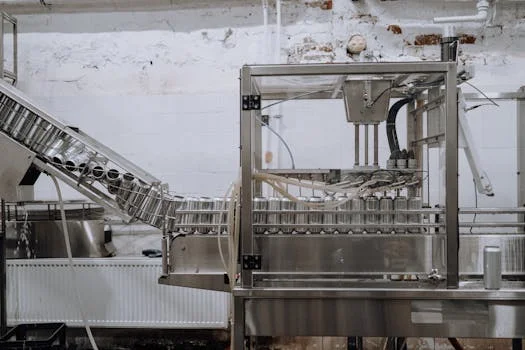
Accurate budgeting for industrial wastewater treatment systems in Panama requires a clear understanding of both Capital Expenditure (CAPEX) and Operational Expenditure (OPEX). The total cost varies significantly based on system capacity, technology complexity, and local installation conditions. For industrial facilities seeking to design, upgrade, or procure a system, typical CAPEX ranges from $1.2M to $6M for systems treating 50 to 500 m³/h.
CAPEX Breakdown:
- Equipment: This constitutes the largest portion, covering core treatment units like DAF, MBR, clarifiers, pumps, blowers, and control systems.
- Civil Works: Includes excavation, concrete foundations, tank construction, and building enclosures.
- Installation & Commissioning: Labor, piping, electrical connections, and initial system startup.
OPEX for Industrial Wastewater Treatment:
- Energy: Power consumption for pumps, blowers, and mixers.
- Chemicals: Coagulants, flocculants, pH adjusters, disinfectants.
- Labor: Operator salaries, maintenance staff.
- Maintenance & Consumables: Spare parts, membrane replacement (for MBR), filter media.
The average OPEX for a DAF system typically falls between $0.15–$0.30/m³, while more advanced MBR systems incur higher OPEX, ranging from $0.25–$0.50/m³ due to energy-intensive membrane filtration and periodic membrane cleaning/replacement (HydropureWater cost analysis, 2025).
Return on Investment (ROI) for Water Reuse: Panama’s industrial water tariffs, which are approximately $1.20/m³ in Colón and $1.80/m³ in Panama City (IDAAN, 2024), present a compelling case for water reuse. Implementing an MBR system that produces high-quality effluent suitable for non-potable uses can yield savings of $0.50/m³ by reducing reliance on municipal water supply. This can lead to an ROI payback period of 3-7 years, depending on the volume of water reused and the initial CAPEX.
Financing Options: Industrial facilities in Panama can explore various financing mechanisms. The Inter-American Development Bank (IDB) offers loans with competitive interest rates (4–6%) for environmental infrastructure projects. Additionally, Panama's 'Green Credit' program provides tax incentives and favorable loan terms for businesses investing in sustainable technologies, including water reuse systems.
Hidden Costs: Beyond the direct CAPEX and OPEX, several hidden costs can impact the overall project budget. These include Environmental Impact Assessment (EIA) studies ($20,000–$50,000), sludge disposal fees ($80/ton, as mentioned for municipal sludge), and essential operator training (2–4 weeks) to ensure efficient and compliant system operation.
| System Capacity | CAPEX Range (USD) | Typical OPEX (USD/m³) | Key Cost Drivers |
|---|---|---|---|
| 50 m³/h | $1.2M–$1.8M | $0.25–$0.40 | Equipment (DAF/MBR), basic civil works |
| 200 m³/h | $2.5M–$3.5M | $0.20–$0.35 | Larger equipment, extensive civil works, automation |
| 500 m³/h | $4.0M–$6.0M | $0.18–$0.30 | Advanced MBR/DAF, comprehensive civil/electrical, complex controls |
Equipment Selection Framework for Panama’s Industrial Facilities
Choosing the optimal industrial wastewater treatment system in Panama requires a structured decision-making process based on effluent characteristics, regulatory compliance targets, and operational considerations. A systematic framework helps industrial facilities match their specific needs to the most appropriate technology, such as DAF, MBR, or chemical dosing.
A primary decision matrix for technology selection operates on key effluent parameters:
- If FOG >50 mg/L or TSS >100 mg/L: A DAF system for FOG and TSS removal in Panama’s food processing sector is the primary choice for effective physical-chemical separation.
- If COD >500 mg/L, BOD >250 mg/L, or water reuse is targeted: An MBR system for near-reuse-quality effluent in pharmaceutical and textile wastewater offers superior organic removal and pathogen reduction.
- If pH <5 or >9: An automatic chemical dosing system for pH adjustment and coagulation in Panama’s industrial wastewater is essential for neutralization prior to biological treatment or discharge.
- If color is a primary concern (e.g., textiles): Chemical coagulation-flocculation, often followed by advanced oxidation processes or activated carbon, is recommended.
Footprint considerations are vital, especially in urbanized or land-constrained areas like those found in Panama City or Colón. MBR systems, by integrating biological treatment and filtration, typically require 60% less footprint than conventional activated sludge systems. For facilities prioritizing aesthetics or limited surface space, buried wastewater treatment systems for food processing plants in Panama, such as the WSZ series, offer a landscaping-friendly solution by situating most components underground.
Automation levels also influence equipment selection and long-term OPEX. PLC-controlled systems are highly recommended for 24/7 industrial operations, offering remote monitoring, automatic fault detection, and optimized chemical dosing, thereby reducing labor costs and improving process stability. Manual systems, while having lower initial CAPEX, typically incur higher OPEX due to increased labor requirements and potential for operational inconsistencies.
When considering the local supplier landscape in Panama, several vendors operate in Panama City and Colón. While specific names are not promoted here, it is important to evaluate suppliers based on their track record, engineering capabilities, and after-sales support. A thorough review of DAF machine specifications and selection criteria for Panama’s industrial wastewater, for example, can help in vendor assessment. Regarding warranty and service, industrial clients should seek a minimum 2-year warranty for critical components like membranes and a 5-year warranty for structural components, aligning with Panama’s consumer protection laws for industrial equipment.
Compliance Checklist: 10 Steps to Meet Panama’s Industrial Wastewater Standards
Meeting Panama’s stringent industrial wastewater standards requires a proactive, systematic approach to avoid permit rejections and costly fines. This 10-step compliance checklist provides a practical guide for industrial facility managers and environmental engineers.
- Step 1: Conduct a Wastewater Audit. Characterize your facility's raw wastewater, measuring key parameters such as TSS, BOD, COD, FOG, pH, heavy metals, and temperature. This baseline data is crucial for design.
- Step 2: Select Pre-treatment Technology. Implement initial treatment steps based on the audit. This could include rotary bar screens for large solids, equalization tanks for flow balancing, or DAF for FOG and suspended solids.
- Step 3: Design for ANAM’s Limits. Engineer the treatment system to consistently achieve ANAM's 2025 discharge limits (e.g., TSS ≤30 mg/L, BOD ≤25 mg/L, FOG ≤10 mg/L).
- Step 4: Submit EIA with Engineering Drawings. Prepare and submit a comprehensive Environmental Impact Assessment (EIA) along with detailed engineering designs of the proposed wastewater treatment plant to MiAmbiente.
- Step 5: Install Monitoring Equipment. Integrate online monitoring systems for critical parameters (e.g., continuous TSS/pH meters, flow meters) to ensure real-time compliance tracking and operational control.
- Step 6: Train Operators. Provide thorough training (2–4 weeks) for plant operators, focusing on process control, chemical dosing calibration, membrane cleaning protocols, and routine maintenance.
- Step 7: Conduct Pilot Testing. Before full-scale operation, perform pilot testing (4–6 weeks) to validate treatment efficiency and document consistent effluent quality under various operational scenarios.
- Step 8: Apply for Discharge Permit. Submit the formal application for a discharge permit to MiAmbiente, including all required documentation and test results. Anticipate a processing time of 6–12 months.
- Step 9: Implement Sludge Disposal Plan. Develop and execute a legally compliant sludge disposal plan, outlining methods (e.g., landfill, incineration) and contracting with authorized facilities, considering costs such as $80/ton for dewatered sludge.
- Step 10: Schedule Annual Audits. Establish a schedule for annual internal and external audits, including ANAM inspections and third-party laboratory testing, to verify ongoing compliance and system performance.
For a detailed, customizable template of this checklist, please download our Industrial Wastewater Compliance Checklist for Panama.
Frequently Asked Questions
Industrial facility managers and environmental engineers in Panama frequently inquire about regulatory specifics, costs, and operational aspects of wastewater treatment. Here are answers to common questions:
What are the penalties for exceeding Panama’s industrial wastewater limits?
Exceeding Panama’s industrial wastewater limits, as set by ANAM Resolution 020-2015 and its 2025 updates, can result in significant fines ranging from thousands to tens of thousands of dollars, operational shutdowns, and legal action. Repeat offenses can lead to permit revocation and severe reputational damage.
Can I discharge treated wastewater into Panama’s municipal sewer system?
Yes, treated industrial wastewater can be discharged into Panama’s municipal sewer system, provided it meets specific pre-treatment requirements set by the local water authority (IDAAN). These typically include limits on pH (6-9), TSS (≤100 mg/L), and other parameters to protect the municipal network and treatment plant from damage or overloading.
How much does a 100 m³/h DAF system cost in Panama?
A 100 m³/h DAF system for industrial wastewater treatment in Panama typically has a CAPEX ranging from $1.5M to $2.2M. This estimate includes equipment, civil works, and installation. Operational costs for a DAF system of this size are generally between $0.18 and $0.28 per cubic meter, depending on energy prices and chemical consumption.
What’s the difference between aerobic and anaerobic treatment for food processing wastewater?
Aerobic treatment uses oxygen-loving microorganisms to break down organic matter, producing CO2 and water. It is effective for lower-strength wastewater and provides high effluent quality. Anaerobic treatment, without oxygen, uses microorganisms to convert organic matter into biogas (methane and CO2). It is more suitable for high-strength organic wastewater, generates less sludge, and can produce renewable energy, but typically requires post-treatment for discharge compliance.
Do I need an EIA for a small industrial wastewater treatment plant?
In Panama, an Environmental Impact Assessment (EIA) is generally required for any new industrial wastewater treatment plant, regardless of its size, as it is considered an activity with potential environmental impact. The scope of the EIA (e.g., Category I, II, or III) will depend on the plant's capacity, the nature of the industrial effluent, and the receiving environment, as determined by MiAmbiente.
Further Reading
Explore these in-depth articles on related wastewater treatment topics: