Why Uttar Pradesh Hospitals Need Specialized Wastewater Treatment
Hospital wastewater in Uttar Pradesh exhibits organic loading rates 2 to 5 times higher than standard domestic sewage, often reaching BOD levels of 600 mg/L and COD concentrations up to 1,200 mg/L per CPCB 2023 data. Unlike municipal waste, hospital effluent is a concentrated stream of pharmaceutically active compounds (PhACs), iodinated contrast media, and antibiotic-resistant genes (ARGs) that bypass conventional treatment systems. In high-density urban corridors like Lucknow, Kanpur, and Ghaziabad, these contaminants pose a direct threat to the Ganges and Yamuna basins, necessitating specialized on-site treatment.
The regulatory landscape in the state has shifted dramatically with the Uttar Pradesh Wastewater Reuse Policy 2035. This mandate requires 100% reuse of treated wastewater by 2035, positioning hospitals as priority sectors for implementing circular water economies. Treated effluent must now be redirected for landscaping, flushing, or cooling towers rather than simple discharge. This shift is critical given UP’s monsoon-driven water cycle, where summer groundwater depletion often leaves hospitals in Varanasi and Meerut facing severe water scarcity. On-site reuse via advanced STPs provides a decentralized buffer against these shortages.
Non-compliance carries heavy financial and legal penalties under the UP Water Act 2019. The Uttar Pradesh Pollution Control Board (UPPCB) can impose environmental compensation fines reaching ₹5 lakh per violation, alongside potential closure notices. Beyond fines, inadequate treatment risks catastrophic public health events; for instance, the 2023 Gorakhpur hospital case highlighted how poor sanitation infrastructure can exacerbate regional disease outbreaks. Hospitals must also consider designing healthcare-grade wastewater systems for hospital kitchens and laundries to handle high grease and surfactant loads that interfere with biological treatment stages.
Uttar Pradesh Hospital Wastewater: Characteristics and Discharge Standards
The characteristics of hospital wastewater in Uttar Pradesh are a major concern.The Uttar Pradesh Pollution Control Board (UPPCB) enforces discharge limits for hospital effluent that are significantly more stringent than general municipal standards, particularly regarding fecal coliform and residual chlorine levels. Because hospital wastewater (HWW) contains cytotoxic drugs like 5-fluorouracil and multi-drug-resistant bacteria such as Klebsiella pneumoniae, the gap between raw influent and safe discharge is vast. The following table outlines the engineering benchmarks required for compliance in UP.
| Parameter | Raw HWW (Typical UP) | CPCB General Discharge Limit | UPPCB Reuse Standard (2035) |
|---|---|---|---|
| BOD (mg/L) | 300–600 | < 30 | < 10 |
| COD (mg/L) | 500–1,200 | < 250 | < 50 |
| TSS (mg/L) | 200–500 | < 100 | < 10 |
| Ammonia-N (mg/L) | 30–70 | < 50 | < 5 |
| Fecal Coliform (MPN/100mL) | 10^6–10^8 | < 1,000 | None Detectable |
| Oil & Grease (mg/L) | 20–50 | < 10 | < 1 |
UP’s specific climate profile significantly impacts treatment efficiency. During the intense summer heat (April–June), high evaporation rates lead to an increase in Total Dissolved Solids (TDS) in raw effluent, which can inhibit biological activity in conventional activated sludge plants. Conversely, the monsoon season introduces the risk of hydraulic surges. A 500-bed hospital in Noida, for example, may see its influent BOD drop during heavy rains due to dilution, yet the total mass load remains constant, potentially washing out biomass if the system is not sized correctly. For such facilities, meeting the UPPCB reuse standard of BOD <10 mg/L for cooling towers requires tertiary filtration and advanced oxidation.
Treatment Technologies for Hospital Wastewater in Uttar Pradesh: A Comparison
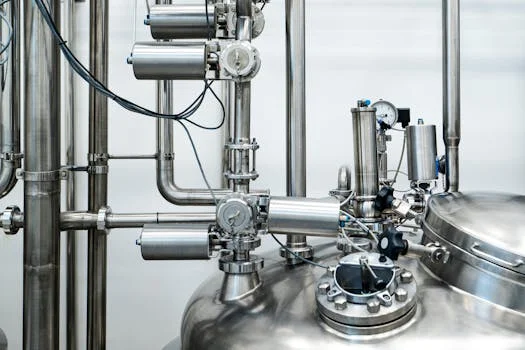
Membrane Bioreactor (MBR) technology achieves a 99.9% removal efficiency for pathogens and suspended solids, making it the primary choice for hospitals in Lucknow and Kanpur facing land constraints. Selecting the right technology involves balancing capital expenditure (CAPEX) with the long-term operational mandates of the 2035 reuse policy. The table below compares the four most prevalent systems in the UP healthcare sector.
| Technology | Footprint (m²/100 m³/d) | Effluent Quality (BOD/TSS) | Energy Use (kWh/m³) | O&M Cost (₹/m³) | UP Reuse Suitability |
|---|---|---|---|---|---|
| Conventional A/O | 120–150 | <25 / <30 | 0.4–0.6 | 8–12 | No (Requires Tertiary) |
| MBR | 40–60 | <5 / <1 | 0.8–1.2 | 18–25 | Yes (Direct Reuse) |
| DAF + A/O | 100–130 | <20 / <20 | 0.6–0.8 | 14–18 | Conditional |
| ClO₂ Disinfection | 5–10 | N/A (Pathogen Kill) | 0.1–0.2 | 2–4 | Essential Add-on |
For hospitals with limited space, compact MBR systems for urban hospitals in Uttar Pradesh offer a "fit-and-forget" solution that produces near-potable quality water. While the energy consumption is higher, the elimination of secondary clarifiers and sand filters reduces the physical footprint by 60%. In trauma centers or hospitals with large canteen facilities, installing DAF systems for hospitals with high FOG or pharmaceutical waste is necessary to protect downstream biological membranes from fouling.
Disinfection is the most critical stage for HWW. While UV and Ozone are options, on-site ClO₂ generators for hospital wastewater disinfection are preferred in Uttar Pradesh. Chlorine dioxide remains stable in high-temperature environments and provides a residual disinfectant effect in reuse piping, which is vital for preventing biofilm growth in dual-plumbing systems. ClO₂ is highly effective at inactivating antibiotic-resistant bacteria, a key requirement under 2023 WHO guidelines for medical waste management.
Step-by-Step: Designing a Hospital STP for Uttar Pradesh Compliance
The design process for a hospital STP in Uttar Pradesh must follow a structured engineering workflow.Engineering a compliant Sewage Treatment Plant (STP) in Uttar Pradesh requires a minimum hydraulic safety factor of 1.2 to account for the significant influent dilution and hydraulic surges experienced during the monsoon season. The design process must follow a structured engineering workflow to ensure the final system meets both UPPCB discharge limits and 2035 reuse targets.
- Step 1: Influent Characterization: Conduct a 7-day composite sampling study to establish baseline BOD, COD, and PhAC levels. Under the UP Water Act 2019, hospitals are required to perform quarterly testing; initial design data should reflect peak occupancy periods.
- Step 2: Treatment Train Selection: A robust HWW train starts with automated screening using a rotary mechanical bar screen to remove medical plastics and fiber. This is followed by DAF for grease removal, an MBR or A/O stage for biological nutrient removal, and finally tertiary disinfection.
- Step 3: Sizing and Redundancy: For a 300-bed hospital in Agra generating 400 L/bed/day, the design capacity should be 120 m³/day. However, to handle monsoon peaks and potential bed expansions, a 150 m³/day design is recommended.
- Step 4: Reuse Integration: Design dual-piping networks. Treated water destined for cooling towers may require an additional Reverse Osmosis (RO) step if the source water has high TDS, a common issue in western UP.
A common engineering mistake in UP is neglecting sludge management. UPPCB regulations now mandate that hospital STP sludge be treated as hazardous waste if it contains concentrated PhACs. Using a plate and frame filter press to achieve high cake dryness (30-35% solids) is essential to reduce disposal costs, as the sludge must often be sent for co-processing in cement kilns or specialized hazardous waste landfills.
Cost Breakdown: Hospital Wastewater Treatment in Uttar Pradesh (2025)
Capital expenditure for a 300-bed hospital STP in Uttar Pradesh typically ranges from ₹65 lakh to ₹95 lakh, depending on the degree of automation and the specific reuse targets mandated by the 2035 policy. While MBR systems carry a 25-35% premium in initial costs compared to conventional activated sludge, their Return on Investment (ROI) is accelerated by the reduction in fresh water procurement costs. The table below provides 2025 benchmarks for UP-based healthcare facilities.
| Hospital Size | Capacity (m³/d) | Capital Cost (₹ Lakhs) | O&M Cost (₹/m³) | Payback Period (Years) |
|---|---|---|---|---|
| 100-Bed | 40 | 25–40 | 22–28 | 6.5 |
| 300-Bed | 120 | 65–95 | 16–22 | 4.8 |
| 500-Bed | 200 | 110–160 | 12–18 | 4.2 |
Operational costs in UP are driven by electricity (averaging ₹7.5 per unit for commercial users) and chemical consumables for disinfection. However, the financial incentive for reuse is substantial. A 300-bed hospital in Lucknow can save approximately ₹12 lakh annually by replacing municipal water (priced at ₹50/m³) with treated wastewater (costing ₹15/m³ to produce) for non-potable uses. the Namami Gange Program offers a 30% subsidy for decentralized STPs in specific districts along the Ganges, significantly lowering the barrier for capital investment in 2025–26.
Supplier Decision Framework: Choosing a Hospital STP Vendor in Uttar Pradesh
Effective vendor selection is crucial for ensuring compliance with UPPCB regulations.Effective vendor selection for hospital STPs in Uttar Pradesh hinges on a