Industrial sand filter specifications typically cover 10–25 micron particle removal, filtration rates of 4.0–12.0 m³/hour/m² (often 5.0 m³/hour/m²), media depth of 600–1200 mm, and backwash at 30–50 m³/hour/m² every 24–48 hours. Media bulk density is usually 1450–1600 kg/m³. Systems sized to these ranges commonly reference NSF/ANSI 61 for wetted parts and AWWA B100 for granular media in food processing, municipal polishing, and industrial pretreatment.
How does a sand filter purify water?
Industrial sand filters remove 10–25 micron particles by depth filtration through silica media. Design filtration rates run 4.0–12.0 m³/hour/m², typically 5.0 m³/hour/m². Media depth is 600–1200 mm. Operators backwash at 30–50 m³/hour/m² every 24–48 hours or when differential pressure hits 50–70 kPa.
Depth filtration traps solids throughout the bed, not only on the surface. Graded silica creates a tortuous path where particles are held by straining, pore sedimentation, and adsorption. That path raises solids-loading capacity versus a simple screen.
Chemical pretreatment often lifts capture of colloids that sand alone would miss. Food and textile plants dose coagulants and flocculants with HydropureWater chemical dosing systems for sand filter pretreatment so charge-neutralized flocs fall into the 10–25 micron window. Paired with a pressure flotation system (DAF), sand filters can reach 92–97% TSS reduction (HydropureWater field data, 2025).
Two hydraulic layouts dominate plant design. Intermittent sand filters suit batch or low-flow duty with rest periods that allow aerobic activity in the bed. Recirculating sand filters serve high-throughput wastewater service by returning a portion of filtrate to dilute influent and stabilize loading. Most plants we size place these units downstream of secondary clarifiers for final polishing before discharge or reuse.
2026 Sand Filter Specifications: Engineering Data Table
Sand filter specifications for industrial vessels still rest on the same AWWA B100 media rules and field hydraulic ranges used in recent designs. The table below lists the benchmarks engineers use when writing purchase specs.
| Parameter | Range | Typical Value | Notes/Standards | ||||||||||||||||||||||||||||||||||||||||||||
|---|---|---|---|---|---|---|---|---|---|---|---|---|---|---|---|---|---|---|---|---|---|---|---|---|---|---|---|---|---|---|---|---|---|---|---|---|---|---|---|---|---|---|---|---|---|---|---|
| Filtration Rate (m³/hour/m²) | 4.0 – 12.0 | 5.0 | Higher rates reduce footprint but increase backwash frequency. | ||||||||||||||||||||||||||||||||||||||||||||
| Media Depth (mm) | 600 – 1200 | 800 | Deeper beds improve removal efficiency but increase pressure drop. | ||||||||||||||||||||||||||||||||||||||||||||
| Particle Removal (microns) | 10 – 25 | 15 | Influent turbidity should be <50 NTU for optimal performance. | ||||||||||||||||||||||||||||||||||||||||||||
| Backwash Rate (m³/hour/m²) | 30 – 50 | 40 | Requires 15–30% bed expansion for effective cleaning. | ||||||||||||||||||||||||||||||||||||||||||||
| Backwash Frequency (hours) | 12 – 72 | 24 – 48 | Triggered by time or differential pressure (DP). | ||||||||||||||||||||||||||||||||||||||||||||
| Pressure Drop (kPa) | 10 – 70 | 30 – 50 | Alarm set at 70 kPa to prevent media channeling. | ||||||||||||||||||||||||||||||||||||||||||||
| Media Bulk Density (kg/m³) | 1450 – 1600 | 1550 | Determines the pump head required for backwash expansion. | ||||||||||||||||||||||||||||||||||||||||||||
| Vessel Materials | CS, SS, FRP | SS304/316 | Carbon steel requires epoxy coating (NSF/ANSI 61 compliant). | ||||||||||||||||||||||||||||||||||||||||||||
| Compliance Standards | NSF, AWWA, ISO | AWWA B100 | Covers media purity, solubility, and size distribution.Those media limits sit alongside the hydraulic ranges above when buyers write bid documents.
Vessel material drives life-cycle cost. FRP works for smaller diameters and mild service. Most high-pressure industrial trains above 6 bar, or hot process water, use 304 or 316 stainless steel. Carbon steel remains viable for large municipal pretreatment when a high-solids epoxy lining meets NSF/ANSI 61 for potable contact. Filter Media Selection: Sand vs. Anthracite vs. Multi-Media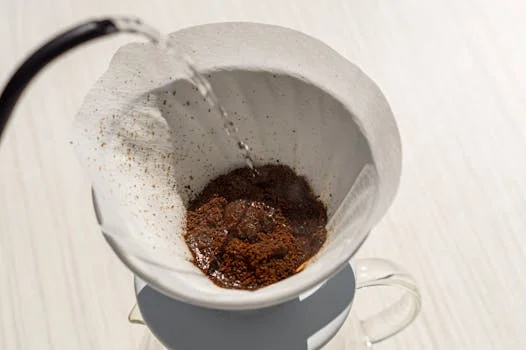 Media choice balances effluent quality, hydraulic capacity, and operating cost. Silica sand remains the baseline. Many plants now move to multi-media beds to stretch filter runs under higher turbidity.
Single-media sand beds often blind at the surface because fines settle on top after backwash. A Multi-Media Filter for Water Treatment stacks anthracite, sand, and garnet so coarse, low-density media stays on top. Finer, denser layers below catch smaller particles. That coarse-to-fine profile uses the full bed depth and often doubles run time versus a conventional sand filter. Designing a Sand Filter System: Sizing, Flow Rates, and RedundancyFilter Area (m²) equals Design Flow (m³/hour) divided by Filtration Rate (m³/hour/m²). Start with a conservative flux so peak load does not push the bed into breakthrough. Calculation Formula: A plant needing 100 m³/hour at 5 m³/hour/m² needs 20 m² of media area. Four vessels near 2.6 m diameter can meet that area. When influent turbidity stays high, many trains replace a single sand bed with a Multi-Media Filter for Water Treatment at the same footprint. Critical process water usually needs N+1 redundancy so one vessel can sit offline for backwash while the rest hold design flow without exceeding 10–12 m³/hour/m². Underdrain layout matters as much as vessel count. Uneven laterals create channeling and instant effluent failure. Backwash pump capacity should deliver about 1.5 times the media volume during a 5–10 minute cycle so the bed fully expands and cleans. Sand Filter vs. Cartridge vs. Membrane Filtration: Cost and Performance Comparison Sand filters favor high solids load and low OpEx. Cartridge and membrane trains favor tighter micron ratings when CapEx and energy budgets allow.
If influent TSS exceeds 50 mg/L, sand or multi-media filtration is the practical primary step. Cartridge filters in that duty burn changeout cost and downtime. When dissolved solids or viruses must go, use the sand stage as pretreatment for a reverse osmosis (RO) system so membranes see far less fouling. Compliance and Certification Requirements for Industrial Sand FiltersProcurement packages in 2026 still center on the same contact-safety and media-quality standards used in prior years. Buyers typically require the following proofs before award.
Food and pharmaceutical projects may add FDA-compliant epoxy and 3-A sanitary weld finish rules. Ask for third-party particle-size reports on media and hydro-test certificates on pressure vessels before acceptance. How do operators maintain a sand filter? Operators maintain sand filters by tracking differential pressure, scheduling backwash, and correcting media fouling before channeling starts. Most wastewater works trigger wash on time or when DP climbs toward 50–70 kPa.
Selection checklist before you buy
Who this is for: plant engineers and EPC teams specifying primary or polishing filtration for industrial and municipal water. Who should look elsewhere: buyers who need sub-micron pathogen or dissolved-solids removal without a membrane stage. Next step: send your flow, influent TSS, and reuse target for a sized proposal via our request-quote form. Frequently Asked QuestionsWhat is the typical lifespan of filter sand in an industrial application? How often should I backwash a sand filter treating municipal wastewater? Can sand filters remove dissolved contaminants like heavy metals or COD? What is the difference between a pressure sand filter and a gravity sand filter? How do I calculate the backwash water volume for a sand filter system? References
Get a Free Quote — Tell Us About Your Project
Contact Us
|