Why Sharm El Sheikh Hospitals Need Upgraded Wastewater Treatment in 2025
Sharm El Sheikh hospitals must treat wastewater to meet Egypt’s Law No. 48/1982 and EU Urban Waste Water Directive 91/271/EEC standards, with effluent limits of <30 mg/L BOD, <100 mg/L COD, and <10 mg/L TSS (GAHAR 2025). Local systems must account for high salinity (40,000–45,000 ppm TDS) and seasonal tourism loads (20–30% capacity spikes). Integrated solutions like MBR systems (99% pathogen removal) or chlorine dioxide generators (99.9% disinfection) are preferred for compliance and cost-efficiency, with capital costs ranging from $120,000–$500,000 for 50–200 m³/day systems.
The regulatory landscape in South Sinai has shifted toward zero-tolerance for environmental non-compliance. Under the Egyptian Environmental Affairs Agency (EEAA) 2024 mandates, hospitals failing to meet discharge standards face fines up to EGP 500,000 or immediate facility closure. Sharm El Sheikh’s unique geography poses additional challenges; the high salinity of the Red Sea coastal groundwater (often 40,000–45,000 ppm TDS) infiltrates aging sewer lines, rendering conventional biological treatment systems ineffective. Traditional activated sludge plants often suffer from biomass inhibition and frequent membrane fouling in these conditions.
Operational resilience is further tested by tourism-driven seasonal load variations. During peak months (December through February), hospital occupancy can spike by 30%, overwhelming undersized treatment plants. Real-world data from the Sharm El Sheikh International Hospital demonstrates the value of modernization; by upgrading to an integrated wastewater recycling system, the facility reduced water usage by 22% and significantly lowered methane emissions, aligning with the South Sinai Governorate 2025 Vision for sustainable tourism. For facility managers, the driver for upgrading is no longer just environmental stewardship but operational survival in a region where per capita water availability has dropped below 500 m³/year.
Sharm El Sheikh Hospital Wastewater: Influent Quality, Discharge Standards, and Treatment Goals
The complexity of hospital effluent necessitates a tailored approach to wastewater treatment.Engineering a compliant wastewater system requires a precise understanding of hospital effluent, which is significantly more complex than municipal sewage. In Sharm El Sheikh, hospital influent typically contains high concentrations of disinfectants, pharmaceuticals, and pathogens, alongside the high salinity characteristic of the region. According to GAHAR 2024 monitoring data, influent BOD levels range from 200–500 mg/L, while COD can reach 1,200 mg/L due to the presence of non-biodegradable medical chemicals.
The primary treatment goal is to achieve 90–95% BOD/COD removal and 99% pathogen reduction while maintaining salinity tolerance. High TDS levels (Total Dissolved Solids) are particularly problematic, as they increase the osmotic pressure on microbial cells in biological reactors, potentially leading to system collapse if not managed through specific optimizing chemical dosing for high-salinity wastewater.
| Parameter | Influent Range (Typical) | Effluent Limit (GAHAR 2025) | Removal Efficiency Required |
|---|---|---|---|
| BOD5 (mg/L) | 200 – 500 | < 30 | 85% – 94% |
| COD (mg/L) | 400 – 1,200 | < 100 | 75% – 92% |
| TSS (mg/L) | 150 – 400 | < 10 | 93% – 97% |
| Fecal Coliform (CFU/100 mL) | 10^6 – 10^8 | < 1,000 | 99.9% |
| TDS (Salinity) (ppm) | 40,000 – 45,000 | Monitor Only* | N/A (Tolerance Required) |
| Residual Chlorine (mg/L) | N/A | < 1.0 | N/A |
*Note: While TDS discharge limits are often site-specific, high salinity must be managed to prevent equipment corrosion and biological process inhibition.
Step-by-Step Hospital Wastewater Treatment Process for Sharm El Sheikh Conditions
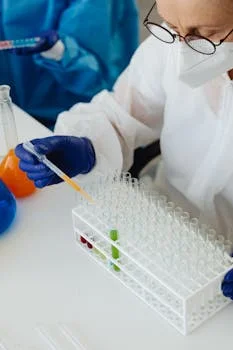
To ensure compliance and longevity in the Red Sea climate, a five-stage treatment process is recommended. This flow accounts for the specific challenges of medical waste and high-salinity influent.
Stage 1: Pretreatment. The process begins with robust screening to remove rags, plastics, and surgical waste. Using rotary mechanical bar screens (GX Series) is essential to prevent downstream pump clogging. Following screening, an equalization tank is critical to buffer the 20-30% capacity spikes seen during tourism seasons, ensuring a steady flow to the biological units.
Stage 2: Primary Treatment. Sedimentation is handled via high-efficiency lamella clarifiers. These units are preferred in hospital settings due to their small footprint and ability to handle high TSS loads with a surface loading rate of 20–40 m/h. This stage removes approximately 50-60% of suspended solids before biological processing.
Stage 3: Secondary (Biological) Treatment. For hospitals in Sharm El Sheikh, Membrane Bioreactors (MBR) are the gold standard. MBR systems for hospital wastewater treatment in high-salinity environments utilize ultrafiltration membranes that act as a physical barrier to pathogens. Given the salinity (45,000 ppm TDS), PVDF or ceramic membranes are required to resist chemical degradation and facilitate aggressive cleaning cycles (CIP) to manage fouling.
Stage 4: Tertiary Treatment and Disinfection. Disinfection is the most critical stage for medical compliance. While traditional chlorine is common, chlorine dioxide generators for hospital wastewater disinfection are superior for Sharm El Sheikh. Chlorine dioxide is more effective against antibiotic-resistant bacteria and viruses at high pH levels and does not produce the harmful disinfection by-products (DBPs) that can trigger regulatory fines.
Stage 5: Sludge Management. Sludge generated from the clarifier and MBR must be dewatered. Sludge management solutions for Egyptian hospitals typically involve plate and frame filter presses. These units produce a high-solids cake (30-40% dryness), reducing disposal costs at licensed hazardous waste landfills in accordance with Egyptian Environmental Law 2020.
Equipment Selection Guide: MBR vs. DAF vs. Chlorine Dioxide Systems for Sharm El Sheikh Hospitals
Selecting the right technology depends on the hospital’s specific footprint, budget, and effluent reuse goals. Procurement officers must balance the high CAPEX of advanced systems against the long-term risk of non-compliance fines.
MBR systems offer the highest effluent quality, making them ideal for hospitals looking to recycle water for landscape irrigation, a common practice at facilities like Al-Ramad Hospital. However, for hospitals with high grease output from large industrial kitchens, DAF systems for removing FOG and TSS from hospital wastewater are necessary as a pretreatment step to protect the MBR membranes from oily coatings.
| System Type | Salinity Tolerance | Pathogen Removal | Footprint | CAPEX (100 m³/day) | Best Use Case |
|---|---|---|---|---|---|
| MBR (DF Series) | Moderate (Requires PVDF) | 99.9% | Very Small | $250k – $500k | Water recycling & tight spaces |
| DAF | High | Low | Medium | $120k – $300k | High FOG/TSS pretreatment |
| ClO2 Gen | Excellent | 99.99% | Minimal | $50k – $150k | Strict disinfection compliance |
For smaller outpatient facilities or clinics where space is at a premium, compact medical wastewater treatment systems for small clinics provide a "plug-and-play" solution. These systems integrate ozone or ClO2 disinfection into a unit with a footprint as small as 0.5 m², ensuring compliance with the EU Urban Waste Water Directive without major civil works.
Cost Breakdown and ROI for Hospital Wastewater Treatment in Sharm El Sheikh
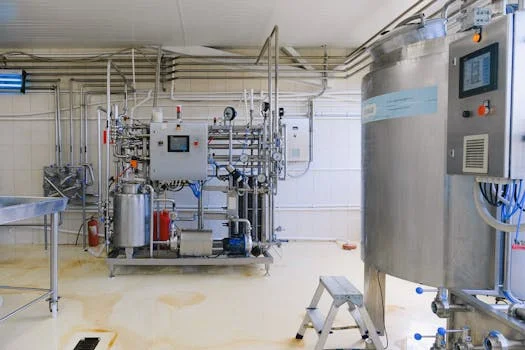
Investing in wastewater infrastructure in 2025 requires a clear understanding of both immediate capital expenditure (CAPEX) and long-term operational expenditure (OPEX). In Sharm El Sheikh, the high salinity and corrosive maritime environment typically increase maintenance costs by 15-20% compared to inland Egyptian cities.
CAPEX for a 100 m³/day MBR-based system typically breaks down as follows: equipment procurement (60%), civil engineering and tank construction (20%), electrical and mechanical installation (15%), and commissioning/staff training (5%). OPEX is dominated by energy consumption (for aeration in MBR) and chemical dosing (coagulants and disinfectants). Chlorine dioxide systems offer the lowest OPEX at approximately $0.05–$0.10 per m³ of treated water.
| System Type | CAPEX Range | OPEX (per m³) | Payback Period | Notes |
|---|---|---|---|---|
| Integrated MBR | $250,000 – $500,000 | $0.60 – $0.80 | 4 – 6 Years | High ROI through water reuse |
| DAF + Disinfection | $150,000 – $350,000 | $0.30 – $0.50 | 3 – 5 Years | Best for high-solids loading |
| Compact Medical Wastewater System (Small) | $20,000 – $60,000 | $0.15 – $0.30 | 2 – 3 Years | Ideal for clinics < 20 beds |
The ROI is driven by three factors: the elimination of EGP 500,000 non-compliance fines, a 20-30% reduction in fresh water procurement costs through irrigation reuse, and eligibility for "Green Hospital" certification, which can unlock sustainability grants from the South Sinai Governorate. How other tourist-heavy regions handle hospital wastewater treatment shows that early adoption of recycling technology pays for itself within five years through utility savings alone.