In Arkansas, hospital wastewater treatment must comply with the Arkansas Department of Health (ADH) Onsite Wastewater Program and EPA standards, with effluent limits including BOD₅ < 30 mg/L, TSS < 30 mg/L, and fecal coliform < 200 CFU/100 mL. Hospitals generate high-strength wastewater (COD 500–1,200 mg/L, pH 6.5–8.5) with pharmaceuticals, pathogens, and disinfectants, requiring specialized treatment like MBR systems or chlorine dioxide disinfection. Onsite systems cost $85K–$500K, while municipal connections range from $1.2M–$2.1M for new tie-ins, depending on flow rates (50–500 m³/day).
Why Hospital Wastewater in Arkansas Requires Special Treatment
Hospital wastewater contains 2–5× higher Chemical Oxygen Demand (COD) and Biochemical Oxygen Demand (BOD) than standard municipal sewage, with average COD levels reaching 800 mg/L according to EPA 2023 benchmarks.Unlike residential effluent, medical facility discharge is a complex cocktail of biological and chemical agents that can overwhelm standard septic systems or municipal treatment plants not designed for high-strength industrial loads. In Arkansas, where many healthcare facilities operate in rural or suburban settings, the reliance on groundwater makes the management of these contaminants a high-stakes priority for facility engineers.
Pharmaceutical residues—including antibiotics, hormones, and contrast agents—along with pathogens like E. coli and norovirus, are present in hospital streams at concentrations 10–100× higher than domestic wastewater (ADH 2024 guidance). These substances contribute to the growing threat of antimicrobial resistance (AMR) in local watersheds. The pH of hospital effluent typically ranges from 6.5–8.5 but can spike as high as 11.0 during heavy cleaning cycles using quaternary ammonium compounds or peracetic acid (PAA). Without dedicated pH adjustment and specialized biological treatment, these spikes can kill the beneficial bacteria in traditional treatment systems, leading to immediate compliance failure.
Arkansas healthcare facilities generate between 50 and 500 m³/day of wastewater. Rural clinics and critical access hospitals often fall at the lower end of this spectrum, while urban medical centers in Little Rock or Fayetteville operate at the high end (ADH flow rate benchmarks). The environmental risk is significant; untreated effluent can lead to the contamination of Arkansas' karst topography and alluvial aquifers, resulting in long-term public health liabilities and heavy ADEE fines.
| Parameter | Domestic Wastewater (Avg) | Hospital Wastewater (Avg) | Arkansas ADH Limit |
|---|---|---|---|
| COD (mg/L) | 250–400 | 500–1,200 | N/A (Process Dependent) |
| BOD₅ (mg/L) | 150–250 | 300–600 | < 30 |
| TSS (mg/L) | 150–300 | 200–500 | < 30 |
| Fecal Coliform (CFU/100mL) | 10^5–10^6 | 10^7–10^9 | < 200 |
| pH | 6.5–7.5 | 6.5–11.0 | 6.0–9.0 |
Arkansas Regulations for Hospital Wastewater Treatment: ADH and EPA Rules
The Arkansas Department of Health (ADH) Onsite Wastewater Program governs facilities with flow rates under 10,000 gallons per day (GPD), while larger medical systems are regulated by the Arkansas Department of Energy & Environment (ADEE) under NPDES permitting.ADH Rule 560 (2024 update) specifies that onsite systems must achieve secondary treatment levels, maintaining BOD₅ and TSS below 30 mg/L and fecal coliform counts below 200 CFU/100 mL before discharge or soil absorption.
Medical facility septic tank exemptions are rarely granted because hospital effluent almost always contains hazardous or non-domestic waste components. Under current Arkansas wastewater rules, any facility producing high-strength waste must submit a detailed "Industrial Waste Management Plan" alongside their engineering drawings. This is particularly relevant for facilities looking to connect to municipal grids. For instance, case studies from the Fayetteville Noland plant suggest that municipal connections require pretreatment if hospital wastewater exceeds 25% of the total flow at the nearest lift station, or if the hospital's BOD concentration exceeds local surcharge thresholds.
The permitting process timeline is a critical factor in facility planning. ADH onsite permits typically require 6–12 weeks for approval, involving site evaluation and hydraulic calculation reviews. In contrast, an Arkansas NPDES permitting process for hospitals discharging to surface waters can take 6–18 months. Documentation must include certified engineering plans, detailed flow projections, and a comprehensive emergency spill response plan. Understanding how Minnesota's hospital wastewater regulations compare to Arkansas' can provide engineering teams with a broader perspective on federal EPA oversight trends that often influence local ADEE decisions.
Treatment Technologies for Hospital Wastewater: How They Work and Which Fit Arkansas Rules
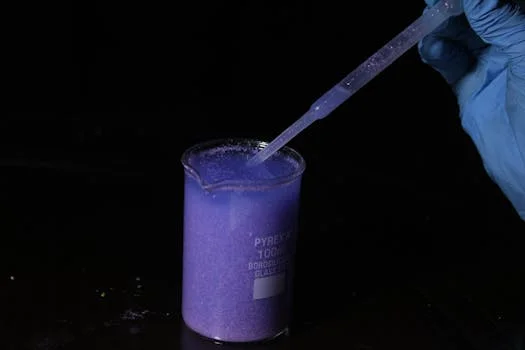
For urban hospitals in Little Rock or Fort Smith where real estate is at a premium, MBR systems for space-constrained urban hospitals in Arkansas offer a viable alternative to large-scale clarification tanks. These systems combine biological degradation with membrane filtration, effectively "screening out" bacteria and many pharmaceutical residues that traditional gravity-based systems miss.
Dissolved Air Flotation (DAF) systems, such as HydropureWater's, are frequently utilized as a pretreatment step. DAF is particularly effective at removing 90–95% of Fats, Oils, and Grease (FOG) and suspended solids originating from hospital kitchens and laundry facilities. This protects downstream biological processes from fouling. When choosing between clarifier types for hospital pretreatment, engineers must weigh the higher removal efficiency of DAF against the lower energy consumption of lamella settlers.
Disinfection is the final, non-negotiable step in the Arkansas compliance framework. EPA-compliant chlorine dioxide disinfection for hospital effluent is increasingly preferred over traditional chlorination because chlorine dioxide (ClO₂) provides 99.99% disinfection without the formation of harmful Trihalomethanes (THMs). This is vital for facilities discharging near sensitive Arkansas waterways. Additionally, electrocoagulation is emerging as a niche technology for removing heavy metals and complex pharmaceuticals, though it requires higher operational oversight and precise pH control.
| Technology | Primary Benefit | Footprint | Maintenance Level | Arkansas Application |
|---|---|---|---|---|
| MBR | Ultra-clean effluent; pharma removal | Very Small | High (Membrane cleaning) | Urban hospitals/Tight sites |
| DAF | FOG and solids removal | Medium | Moderate | Pretreatment for kitchens |
| ClO₂ Disinfection | 99.99% pathogen kill; no THMs | Small | Low | Final disinfection (all sites) |
| Electrocoagulation | Heavy metal/Pharma removal | Small | High (Electrode replacement) | Specialized clinical labs |
Cost Breakdown: Onsite vs. Municipal Treatment for Arkansas Hospitals
Capital expenditures for onsite hospital wastewater treatment systems in Arkansas typically range from $85,000 to $500,000, significantly lower than the $1.2 million to $2.1 million required for new municipal tie-ins at similar flow rates.These onsite costs often include a compact hospital wastewater treatment system for Arkansas clinics, which integrates primary screening, biological treatment, and disinfection into a single modular unit. Operational costs for these systems range from $5,000 to $20,000 per year, covering electricity, chemical consumables (like ClO₂ precursors), and periodic sludge hauling.
Municipal connections carry high upfront "impact fees" and infrastructure costs. For a hospital located 1,000 feet from a viable sewer main, the cost of trenching, piping, and lift station installation can easily exceed $1.5 million. Arkansas municipal usage fees range from $0.50 to $2.50 per m³, and hospitals often face "high-strength surcharges" if their effluent exceeds 250 mg/L BOD. Over a 10-year horizon, these usage fees, combined with Arkansas' projected 3% annual wastewater rate increases, often make onsite treatment the more fiscally responsible choice.
Permitting and engineering fees must also be budgeted. ADH onsite permits cost between $2,000 and $10,000, while the more complex NPDES permits required for direct discharge can cost $15,000 to $50,000 in engineering and ADEE fee schedules. When evaluating the Return on Investment (ROI), administrators should use a Total Cost of Ownership (TCO) framework that accounts for the risk of municipal rate hikes versus the fixed costs of onsite maintenance. For a deeper look at global trends, one might consider how other regions handle hospital wastewater compliance to benchmark Arkansas' cost structures.
| Cost Category | Onsite Treatment System | Municipal Connection (New) |
|---|---|---|
| Capital Cost (CapEx) | $85,000 – $500,000 | $1,200,000 – $2,100,000 |
| Annual Ops (OpEx) | $5,000 – $20,000 | $30,000 – $100,000 (Fees) |
| Permitting Fees | $2,000 – $10,000 | $5,000 – $25,000 (Impact) |
| 10-Year TCO | $135k – $700k | $1.5M – $3.1M |
Step-by-Step Compliance Checklist for Arkansas Hospitals
- Step 1: Conduct a Wastewater Audit: Measure peak and average flow rates. Sample for pH, BOD, TSS, and specific pathogens. ADH requires a minimum of three characteristic samples for existing facilities seeking upgrades.
- Step 2: Feasibility Analysis: Compare the 10-year TCO of onsite treatment versus municipal connection. Factor in local Arkansas utility rate trends and the physical distance to the nearest sewer tie-in.
- Step 3: Engineering Design Submission: Submit detailed plans to ADH or ADEE. Ensure plans include hydraulic calculations, process flow diagrams, and a designated "Operator in Charge" with Arkansas wastewater certification.
- Step 4