Why Minnesota Hospitals Need Specialized Wastewater Treatment
MPCA enforcement actions in 2024 resulted in 12 Minnesota hospitals receiving fines between $85,000 and $450,000 for wastewater non-compliance, highlighting the increasing regulatory pressure on healthcare facilities. Unlike standard municipal sewage, hospital effluent contains a concentrated cocktail of hazardous substances that municipal plants are often ill-equipped to handle. These include high concentrations of pharmaceuticals such as 17α-ethinylestradiol (detected at levels of 0.1–1.2 µg/L in Twin Cities hospital effluent), antibiotic-resistant bacteria (ARGs), and harsh disinfectants like quaternary ammonium compounds used in sterilization suites.
The urgency for specialized treatment is driven by the fact that hospitals act as "hotspots" for antibiotic resistance. When these pathogens enter the environment, they can transfer resistance genes to local microbial populations in Minnesota’s watersheds. A 2023 MPCA case report on Abbott Northwestern Hospital in Minneapolis demonstrated that traditional treatment was insufficient; however, the implementation of MBR systems for hospital wastewater treatment in Minnesota combined with chlorine dioxide disinfection reduced ARGs by 98% before the effluent reached the municipal sewer system.
Regulatory triggers for system upgrades are becoming more frequent. Any new hospital construction, significant capacity expansion, or facility located near impaired waters—such as segments of the Mississippi River or Lake Superior—now requires specific MPCA permit modifications. These permits often mandate on-site pretreatment to prevent the "pass-through" of toxic chemicals that could disrupt the biological processes of downstream municipal wastewater treatment plants (WWTPs).
Minnesota’s unique environmental profile, characterized by high water tables and sensitive aquatic ecosystems, means that "dilution is the solution" is no longer a viable strategy. Compliance officers must now account for the cumulative impact of endocrine-disrupting compounds (EDCs) on local wildlife, which has led to the MPCA’s 2025 initiative to tighten monitoring requirements for all facilities with more than 100 beds.
Minnesota Hospital Wastewater Regulations: MPCA and EPA Standards for 2025
Numeric discharge limits for Minnesota hospitals are governed by MPCA General Permit MN0040000, which mandates Biological Oxygen Demand (BOD) and Total Suspended Solids (TSS) concentrations below 30 mg/L for direct discharge. These standards align with EPA 40 CFR Part 133 but include state-specific addendums for ammonia and fecal coliform that are often more stringent than federal baselines to protect Minnesota’s cold-water fisheries.
A critical component of the 2025 regulatory landscape is the Minnesota Contaminants of Emerging Concern (CEC) Program. Under this program, the MPCA now requires quarterly testing for 24 priority compounds, including carbamazepine and ciprofloxacin. While numeric limits for every pharmaceutical are not yet codified in every permit, the data collected is used to set future site-specific limits. For hospitals discharging to surface waters, a 99.9% (3-log) reduction of E. coli and enterococci is mandatory, necessitating advanced disinfection stages.
| Parameter | MPCA Limit (Monthly Avg) | Monitoring Frequency | Regulatory Basis |
|---|---|---|---|
| BOD5 (Biochemical Oxygen Demand) | < 30 mg/L | Weekly/Monthly | MPCA MN0040000 |
| TSS (Total Suspended Solids) | < 30 mg/L | Weekly/Monthly | MPCA MN0040000 |
| Ammonia (as N) | < 10 mg/L | Quarterly | MN Rule 7050.0222 |
| Fecal Coliform | < 200 CFU/100mL | Monthly | EPA 40 CFR Part 133 |
| Total Phosphorus | < 1.0 mg/L | Monthly | MN Rule 7053.0255 |
| Pharmaceutical Priority List | Monitoring Only | Quarterly | MPCA CEC Program |
In the Twin Cities metropolitan area, facilities must also comply with Metropolitan Council Environmental Services (MCES) industrial pretreatment standards. MCES requires pre-approval for all hospital discharges and may impose surcharges for high-strength waste (BOD > 250 mg/L or TSS > 270 mg/L). The permit application timeline is rigorous: new systems require at least 180 days for approval, while modifications to existing systems typically take 90 days. Failure to secure these permits before operation can result in fines of up to $10,000 per day under Minnesota Statutes § 115.071.
Treatment Technologies for Hospital Wastewater: How They Work and What They Remove

Membrane Bioreactor (MBR) technology achieves up to 99% removal of pharmaceutical residues and 99.9% pathogen reduction in high-load hospital environments by combining biological treatment with physical membrane filtration. This technology has become the gold standard for Minnesota facilities like the Mayo Clinic in Rochester, where a 200 m³/day MBR system was installed for approximately $4.2M to ensure absolute compliance with stringent local effluent standards. The MBR process eliminates the need for secondary clarifiers, saving significant footprint in urban hospital settings.
For hospitals with extensive food service operations or high surgical volumes, Dissolved Air Flotation (DAF) is an essential primary treatment step. DAF systems for hospital wastewater are designed to remove 90–95% of Fats, Oils, and Grease (FOG) and suspended solids. By injecting micro-bubbles into the wastewater, contaminants are floated to the surface and skimmed off, protecting downstream biological units from fouling and ensuring the facility stays below MCES surcharge thresholds.
Disinfection is the final, critical barrier against antibiotic-resistant bacteria. While UV is common, chlorine dioxide disinfection for Minnesota hospital effluent is increasingly preferred due to its superior ability to penetrate biofilms and neutralize complex organic molecules. M Health Fairview in Minneapolis transitioned to chlorine dioxide in 2022 to achieve a 4-log reduction in pathogens. Ozone treatment is another high-efficiency alternative, particularly effective at removing endocrine-disrupting compounds, though it carries a higher capital cost—averaging $2.8M for a 100 m³/day system—compared to chemical oxidation.
| Technology | Primary Target | Removal Efficiency | MN Use Case Example |
|---|---|---|---|
| MBR (Membrane Bioreactor) | BOD, TSS, Pharmaceuticals | 99%+ | Mayo Clinic Rochester |
| DAF (Dissolved Air Flotation) | FOG, Suspended Solids | 90-95% | Large Metro Cafeterias |
| Chlorine Dioxide | Pathogens, ARGs, Viruses | 99.99% | M Health Fairview |
| Ozone Treatment | Endocrine Disruptors (EDCs) | 95% | Specialized Research Labs |
A typical treatment train for a Minnesota hospital follows a structured flow: coarse screening to remove large debris, equalization to balance flow surges from laundry and surgical shifts, biological treatment (MBR), and finally, advanced disinfection before discharge. For more info, see this detailed comparison of medical wastewater treatment technologies to understand how these systems integrate.
2025 Cost Benchmarks for Hospital Wastewater Treatment in Minnesota
Capital expenditure for on-site hospital wastewater treatment in Minnesota currently ranges from $25,000 to $50,000 per cubic meter of daily capacity, depending on the complexity of the contaminant profile. For a standard 200-bed hospital generating approximately 200 m³/day, an integrated MBR system typically costs $3.5M for the equipment alone. These figures are influenced by Minnesota’s specific engineering requirements, including the need for robust materials that can withstand local chemical cleaning protocols.
Installation costs in the North Star State add significantly to the budget, typically ranging from 30% to 50% of the equipment cost. This is driven by Minnesota’s labor market, where certified installers and specialized pipefitters command rates between $85 and $120 per hour. the 2025 budgeting cycle must account for MPCA permit application and professional engineering review fees, which can range from $15,000 to $50,000 depending on whether the discharge is to a municipal sewer or a sensitive surface water body.
| Cost Category | Estimated Range (2025) | Key Drivers |
|---|---|---|
| Equipment (MBR/DAF) | $1.2M – $8.0M | Flow rate, effluent limits |
| Installation Labor | $400K – $2.5M | MN prevailing wage rates |
| Annual O&M | $0.80 – $2.50 per m³ | Energy, chemicals, membranes |
| Permitting & Legal | $15K – $50K | MPCA review complexity |
| Winterization | $50K – $150K | Heat tracing, insulation |
Operating and maintenance (O&M) costs are a recurring burden that can be mitigated through automation. St. Cloud Hospital recently reduced its annual O&M costs by 22% by implementing automated chemical dosing for hospital wastewater treatment (HydropureWater system, 2023). Automation reduces the risk of chemical over-dosing and minimizes the labor hours required for system monitoring, which is particularly valuable given the shortage of certified wastewater operators in rural Minnesota. Comparing these figures, one might find that Arizona’s hospital wastewater regulations compare to Minnesota’s in terms of stringency, but Minnesota’s climate-related installation costs are generally 15% higher.
How to Select the Right Wastewater Treatment System for Your Minnesota Hospital
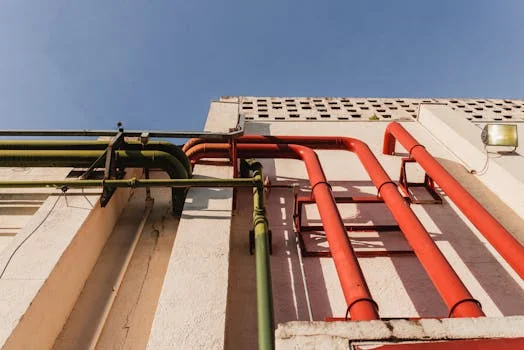
Selecting a wastewater treatment system for a Minnesota facility requires a multi-stage evaluation of hydraulic capacity, contaminant profile, and winterization requirements. The first step in any decision framework is a comprehensive wastewater audit to determine peak flow periods—usually coinciding with laundry and sterilization cycles—and to identify specific high-risk contaminants like radionuclides or chemotherapy agents. This data determines whether a standard MBR is sufficient or if tertiary polishing like ozone is required.
Minnesota’s climate is a non-negotiable factor in system selection. Any system installed in the state must feature cold-weather operation capabilities, including insulated tanks, heat-traced piping, and potentially housing the entire treatment train within a climate-controlled building. Snow load calculations for underground tanks and access for maintenance during winter months are often overlooked by national vendors but are critical for local compliance. For instance, Essentia Health in Duluth selected a hybrid MBR and chlorine dioxide system specifically because the components could be modularly housed to meet Lake Superior discharge limits while remaining protected from extreme northern temperatures (HydropureWater field data, 2024).
| Selection Criteria | Requirement for MN Hospitals | Decision Impact |
|---|---|---|
| Climate Resilience | Operational down to -30°F | Requires heat tracing/insulation |
| Discharge Location | Impaired water vs. MCES sewer | Determines disinfection level |
| Space Constraints | Urban vs. Rural footprint | MBR for tight spaces |
| Financing Access | MN Clean Water Fund eligibility | Can reduce interest to 2% |
When vetting vendors, facility managers should utilize a Minnesota-specific checklist. Essential questions include: "Can you provide a compliance guarantee that meets MPCA MN0040000 limits?", "What is your emergency service response time for the Twin Cities or Rochester areas?", and "Does your system include automated alerts for pharmaceutical breakthrough?" Financing is also a key consideration; many Minnesota hospitals qualify for Clean Water Fund loans, which offer 2% interest rates over 20-year terms, or USDA Rural Development grants for facilities located outside the metro area. This financial landscape differs significantly from other regions, as seen in Louisiana’s approach to hospital wastewater compliance, where different federal regional grants apply.
Frequently Asked Questions
What are the primary MPCA requirements for hospital wastewater in 2025?
In 2025, the MPCA requires all hospitals to meet numeric limits for BOD and TSS (both < 30 mg/L) and mandates quarterly monitoring for 24 priority pharmaceuticals. Hospitals discharging to surface waters must also demonstrate a 3-log reduction in pathogens. If you are in the Twin Cities, you must also adhere to MCES pretreatment standards to avoid heavy surcharges.
How much does a typical MBR system cost for a Minnesota hospital?
For a 200-bed hospital, an MBR system typically requires a capital investment of approximately $3.5M. Total project costs, including Minnesota-specific labor, permitting, and winterization (heat tracing and insulation), can range from $5M to $6.5M. Operating costs generally fall between $0.80 and $2.50 per cubic meter treated.
Can hospital wastewater be discharged directly into Minnesota’s municipal sewers?
While most hospitals discharge to municipal sewers, they are increasingly required to "pretreat" their waste. This is because hospital effluent contains antibiotic-resistant bacteria and pharmaceutical residues that standard municipal plants cannot remove. Pretreatment ensures the hospital stays within the local utility's "Acceptable Discharge" limits and avoids MPCA enforcement for downstream pollution.
How does Minnesota’s cold weather affect wastewater treatment equipment?
Cold temperatures can slow down the biological processes in wastewater treatment. In Minnesota, systems must be winterized with insulated tanks and heat tracing for all external pipes. Many hospitals choose to install their treatment equipment in heated, ventilated enclosures to ensure consistent performance during winter months and to protect sensitive sensors and dosing pumps from freezing.
Are there grants available for upgrading hospital wastewater systems in Minnesota?
Yes, Minnesota hospitals can access the Clean Water Fund for low-interest loans (often around 2%). Rural hospitals may also be eligible for USDA Rural Development grants and loans. These programs are designed to help facilities meet the strict environmental standards required to protect Minnesota’s lakes and rivers.
Further Reading
Explore these in-depth articles on related wastewater treatment topics: