Why Arizona Hospitals Need Onsite Wastewater Treatment: Compliance Risks and Costs
Arizona hospitals must treat wastewater onsite to meet stringent ADEQ and EPA standards. Failure to comply can result in substantial financial penalties and operational disruptions. The Arizona Department of Environmental Quality (ADEQ) mandates effluent limits of less than 200 mg/L BOD5, less than 200 mg/L TSS, and less than 200 CFU/100mL fecal coliform (ADEQ 2024). Non-compliance can lead to ADEQ fines ranging from $10,000 to $50,000 per violation, as detailed in the ADEQ 2024 Penalty Policy. Beyond state-level enforcement, the U.S. Environmental Protection Agency (EPA) actively monitors water quality, with three Arizona hospitals cited in 2023 for violations related to chlorine and E. coli discharge (EPA 2023 Data). Such EPA enforcement actions can result in significant remediation costs and legal liabilities.
Implementing and maintaining an effective onsite wastewater treatment system represents a significant capital investment, with costs typically ranging from $85 to $220 per cubic meter for installation, depending on system complexity and capacity. However, the ongoing operational and maintenance (O&M) expenses are also critical considerations. For onsite systems, these O&M costs can range from $0.40 to $1.20 per cubic meter, a figure that is approximately 30% higher than typical municipal sewer fees. This necessitates a thorough understanding of system performance and efficiency to manage long-term operational budgets effectively. For instance, a Tucson hospital that upgraded its aging treatment infrastructure to an advanced Membrane Bioreactor (MBR) system successfully avoided an estimated $250,000 in potential fines by consistently meeting new, stricter effluent parameters, demonstrating the tangible financial benefits of proactive compliance.
Key challenges in hospital wastewater treatment in Arizona include managing high concentrations of pharmaceutical residues, which can reach up to 10 µg/L for compounds like carbamazepine, and dealing with highly variable wastewater flows. Hospital wastewater generation can fluctuate dramatically, from as low as 20 m³/h during off-peak hours to over 300 m³/h during peak surgical or patient care periods. This variability demands robust system design capable of handling diurnal and seasonal flow changes while maintaining consistent effluent quality. This guide provides actionable data and benchmarks for Arizona hospitals to navigate the complexities of onsite wastewater treatment, ensuring compliance, optimizing costs, and selecting appropriate equipment for 2025.
Arizona’s Hospital Wastewater Regulations: ADEQ vs EPA vs County Requirements
Navigating the regulatory landscape for hospital wastewater treatment in Arizona requires understanding the interplay between state, federal, and local mandates. The primary state authority, the Arizona Department of Environmental Quality (ADEQ), establishes specific effluent limitations that all onsite wastewater treatment facilities must meet. These include critical parameters such as a Biochemical Oxygen Demand (BOD5) of less than 200 mg/L, Total Suspended Solids (TSS) of less than 200 mg/L, and fecal coliform counts below 200 colony-forming units per 100 milliliters (CFU/100mL) (ADEQ Onsite Wastewater Treatment Facility Rules). These limits are foundational for obtaining and maintaining operational permits for any hospital discharge.
Complementing ADEQ's regulations, the U.S. Environmental Protection Agency (EPA) enforces the federal Clean Water Act, which sets additional standards and often requires stricter limits for certain parameters, particularly concerning public health and aquatic life. Key EPA discharge limits include total residual chlorine below 0.1 mg/L, E. coli at 0 CFU/100mL, and ammonia less than 1.0 mg/L (EPA Clean Water Act Standards). Hospitals operating in Arizona must ensure their treatment systems are designed to meet both ADEQ and EPA requirements, as violations can trigger federal enforcement actions. The EPA's recent actions, such as the agreement with the White Mountain Apache Tribe for non-compliance with the Clean Water Act due to exceeding limits for total residual chlorine, E. coli, phosphorus, turbidity, and ammonia, underscore the seriousness of these federal regulations.
county-specific regulations can introduce additional layers of compliance. For example, Maricopa County may have specific mandates regarding sewer connections for larger facilities, potentially requiring hospitals with over 100 beds to connect to the municipal sewer system if available. Pima County has shown increasing concern for emerging contaminants, implementing quarterly testing requirements for pharmaceuticals in wastewater effluent. Yavapai County often bases onsite system sizing on peak flow rates, demanding meticulous hydraulic design. Permitting with ADEQ typically involves a 90–120 day timeline, contingent on the completeness of pre-application submissions, including detailed engineering reports and site plans. ADEQ conducts unannounced inspections up to twice annually to ensure ongoing compliance, making preparedness and accurate recordkeeping essential.
| Regulatory Body | Key Parameters & Limits | Typical Enforcement Action |
|---|---|---|
| ADEQ | BOD5 < 200 mg/L, TSS < 200 mg/L, Fecal Coliform < 200 CFU/100mL | Fines ($10,000–$50,000/violation), Permit Revocation |
| EPA (Clean Water Act) | Total Residual Chlorine < 0.1 mg/L, E. coli = 0 CFU/100mL, Ammonia < 1.0 mg/L | Federal Lawsuits, Remediation Orders, Significant Fines |
| Maricopa County | Potential sewer connection mandates for >100 beds | Local Ordinance Violations, Fines |
| Pima County | Quarterly pharmaceutical testing | Mandated monitoring, potential treatment upgrade orders |
| Yavapai County | Onsite system sizing based on peak flow | Permitting delays, design review requirements |
Hospital Wastewater Characteristics in Arizona: Influent Parameters and Treatment Challenges
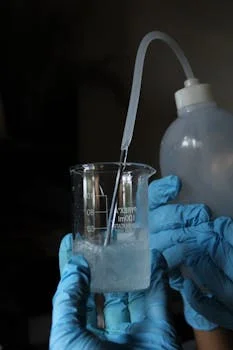
Understanding the unique characteristics of hospital wastewater is paramount for designing effective onsite treatment systems. Influent from healthcare facilities typically exhibits higher concentrations of organic matter and suspended solids compared to domestic sewage. Typical influent parameters for Arizona hospitals include BOD5 ranging from 200 to 400 mg/L, TSS from 150 to 300 mg/L, fats, oils, and grease (FOG) between 50 and 150 mg/L, and a pH generally stable between 6.5 and 8.5 (ADEQ 2024 Benchmarks). These elevated levels necessitate robust pretreatment and primary treatment stages to reduce the organic load and prevent system fouling.
A significant and growing challenge in hospital wastewater is the presence of pharmaceutical residues. These complex organic compounds, often resistant to conventional biological treatment, can persist in effluent and pose risks to aquatic ecosystems and potentially human health. Concentrations of common pharmaceuticals like carbamazepine can range from 5 to 10 µg/L, and antibiotics such as ciprofloxacin can be present at 2 to 5 µg/L. Conventional treatment methods may offer limited removal of these compounds, requiring advanced treatment technologies or specialized disinfection processes. Emerging contaminants, such as per- and polyfluoroalkyl substances (PFAS), are also a concern; a 2023 ADEQ study indicated PFAS detection in approximately 60% of Arizona hospital wastewater samples, highlighting the need for proactive assessment and mitigation strategies.
Flow variability is another critical factor. Hospital wastewater generation can fluctuate significantly throughout the day and week. Peak flows, often occurring during surgical hours or periods of high patient activity, can be 30% of the daily total within a 4-hour window, leading to flow rates ranging from 20 to 300 m³/h. This necessitates systems with adequate equalization and buffering capacity to prevent hydraulic overloading of downstream treatment units. The ambient temperature range in Arizona, from 18°C to 32°C, generally supports biological treatment kinetics, but extreme seasonal variations can still impact microbial activity. Design adjustments, such as insulated tanks or optimized aeration strategies, may be necessary to ensure consistent performance year-round. For facilities generating high FOG concentrations, technologies like dissolved air flotation are particularly effective. For example, a DAF system can achieve over 95% FOG removal from influent streams containing 50–150 mg/L.
| Parameter | Typical Influent Range (Arizona Hospitals) | Treatment Challenge/Consideration |
|---|---|---|
| BOD5 | 200–400 mg/L | High organic load requires effective biological treatment |
| TSS | 150–300 mg/L | Requires robust primary treatment and clarification |
| FOG | 50–150 mg/L | Can cause operational issues; DAF is effective |
| pH | 6.5–8.5 | Generally stable, but requires monitoring |
| Pharmaceutical Residues | 5–10 µg/L (e.g., Carbamazepine) | Resistant to conventional treatment; advanced disinfection needed |
| Emerging Contaminants (e.g., PFAS) | Detected in 60% of samples (2023 ADEQ Study) | Requires advanced treatment or source control |
| Flow Rate Variability | 20–300 m³/h | Requires equalization and robust hydraulic design |
| Temperature | 18–32°C | Generally favorable for biological processes; minor seasonal adjustments |
Onsite Treatment System Design: Stages, Equipment, and Performance Benchmarks
Designing an effective onsite wastewater treatment system for an Arizona hospital involves a multi-stage approach, each stage employing specific equipment to achieve target effluent quality. The initial stage, pretreatment, is critical for removing large solids and preventing damage to downstream equipment. Rotary mechanical bar screens, such as the GX Series, are highly effective for this purpose, capable of removing over 90% of TSS with screen spacings of 5–10 mm. These screens minimize headloss and simplify maintenance compared to manual rakes, ensuring continuous operation.
Primary treatment often focuses on removing FOG and settleable solids. Dissolved Air Flotation (DAF) systems, like HydropureWater's, are highly efficient at removing FOG, achieving up to 95% removal from influent streams with FOG concentrations of 50–150 mg/L. DAF systems operate by introducing micro-bubbles that attach to suspended solids and FOG, causing them to float to the surface for skimming. Proper design considers bubble size and hydraulic loading rates to optimize performance.
Biological treatment is the core of organic pollutant removal. Membrane Bioreactor (MBR) systems, such as the DF Series, offer a compact footprint and produce high-quality effluent, typically achieving BOD5 levels below 1 mg/L. This makes them ideal for water reuse applications. Alternatively, attached growth or suspended growth aerobic systems, like Aerobic/Anoxic (A/O) reactors (e.g., WSZ Series), can achieve BOD5 removal down to 10 mg/L but generally require a larger footprint and may need further polishing for strict discharge limits. MBR systems are particularly effective at removing recalcitrant compounds and pathogens due to the fine filtration provided by the membranes.
Disinfection is the final barrier to pathogen removal. Chlorine dioxide (ClO₂) offers several advantages over traditional chlorine disinfection for hospital wastewater, including reduced formation of harmful disinfection byproducts and effectiveness against a broader range of microorganisms. For instance, a chlorine dioxide generator can achieve a 99.9% E. coli kill rate at a concentration of 1.5 mg/L maintained for 30 minutes, meeting CT value requirements. Other disinfection options include UV irradiation and ozonation, each with distinct benefits and limitations regarding energy consumption, maintenance, and efficacy against specific contaminants like pharmaceutical residues.
Sludge handling is an integral part of the treatment process. Dewatering technologies like plate and frame filter presses can produce cake solids of 15–25%, while belt presses achieve 12–20% cake solids. The choice depends on dewatering cycle time requirements, polymer dosing needs, and overall footprint considerations. Effective sludge management minimizes disposal costs and operational complexity.
| Treatment Stage | Equipment Example | Key Performance Metric | Typical Arizona Hospital Application |
|---|---|---|---|
| Pretreatment | Rotary Mechanical Bar Screen (GX Series) | 90% TSS Reduction, 5–10 mm Spacing | Coarse solids and debris removal |
| Primary Treatment | Dissolved Air Flotation | 95% FOG Removal (@ 50–150 mg/L Influent) | FOG and suspended solids separation |
| Biological Treatment | MBR Integrated System (DF Series) | BOD5 < 1 mg/L, TSS < 1 mg/L | High-quality effluent for reuse or strict discharge; compact footprint |
| Biological Treatment | A/O System (WSZ Series) | BOD5 < 10 mg/L | Cost-effective organic removal, larger footprint |
| Disinfection | Chlorine Dioxide Generator | 99.9% E. coli Kill (1.5 mg/L for 30 min) | Effective pathogen inactivation, minimal byproduct formation |
| Sludge Dewatering | Plate & Frame Filter Press | 15–25% Cake Solids | High solids capture, batch operation |
Cost Comparison: DAF vs MBR vs Chlorine Dioxide Systems for Arizona Hospitals
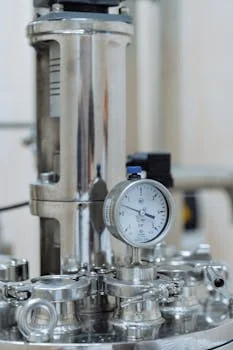
Selecting the appropriate wastewater treatment technology involves a careful balance of capital investment, operational costs, and effluent quality requirements. For Arizona hospitals, comparing Dissolved Air Flotation (DAF), Membrane Bioreactor (MBR), and Chlorine Dioxide (ClO₂) disinfection systems provides a clear decision framework. Capital costs for DAF systems typically range from $50 to $120 per cubic meter of daily capacity, including installation. These systems are primarily for FOG and solids removal, offering a cost-effective primary treatment solution.
MBR systems, while more expensive upfront, offer superior effluent quality. Their capital costs range from $150 to $220 per cubic meter. This higher investment is justified by their ability to produce near-potable water, suitable for reuse in applications like irrigation or cooling towers, and consistently meet the most stringent discharge limits. The operational and maintenance (O&M) costs also vary significantly. DAF systems generally have lower O&M costs, around $0.30 to $0.60 per cubic meter, primarily driven by energy for air dissolution and chemical usage. MBR systems have higher O&M costs, ranging from $0.80 to $1.20 per cubic meter, due to membrane cleaning, replacement, and higher energy consumption for aeration and pumping. Chlorine dioxide systems, used for disinfection, have relatively low capital costs ($30–$80/m³) and O&M costs ($0.20–$0.40/m³), mainly for chemical precursors and maintenance of the generation equipment.
Footprint is a critical consideration, especially for urban hospitals. DAF systems typically require 0.5–1.0 m²/m³ of treatment capacity. MBR systems are more compact, needing only 0.2–0.5 m²/m³. Chlorine dioxide generators are very space-efficient, requiring as little as 0.1–0.3 m²/m³. Effluent quality is the most significant differentiator: DAF alone can achieve BOD5 below 50 mg/L, while MBR systems achieve BOD5 below 5 mg/L. ClO₂ is purely a disinfection step and does not treat BOD or TSS, requiring upstream treatment. For hospitals prioritizing water reuse or extremely strict discharge compliance, MBR systems offer the best long-term ROI, despite higher initial and operational costs. For facilities with high FOG loads requiring robust primary treatment, DAF is an excellent standalone or pre-treatment option. Smaller clinics or those with limited space and budget might consider compact medical wastewater treatment systems, which can integrate multiple stages and utilize technologies like chlorine dioxide for disinfection.
| System Type | Capital Cost ($/m³) | O&M Cost ($/m³) | Footprint (m²/m³) | Typical Effluent Quality (BOD5) | Primary Application |
|---|---|---|---|---|---|
| DAF | $50–$120 | $0.30–$0.60 | 0.5–1.0 | < 50 mg/L | FOG & TSS removal, primary treatment |
| MBR | $150–$220 | $0.80–$1.20 | 0.2–0.5 | < 5 mg/L | High-quality effluent, water reuse, strict discharge |
| Chlorine Dioxide (Disinfection) | $30–$80 | $0.20–$0.40 | 0.1–0.3 | N/A (Disinfection only) | Pathogen inactivation, post-treatment |
Arizona Hospital Wastewater Compliance Checklist: 2025 Requirements
Ensuring ongoing compliance with Arizona's complex wastewater regulations requires a structured approach to permitting, operations, and inspections. The first step for any new or retrofitted onsite wastewater treatment system is obtaining the necessary permits from ADEQ. This involves submitting ADEQ Form 2025-WW (Onsite System Application), which requires detailed hydraulic calculations, process flow diagrams, and site plans demonstrating how the proposed system will meet effluent limits. A thorough understanding of package wastewater treatment plants or custom-designed systems is crucial during this phase.
Regular testing and monitoring are non-negotiable. Hospitals must establish a robust sampling and analysis program, typically involving quarterly testing for key parameters such as BOD5, TSS, fecal coliform, and, increasingly, pharmaceuticals. Specific sampling locations, chain-of-custody protocols, and certified laboratory analysis are essential to validate compliance data. Recordkeeping is another critical component; operational logs, including data on pH, flow rates, chemical dosing, maintenance activities, and any system upsets, must be meticulously maintained for at least three years. Digital recordkeeping systems can streamline this process and ensure data integrity.
Hospitals should be prepared for ADEQ's unannounced inspections, which occur up to twice annually. During these visits, inspectors will review operational logs, effluent data, and the physical condition of the treatment plant. Common violations include insufficient disinfection, elevated TSS levels, improper sludge management, and inadequate recordkeeping. Having a comprehensive emergency response plan is also vital. This plan should include detailed procedures for spill containment, with secondary containment structures sized to hold 100% of the facility's daily flow, and clear communication protocols for reporting incidents to regulatory agencies promptly.
- Permitting: Submit ADEQ Form 2025-WW with complete hydraulic calculations and site plans.
- Testing: Conduct quarterly sampling for BOD5, TSS, fecal coliform, and pharmaceuticals. Ensure proper chain of custody.
- Recordkeeping: Maintain 3 years of operational logs (pH, flow, chemical dosing, maintenance, calibration).
- Inspections: Prepare for ADEQ's twice-yearly unannounced inspections by maintaining accurate records and ensuring system operability.
- Emergency Response: Develop and maintain a spill containment plan for 100% of daily flow and establish clear reporting procedures.
Frequently Asked Questions
How is hospital wastewater treated in Arizona?
Hospital wastewater in Arizona is typically treated through a multi-stage process involving pretreatment (screening, grit removal), primary treatment (e.g., DAF for FOG separation), biological treatment (e.g., MBR or activated sludge for organic removal), and final disinfection (e.g., chlorine dioxide, UV, or ozonation) to meet ADEQ effluent limits of <200 mg/L BOD5, <200 mg/L TSS, and <200 CFU/100mL fecal coliform. Advanced treatment may be required for pharmaceutical removal.
What are the ADEQ wastewater treatment requirements for hospitals?
The Arizona Department of Environmental Quality (ADEQ) mandates specific effluent limits for hospital wastewater, including less than 200 mg/L BOD5, less than 200 mg/L TSS, and less than 200 CFU/100mL fecal coliform. These requirements are outlined in the ADEQ Onsite Wastewater Treatment Facility rules and are subject to periodic updates.
How much does an onsite hospital wastewater treatment system cost in Arizona?
The cost of an onsite hospital wastewater treatment system in Arizona varies by technology and capacity. Capital installation costs typically range from $85 to $220 per cubic meter for systems handling 50–500 m³/day. Ongoing operational and maintenance (O&M) costs generally fall between $0.40 and $1.20 per cubic meter, depending on the system type (e.g., MBR, DAF, or chlorine dioxide disinfection).
Can Arizona hospitals discharge treated wastewater to the sewer?
In some areas, like Maricopa County, hospitals with over 100 beds may be mandated to connect to the municipal sewer system if available. However, for rural hospitals or those in jurisdictions without municipal sewer access, onsite treatment and discharge to surface waters or land application are common, requiring strict adherence to ADEQ permits. For guidance on alternative solutions, consider information on chlorine vs. chlorine dioxide for disinfection.
What are the penalties for non-compliance with Arizona hospital wastewater regulations?
Penalties for non-compliance with Arizona hospital wastewater regulations can be severe. ADEQ can impose fines ranging from $10,000 to $50,000 per violation. The EPA can also take enforcement actions under the Clean Water Act, which may include significant financial penalties and mandatory remediation orders, as seen in past cases involving violations of chlorine and E. coli discharge limits.
Related Equipment
- ClO₂ generator for hospital effluent disinfection — view specifications, capacity range, and technical data
Need a customized solution? Request a free quote with your specific flow rate and pollutant parameters.