Arkansas municipalities and industries often face ADEQ and EPA discharge limits that favor modular treatment for flows under 1 MGD (about 3,785 m³/d). Package wastewater treatment plants are factory-built or skid-mounted units that can meet common site-specific targets such as BOD < 10 mg/L and TSS < 15 mg/L at roughly 30–50% lower CAPEX than many conventional expansions. This 2026 guide covers process selection, ADEQ/EPA compliance steps, CAPEX/OPEX ranges of $150K–$2.5M, and a supplier checklist for Arkansas sites.
Why Arkansas Needs Package Wastewater Treatment Plants
Package wastewater treatment plants serve Arkansas towns and industries that need sub-1 MGD treatment without a full conventional rebuild. Drivers include ADEQ water-quality limits tighter than federal secondary floors, rural septic failures, and poultry or food-processing strength. Most plants we size for small Arkansas communities run at the lower end of that flow band and need modular expansion.
ADEQ enforcement pressure remains real for permit exceedances, with potential civil penalties cited in prior state reporting up to $25,000 per day when limits are missed. Northwest Arkansas growth near +2.8% per year in the Fayetteville-Springdale-Rogers metro continues to outrun older centralized capacity. Food processors such as Tyson and Nestlé, plus poultry production near 1.2 billion birds annually, generate high-strength wastewater that often needs pretreatment toward categorical targets such as BOD < 250 mg/L before sewer discharge.
About 60% of Arkansas land is rural, and more than 300 unsewered communities still rely on aging septic systems (Arkansas Rural Water Association 2023 data). Challenging soils and high water tables raise failure risk. Modular package units cut civil work, shorten deployment in remote sites, and scale as flows grow—useful for decentralized needs around Fayetteville and Fort Smith when a multi-year conventional expansion is not affordable.
Package WWTP Technologies: How They Work and Which Fits Your Arkansas Site
Membrane bioreactor (MBR), sequencing batch reactor (SBR), and anaerobic/aerobic (A/O) trains are the three package options most Arkansas engineers compare for municipal sewage versus poultry or food waste. Selection hinges on influent strength, nutrient limits, operator skill, and available footprint—not brand labels.
- Membrane Bioreactor (MBR) Systems: MBR couples activated sludge with microfiltration or ultrafiltration. A typical train uses screening, an anoxic zone for denitrification, an aerobic zone for BOD/COD removal, then a membrane tank. Poultry wastewater with high organics and pathogen risk is a common Arkansas use case. MBR effluent suits nutrient-sensitive waters such as the Beaver Lake watershed when TN/TP limits are tight.
- Sequencing Batch Reactors (SBRs): SBRs run fill, react, settle, draw, and idle in one tank on timed cycles. They handle variable municipal flow and FOG well, including seasonal tourism spikes around Hot Springs. Cycle control lets operators tune aeration for nitrification and denitrification without extra tanks.
- Anaerobic/Aerobic (A/O) Systems: A/O uses an anaerobic zone for phosphorus release and an aerobic zone for BOD oxidation and nitrification. Designs are simpler than MBR or SBR and suit rural Arkansas sites with limited operator training and looser nutrient goals. Many Underground Package Sewage Treatment Plant (WSZ Series) layouts follow A/O or similar robust buried configurations.
Effluent Quality and Operational Parameters Comparison
Technology choice sets effluent quality, footprint, energy use, and how hard the plant is to run under Arkansas humidity and flash-flood peaks.
Effluent Quality Comparison Table (ADEQ 2025 Benchmarks)
| Parameter | ADEQ 2025 Permit Limit | MBR Typical Removal | SBR Typical Removal | A/O Typical Removal |
|---|---|---|---|---|
| BOD (mg/L) | < 10 | < 5 | < 10 | < 20 |
| TSS (mg/L) | < 15 | < 2 | < 10 | < 20 |
| TN (mg/L) | < 3 (sensitive areas) | < 5 (with anoxic zone) | < 8 (with anoxic phase) | < 15 |
| TP (mg/L) | < 1 (sensitive areas) | < 1 | < 2 | < 3 |
Energy intensity typically runs about 0.5–1.0 kWh/m³ for MBR, 0.3–0.6 kWh/m³ for SBR, and 0.2–0.4 kWh/m³ for A/O under normal municipal loads. With Arkansas utility rates near $0.08–$0.12/kWh, the gap shows up in multi-year OPEX. MBR needs membrane cleaning skill; SBR needs reliable timers and valves; A/O is simpler but weaker on low TN/TP.
For industrial side streams, add FOG removal and equalization before biology. Poultry plants we review in Northwest Arkansas often see ammonia and phosphorus spikes after washdown shifts, so HRT and aeration must be sized on peak day—not average day—loading. Keep spare membranes or diffuser kits on site if the plant sits more than two hours from a parts warehouse.
Arkansas Compliance Checklist: ADEQ Permits, EPA Limits, and Local Requirements
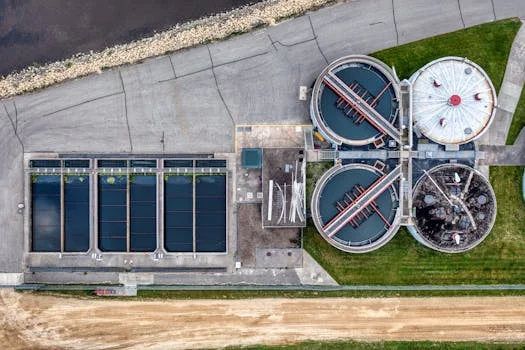
Compliance for an Arkansas package plant means matching ADEQ NPDES limits, federal EPA secondary floors, and city-level pretreatment or odor rules before steel is ordered. Engineers should treat water-quality-based limits as the design driver when the receiving stream is nutrient-sensitive.
Earlier project briefs often used BOD < 10 mg/L and TSS < 15 mg/L as working ADEQ package-plant targets. According to the ADEQ Continuing Planning Process (2025 Edition), federal secondary treatment floors under 40 C.F.R. Part 133 remain BOD5 30 mg/L monthly average (45 mg/L 7-day average) and TSS 30 mg/L monthly average (45 mg/L 7-day average), with not less than 85% removal. Sensitive watersheds such as the Illinois River corridor still commonly set TN < 3 mg/L and TP < 1 mg/L, which is why MBR or enhanced SBR show up in Northwest Arkansas RFPs.
EPA NPDES rules for Arkansas dischargers still require monthly DMRs, inspections, and certified operators under the state Wastewater Operator Licensing Program (8 CAR Part 22, as summarized in ADEQ’s 2025 CPP). Local overlays matter: Fayetteville stormwater co-treatment rules can change peak-flow design; Fort Smith pretreatment standards push industrial source control; Bentonville odor ordinances favor enclosed tanks or odor control on new package installs.
10 Steps to Secure ADEQ Approval for Your Package WWTP in Arkansas
- Pre-Application Meeting: Engage with ADEQ early to discuss project scope, potential challenges, and specific permit requirements.
- Site Plan Review: Submit detailed site plans including topography, property boundaries, and proximity to sensitive areas.
- Influent Characterization: Provide comprehensive data on wastewater flow rates and pollutant concentrations.
- Treatment Process Design: Present detailed engineering drawings and calculations for the proposed package plant technology.
- Hydraulic Modeling: Demonstrate the plant’s ability to handle peak flows, especially considering Arkansas’ susceptibility to flash floods.
- Effluent Discharge Plan: Outline the method and location of treated effluent discharge, including receiving stream analysis.
- Disinfection Strategy: Detail the disinfection method, such as UV or on-site disinfection for Arkansas’ high-pathogen wastewater using a chlorine dioxide generator, and demonstrate its effectiveness against chlorine-resistant pathogens like Cryptosporidium, particularly relevant for poultry wastewater.
- Sludge Management Plan: Propose a plan for the handling, treatment, and disposal of generated sludge.
- Public Notice Period: Facilitate the required public comment period for the permit application.
- Operator Certification Plan: Confirm that certified operators will be available and adequately trained for plant operation and maintenance.
Common pitfalls include undersized equalization that fails during flash floods and weak disinfection when poultry pathogens are present. Both show up quickly in DMR violations. Build a sampling plan for BOD, TSS, ammonia, TN, TP, and bacteria before the public notice window so the application does not stall on missing data.
What Does a Package Plant Upgrade Cost?
Package plant upgrade costs in Arkansas usually fall inside the same $150,000–$2.5 million CAPEX band used for new package builds, scaled by flow, technology jump, and site civil work. A rural 10–50 m³/d retrofit often stays near $150,000–$500,000; municipal or industrial jumps to 50–500 m³/d commonly land between $500,000 and $2.5 million when membranes, EQ, or odor control are added.
OPEX drivers are energy at $0.08–$0.12/kWh, chemicals at about $0.10–$0.30/m³, and certified labor at roughly $30–$50/hour. Remote delivery surcharges, humidity-driven corrosion protection, and ADEQ review timelines of 6–12 months all raise total project cost beyond the equipment quote.
How Much Does Upgrading a Package Sewage Plant Cost?
Upgrading a package sewage plant costs less than a greenfield conventional works when tanks and hydraulics can be reused, but membrane or nutrient upgrades still price like mid-range package CAPEX. Most plants we size for Arkansas poultry-influenced towns budget contingency for FOG, ammonia spikes, and EQ volume before locking the equipment package.
Selection checklist before you bid: confirm design flow and peaking factor; lock effluent limits from the draft permit; choose MBR, SBR, or A/O against those limits; size EQ for flash floods; specify corrosion protection for high humidity; plan sludge haul or dewatering; and verify a licensed operator is available at the required class.
Package WWTP Cost Comparison Table (2025 Estimates for Arkansas)
| Parameter | 10-50 m³/day (Rural) | 50-200 m³/day (Small Muni/Ind) | 200-500 m³/day (Med Muni/Ind) |
|---|---|---|---|
| Typical Technology | A/O, SBR | SBR, MBR | MBR, SBR |
| CAPEX Range | $150K - $500K | $500K - $1.5M | $1.5M - $2.5M |
| OPEX/m³ (Energy, Chemicals, Labor) | $0.40 - $0.80 | $0.30 - $0.60 | $0.25 - $0.50 |
| Typical Footprint (sq ft) | 100 - 300 | 300 - 1,000 | 1,000 - 3,000 |
| Permitting Cost (ADEQ) | $5K - $15K | $10K - $30K | $20K - $50K |
Financing Options and ROI
USDA Rural Development Water and Waste Disposal funding remains a primary path for communities under 10,000 people, with grants historically covering up to 75% of eligible project cost when income criteria are met. Arkansas Water Infrastructure Finance Authority (AWIA) loans near 2% interest can stretch municipal debt capacity. A 100 m³/d package plant in Northwest Arkansas that replaces failing septic hauling and avoids $25,000/day-class penalties has been modeled at about a 5-year payback under those avoided-cost assumptions.
Arkansas humidity also shortens coating life on carbon-steel tanks when touch-up painting is deferred, so include a coating inspection line item in the annual O&M budget when you compare vendor OPEX claims.
Supplier Checklist: How to Evaluate Package WWTP Vendors for Arkansas Projects
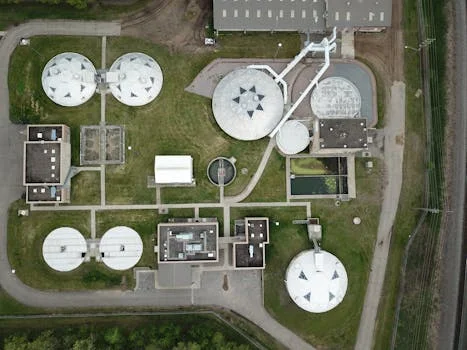
Vendor selection for Arkansas package plants should weight ADEQ permit history, local service radius, and effluent guarantees over the lowest equipment bid. Ask for Arkansas references before accepting a generic national case list.
10-Question Checklist for Supplier Evaluation
- ADEQ Permit Experience: Can the vendor demonstrate a track record of successfully navigating ADEQ permitting for projects in Arkansas?
- Arkansas Case Studies: Can the vendor provide references or case studies of package WWTP installations specifically within Arkansas, demonstrating performance under local conditions?
- Local Support: Does the vendor offer 24/7 local support, including technicians or parts warehousing within a reasonable proximity to your Arkansas site?
- Operator Training: What comprehensive training programs does the vendor provide for plant operators, tailored to Arkansas Water and Wastewater Operator Certification requirements?
- Technology Expertise: Does the vendor specialize in the specific package plant technology (e.g., MBR, SBR) best suited for your influent characteristics and effluent goals?
- System Modularity: Can the system be easily expanded or modified to accommodate future growth or changing regulatory requirements?
- Corrosion Protection: What specific measures are integrated into the design to protect against corrosion in Arkansas’ high-humidity environment?
- Warranty and Guarantees: What are the terms of the equipment warranty, and does the vendor offer performance guarantees for effluent quality and uptime?
- Sludge Management: Does the vendor provide guidance or support for integrating sludge handling and disposal solutions appropriate for Arkansas?
- FOG Handling: How is the system designed to manage high FOG (fats, oils, and grease) loads, particularly relevant for industrial and certain municipal applications in Arkansas?
Red flags include no Arkansas references, vague effluent promises, or thin membrane warranties. Compare local distributors, national OEMs, and international suppliers on commissioning support—not brochure photos. Walk existing sites and check membrane condition, PLC redundancy, and coating integrity. Contract must-haves include measurable effluent guarantees, uptime targets near 90%, liquidated damages for repeated non-compliance, and a written operator training plan.
Case Study: Decatur’s MBR Conversion — Lessons for Arkansas Municipalities
Decatur’s 0.5 MGD MBR upgrade, completed between 2022 and 2024, is Arkansas’ first full MBR conversion and a useful template for towns facing tighter TN/TP limits. The city replaced aging activated sludge capacity under footprint pressure and poultry-driven influent swings.
Challenges included variable organic and nutrient loads from poultry contributors, a tight site, and limited membrane operating experience among staff. The response used a modular MBR layout with HydropureWater DF Series membranes, automated PLC control, and a 6-month operator training program focused on cleaning, troubleshooting, and DMR discipline.
Per 2024 ADEQ DMRs, the plant reached about 98% BOD removal, 99% TSS removal, and 85% TN removal while meeting permit limits. Energy use ran about 30% below early projections. Lessons that transfer: run a pilot on real influent, keep redundant membrane trains, and lock a local service partner before substantial completion.
Who This Is For and Next Step
This guide is for Arkansas municipal engineers, EPC firms, and industrial EHS managers sizing package treatment under 1 MGD. Look elsewhere if you need a multi-MGD regional conventional plant or only septic tank repairs. For neighboring-state cost context, see wastewater treatment plant cost in Missouri 2025 and the Nevada package plant procurement guide, or compare an underground package plant layout when burial and odor control drive siting. If you have flow, influent, and discharge data ready, request a package WWTP sizing quote with those numbers attached.
Frequently Asked Questions
What are the primary ADEQ permit requirements for a new package WWTP in Arkansas?
New Arkansas package WWTPs typically face site-specific ADEQ NPDES limits that can include BOD < 10 mg/L and TSS < 15 mg/L on sensitive waters. ADEQ’s 2025 Continuing Planning Process still cites federal secondary floors of BOD5 30 mg/L and TSS 30 mg/L monthly average under 40 C.F.R. Part 133. Nutrient-sensitive watersheds may add TN near 3 mg/L and TP near 1 mg/L, which pushes designs toward MBR or enhanced SBR with certified operator coverage.
How does Arkansas climate impact package WWTP design and operation?
Arkansas humidity and flash floods drive corrosion protection and equalization sizing more than steady-state biology. Coatings, stainless or FRP components, and covered tanks reduce corrosion and odor complaints. Flash-flood peaks need hydraulic modeling and EQ volume so the biological train is not washed out. Temperature swings also affect nitrification rates, so most plants we size for Northwest Arkansas keep spare aeration capacity for cold weeks.
What financing options are available for small Arkansas wastewater projects?
USDA Rural Development Water and Waste Disposal loans and grants serve many communities under 10,000 people, with grants historically covering up to 75% of eligible cost when income tests are met. AWIA low-interest loans near 2% can fill the local match. Pair either path with a firm OPEX model so debt service and operator wages remain affordable after startup.
Which package technology fits poultry-influenced Arkansas wastewater?
MBR is usually the safest fit when poultry or food waste raises organics, pathogens, and nutrient limits at once. SBR works when flows swing hard but TN/TP limits are moderate. A/O or buried integrated plants fit small rural domestic loads with looser nutrient goals and limited staff. Always confirm FOG removal and disinfection before freezing the process train.
How should buyers compare package WWTP suppliers for Arkansas?
Buyers should score ADEQ permit experience, Arkansas operating references, local spare parts, and written effluent guarantees ahead of unit price. Require corrosion details for humid sites and a training plan aligned with state operator licensing. Reject bids that cannot name nearby service coverage or that warranty membranes for only a short period without performance remedies.
Related Equipment
- MBR systems for Arkansas’ nutrient-sensitive watersheds — view specifications, capacity range, and technical data
Need a customized solution? Request a free quote with your specific flow rate and pollutant parameters.