Why Arequipa Hospitals Need Dedicated Wastewater Treatment in 2025
In Arequipa, hospitals must treat wastewater to Peru’s DS 015-2015-MINAM standards (BOD ≤ 30 mg/L, COD ≤ 100 mg/L, fecal coliforms ≤ 1,000 MPN/100 mL) before discharge. For a 200-bed hospital generating 40 m³/day, a compact MBR system with chlorine dioxide disinfection costs $250K–$450K (CAPEX) and $0.80–$1.20/m³ (OPEX), while a DAF + activated sludge system costs $120K–$200K (CAPEX) but requires 30% more footprint. Local suppliers like Sedapal and international vendors offer turnkey solutions, but lead times average 6–9 months due to permitting delays.
The consequences of failing to meet these stringent regulations are severe. In 2023, a 150-bed hospital in Arequipa faced a hefty $45,000 fine from the Ministry of Environment (MINAM) for exceeding permissible Chemical Oxygen Demand (COD) limits. This violation not only resulted in financial penalties but also necessitated an urgent, costly corrective action plan, impacting patient care and hospital operations. Beyond fines, non-compliance poses significant public health risks and can severely damage a hospital's reputation. Peru’s national wastewater discharge standards, primarily governed by DS 015-2015-MINAM and the Water Law Ley 29338, mandate specific effluent quality parameters to protect water bodies and public health. Arequipa's urban sewage collection infrastructure, while extensive, treats only about 20% of collected sewage, placing increased responsibility on individual facilities, particularly hospitals, to manage their wastewater discharge responsibly. Hospital wastewater is inherently more challenging to treat than municipal sewage, often exhibiting 2–5 times higher COD and Biochemical Oxygen Demand (BOD) levels, according to WHO 2020 guidelines. it frequently contains a complex mix of pharmaceutical residues, including antibiotics and hormones, which require advanced treatment technologies for effective removal.
Hospital Wastewater Characteristics in Arequipa: Influent vs. Effluent Targets
Understanding the specific characteristics of hospital wastewater is the foundational step in designing an effective treatment system. In Arequipa, typical hospital wastewater influent can present significant challenges, with COD levels ranging from 300–1,200 mg/L and BOD from 150–600 mg/L. Total Suspended Solids (TSS) often fall between 100–300 mg/L, and fecal coliform counts can be alarmingly high, ranging from 106–108 MPN/100 mL. These influent characteristics starkly contrast with the strict effluent limits set by Peru's DS 015-2015-MINAM, which require BOD ≤ 30 mg/L, COD ≤ 100 mg/L, and fecal coliforms ≤ 1,000 MPN/100 mL.
| Parameter | Typical Hospital Influent (Arequipa) | DS 015-2015-MINAM Limit | Removal Required |
|---|---|---|---|
| COD (mg/L) | 300 – 1,200 | ≤ 100 | 75% – 92% |
| BOD (mg/L) | 150 – 600 | ≤ 30 | 50% – 80% |
| TSS (mg/L) | 100 – 300 | ≤ 50 | 50% – 80% |
| Fecal Coliforms (MPN/100 mL) | 106 – 108 | ≤ 1,000 | > 99.99% (4-log reduction) |
| pH | 5.0 – 9.0 | 6.0 – 9.0 | Adjust to range |
The presence of pharmaceutical residues, such as antibiotics (e.g., ciprofloxacin) and hormones (e.g., estradiol), poses a significant treatment challenge. These micropollutants are often resistant to conventional biological treatment processes. Advanced technologies like Membrane Bioreactors (MBRs) can offer superior removal rates for these compounds compared to traditional Dissolved Air Flotation (DAF) or simple chemical precipitation methods, making them a critical consideration for modern hospital wastewater management.
Treatment Process Design: Step-by-Step for Arequipa Hospitals
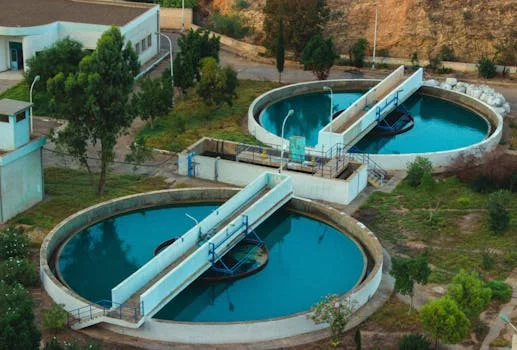
Designing a hospital wastewater treatment system in Arequipa requires a phased approach, integrating robust technologies to meet stringent Peruvian regulations while considering local environmental factors like altitude and water scarcity. The process typically begins with preliminary treatment to remove gross solids and prevent damage to downstream equipment.
Step 1: Screening. Rotary bar screens, such as those in our GX Series, are essential for removing rags, plastics, and solids larger than 3 mm. For hospitals ranging from 50 to 500 beds, the screen's capacity must be sized to handle peak flow rates, ensuring efficient preliminary treatment without overwhelming the system.
Step 2: Equalization. A crucial step is the installation of buffer tanks, often referred to as equalization tanks. These are designed to manage the highly variable flow rates typical of hospital operations, ensuring a more consistent influent to subsequent treatment stages. For a 200-bed hospital generating approximately 40 m³/day, a retention time of 4 hours in the equalization tank is a common design parameter. The volume (V) is calculated using the formula V = Q × t, where Q is the average daily flow rate and t is the desired retention time.
Step 3: Primary Treatment. Dissolved Air Flotation (DAF) systems are highly effective for removing fats, oils, grease (FOG), and suspended solids. DAF technology injects fine air bubbles that attach to suspended particles, causing them to float to the surface for removal. Our DAF systems have demonstrated TSS removal rates of 92–97% at flow rates between 50–300 m³/h, making them ideal for pre-treating hospital effluent before biological processes.
Step 4: Biological Treatment. For advanced removal of COD and BOD, Membrane Bioreactor (MBR) technology, exemplified by our DF Series, is highly recommended for hospital applications. MBRs combine biological treatment with membrane filtration, achieving superior effluent quality. The 0.1 μm pore size of the membranes effectively retains suspended solids and microorganisms, allowing for high Mixed Liquor Suspended Solids (MLSS) concentrations (8,000–12,000 mg/L). This high concentration enhances treatment efficiency and reduces the overall footprint. Energy consumption for MBRs typically ranges from 0.8–1.2 kWh/m³ of treated water.
Step 5: Disinfection. Final disinfection is critical to meet fecal coliform limits. On-site generation of chlorine dioxide (ClO₂) using our ClO₂ generators is an effective method, providing a broad-spectrum disinfectant capable of achieving a 4-log pathogen reduction. A typical dosage of 1–3 mg/L with a contact time of 30–60 minutes is usually sufficient to meet regulatory requirements.
Arequipa-Specific Considerations. Operating at an altitude of approximately 2,300 meters, Arequipa’s lower atmospheric pressure can reduce the oxygen transfer efficiency of aeration systems by up to 20%. This necessitates adjusting aeration rates in biological treatment stages to compensate. Arequipa’s arid climate and the increasing focus on water conservation make MBR systems particularly attractive due to their potential for high-quality effluent suitable for reuse in applications like laundry, irrigation, or toilet flushing, thereby reducing reliance on scarce potable water resources.
System Comparison: MBR vs. DAF + Activated Sludge vs. Chemical Precipitation for Arequipa Hospitals
Selecting the appropriate wastewater treatment technology involves balancing capital costs, operational expenses, space constraints, and effluent quality requirements. For hospitals in Arequipa, three primary system types offer distinct advantages and disadvantages:
| System | CAPEX (200-bed hospital estimate) | OPEX ($/m³) | Footprint (m²) | COD Removal | Pathogen Removal | Reuse Potential |
|---|---|---|---|---|---|---|
| MBR (Membrane Bioreactor) | $300,000 – $500,000 | $1.00 – $1.50 | 20 – 30 | > 95% | > 6-log | High (irrigation, laundry, toilet flushing) |
| DAF + Activated Sludge | $150,000 – $250,000 | $0.60 – $1.00 | 50 – 70 | 85% – 90% | 3-log | Limited (pre-treatment for further polishing) |
| Chemical Precipitation | $80,000 – $150,000 | $0.40 – $0.80 | 30 – 40 | 70% – 80% | 2-log | Very limited (requires extensive post-treatment) |
The MBR system, while having a higher initial capital expenditure (CAPEX) of $300K–$500K for a 200-bed hospital, offers superior effluent quality, achieving over 95% COD removal and greater than 6-log pathogen reduction. Its compact footprint of 20-30 m² is a significant advantage, especially in space-constrained hospital environments. The high-quality effluent from MBRs also makes them ideal for water reuse, a critical consideration in water-scarce regions like Arequipa. Operational expenditure (OPEX) is typically between $1.00–$1.50/m³.
A DAF + Activated Sludge system presents a more budget-friendly option with CAPEX ranging from $150K–$250K. It offers reasonable COD removal (85%–90%) and 3-log pathogen reduction, with OPEX between $0.60–$1.00/m³. However, it requires a larger footprint (50–70 m²) and the effluent quality is generally less suitable for direct reuse without further treatment.
Chemical Precipitation, the most economical option in terms of CAPEX ($80K–$150K), provides lower treatment efficiency, with COD removal around 70%–80% and only 2-log pathogen reduction. OPEX is comparable to DAF + AS ($0.40–$0.80/m³), and the footprint is moderate (30–40 m²). This option is typically best suited for smaller clinics (around 50 beds) or as a pre-treatment step for larger systems, rather than a standalone solution for full compliance.
For Arequipa hospitals, the choice often hinges on the priority given to water reuse and the need for consistently high effluent quality. The MBR's ability to produce high-quality recycled water can lead to significant long-term operational savings, offsetting its higher initial investment. For smaller facilities or those with less stringent reuse requirements, a DAF + Activated Sludge system might be a viable compromise.
Cost Breakdown for Hospital Wastewater Treatment in Arequipa (2025)
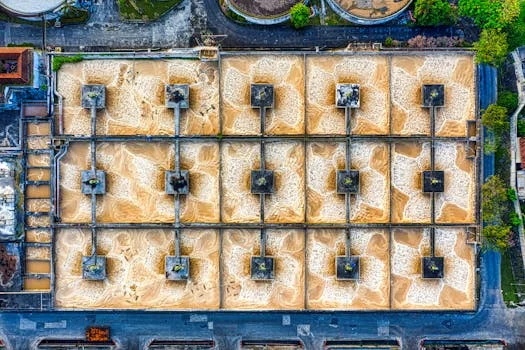
Budgeting for a hospital wastewater treatment system requires a comprehensive understanding of all associated costs, extending beyond the initial equipment purchase. For a 200-bed hospital in Arequipa, the Capital Expenditure (CAPEX) can vary significantly based on the chosen technology. A compact Membrane Bioreactor (MBR) system, offering advanced treatment and water reuse capabilities, typically ranges from $300,000 to $500,000. This includes the cost of the MBR modules, bioreactor tanks, pumps, controls, and installation. In contrast, a Dissolved Air Flotation (DAF) coupled with an activated sludge process, which provides a more conventional treatment approach, falls within the $150,000 to $250,000 CAPEX range. For smaller clinics or basic pre-treatment needs, a chemical precipitation system might cost between $80,000 and $150,000.
Operational Expenditure (OPEX) is an ongoing cost that can significantly impact the total cost of ownership. For MBR systems, OPEX typically ranges from $1.00 to $1.50 per cubic meter of treated water. This cost is primarily driven by energy consumption, which accounts for 40–60% of OPEX, followed by chemicals (20–30%), labor (10–20%), and maintenance (5–10%). DAF + Activated Sludge systems generally have lower OPEX, around $0.60–$1.00/m³, due to potentially lower energy demands and less complex membrane maintenance. Chemical precipitation systems might have the lowest OPEX at $0.40–$0.80/m³, but this is often offset by higher chemical consumption.
Beyond direct CAPEX and OPEX, several "hidden" costs must be factored into the budget. Permitting and environmental impact assessments can range from $5,000 to $15,000, depending on the project scope and local authority requirements. Operator training is essential for ensuring the system's efficient and compliant operation, costing approximately $3,000 to $8,000. The disposal of sludge generated by the treatment process is another significant ongoing cost, often ranging from $0.20 to $0.50 per cubic meter of treated wastewater, depending on local landfill fees and transportation costs.
Calculating the Return on Investment (ROI) is crucial for justifying the expenditure, especially for advanced systems like MBRs. MBR systems can achieve payback periods of 5–7 years, primarily through savings generated by water reuse. If a hospital can replace its potable water consumption for non-potable uses (e.g., irrigation, toilet flushing) with treated wastewater costing $0.50/m³, compared to municipal water at $1.20/m³, the annual savings can be substantial. A simplified ROI formula is: Payback (years) = CAPEX / (Annual Savings - Annual OPEX). For example, a $400,000 MBR system generating 40 m³/day (14,600 m³/year) with an annual saving of $0.70/m³ ($10,220/year) and an OPEX of $1.25/m³ ($18,250/year) would have an annual net saving of $22,030, leading to a payback period of approximately 18 years if no reuse savings are considered. However, if reuse savings are factored in, the payback period dramatically shortens.
Compliance Checklist: Meeting Peru’s DS 015-2015-MINAM for Hospital Effluent
Ensuring compliance with Peru’s stringent wastewater discharge regulations is paramount for any hospital in Arequipa. The DS 015-2015-MINAM establishes clear effluent limits that must be consistently met. A systematic approach, incorporating regular monitoring and meticulous documentation, is essential for maintaining compliance and avoiding penalties.
- Effluent Standards Adherence: Regularly verify that treated wastewater meets the following key parameters:
- Biochemical Oxygen Demand (BOD): ≤ 30 mg/L
- Chemical Oxygen Demand (COD): ≤ 100 mg/L
- Total Suspended Solids (TSS): ≤ 50 mg/L
- Fecal Coliforms: ≤ 1,000 MPN/100 mL
- pH: 6.0 – 9.0
- Testing Frequency: Implement a robust sampling and testing schedule. According to MINAM enforcement guidelines, weekly testing for BOD, COD, and TSS is generally required. Fecal coliform testing should be conducted daily to ensure immediate detection of any disinfection failures.
- Record Keeping and Documentation: Maintain comprehensive daily logs that include flow rates, chemical dosages used in treatment processes, and disinfection contact times. These logs are critical for operational management and regulatory audits. ensure quarterly laboratory reports are compiled and readily available. Annual system audits by qualified personnel are also recommended to identify potential issues before they lead to non-compliance.
- Permitting Process (Ley 29338): For wastewater treatment systems designed to handle flows exceeding 50 m³/day, an Environmental Impact Assessment (EIA) is mandatory under Ley 29338. The EIA process involves detailed studies of the potential environmental impacts of the treatment facility and requires submission to the relevant environmental authorities. The typical timeline for obtaining EIA approval can range from 3 to 6 months, depending on the complexity of the project and the thoroughness of the submitted documentation. Early engagement with environmental consultants and regulatory bodies is crucial to navigate this process efficiently.
Vetted Suppliers for Hospital Wastewater Treatment in Arequipa (2025)
Selecting a reliable supplier with proven experience in hospital wastewater treatment and a strong understanding of Peruvian regulations is critical for successful project implementation. A combination of local expertise and international capabilities can provide the best solution for Arequipa's hospitals.
| Supplier Type | Company | Specialties | Arequipa/Peru Presence | Contact Information (Example) |
|---|---|---|---|---|
| Local/National | Sedapal | Municipal-scale wastewater infrastructure, large industrial projects | National presence, Arequipa office | [email protected], +51 1 315 1000 |
| Local/National | Aguas de Arequipa | Water and wastewater consulting, infrastructure management | Arequipa-based | [email protected], +51 54 22 1515 |
| Local/National | Tecnoagua S.A.C. | Water treatment solutions, including DAF and MBR systems | Peru-based | [email protected], +51 1 519 2000 |
| International | HydropureWater | MBR, DAF, Chlorine Dioxide Generators, compact medical wastewater treatment systems | Global presence, exports to Peru | [email protected], +86-181-0655-2851 |
| International | Veolia Water Technologies | Turnkey wastewater solutions, advanced treatment technologies | Peru-based offices/partners | [email protected], +51 1 411 6300 |
| International | Stantec | Engineering, design, and consulting for large infrastructure projects | Regional presence in Latin America | [email protected], +1 780 969 3330 (Global HQ) |
When evaluating potential suppliers, consider the following selection criteria: extensive experience with hospital wastewater treatment challenges, a demonstrated understanding of and commitment to DS 015-2015-MINAM compliance, robust after-sales support and maintenance services, and realistic lead times for equipment fabrication and installation. Red flags to watch out for include a lack of Peru-based project references, vague claims regarding compliance, no warranty offered on equipment, or an inability to provide detailed technical specifications and performance guarantees. International vendors can offer advanced technologies, but it's crucial to ensure they have established local support networks or reliable partners within Peru to facilitate installation, commissioning, and ongoing maintenance. For smaller clinics, our compact medical wastewater treatment system offers a scalable and efficient solution.
Frequently Asked Questions
What is the largest hospital wastewater treatment plant in Arequipa?
While the La Enlozada plant is a significant municipal wastewater treatment facility in Arequipa, capable of treating up to 1 m³/s, there are no publicly documented, large-scale, dedicated hospital wastewater treatment plants of comparable size. Hospitals in Arequipa typically rely on on-site treatment systems designed for their specific flow rates, usually ranging from 5 to 50 m³/day.
How much does hospital wastewater treatment cost in Arequipa?
For a 200-bed hospital, the initial Capital Expenditure (CAPEX) can range from $80,000–$150,000 for a chemical precipitation system, $150,000–$250,000 for a DAF + Activated Sludge system, and $300,000–$500,000 for an advanced MBR system. Operational Expenditure (OPEX) varies from $0.40 to $1.50 per cubic meter of treated water, depending on the technology, energy costs, and chemical consumption.
What are the penalties for non-compliance with DS 015-2015-MINAM?
Penalties for non-compliance with DS 015-2015-MINAM can be severe. According to MINAM enforcement data, fines can reach up to 10,000 Unidades Impositivas Tributarias (UIT), which in 2025 is approximately $1.3 million USD. In addition to financial penalties, regulatory bodies have the authority to order facility closure until compliance is achieved.
Can treated hospital wastewater be reused in Arequipa?
Yes, treated hospital wastewater can be reused, but only for non-potable purposes such as landscape irrigation, toilet flushing, or industrial processes. Achieving water suitable for reuse typically requires advanced treatment, such as that provided by MBR systems, potentially followed by further polishing steps like Reverse Osmosis (RO) or Ultraviolet (UV) disinfection. This reuse is particularly beneficial in Arequipa due to water scarcity.
What is the lead time for a hospital wastewater treatment system in Arequipa?
The total lead time for a hospital wastewater treatment system in Arequipa typically ranges from 6 to 12 months. This period includes the permitting process, which can take 3 to 6 months, and the equipment fabrication, installation, and commissioning phases, which can take another 3 to 6 months. Early planning and engagement with suppliers and regulatory bodies are crucial to manage these timelines effectively.
Related Equipment
- compact MBR system for hospital wastewater reuse — view specifications, capacity range, and technical data
- high-efficiency DAF system for hospital FOG and TSS removal — view specifications, capacity range, and technical data
- on-site chlorine dioxide generator for hospital effluent disinfection — view specifications, capacity range, and technical data
Need a customized solution? Request a free quote with your specific flow rate and pollutant parameters.