Choose the treatment route from the discharge objective
The best sewage treatment plant in Guyana depends on measured flow and load, the final effluent use, land availability, sludge handling and applicable Environmental Protection Agency (EPA) conditions. A buried A/O package sewage treatment plant may suit decentralized municipal, hotel or residential duties, while a membrane bioreactor sewage treatment system may be justified where compact treatment and membrane solids separation are needed. Before ordering, obtain an influent analysis, design flows, effluent-use criteria, site constraints and sludge-disposal information. A proposal’s expected effluent values are not independent national discharge standards.
Guyana’s problem is systemic rather than an isolated equipment failure. Research published in the International Journal of Innovative Research in Engineering & Multidisciplinary Physical Sciences identifies infrastructure constraints, weak regulatory enforcement, inadequate maintenance, insufficient investment and low public awareness as interconnected causes of the country’s wastewater-management difficulties. The same study reports untreated discharges associated with the outdated Tucville sewage system and Central Georgetown sewage system.
Project requirements dictate the treatment outcome, whether for sewer connection, direct environmental discharge, irrigation, toilet flushing or another reuse. Ask the project owner for the applicable Guyana EPA discharge or reuse conditions and identify the person or document that confirms them. Treatment needs are guided by regulatory requirements and the intended use of the final effluent.
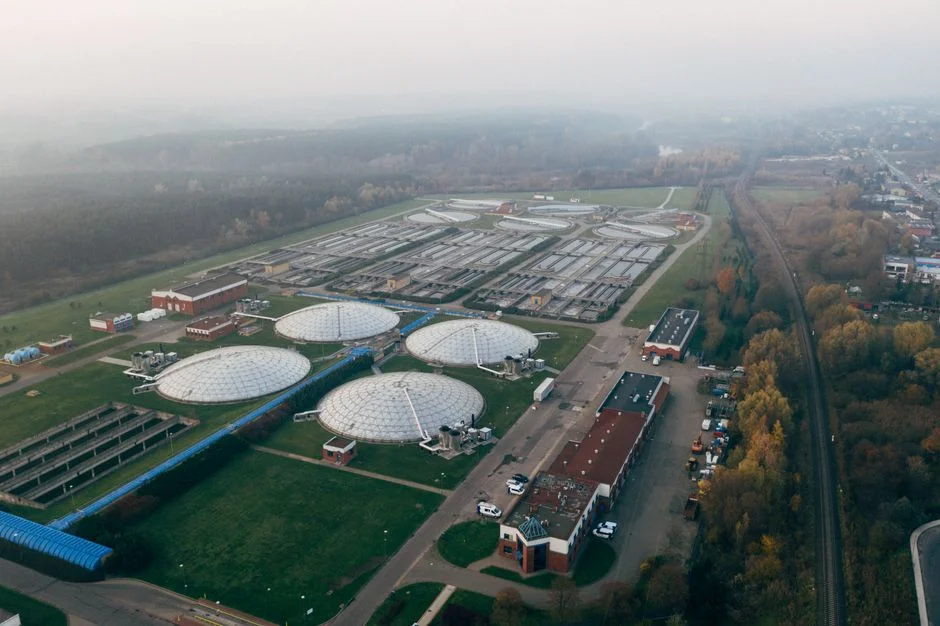
The Georgetown treatment proposal presents a sequential route: pretreatment, primary treatment, secondary treatment and polishing. Pretreatment covers screening, grit removal and skimming; primary treatment removes larger suspended solids; biological treatment handles dissolved and finer organic material; polishing provides the final treatment before release. This sequence is a process reference, not a universal package specification.
For industrial or commercial sites, dissolved-air flotation can be considered when suspended solids, oil and grease or colloidal material drive the separation requirement. This equipment does not constitute the complete sewage-treatment train. For hotel, residential and institutional projects, compare sewer, A/O plant and MBR routes, or compare sewer and underground A/O treatment, against the required effluent use.
Match A/O, MBR and pretreatment equipment to site conditions
A/O, MBR or headworks selection must align with wastewater characteristics, available footprint, operating resources and required effluent performance rather than equipment size alone. A package plant reduces the number of separately coordinated process units, but its civil interfaces, controls, sludge route and performance guarantees still require definition.
| Discharge route or influent problem | Governing rule or process option | What data settles it |
|---|---|---|
| Decentralized sewage treatment | Buried A/O package sewage treatment plant where site conditions, access and loading support a packaged route. | Average and peak flow; organic and solids loading; footprint; soil and groundwater; excavation and maintenance access. |
| Compact treatment or reuse-oriented duty | Membrane bioreactor sewage treatment system where membrane solids separation and site footprint justify the added process and maintenance requirements. | Final-use criteria; flow and load peaks; membrane cleaning strategy; operator competence; replacement assumptions. |
| Rags, plastics, fibrous debris or suspended solids at headworks | Rotary mechanical bar screen, with screen size, capacity and drive arrangement selected for the confirmed duty. | Peak flow; debris characteristics; screenings handling; headworks layout; maintenance and odor-control requirements. |
| Oil and grease or colloidal separation | DAF as pretreatment where the contaminant profile supports it, followed by the required biological treatment and disinfection. | Oil and grease sampling; flow variation; emulsified waste characteristics; downstream treatment and sludge handling. |
The buried A/O package sewage treatment plant is described as fully automated and not requiring an operator, making it relevant where continuous attendance is difficult. Confirm that claim against the project’s monitoring, alarm response, maintenance and local staffing arrangements.
The membrane bioreactor sewage treatment system should be shortlisted where footprint, effluent quality or reuse requirements make membrane separation advantageous. Require bidders to disclose membrane cleaning, fouling control, consumables and replacement assumptions.
For municipal or industrial headworks, the GX rotary mechanical bar screen removes rags, plastics, fibrous debris and suspended solids. Require the supplier to confirm the required duty rather than treating screening as an automatic inclusion.
Build the site data and effluent compliance file
A defensible equipment selection starts with measured site data, not a generic population conversion. Request average flow and peak-hour flow, including current and projected growth. Obtain raw-sewage results for BOD, COD, suspended solids, oil and grease, pH, nitrogen and coliforms. The Georgetown proposal identifies these contaminant characteristics and growth as relevant to treatment design.
Request sampling records that identify dates, times, sampling points, flow conditions and laboratory methods. Separate representative influent data from a supplier’s assumed design basis. If flow or wastewater characterization is unavailable, record that gap and require the bidder either to carry out measurement or state the design assumptions and risks associated with them.
For regulatory review, identify the Environmental Protection Agency as the relevant regulatory reference and obtain the conditions applying to the proposed discharge point and final use. A proposal’s expected effluent values should be checked independently against applicable EPA requirements; they should not be presented as verified national limits.
The site file should also include the receiving-water or drainage route, topographic and site survey, soil and groundwater constraints, construction access, backup-power requirements, utilities, telemetry expectations, remote-monitoring duties and local service responsibilities. Use containerized sewage treatment plant sizing as a prompt for clarifying flow, footprint and operating assumptions, but do not transfer another jurisdiction’s conditions to Guyana.
Separate treatment, sludge, disinfection and controls scope
A complete quotation must identify every barrier between incoming sewage and its permitted discharge or reuse endpoint. Do not accept “plant supplied” as a sufficient description. The Georgetown proposal treats sludge stabilization and drying as distinct stages, so sludge handling should be a separately priced and technically defined work package.
Request the expected sludge-generation basis, storage arrangement, stabilization method, dewatering duty, cake-disposal route, odor controls, operator tasks and replacement access. Plate and frame filter presses are available with filtration areas from 1 m² to 500 m² and manual, hydraulic or fully automatic PLC-controlled operation. Select among these only after confirming sludge characteristics, operating hours and required cake condition.
Disinfection must follow the required treatment sequence. Chlorine dioxide generators are offered in eight configurations, including automated industrial systems up to 20,000 g/h; UV sterilizers provide a chemical-free alternative for suitable installations. Ask each supplier to demonstrate suitability for the confirmed flow, water matrix and final-use criteria rather than comparing generator capacity in isolation.
Controls and utilities require defined boundaries. Specify local instruments, alarms, PLC or SCADA architecture, data logging, remote access, power supply, backup power, duty/standby arrangements, chemical storage and emergency operating procedures. The Georgetown proposal’s resource-recovery and reuse concepts do not establish acceptance criteria for a particular project; each reuse route requires its own treatment and disinfection performance requirements.
Turn the selection into a quotation and acceptance checklist
Issue the same priced scope to every bidder so that technical differences and exclusions remain visible. Request separate prices for equipment, civil works, installation, commissioning, controls, power supply, sludge handling, disinfection, training, spares and long-term service. State quantities, duties, interfaces and acceptance criteria in the enquiry rather than relying on each supplier’s interpretation.
Require each bidder to state its design life and replacement assumptions. The Georgetown proposal states an expected lifespan of at minimum thirty (30) years for that project; that figure belongs to the proposal and is not a universal design-life requirement for a package plant.
| Quote line item | Technical scope to specify | Red flags to check before signing |
|---|---|---|
| Influent and process design basis | Average and peak flow; BOD, COD, suspended solids, oil and grease, pH, nitrogen, coliforms; projected growth. | Bid relies only on population estimates, offers no sampling basis, or omits assumed peaks and loads. |
| Final effluent and destination | Applicable EPA conditions, receiving point or reuse application, sampling protocol, frequency and reporting responsibility. | Proposal effluent figures are presented as verified national standards, or no discharge destination is defined. |
| Civil works and utilities | Excavation, foundations, tanks, piping, access roads, drainage, power, backup power, water and site interfaces. | Main equipment is priced but civil works, electrical connection or utility upgrades are excluded. |
| Headworks and pretreatment | Screening, grit removal, oil and grease separation, screenings and scum disposal, with confirmed duty. | Rotary screen or DAF is included without debris, flow or oil-loading data, or without disposal scope. |
| Sludge handling and dewatering | Stabilization, storage, dewatering, cake transport, odor control, cleaning and maintenance access. | Sludge is described only as “included,” with no route, quantity basis or equipment responsibility. |
| Disinfection and controls | Disinfection method, instrumentation, alarms, PLC or SCADA, telemetry, power and control-room boundaries. | Disinfection capacity is unverified against the influent matrix; remote monitoring and response duties are omitted. |
| Installation and commissioning | Delivery, erection, connections, testing, factory acceptance testing, site acceptance testing, training and documentation. | “Delivered” price excludes installation, commissioning, operator training, spares or travel-related costs. |
| Warranty and service | Defects period, response times, local service capability, critical spares, membrane or wear-part replacement assumptions. | Warranty is stated without response times, exclusions or a defined local support arrangement. |
Define factory acceptance testing, site acceptance testing, hydraulic testing, independent effluent sampling, operator training, as-built documentation and warranty response times before signing. Make final payment conditional on demonstrated performance against the stated acceptance criteria, not merely successful delivery. Containerized plant sizing guidance can support the enquiry structure, while the packaged residential project example can help identify missing installation and service boundaries.
Frequently Asked Questions
What flow and waste data should be supplied before selecting a sewage treatment plant in Guyana?
Supply average and peak-hour sewage flow, projected growth, and laboratory results for BOD, COD, suspended solids, oil and grease, pH, nitrogen and coliforms. Also provide the discharge destination, applicable EPA conditions and site constraints. These inputs establish the design basis; a population estimate alone does not resolve hydraulic or organic loading.
When should an A/O package plant be preferred over MBR?
Prefer A/O when the influent characterization, available footprint, operator resources and required effluent performance support a packaged biological route. Consider MBR when compact treatment, membrane solids separation or the final-use criteria justify the additional membrane-cleaning, control and replacement obligations. Ask bidders to compare both routes against the same confirmed influent data and performance requirements.
What should a sewage treatment plant quotation include beyond the main equipment?
Request separately priced civil works, installation, electrical and power works, controls, headworks, sludge handling and dewatering, disinfection, utilities, commissioning, training, spares, documentation and long-term service. Require each bidder to identify exclusions, design-life assumptions and replacement costs. Without this breakdown, the lowest equipment price will not provide a comparable total procurement cost.
Which acceptance tests should be required before final payment?
Require agreed factory and site acceptance tests, hydraulic testing, independent influent and effluent sampling, verification of alarms and controls, operator-training records, as-built documentation and demonstrated compliance with the agreed effluent or reuse criteria. Define sampling points, methods, test frequency, independent witnessing and remedies for failed results before signature, along with warranty-response times and a defined local service arrangement.