Confirm the Djibouti treatment and disposal route
Size a containerized sewage treatment plant in Djibouti by converting verified design inputs into an RFQ-ready scope, not by copying a generic container capacity. First establish the wastewater route: municipal sewer is not generally available in Djibouti, so foul drainage commonly requires an on-site septic tank and soakaway that must be designed, built, inspected and maintained. Then document flow, organic load, solids, treatment objectives, footprint, soil and installation constraints. The typical dwelling profile shown for Djibouti—2 WC, 2 basin, 1 shower and 1 kitchen sink—is only a preliminary occupancy check for pipework and tank sizing. Obtain municipal and site-specific design data before selecting or pricing equipment.
Do not assume that a containerized treatment plant can discharge to a municipal sewer merely because a sewer is shown on a regional drawing. Confirm the connection physically exists at the plot and establish who controls access, connection approval and the receiving system’s operating conditions.
For a plot without a confirmed municipal connection, retain the septic tank and soakaway as a distinct disposal system. The WSZ underground package sewage treatment plant may be relevant where below-ground installation is feasible, but treatment capacity and soakaway sizing are separate design decisions. Do not let one contractor’s equipment scope conceal an unresolved disposal route.
Test soil percolation before relying on a soakaway. Clay soils may not percolate and may require a different disposal method, so the soakaway cannot be sized from a generic rule. Keep roof and paving water out of the foul system: storm and foul overloads must not be combined.
For project-specific compliance, obtain confirmation from the municipal building authority and a professional registered in Djibouti. Ask each authority for the documents it requires to approve the treatment train, septic tank, disposal field and final discharge route.
Build the hydraulic and organic design basis
The design basis must be set from measured and documented inputs before selecting a biological process. The key distinction is between connected population, daily sewage flow, peak-hour flow and pollutant load: a fixture count can support an early planning check, but it does not establish containerized WWTP capacity.
- List every connected dwelling, employee, visitor or facility use contributing sewage.
- Obtain the daily sewage flow and peak-hour flow from metering records or a professionally prepared design estimate, and have the buyer approve the selected peak factor.
- Sample and analyse influent COD, BOD and TSS, and assess suspended-solids characteristics, salinity and any industrial contribution before assigning biological loading.
- Separate stormwater at source so wet-weather flow does not distort the sewage treatment train.
- Request the receiving-environment limits and intended effluent route independently of the proposed treatment capacity.
The supplied Djibouti dwelling reference identifies 2 WC, 2 basin, 1 shower and 1 kitchen sink as typical per dwelling and as the basis for preliminary pipework and tank sizing. That profile does not establish daily flow, biological loading or the number of treatment modules. Likewise, no treatment capacity, effluent limit or sludge-production rate should be inferred from the residential example. Obtain project-specific flow and laboratory data before equipment selection.
| Discharge route or influent problem | Governing rule or process option | What data settles it |
|---|---|---|
| No confirmed municipal sewer connection | Retain on-site treatment and a separately designed septic tank and disposal route. | Written confirmation of boundary connection availability, treatment-stage requirements, inspection requirements and the final effluent destination. |
| Unknown daily and peak sewage flow | Specify the containerized WWTP against approved average and peak design-flow inputs; do not use fixture count as plant capacity. | Metered flow data, occupancy schedule, contributing uses, peak factor and the engineer’s approved design-flow calculation. |
| Undefined organic and solids loading | Determine biological treatment and pretreatment requirements only after characterising the influent. | COD, BOD, TSS, suspended-solids characteristics and salinity results from representative samples. |
| Stormwater entering the foul system | Keep roof and paving drainage separate from sewage treatment. | Site drainage drawings, pipe surveys and a traced connection survey. |
| Clay soil or failed percolation | Do not rely on a conventional soakaway without evidence; assess another disposal method. | Site-specific percolation-test results, groundwater information, soil report and available footprint. |
A packaged sewage treatment plant project comparison can help structure questions about residential equipment scope, but it does not replace Djibouti-specific flow, soil, discharge and authority inputs.
Select the treatment train from verified project conditions
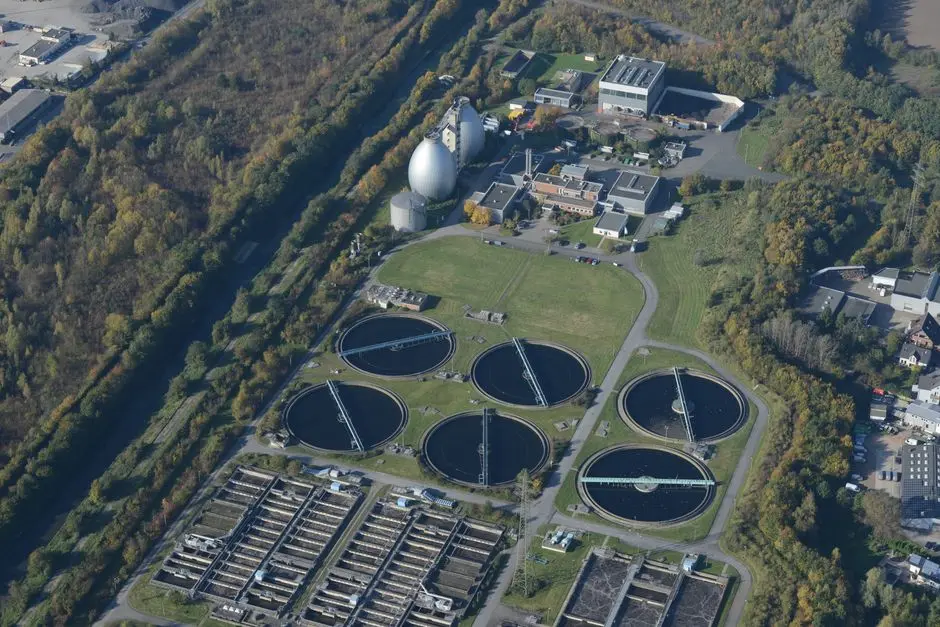
The process must be chosen by matching verified wastewater characteristics, site constraints and the final disposal route. Containerized deployment, an underground package arrangement and an MBR membrane bioreactor system should be compared only after those inputs are fixed.
- Where excavation, landscaping or transportability affects deployment, compare the documented below-grade installation option with trailer-mounted containerized equipment. Include foundation, access, lifting and reinstatement requirements in that comparison.
- Where industrial wastewater enters the scope, separately assess solids, oil and grease and other contaminants. Do not assume domestic biological treatment is suitable because the wastewater ultimately passes through an A/O package treatment plant or MBR.
- Where the treated effluent will be reused or discharged, make the receiving route and applicable limits part of the performance request.
Request a process narrative from each bidder: preliminary treatment requirements, biological process, solids separation, disinfection where required, final pumping or gravity discharge, sludge capture and the proposed controls. Require the bidder to identify any assumption that requires site confirmation. A process name alone is not enough to compare bids.
Define the site, logistics and operating constraints
The selected process must be converted into a site-feasible package before requesting prices. Provide the supplier with drawings and site information rather than asking each bidder to infer an installation from the wastewater flow alone.
- Provide available footprint, access-road limits, flood exposure, noise constraints, landscaping requirements and the proposed foundation arrangement.
- Request container dimensions, module weights, lifting points, crane or lifting allowance, delivery restrictions and installation method.
- Provide soil and drainage information for foundations, bunding, washdown, sludge handling and any proposed soakaway. Require percolation evidence rather than an assumption.
- Confirm power supply, backup-generation requirements, control philosophy, remote monitoring, local spares and the operating skill available on site.
- Identify tank bunding, chemical storage, ventilation, maintenance access, lifting provisions and hazardous-material requirements in the quotation scope.
Also define who owns each civil interface: site clearance, excavation, backfill, roads, drainage, power installation, standby power, chemical supply, sludge removal and final effluent connection. Mark any item that cannot be performed by the package supplier as an explicit exclusion or priced provisional sum.
Build a quotation scope with acceptance criteria
Issue a common RFQ so bidders price the same boundary and disclose their assumptions. Use the containerized sewage treatment plant sizing comparison as a question framework, not as a substitute for project-specific data.
| Quote line item | Technical scope to specify | Red flags to check before signing |
|---|---|---|
| Design basis | State design flow, peak flow, design loads, process route, module count, treatment objectives and the basis for every guarantee. | Bidder omits a flow, load or guarantee basis, or substitutes unqualified “capacity” language. |
| Performance and discharge acceptance | Separate equipment capacity from guaranteed effluent performance, discharge compliance and septic-tank or soakaway sizing. | Contract treats a treatment guarantee as proof of discharge permission, or assumes municipal sewer access. |
| Commissioning and handover | List startup testing, training, commissioning records, operating manual, maintenance schedule, spare parts, warranty scope and remote-support deliverables. | No agreed test protocol, acceptance records, training hours, warranty exclusions or handover documentation. |
| Civil works and utilities | Price or expressly exclude foundations, excavation, roads, drainage, power supply, backup power, pumps, chemicals and final connections. | One lump-sum price hides siteworks, utility upgrades or equipment that must be purchased separately. |
| Sludge and consumables | State sludge-generation basis, dewatering method, storage, removal frequency, disposal route, chemical use and operating costs. | No route for removing sludge or retained waste, or no method for calculating operating demand. |
| Installation and logistics | State delivery route, module weights, lifting allowance, crane requirements, bunding, ventilation, maintenance access and commissioning conditions. | Site delivery, foundation or lifting obligations are not allocated despite physical access constraints. |
| External on-site treatment allowance | Keep septic tank and soakaway or alternative disposal as a separate work item with design responsibility identified. | A septic tank and soakaway is treated as part of the container price without percolation evidence or a disposal design. |
The observation that a septic tank and soakaway commonly represents 3–6% of house construction cost serves as a budgeting warning from the Djibouti construction guidance. It is not a containerized-plant quotation, a universal allowance for this project or a basis for deriving the cost of treatment equipment or external works.
Before comparing bids, complete a blank-assumption register. Assign every missing flow, load, discharge, soil, power, footprint, logistics or sludge item to the client, engineer or bidder. Do not award on the lowest equipment price while leaving the treatment route, civil scope or acceptance test unresolved.
Frequently Asked Questions
How much does a containerized sewage treatment plant cost for a project in Djibouti?
A defensible price cannot be calculated until the RFQ identifies design flow, peak flow, influent loads, treatment objectives, discharge route, module arrangement, civil interfaces, power, commissioning and sludge handling. Ask each bidder for an itemized quotation against the same scope. Keep the septic tank, soakaway or alternative disposal field as a separate line so that equipment price is not confused with on-site treatment and disposal cost.
Should the supplier size the treatment plant and the septic tank or soakaway together?
Require the supplier to state the design basis for each element and accept responsibility for interface design. Confirm from the Djibouti municipal building authority and a professional registered in Djibouti what project-specific compliance requires. Ask for the connection confirmation, septic-tank design and site-specific percolation test to be shown as prerequisites rather than assumptions.
Which treatment route should be selected when the wastewater includes industrial contributions?
Do not select an A/O package treatment plant or MBR membrane bioreactor system from flow data alone. Obtain representative COD, BOD and TSS results, suspended-solids characteristics, salinity information and a process assessment for solids, oil and grease or other contaminants. Require the bidder to document any separate pretreatment and state the effect on capacity, controls, sludge and acceptance testing.
What site information is needed before asking for an RFQ?
Provide a site plan, verified sewer-connection status, daily and peak sewage flow, connected uses, influent analyses, discharge route and applicable limits, soil and percolation information, available footprint, access constraints, flood and noise considerations, power and backup-power requirements, and sludge-disposal arrangements. Ask the bidder to list every item it could not price because one of these inputs remains unresolved.