Define the discharge route before selecting equipment
The equipment decision for an industrial effluent treatment plant in Amsterdam starts with the required destination of the water: sewer discharge, controlled discharge, or reuse. DAF removes suspended solids, oil, grease, and colloidal material before downstream biological or membrane treatment. MBR combines biological treatment with membrane filtration, while UF provides membrane separation without chemical cleaning agents; RO produces higher-purity permeate. Academic research identifies nanofiltration as a possible polishing step for WWTP effluent, but the supplied evidence does not establish Amsterdam-specific permit limits. The buyer should obtain site wastewater data and confirm permit or sewer conditions before selecting equipment.
Record the receiving authority or sewer operator, the intended discharge point, and whether the treated water will be discharged, reused, or serve both purposes. Ask the authority for the applicable Amsterdam, Dutch, and EU permit or sewer conditions; do not infer a discharge limit from a general treatment reference. The destination determines the acceptance basis: permit compliance for a discharge route or a defined water-quality specification for effluent reuse.
University of Twente research evaluated nanofiltration as a way to polish wastewater-treatment-plant effluent to EU Water Framework Directive standards, potentially supporting agricultural or direct and indirect potable uses. That finding supports membrane polishing as a reuse consideration, but it does not establish the reuse route, acceptance parameters, or approval for a particular Amsterdam installation. Confirm the receiving authority, reuse application, and legally applicable standard before assigning equipment.
| Discharge route or influent problem | Governing rule or process option | What data settles it |
|---|---|---|
| Indirect discharge through a sewer | Confirm the sewer operator’s connection and acceptance requirements before process selection. | Permit or sewer correspondence, receiving authority contact, required pretreatment and analysis basis. |
| Controlled discharge | Use the confirmed permit criteria to define the required biological, membrane or polishing stages. | Authorised discharge point, permit parameters, sampling method and operating-frequency requirements. |
| Industrial or agricultural reuse | Evaluate UF, RO or another validated polishing route against the intended use; an integrated MBR wastewater treatment system may provide biological treatment and filtration where appropriate. | Reuse application, recipient quality specification, health or process requirements and authority approval route. |
Map the wastewater problems to the treatment train
A representative wastewater analysis and flow record is required before comparing equipment. The minimum purchase basis includes COD, BOD, TSS, oil and grease, pH, temperature, and salinity, together with average flow and peak-hour flow. If production batching, clean-in-place discharges, or seasonal changes occur, include them in the sampling plan; otherwise, the supplier may size around an unrepresentative average.
Assign each contaminant to the stage that addresses it. Use dissolved air flotation where suspended solids, oil and grease, free oil and grease, and colloidal material are the primary concerns, particularly before biological or membrane equipment. An industrial DAF pretreatment system should be evaluated against downstream fouling and separation requirements rather than treated as a complete biological treatment route.
Use MBR when the project needs an integrated biological and membrane stage. Use ultrafiltration where the required outcome is membrane separation that removes bacteria, colloids, and suspended solids before downstream treatment. Use reverse osmosis when the reuse specification requires higher-purity water and dissolved-solids rejection. These technologies form a treatment train; they are not interchangeable descriptions of the same duty.
Additional polishing may be required when micropollutants are in scope. Wageningen University and Research investigated constructed wetlands for micropollutant removal from wastewater-treatment-plant effluent in research published on 23 Sept 2022. That work supports the need to assess the wastewater profile and intended reuse quality rather than assume one established treatment stage removes every constituent.
Compare DAF, MBR, UF and RO against site data
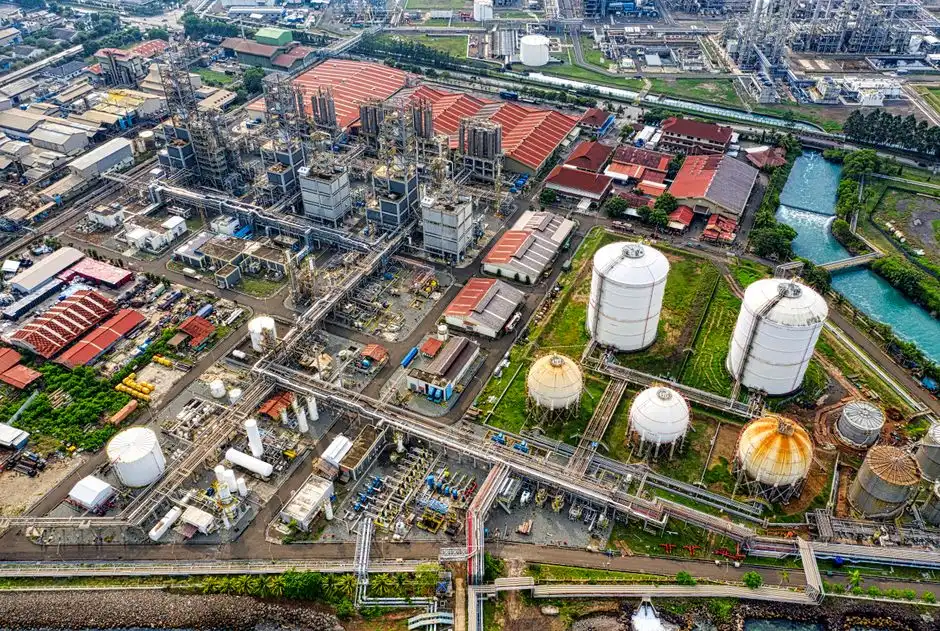
Compare the routes by function and then test the combination against the site data. Pretreatment protects downstream biological and membrane processes; biological treatment addresses biodegradable organics; UF separates suspended material, colloids, and microorganisms; RO provides higher-purity permeate through desalination. The appropriate train follows from contaminant removal, the legally required destination, and reuse quality—not from a preference for one equipment type.
| Discharge route or influent problem | Governing rule or process option | What data settles it |
|---|---|---|
| Oil, grease and suspended solids could overload downstream equipment | DAF as wastewater pretreatment, followed by the biological or membrane stage required by the destination. | Oil and grease, TSS and colloid data; identified flow peaks; downstream equipment protection criteria. |
| Biodegradable organics require treatment in a compact biological route | MBR for integrated biological treatment and membrane filtration. | COD, BOD, temperature, salinity, flow variation, loading and required effluent quality. |
| Separation or polishing before a downstream process is required | UF for membrane separation and polishing ahead of further treatment. | Required removal of bacteria, colloids and suspended solids; feed-water characteristics and downstream process limits. |
| Reuse requires higher-purity permeate or dissolved-solids control | RO as a higher-purity desalination step within the wider train. | Permeate specification, salinity, scaling risk, pretreatment requirements, recovery basis and concentrate route. |
The wider train also creates a solids-handling decision. If sludge dewatering is required, a plate and frame filter press can separate solid material from sludge after liquid treatment. The selected liquid process, sludge characteristics, and intended disposal route should determine whether this equipment belongs in the project scope.
Build a quotation-ready technical and commercial scope
Every supplier must identify the design basis and exclusions before comparing prices. A quotation should state design flow, treatment objective, duty assumptions, feed-water characteristics, product-quality guarantees, utilities, chemical consumption, sludge or concentrate output, and the limits of each guarantee. A generic performance statement is not meaningful until the supplier confirms the discharge route, applicable criteria, and site data used for sizing.
| Quote line item | Technical scope to specify | Red flags to check before signing |
|---|---|---|
| Process design and guarantees | Design flow and peak-flow basis; influent and effluent parameters; treatment route; guarantee conditions; excluded load conditions. | Guarantee has no test method, duty limit or stated wastewater composition. |
| Equipment and utilities | Equipment scope, materials, controls, utilities, chemicals, sludge or concentrate output and required pretreatment. | Civil works, installation, ancillaries, connections or utility upgrades are assumed to be included. |
| Delivery and commissioning | Delivery scope, site installation, start-up, commissioning, training, spare parts, warranty, remote support and documentation. | Commissioning, performance testing, operator training or handover documents are excluded or undefined. |
| Acceptance and failures | Agreed samples, test methods, test duration, acceptance thresholds and consequences of failed performance. | One sample without a representative operating period, or no remedy for failed acceptance testing. |
Make acceptance testing measurable. Specify the influent and effluent sampling points, sampling frequency, test methods, operating conditions, test duration, and the required evidence supplied after testing. Tie any performance payment, release of retention, or warranty obligation to the same acceptance protocol.
Separate equipment supply from site obligations. Installation, commissioning, training, spare parts, warranty, remote support, controls integration, documentation, and exclusions should each appear as priced line items or clearly stated exclusions. Use the industrial effluent RFQ checklist as a cross-site prompt, but resolve every entry against the Amsterdam route, permit, and supplier’s technical proposal.
Confirm implementation and long-term operating requirements
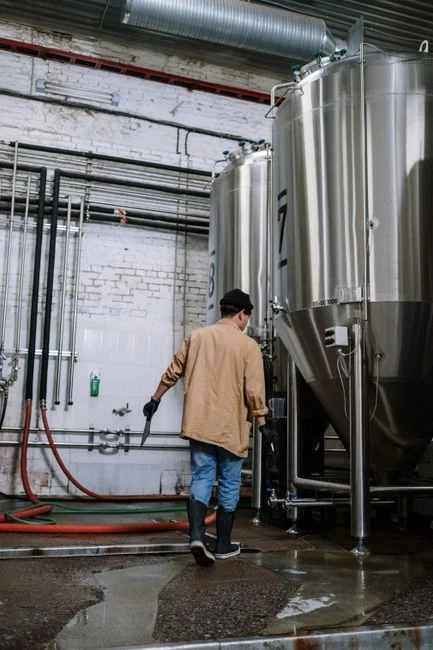
Installation and integration must be resolved before selecting the supplier. Confirm available footprint, underground or above-ground requirements, access for maintenance, utilities, noise constraints, and connection points with existing pipes and control systems. Ask each supplier to show how equipment access, lifting, drainage, sludge removal, and chemical delivery will work on site.
Request the control philosophy, including automatic backwash or cleaning sequences, alarms, interlocks, local controls, and remote support. For MBR and UF equipment, obtain the proposed MBR membrane selection guide and define how membrane condition, replacement, and cleaning will be managed. Operator training should cover routine operation, fault response, sampling, record keeping, and safe shutdown.
Agree the handover package and future operating plan. It should include as-built information, operating manuals, control narratives, test records, spare-parts schedules, warranty terms, and contact responsibilities. The parties should also establish how performance data, membrane replacement, sludge handling, consumables, and any future peak-flow expansion will be managed after handover.
The process comparison should be project-specific rather than copied from another location. The DAF, MBR, UF and RO route comparison can prompt questions, but Amsterdam’s wastewater characteristics, receiving requirements, reuse targets, and site constraints must determine the final equipment selection.
Frequently Asked Questions
Should DAF, MBR, UF and RO be treated as alternative products?
No. Compare them by function: DAF is pretreatment for suspended solids, oil, grease, and colloidal material; MBR integrates biological treatment with membrane filtration; UF performs membrane separation and polishing; RO provides higher-purity permeate. Select a combination from the wastewater analysis, discharge destination, and reuse specification. For a combined route, confirm that each upstream stage protects the next stage from the contaminants identified in the site data.
What information is needed to size an industrial wastewater treatment plant in Amsterdam?
Request representative COD, BOD, TSS, oil and grease, pH, temperature, and salinity results, plus average and peak-hour flow data. Add production schedules, batch discharges, and clean-in-place events where relevant. Also provide the confirmed discharge route, permit or sewer criteria, reuse application, treated-water target, available footprint, utilities, and sludge-handling requirements. A supplier should document how these inputs affect equipment sizing rather than quote from flow alone.
What should a supplier quotation include for price comparison?
Require itemised pricing for equipment, delivery, installation, commissioning, training, spare parts, warranty, remote support, documentation, utilities, chemicals, and performance testing. State exclusions and the duty assumptions behind the price. For budgeting, ask each bidder to price the same duty basis, test protocol, acceptance thresholds, and site scope; otherwise, a lower quotation may omit installation, guarantees, or downstream integration.
What acceptance evidence should be required before final handover?
Define the protocol before contract signature: agreed sampling points, test methods, operating conditions, test duration, and effluent parameters. Require commissioning records, site data confirming the tested duty, test results, operator-training records, as-built documents, operating manuals, control narratives, spare-parts list, warranty documentation, and agreed corrective actions. Final acceptance should be linked to that evidence, with clear consequences if the demonstrated performance fails.