Choose the discharge or reuse route first
Identify whether the objective for an industrial effluent treatment plant in the Barcelona area is legal discharge, process-water reuse, or reuse-quality polishing, then apply the permit or reuse target to a representative effluent analysis. DAF treats oily or solids-rich influent, MBR combines biological treatment with membrane separation, UF forms a barrier to suspended solids, colloids and microbes, and RO removes dissolved contaminants downstream. A near-Barcelona study assessed 445 days and classified treated water as almost non-polluted on 352 days, but its mainly domestic influent cannot directly size an industrial treatment train. Use this evidence to require long-term performance monitoring and technically complete RFQs.
Define the destination before selecting equipment. A legal discharge requires the applicable permit conditions and receiving-water context; process-water reuse requires the receiving process’s water-quality specification; reuse-quality polishing requires the quality needed for the intended application. Request these documents from the site’s environmental manager or permit holder. Do not infer a Barcelona permit from the research cited here.
Classify the influent as domestic sewage, industrial effluent or a mixed stream, because each produces a different biological load, contaminant profile and operating risk. The Manresa plant study describes a facility treating mainly domestic wastewater, with some industrial wastewater received from industries within the town. Its findings support monitoring and evidence expectations but do not represent every industrial stream in the Barcelona area.
Where reuse requires further polishing, investigate nanofiltration as a technology for WWTP effluent. University of Twente research evaluated its potential for effluent reclamation, but that finding does not establish that nanofiltration alone satisfies any specific Barcelona discharge requirement or industrial reuse target. Confirm the route and required water quality before including it in the train.
Match the treatment train to the effluent problem
Select the process by the contaminant that governs failure, rather than by the equipment label. If oil and grease, FOG, suspended solids or colloidal material are the principal pretreatment problems, start with DAF. If biological treatment and fine solids separation must be integrated, assess MBR. Use UF where the required barrier is against bacteria, colloids and suspended solids, commonly before RO. Use RO for desalination and dissolved-contaminant removal after the upstream stages have prepared the water; it is not a substitute for primary removal of solids-heavy or organic effluent.
| Discharge route or influent problem | Governing rule or process option | What data settles it |
|---|---|---|
| Legal discharge | Use the treatment train required by the applicable permit and receiving-water conditions. | Current permit, authorised discharge point, receiving-water information and analytical limits |
| Oily or solids-rich industrial influent | Assess DAF pretreatment before biological or polishing stages. | Oil and grease, FOG, suspended solids, colloids, flow profile and discharge batch information |
| Biodegradable effluent requiring integrated solids separation | Assess an integrated MBR wastewater treatment system. | COD, BOD, nutrients, pH, process toxicity, flow variation and final water-quality target |
| Suspended solids, colloids or microbial barrier required | Assess ultrafiltration polishing, subject to the feed-water requirements of the selected system. | Feed suspended solids, turbidity where relevant, microbiology, cleaning method and required recovery rate |
| Dissolved salts or contaminants must be removed | Assess reverse osmosis reuse as a downstream step rather than primary organic treatment. | Feed conductivity, relevant dissolved contaminants, scaling tendency, reject route and pretreatment performance |
| Specialised reuse or polishing objective | Investigate constructed wetlands or nanofiltration without assuming permit compliance. | Application-specific quality target, site footprint, seasonal loading and comparative performance evidence |
Constructed wetlands and nanofiltration remain candidates for further investigation where the project objective requires specialist polishing. The available research does not provide a Barcelona-area cost, footprint or performance comparison for these options, so obtain site-specific technical and commercial evidence before selecting them.
Size the plant from variable and local operating evidence
Replace generic flow assumptions with a time-based influent dataset. Request average and peak flow, operating schedule, seasonal variation, storm or batch-discharge conditions, and the wastewater contribution from each production line. A preliminary comparison may use the current average flow and verified peak, but final equipment sizing requires the load variation that the plant must handle within the operating envelope.
Request representative influent and effluent analyses covering pH, suspended solids, COD, BOD, oil and grease, nutrients and contaminants relevant to the manufacturing process. Specify the sampling method, sampling points and whether results represent normal production, cleaning operations or batch discharges. One average analysis cannot establish behavior across those conditions.
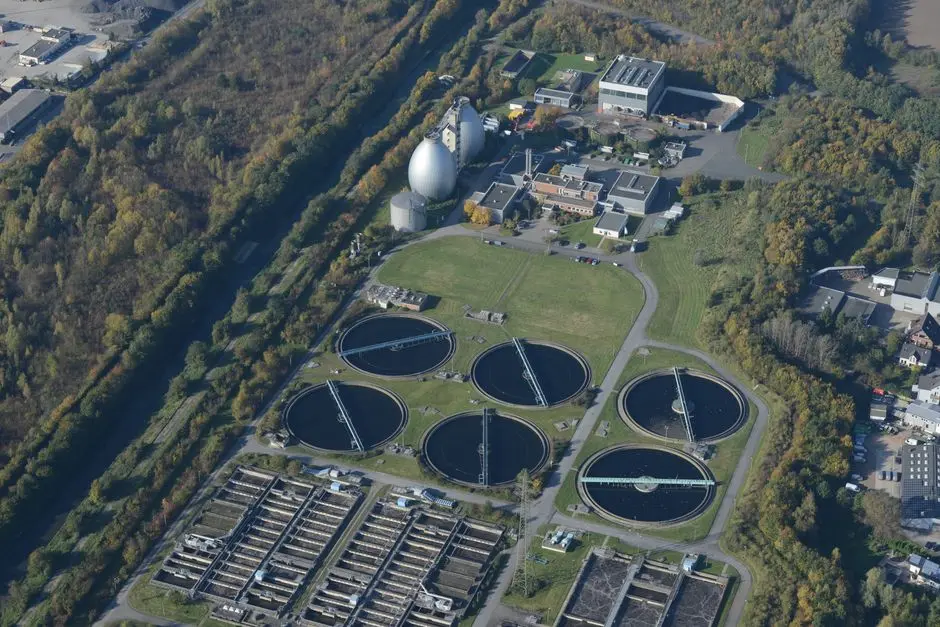
Long-term evidence matters because treated-water quality changes with the influent and operating state. The Manresa study considered 527 days of plant behavior, assessed 445 days and found treated water almost non-polluted on 352 days. This supports the use of time-series monitoring as evidence; it does not justify using the plant’s 35,000 m3/day flow, which the study describes as mainly domestic wastewater, as a Barcelona industrial sizing input.
Document the physical and operating constraints: footprint, utilities, installation access, noise limits, sludge-handling route, automation requirements and operator availability. Use the water-treatment equipment RFQ checklist to assign each missing item to the site, analyst or prospective supplier before quotation.
Compare quotes on scope and acceptance criteria
Compare complete technical offers rather than equipment-only prices. Every supplier should state design flow, treatment route, process stages, duty cycle, materials, controls, utilities, installation boundaries and exclusions. Request guaranteed or clearly defined performance criteria with the analytical method, sampling point and operating envelope attached.
| Quote line item | Technical scope to specify | Red flags to check before signing |
|---|---|---|
| Design basis and treatment route | Verified influent flow and analysis, operating envelope, selected stages and intended discharge or reuse quality | Quote relies on “typical” wastewater, omits the manufacturing contaminants or does not identify the design basis |
| Equipment and process stages | Capacity, duty cycle, materials, controls, sampling points and stage-specific performance requirements | Equipment capacity is not connected to the stated flow or treatment objective |
| Installation and utilities | Civil works, foundations, access, power, water, drainage, connections, electrical controls and commissioning boundaries | Installation, connections or utility modifications are left undefined |
| Residual streams | DAF sludge, biological sludge, UF reject, RO concentrate, chemicals and final disposal route | No reject-water or sludge route is identified |
| Acceptance and handover | Drawings, P&IDs, equipment data, commissioning tests, training, documentation, spares, warranty and local service support | Acceptance testing is deferred or lacks a defined method, sampling point or operating condition |
| Commercial items | Unit equipment, installation, commissioning, chemicals, media, membrane replacement, sludge disposal and maintenance shown separately | One bundled price prevents comparison of exclusions and lifecycle costs |
Reject or clarify any offer that omits the influent basis, reject-water route, sludge route, utilities or acceptance testing. Use the industrial effluent treatment and RO decision method to examine pretreatment and the reverse-osmosis reuse case before comparing commercial scope.
Review operating evidence before final acceptance
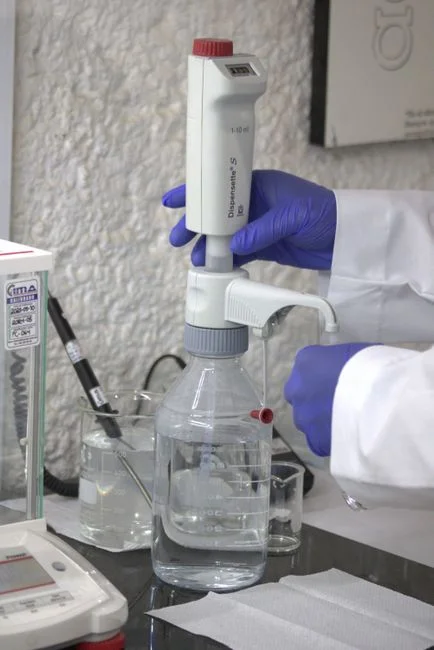
Accept the installation against an operating plan, not a single favorable commissioning sample. Define sampling locations, frequencies, parameters and responsibilities for influent, treated effluent and every reject or sludge stream. Attach the analytical method and compare results with the agreed acceptance envelope.
Require corrective-action triggers: what triggers additional sampling, process adjustment, cleaning or investigation, and who must approve a return to normal operation. The Manresa study’s 527-day observation and 445-day assessment demonstrate why long-term monitoring should inform acceptance discussions; they do not substitute for an industrial plant’s own operating data.
Complete operator training, routine maintenance schedules, membrane or media cleaning instructions, critical spares and handover documentation before final acceptance. For reuse following MBR, the treatment needed after MBR for water reuse provides a useful check on downstream polishing and reuse controls.
Further Reading
Frequently Asked Questions
Why should no equipment be selected before the analysis and discharge or reuse route are confirmed?
Because the governing requirement determines the treatment train and the acceptance test. Request the permit or reuse specification, representative influent analysis, intended reuse application and receiving-water information. Without them, a supplier cannot demonstrate that its process addresses the contaminants that actually govern compliance or reuse quality.
Which flow data are needed for preliminary sizing versus final design?
Use the current average flow, verified peak and operating schedule for an initial equipment and budget comparison. Final design also needs seasonal variation, storm or batch-discharge conditions, production-line contributions and the required operating envelope. Ask each supplier to state which flow values and duty cycle it used in its price.
Which quotation items must be separated to make supplier offers comparable?
Request separate prices for equipment, installation, commissioning, utilities, chemicals, media replacement, membrane replacement, sludge handling, maintenance, training, spares and warranty. This exposes exclusions and prevents a bundled capital figure from concealing future operating obligations.
Which local permit and receiving-water evidence must be verified before claiming compliance?
Obtain the current discharge permit, authorised discharge point, applicable effluent limits, monitoring requirements and evidence about the receiving water. The supplied research does not establish a Barcelona permit or apply the Manresa plant’s performance to an industrial site. Have the site’s permit holder or environmental adviser confirm the applicable requirements before ordering or signing the quotation.