Define the discharge and reuse route first
Choosing an effluent treatment plant in Madrid starts with the discharge route, reuse objective and wastewater analysis—not the equipment catalogue. Primary treatment may remove COD and TSS over 10–40%, while secondary biological treatment can reduce COD, BOD and TSS up to 85–95%, depending on the effluent and technology used (S3). Higher-quality reuse may require filtration, membrane polishing or disinfection. The buyer should define the required analysis, test protocol, guarantees and supplier responsibilities before comparing quotations.
First establish whether the treated water will be discharged, reused on site, transferred to another user, or used for more than one purpose. A discharge-only train must satisfy the applicable receiving-system or permit requirements. A reuse train also needs a documented water-quality objective, including any microbiological or physicochemical criteria that apply to the intended use. These requirements are not interchangeable.
Ask the site representative and receiving authority to identify the governing permit, pretreatment limits, sampling requirements and whether the proposed reuse has a separate authorisation route. If reuse is contemplated, request the reuse-specific quality schedule in writing. The available evidence does not establish Madrid-specific permit values, so a general plant capacity or a supplier’s standard reuse claim cannot substitute for the applicable site approval.
Before asking suppliers to select equipment, compile the complete hydraulic profile and representative laboratory data. The buyer should also establish footprint, utilities, installation access, soil conditions, residual-waste handling and staffing constraints. The industrial effluent RO or pretreatment-RO decision provides a useful framing for a reuse project: identify the final water objective before deciding whether pretreatment, reverse osmosis or another polishing sequence is required.
Match each wastewater problem to a treatment stage
Treatment stages must be selected according to measured influent problems and flow profiles to ensure the equipment meets the specific duty. Screening and equalisation may be required for hydraulic control; dissolved air flotation may address suitable floatable solids and oil; biological treatment may be appropriate where biodegradable organics dominate; filtration and membranes may be needed for reuse polishing. An DAF system for industrial wastewater pretreatment should be evaluated against the actual oil, solids and flow data rather than selected by process name alone.
| Discharge route or influent problem | Governing rule or process option | What data settles it |
|---|---|---|
| Variable flow or batch discharges | Assess screening and equalisation before selecting the main treatment train. | Average, peak and seasonal flow data, plus the complete hydraulic profile and operating schedule. |
| Oil, grease or floatable solids | Evaluate flotation, including a DAF system for industrial wastewater pretreatment, together with appropriate upstream segregation. | Representative pH, oil and grease, TSS and process-specific contaminant analyses. |
| Biodegradable organics requiring biological treatment | Compare biological configurations and, where justified, an integrated MBR wastewater treatment system. | COD, BOD, TSS, flow profile, biodegradability information and required effluent quality. |
| Reuse requiring solids separation or dissolved-solids control | Assess filtration and membrane polishing only against the stated reuse objective. | Complete influent analysis, reuse quality schedule, intended end use and concentrate-disposal route. |
The performance evidence must remain attached to the relevant stage. S3 reports that primary-treatment units can remove COD and TSS over a range of 10–40%, depending on the effluent content and applied technology. It also reports that secondary biological processes reduce COD, BOD and TSS up to 85–95% for industrial effluent. These figures demonstrate the necessity of defining the treatment stage; they are not universal plant-design guarantees or Madrid discharge limits.
Decide whether membrane treatment is the final step
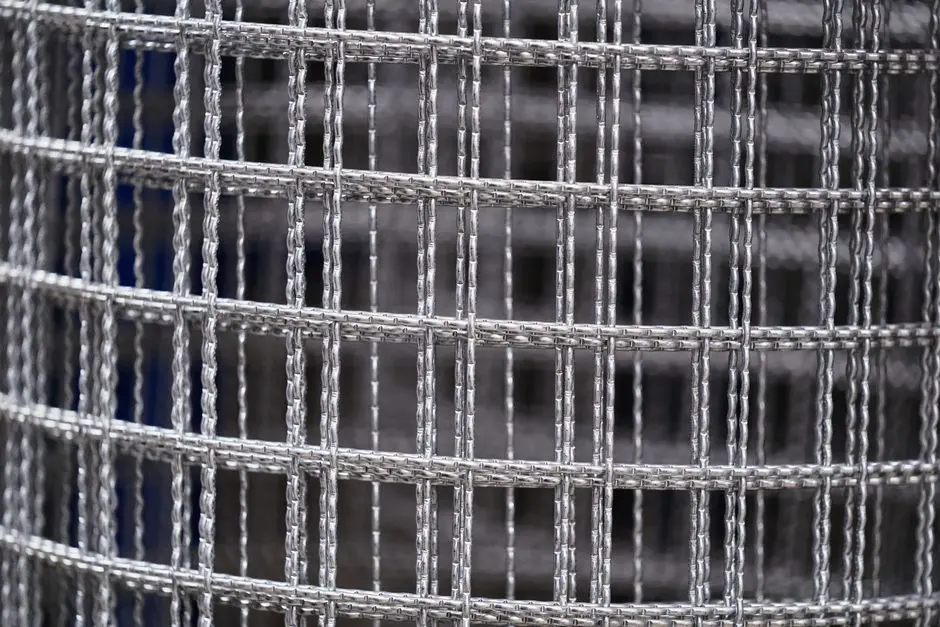
Membrane treatment serves as the final step only when the reuse objective requires polishing beyond the discharge route or preceding biological and clarification stages. A University of Twente thesis describes nanofiltration as a technique for polishing wastewater-treatment-plant effluent to EU Water Framework Directive standards for agricultural or indirect potable use (S1). That supports the concept of membrane polishing, but it does not demonstrate the performance of a complete Madrid plant or establish a Madrid reuse requirement.
Require each bidder to state the membrane feed conditions, membrane area or recovery basis, permeate quality, concentrate destination and cleaning responsibilities. These inputs allow the buyer to compare equipment on the same duty and expose missing treatment steps. Do not transfer the 75.90 kWh/kg H₂ energy figure reported for one specific hydrogen-production system in S2 to another membrane plant; a comparable duty calculation is required.
Where ultrafiltration is being considered, ask the supplier to demonstrate how it protects the downstream process and whether it is intended for solids separation, polishing or a defined reuse duty. The available ultrafiltration water-treatment system should be evaluated only against those project-specific conditions. If reverse osmosis is proposed, the reverse-osmosis purification system comparison should identify pretreatment, scaling controls, recovery basis, concentrate management and cleaning terms.
A membrane quotation should not stand alone. It should identify the biological or physical treatment upstream of the membranes, how off-spec feed will be handled, the effect of representative industrial batches, and who bears the consequences of fouling caused by deviations from the specified feed conditions.
Turn the selected route into a comparable RFQ
The site brief must be converted into a common RFQ package so quotations can be compared by design basis and accountability rather than headline capacity. Include the flow profile, complete analyses, discharge route, reuse objective, footprint, utilities, soil, access, residual handling, installation boundary and commissioning evidence.
| Quote line item | Technical scope to specify | Red flags to check before signing |
|---|---|---|
| Design basis | State average, peak and seasonal flows; influent and effluent analyses; treatment train; duty calculations; design loads and identified process-specific contaminants. | A single average flow with no peak basis, unsupported loading assumptions or omissions from the supplied analysis. |
| Equipment and construction | Specify equipment, materials of construction, accessible internals, corrosion provisions and all supplier-furnished site data. | Material options are not stated, critical data are left to site survey, or supplier-furnished data is omitted from the battery limits. |
| Civil, piping and electrical works | Define foundations, bunding, drainage, process piping, valves, controls, power distribution, cable routing and connection points. | Supply-only wording obscures who provides civil works, wiring, connections or site interfaces. |
| Installation and commissioning | Separate delivery, unloading, erection, installation, utilities, commissioning, testing, training and handover. | Installation is assumed complete without defining access, permits, interfaces or a site-readiness condition. |
| Operating inputs and residuals | List chemicals, electricity, water, operator attendance, sludge or concentrate removal, consumables and disposal destinations. | Excludes chemical supply, sludge removal, membrane cleaning or concentrate disposal from the quoted price. |
| Performance and commercial terms | Define guarantees, acceptance-test responsibilities, warranty, spares, exclusions, price basis and long-term O&M scope. | Uses vague compliance wording, omits exclusions or applies a guarantee without a test method and loading condition. |
Require every bidder to identify its treatment train, sizing calculations, control philosophy, battery limits, scope exclusions and supplier-furnished site data. Separate equipment supply, civil works, piping, electrical work, installation, commissioning, training, spares, chemicals, sludge removal, warranty and long-term O&M as distinct quote lines. The water-treatment equipment RFQ checklist provides a structured model for making those commercial boundaries visible.
Ask for evidence from comparable industrial duties and identify whether the reported performance came from the offered equipment or a different process. A supplier should not use an academic removal range or another installation’s result as an unqualified guarantee for the proposed Madrid train.
Set acceptance tests before signing the contract
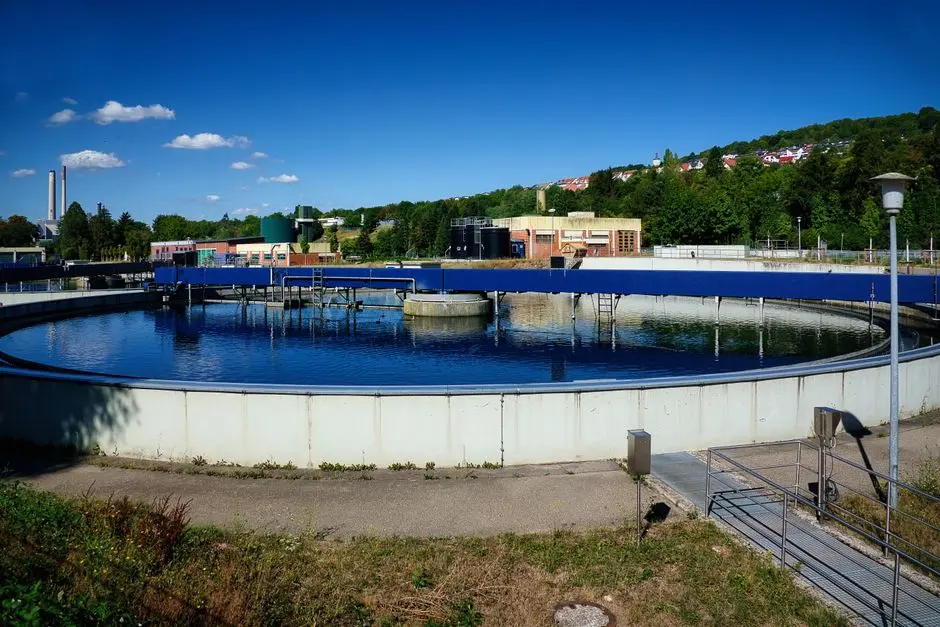
Acceptance must be defined by measured results rather than general statements of compliance. The contract should state influent and effluent parameters, test methods, sampling points, test duration and the party responsible for laboratory analysis. It should also identify the laboratory accreditation or method-acceptance requirement requested by the buyer or permit.
Use the domestic sewage-treatment acceptance framework as a drafting reference for the test sequence, while ensuring that the industrial acceptance protocol reflects the actual Madrid site duty. Require steady-state operation and treatment of representative industrial batches. Define load conditions, sampling timing, calculation procedures and treatment of anomalous samples in advance.
Before start-up, agree site-readiness prerequisites, utilities, permanent connections, operating staff, training, documentation, spare parts and warranty responsibilities. A failed acceptance test should trigger a defined correction process, retesting and responsibility for consequential costs.
Require the supplier to disclose proposed performance exclusions and any change to the guaranteed duty following site testing. Include conditions that trigger investigation, such as influent outside the agreed limits, changed batch composition, bypass, pretreatment failure or non-compliance by the operator. Without those boundaries, an effluent quality guarantee may transfer site risks to the buyer.
Related Equipment
- DAF system for industrial wastewater pretreatment — specifications, capacity range, and technical data
Further Reading
Frequently Asked Questions
How should an industrial effluent treatment plant in Madrid be sized?
Size it from the complete hydraulic and analytical design basis, not from a catalogue flow rating. Request average, peak and seasonal flows; representative influent and effluent analyses; the discharge route; reuse objective; and operating constraints. The supplier should document how those inputs determine equipment capacity and should state the duty exclusions.
Which treatment option should be quoted for oily or solids-heavy industrial wastewater?
First assess segregation, screening, equalisation and flotation using measured pH, oil and grease, TSS and flow data. Ask the bidder to explain how the proposed DAF system for industrial wastewater pretreatment achieves the required solids or oil separation and where the recovered material will go. Biological or membrane stages should be added only if the analysis shows they are required.
What should be included in an effluent treatment plant quotation?
Require separate prices for equipment, civil works, piping, electrical work, installation, commissioning, training, chemicals, spares, sludge or concentrate removal, warranty and long-term O&M. Include the design basis, sizing calculations, battery limits, performance guarantee, acceptance protocol and list of exclusions so quotations can be compared on the same commercial scope.
How should a buyer compare treatment suppliers and verify their performance claims?
Ask each supplier to trace every claim to comparable industrial duties and identify whether the evidence came from the offered equipment or another process. Verify the test method, influent conditions, sampling points and loading represented by the claim. Use the industrial effluent and RO plant decision guide to structure that comparison, then require the more rigorous site-specific acceptance test to prevail over marketing or third-party performance claims.