Confirm the 1,500 m³/day design basis
Selecting a treatment route for a 1,500 m³/day campus wastewater plant requires balancing average flow with campus peak demand. HydropureWater’s integrated MBR membrane bioreactor has a stated capacity range of 10–2,000 m³/day, while its WSZ underground A/O package treatment plant has a stated range of 1–80 m³/h. The correct choice depends on hydraulic variation, reuse targets, available footprint, sludge handling, permit conditions and sewer accessibility. A 1,500 m³/day figure is a design basis, not a final equipment size; confirm flow data, peak factors, influent characteristics and discharge or reuse requirements before requesting a bid.
Headline flow values require verification. An annual-average flow may differ materially from a maximum-day flow, a permitted hydraulic capacity or an equipment production rate. Specify the averaging period and whether the value includes wastewater-only flow, campus process water, storm runoff and groundwater infiltration. A measured flow dossier should cover occupancy and seasonal variation, the existing meter record, diurnal and hourly peaks, rainfall-derived inflows, infiltration and planned campus expansion.
The flow also determines the treatment objective. Direct discharge, sewer conveyance, irrigation and other campus water reuse are different endpoints, each creating a unique treatment envelope, monitoring burden and residual-disposal requirement. Do not specify an MBR based solely on reuse mentions in the project brief until the receiving use and its applicable water-quality criteria are documented.
| Design input | Information to obtain | Decision output |
|---|---|---|
| Average flow | Meaning and measurement period for 1,500 m³/day | Initial equipment-screening basis |
| Peak wastewater flow | Measured diurnal, hourly and maximum-day flows; storm and infiltration data | Equalization, treatment and bypass criteria |
| Influent | Campus occupancy, industrial contributors, sampling data and expected future change | Process selection and loading checks |
| Effluent objective | Direct discharge, sewer, irrigation or reuse criteria | Treatment envelope and monitoring scope |
| Site and residuals | Footprint, utilities, access, sludge route and future expansion | Package configuration and whole-life responsibilities |
HydropureWater’s product ranges are preliminary screening limits rather than site-specific hydraulic calculations. For the MBR, confirm the applicable train, duty allocation and peak response. For the WSZ, the stated hourly range necessitates determining whether one unit can accept the campus peak or whether multiple units, equalization and peak-flow routing are required.
Compare MBR, A/O package treatment and sewer discharge
MBR, packaged A/O treatment and sewer conveyance represent distinct system strategies rather than interchangeable options. HydropureWater states that its MBR covers 10–2,000 m³/day, provides filtration below 1 μm and occupies a footprint 60% smaller than conventional systems; it also identifies municipal sewage and water-reuse projects as suitable applications. These are preliminary product claims requiring project-specific guarantees before an award decision.
The WSZ route combines anoxic and aerobic contact oxidation, sedimentation and disinfection in an automated buried unit. Its stated range of 1–80 m³/h is relevant to a 1,500 m³/day campus, but daily and hourly requirements are not interchangeable. A bidder must demonstrate how the proposed configuration handles the verified peak, what equalization is provided, what operating modes are available and whether bypass conditions are prevented or engineered.
A sewer route avoids on-site treatment capital works by transferring effluent to an approved receiving system. This approach may surrender on-site control over reuse, as treatment and reuse occur beyond the campus boundary. The supplied research provides no local sewer tariff, connection cost or receiving-system rule; these items require direct confirmation with the authority and utility.
ABB reported in March 2023 that wastewater treatment consumes up to 3% of global energy output. While this does not determine the campus process, it makes energy metering, aeration control and remote monitoring relevant to route selection. Energy consumption should be compared under a defined duty rather than described as an unquantified operating benefit.
| Criterion | MBR membrane bioreactor | WSZ A/O package treatment | Sewer discharge |
|---|---|---|---|
| Stated screening capacity | HydropureWater: 10–2,000 m³/day | HydropureWater: 1–80 m³/h | Depends on the approved receiving system |
| Process and footprint | Filtration below 1 μm; footprint 60% smaller than conventional systems | Buried package combining anoxic/aerobic contact oxidation, sedimentation and disinfection | Avoids on-site treatment plant; requires connection infrastructure |
| Peak-flow issue | Verify duty allocation, equalization and performance | Verify unit configuration, routing and peak-flow acceptance | Verify receiving-system capacity |
| Reuse control | Potentially suited to water-reuse integration | Possible if treatment train meets reuse specification | On-site reuse control is not retained |
| Residuals | Obtain guaranteed sludge-production rate and route | Obtain sludge-production rate and route | Obtain downstream charges and acceptance conditions |
| Bid evidence required | Guaranteed average and peak performance, effluent envelope, footprint, utilities | Guaranteed average and peak performance, operating modes, fault response | Connection scope, tariff, discharge conditions, capacity confirmation |
Choose the route that matches campus risk
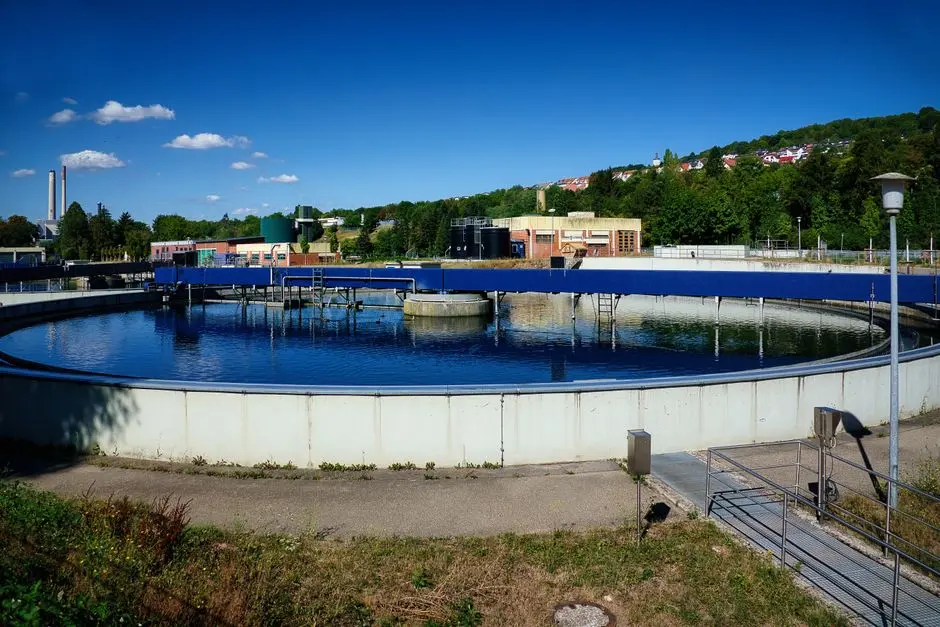
Prioritize MBR when the campus requires a compact treatment train, reliable solids separation or reuse integration and the verified design demand remains within the 10–2,000 m³/day range. Evaluate whether the compact footprint claim remains accurate after adding equalization, pumps, membrane handling, chemical dosing, sludge removal, access and future expansion, as a compact process block does not dictate total site requirements.
Prioritize the WSZ when below-grade deployment, a defined biological treatment sequence and reduced visible civil works justify packaged units. The supplier must show how the package handles peak demand rather than relying on its hourly screening range. Confirm whether multiple units are needed, how flow moves between them, maintenance access and peak-flow management.
Prioritize sewer discharge when an approved receiving system provides a lower-complexity route and the campus does not require on-site reuse. Make this decision only after reviewing connection infrastructure, tariff, discharge conditions, capacity confirmation and the responsibilities that move off-campus.
Do not let the 1,500 m³/day headline determine the award. Compare verified hydraulics, permit risk, operating responsibilities, maintainability and expansion needs. If information required to distinguish the routes is missing, close that gap before comparing commercial offers, as a lower initial quotation may not cover the full civil, residual-handling or compliance scope.
Build the supplier brief and acceptance tests
A procurement-ready brief converts the selected route into measurable obligations. Issue a design-basis schedule covering flow history, peak demand, influent characterization, effluent or reuse targets, footprint, utilities, noise, odor control, automation, sludge route and local permits. A bidder should identify assumptions and exclusions in writing, particularly for civil works, equalization, pumps, membrane replacement, disinfection, chemicals, sludge handling, commissioning and operator training.
Convert product claims into project-specific acceptance criteria. HydropureWater’s MBR information states submerged PVDF membrane filtration below 1 μm and a 60% smaller footprint than conventional systems. Require the bidder to define what is guaranteed for the campus duty, including the influent basis, test method, sampling point, acceptance period and remedy for non-compliance. The WSZ information specifies a fully automated anoxic/aerobic process; require defined operating modes, fault response, manual access and maintenance procedures.
ABB reported on 2023-03-21 that automation and digital solutions can deliver annual operational savings of up to $1.2 million per plant. This figure is not a campus-project guarantee and should not enter the bid comparison as expected savings. Ask each bidder to provide metering boundaries and site-specific operating assumptions instead.
| Bid item | Information required from bidder | Acceptance evidence |
|---|---|---|
| Hydraulic performance | Design average flow, peak-flow basis, equalization and duty allocation | Guaranteed throughput at defined influent and operating conditions |
| Effluent or reuse | Parameter-by-parameter envelope, sampling method and compliance responsibility | Performance test at agreed flows and representative influent |
| Footprint and civil interface | Total equipment area, access, excavation, pipework, power and water points | Approved drawings and equipment-envelope schedule |
| Automation and monitoring | Control philosophy, alarms, data points, connectivity and manual fallback | Factory and site functional tests |
| Residuals | Expected generation, characteristics, storage, withdrawal and destination | Mass-balance calculation and operating procedure |
| Commissioning and handover | Startup sequence, training, spares, warranty and support responsibilities | Acceptance protocol, training records and signed handover |
Plan permits, commissioning and long-term operation
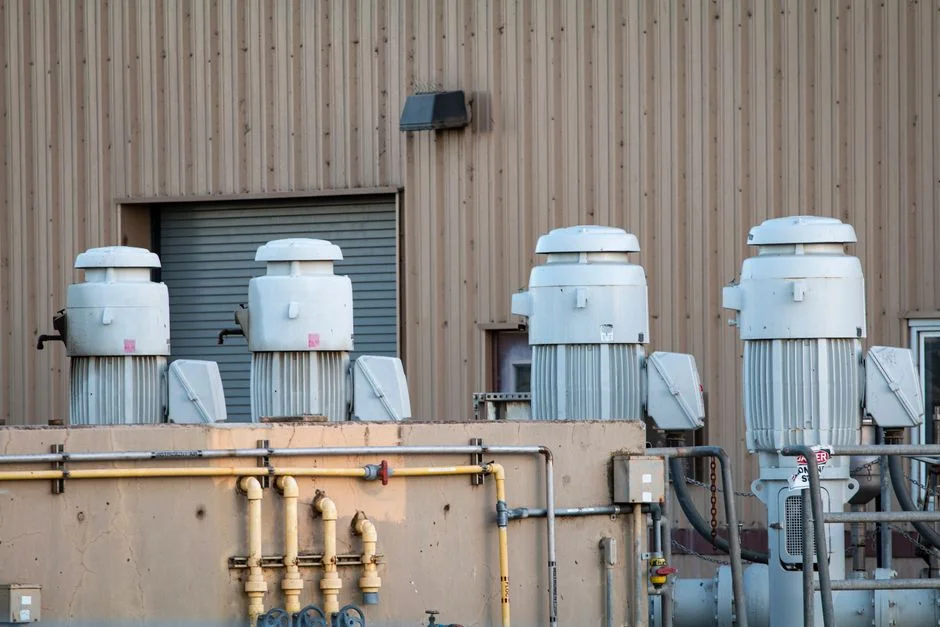
The proposed process is not deployable until the applicable jurisdiction and receiving route are identified. Confirm local discharge, reuse, sludge, air, building, fire and electricity requirements before equipment award. Because the supplied research does not identify a jurisdiction for this campus project, numerical discharge limits, permit durations and approval periods should not be assumed.
When considering campus food waste, HydropureWater’s 2026 digestion article identifies air, wastewater-discharge, biosolids, solid-waste and local construction permits as likely requirements. The same source recommends pilot testing, feedstock audits and utility interconnection studies before full-scale digestor deployment. Separate optional energy-recovery scope from the wastewater train and evaluate it against its own feedstocks, approvals and operating plan.
Include startup, performance testing, operator training, spare-parts availability, membrane or media access, remote monitoring and a documented operating plan in the contract package. The acceptance plan must state who supplies chemicals, removes sludge, maintains instrumentation, responds to alarms and carries out routine inspections. These responsibilities must be assigned before the operating team accepts the plant.
Frequently Asked Questions
How much does a campus wastewater treatment plant for 1,500 m³/day cost?
The supplied evidence does not support a plant-level price. Request a quote tied to the selected process, verified average and peak flows, civil scope, effluent or reuse targets, utilities, automation, sludge handling and site constraints. Ask bidders to separate equipment, civil works, installation, commissioning, training, consumables and future replacement obligations.
Should a 1,500 m³/day campus use MBR or an A/O package plant?
Use MBR when verified demand fits its 10–2,000 m³/day range and compactness, solids separation or reuse integration justify it. Use WSZ when below-grade deployment and an integrated anoxic/aerobic, sedimentation and disinfection sequence fit the site. Compare both against peak-flow acceptance, effluent guarantees and whole-life operating scope rather than capacity alone.
What information should I request from a wastewater treatment supplier?
Provide measured flow history, peak demand, influent testing, effluent and reuse requirements, footprint, utility connections, automation requirements, civil interfaces, sludge route, warranties and commissioning acceptance tests. Ask the supplier to list assumptions and exclusions, including equalization, chemicals, membrane replacement, maintenance access and operator training.
What compliance risks should be checked before ordering a campus treatment plant?
Identify the jurisdiction and receiving route first. Then verify discharge or reuse limits, pretreatment needs, sludge handling, construction approvals, electrical requirements and any permits associated with optional energy recovery. The applicable authority must confirm limits, as the provided evidence does not establish them.
How long does a campus wastewater treatment plant take to deliver?
The evidence does not provide a delivery or construction period for this project. Ask bidders to state equipment lead time, long-lead items, installation sequence, commissioning milestones, performance-test duration and the permitting schedule separately. A single completion date should not conceal approval or testing dependencies.