Define the village cluster treatment route
A village cluster sewage treatment subcontract should specify the treatment route before bidders price the work: a cluster serving multiple properties, an alternative sewer connected to a larger plant, or a package treatment plant serving several properties. The U.S. EPA’s 2009 clustered-systems handbook describes cluster arrangements ranging from a communal septic tank serving a dozen homes to an alternative sewer connected to a treatment plant. The contract must then assign design, installation, permitting support, operation and maintenance, monitoring, sludge management, commissioning and handover. For package-plant tenders, the WSZ underground package sewage treatment plant is a candidate only after verified project flows, peak demand, site conditions, discharge route and regulatory requirements establish its suitability.
EPA describes small communities as having 10,000 or fewer people and an average daily wastewater flow of less than 1 million gallons; its About Small Wastewater Systems page identifies decentralized treatment as a practical alternative where distance, terrain or other factors make centralized collection impractical. Those figures provide screening context, not design data. Before inviting bids, the client should obtain current connected-equivalent flow, peak demand, wastewater characteristics, contributing properties, site constraints, receiving-water route and the required reuse or discharge outcome.
Record the selected route, design horizon, receiving discharge or reuse point, and reasons for rejecting alternatives. Bidders should price the same service outcome rather than independently reinterpret the client’s assumptions. The package-plant and sewer comparison for rural sewage treatment provides a useful framing discussion, but the procurement record must contain the project-specific basis.
| Route | Service boundary | Buyer decision before tender | Primary subcontract focus |
|---|---|---|---|
| Clustered decentralized system | Multiple properties share collection, treatment and disposal arrangements | Whether a shared treatment point or distributed cluster is appropriate | Shared assets, operating entity, O&M funding, inspection and residual management |
| Alternative sewer system | Local collection delivers wastewater to a treatment plant | Whether sewer construction and downstream capacity are feasible | Collection works, pumping, downstream discharge responsibility, long-term governance |
| Package treatment plant | One or more packaged treatment units provide the contracted service boundary | Whether verified flow, site and permit data support package capacity | Process suitability, civil interfaces, equipment, commissioning, guarantees and O&M |
Build the bid information and design-input schedule
A comparable package treatment plant tender requires separate, verified inputs for average flow, peak flow, flow pattern, contributing properties, industrial or commercial contributions and anticipated expansion. Plant capacity should not be selected from population alone. The bid schedule should also identify whether stormwater or groundwater enters the sanitary stream, because those conditions affect both hydraulic loading and treatment selection.
Provide survey information covering soil, groundwater, access, utilities, burial depth, flood exposure, odor-control requirements and available construction space. Where site information is absent, identify it as a client-supplied input or a defined contractor survey task; do not let bidders bury unresolved assumptions inside their prices. The contract should also state whether the package plant is underground, how landscaping and access are integrated, and who maintains completed works outside the treatment package.
The WSZ underground package sewage treatment plant is described in HydropureWater’s verified product catalog as combining anoxic/aerobic biological contact oxidation, sedimentation and disinfection in a buried automated unit rated from 1–80 m³/h. That range identifies a candidate class; it does not size this project. The supplier must demonstrate that the proposed operating capacity, peak-flow response and treatment process match the submitted flows and wastewater characteristics.
Specify the receiving-water or reuse route, applicable permit conditions, sampling locations, reporting frequency and client obligations. Do not insert a generic discharge limit where the applicable standard has not been identified. Separate confirmed inputs from information still required, and require bidders to list qualifications, exclusions and requests for clarification in their responses.
| Bid information package | Required entry | Client responsibility | Supplier response |
|---|---|---|---|
| Wastewater basis | Average flow, peak flow, flow pattern, contributing users, wastewater characteristics and expansion assumptions | Provide verified records and monitoring results | State design basis, treatment capacity and peak-flow response |
| Site basis | Survey, groundwater, utilities, access, burial depth, flood exposure, odor controls and construction space | Supply records or commission defined surveys | Identify conflicts, exclusions and site-specific design measures |
| Permit and outcome basis | Discharge or reuse point, permit conditions, sampling points and reporting duties | Confirm applicable requirements with the authority | Define compliance approach, monitoring and deliverables |
| Missing information | Status, owner and required-by date for each unresolved input | Do not hide assumptions in tender documents | Qualify the bid and submit formal clarification requests |
Write a complete subcontract service schedule
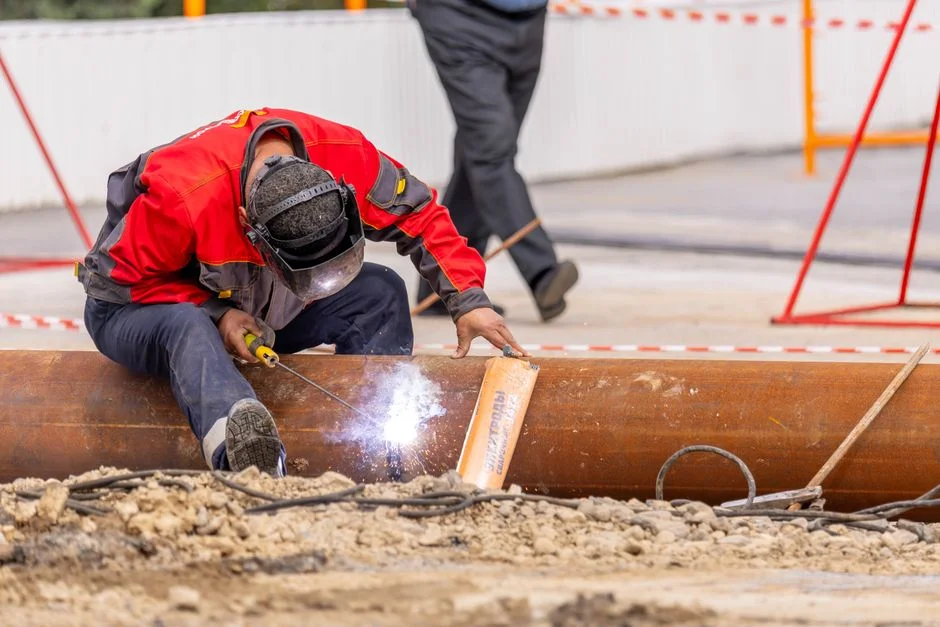
The village cluster sewage treatment subcontract should be written as a measurable service schedule, not as a loose equipment purchase. State whether the contractor is responsible for survey support, process selection, detailed design, equipment, civil works, installation, testing, treatment plant commissioning, operator training, start-up support and handover. Each deliverable needs an owner, due date and evidence required for closure.
Build the performance basis around agreed influent characteristics, design flow, peak-flow handling, applicable effluent or reuse criteria, system availability, monitoring locations, data frequency and reporting duties. Any wastewater performance guarantee must identify the test conditions, calculation method, acceptance period, evidence source, treatment of valid data, corrective-action process and consequences of failure. Avoid a guarantee that applies only to laboratory samples or favourable operating periods.
Allocate permits and approvals by named party. The contractor may prepare technical submissions, calculations, drawings and responses to authority comments, but the schedule should distinguish technical preparation from legal responsibility for obtaining approvals. EPA’s 2009 handbook notes that O&M requirements vary with system type, wastewater characteristics and receiving environment, so the scope must reflect the selected process rather than apply generic visit language.
Describe community wastewater O&M in operational terms: routine visits, inspections, pumping, biological process control, disinfection, membrane or media cleaning where applicable, laboratory support, consumables, critical spares and emergency response. Also allocate biosolids or septic-tank residuals through testing, removal, transport, lawful disposal and records. The closeout analysis in this guide to renegotiating or walking away from an unsuitable wastewater contract illustrates why unresolved O&M and disposal duties should be settled before award.
| Responsibility area | Client | Treatment contractor | Operating entity |
|---|---|---|---|
| Design, equipment and installation | Provide site data, discharge route and approvals | Design, supply, install, test and document the contracted works | Review site access and future operating requirements |
| Permits and compliance | Confirm legal approval holder and client obligations | Prepare technical submissions and support inspections | Operate within approvals and retain compliance records |
| Routine O&M and monitoring | Define service level, funding and access | Perform if included in the O&M price | Perform routine tasks if responsible |
| Residuals and consumables | Define lawful-disposal route and cost allocation | Test, remove, transport and document where assigned | Coordinate inspection, pumping and disposal records |
| Commissioning and handover | Witness agreed tests and accept deliverables | Complete staged tests, training and closeout records | Receive operational responsibility after formal handover |
Set commissioning, acceptance and handover tests
Treatment plant commissioning should demonstrate operating performance, not merely confirm that equipment has been installed. EPA’s 2009 handbook states that proper O&M ultimately depends on the system type, wastewater being treated and receiving environment. The acceptance protocol should therefore follow the contracted treatment basis and include staged inspection, functional testing and stable operation under the defined load.
Require inspection of delivery, installation, mechanical and electrical completion, watertightness where applicable, controls testing, dry commissioning and wet commissioning. Identify the witnessing party for each stage, including the authority where inspection is required. Define what constitutes a hold point, how observations are classified, who owns corrective work, and the evidence needed to close each item.
Do not treat mechanical completion as final acceptance. State the conditions for a performance test: agreed influent basis, operating period, sampling protocol, parameter list, calculation method, data correction rules and authorized witnesses. If the result depends on biological stabilization or process acclimation, specify how the operating period and sampling schedule demonstrate readiness without shifting every failure onto the client.
Handover deliverables should include operating records, equipment manuals, spare-parts lists, training materials, warranty documents and as-built drawings. Also require the documented operating basis, permit correspondence, control settings, test records, residual-management instructions and a defects list. This structure is consistent with the field-focused acceptance logic in flat-sheet MBR membrane troubleshooting and corrective actions: operating evidence, response actions and closure records must be visible.
| Stage | Minimum evidence | Acceptance decision | Handover record |
|---|---|---|---|
| Delivery and installation | Delivery inspection, installation inspection and exception list | Equipment and works installed in accordance with the contract | Delivery and installation records |
| Mechanical, electrical and controls | Functional checks, control tests and watertightness evidence where applicable | Mechanical and electrical systems complete and testable | Test certificates and approved control settings |
| Dry and wet commissioning | Startup procedure, process checks, sampling record and exception closeout | System operates under the agreed commissioning basis | Commissioning report |
| Performance acceptance | Defined sampling period, calculations, data validation and client/authority witness records | Contracted performance demonstrated | Performance acceptance certificate |
| Final handover | Manuals, as-builts, training evidence, warranties, spares and asset register | Outstanding defects assigned with dates and responsibility | Signed handover and defects schedule |
Compare ongoing ownership and operating models

The client must choose whether the subcontract ends at handover or retains a contractor for a defined service period. EPA’s 2009 handbook identifies several governance options: a local operating entity, direct contracting with a county sewer or water district, and a joint authority established by several villages or townships to share facilities and management costs. A village sewage management district can also provide the administrative framework, but the contract should name the party that legally and operationally performs each task.
Confirm how the operating entity is funded and how customer charges, regulatory approvals, records and reporting are administered. The O&M price should state what it includes: inspections, pumping, utilities, consumables, laboratory work, repairs, sludge or septic residuals, and emergency response. If the operator pays a separate disposal charge, state how that cost is approved, recorded and adjusted.
EPA reports that some local programs require annual inspection of systems with newly issued or modified permits and proof of septic-tank pumping for all systems; it also notes that pumping requirements vary with daily sewage flow and household wastewater characteristics (Interactive Handbook for Managing Individual and Clustered [Decentralized] Wastewater Treatment Systems, 2009). Make the applicable inspection and pumping evidence a contract deliverable rather than an informal expectation.
At handover, transfer asset custody, spare parts, access arrangements, outstanding defects, permit records and reporting responsibilities in writing. The WSZ and MBR operating-model comparison for wastewater systems can support a similar technology discussion, but the procurement record must identify the actual operating entity and prevent maintenance or compliance evidence from falling between organisations.
| Operating model | Contract structure | Buyer must confirm | Main risk to control |
|---|---|---|---|
| Contractor O&M | Plant handover plus a defined service agreement | Scope, service levels, renewal mechanism and exit-transfer requirements | O&M price exclusions and dependency on continued contractor participation |
| Village or district operator | Client assets operated under a separate management arrangement | Funding, staffing, charging authority, records and regulatory ownership | Operational capability and deferred maintenance |
| County or sewer district | Service agreement with the existing responsible authority | Service boundaries, capacity, inspection evidence and liability | Interface and schedule control between client and authority |
| Joint authority | Shared governance with defined contributions and service obligations | Legal authority, cost sharing, customer administration and asset ownership | Unclear cost allocation and fragmented records |
Frequently Asked Questions
How should a village cluster sewage treatment plant be sized?
Size it from verified average flow, peak flow, flow pattern, wastewater characteristics, contributing properties and future expansion—not population alone. Treat the WSZ catalog range of 1–80 m³/h as a candidate range only; require the supplier to demonstrate that its selected unit and process meet the project’s submitted design basis.
What should a subcontract price include beyond equipment supply?
Request a priced schedule covering surveys, design, permits support, civil works, installation, testing, commissioning, training, handover, O&M, utilities, consumables, spares, pumping, laboratory work, residuals and disposal. Request the exclusion schedule and price-adjustment mechanism as part of the bid; no supported quotation was provided in the research, so an assumed total price would be misleading.
How should bids be evaluated beyond the lowest equipment price?
Compare complete-life responsibility: flow basis, process suitability, civil and site scope, permit support, commissioning evidence, performance guarantees, O&M price, residual costs and handover records. Require clarification of exclusions and request the supplier to identify any capacity or operating assumptions that require client confirmation.
Who should operate and maintain the cluster system after handover?
Select a capable village or district operator, county or sewer district, joint authority, or retained contractor, then name the responsible legal entity. Require an O&M price, funded service plan, inspection and pumping evidence, residual-management responsibilities and a formal transfer from any commissioning contractor. Further route guidance appears in the domestic sewage sewer versus package-plant decision.
Related Equipment
- integrated MBR wastewater treatment system — specifications, capacity range, and technical data