Identify the ethanol wastewater stream to be separated
A decanter centrifuge serves as a practical pretreatment option for ethanol plant streams containing suspended or bulky solids, particularly post-fermentation stillage, spent grain, and cellulosic slurry. Kyte Centrifuge identifies continuous dewatering of spent grain and cellulosic ethanol slurries as decanter applications and notes that removing solids can improve downstream evaporation. However, a decanter removes solids; it does not remove dissolved COD or salts. A peer-reviewed review reports molasses spent-wash COD of 80,000–160,000 mg/L and pH 3.7–4.5, so biological or other downstream treatment may still be required. Final selection should follow characterization of the specific stream, its abrasivity, required cake dryness, hazardous-area classification, and downstream treatment needs.
The first decision is whether the proposed feed is the specific stream the machine must handle. A post-fermentation stillage or whole slurry, spent grain, cellulosic slurry, and low-solids process effluent present different separation problems. A review in Chemical and Biological Technologies in Agriculture identifies distillery spent wash as the major wastewater stream by quality and quantity, while noting that fermenter sludge is separated from the ethanol solution by filtration. Do not combine these streams into one plant-wide average before testing.
Request a measured characterization for the selected stream: flow, total solids, suspended solids, particle-size distribution, solids type, temperature, pH, oil and grease, abrasives, and chemical composition. The operating objective must be stated separately: producing a saleable or disposable cake, protecting an evaporator, preparing a biological-treatment feed, or reducing suspended solids before discharge. Use the decanter sizing and selection method to convert those inputs into a project-specific data request rather than sizing from nominal plant flow.
| Stream or objective | Information to establish | Equipment decision affected |
|---|---|---|
| Post-fermentation stillage or whole slurry | Flow, total and suspended solids, particle-size distribution, temperature, pH, abrasivity and soluble COD | Feed capacity, bowl and screw configuration, wear protection, clarified-liquid specification and downstream treatment |
| Spent grain | Solids type, retained liquid, particle distribution, oil and grease, abrasives and required cake condition | Conveying capacity, cake discharge, contamination control and whether solids recovery is intended |
| Cellulosic slurry | Fibrous solids description, solids loading, viscosity, temperature, abrasivity and filtration history | Continuous separation suitability, torque control, wear protection and cleaning access |
| Low-solids process effluent | Suspended-solids profile, particle size, flow variability and required discharge or reuse condition | Whether a decanter is justified or polishing and biological treatment are the better fit |
Match the decanter mechanism to the separation objective
Denser particles migrate toward the rotating bowl wall during solid-liquid separation while the less-dense liquid forms an inner layer; the screw conveyor rotates at a different speed from the bowl and transports solids along the beach to discharge a compacted cake. Alfa Laval describes this as continuous separation, with clarified liquid leaving through the liquid outlets and solids conveyed out of the bowl. This mechanism makes the decanter suitable for separating bulk solids from a continuous liquid stream without using filter media.
Alfa Laval states that centrifugal force in its decanter centrifuges can be up to 4,000 times the effect of gravity. That is a manufacturer-specific statement, not a universal sizing factor or an ethanol-plant performance guarantee. The relevant operating variables remain the feed mass balance, particle characteristics, solids loading, pond depth, bowl speed, screw differential speed, and the required cake condition. Pond depth and liquid outlets can be adjusted to match process requirements, but those adjustments must be tied to clarified-liquid solids, cake dryness, and throughput.
Wear protection is a selection issue, especially where spent grain contains fibrous material or the stream carries sand or other abrasive particles. Alfa Laval identifies the feed zone, solids discharge zone, bowl, and scroll as wear-prone areas and describes abrasion-resistant materials and tiles for those locations. Ask the supplier to identify which components will contact the feed, where wear parts are located, how wear thickness is inspected, and what the expected replacement interval is under the proposed duty.
Changing solids loading also affects the control strategy. Alfa Laval describes a commercial design using a variable-frequency drive and torque control to adjust screw differential speed: differential speed can increase under heavy loads and decrease under lighter loads to limit overload, wear, and energy use. Specify the expected feed envelope, minimum and maximum loading, permitted solids concentration, torque limits, and the control response. Do not treat Dolphin Centrifuge’s general statement that industrial wastewater sludge content may fall from 40% to less than 1% as an ethanol-plant guarantee; the source describes a broad industrial application, not this feed.
Compare decanters with filter presses for ethanol residuals
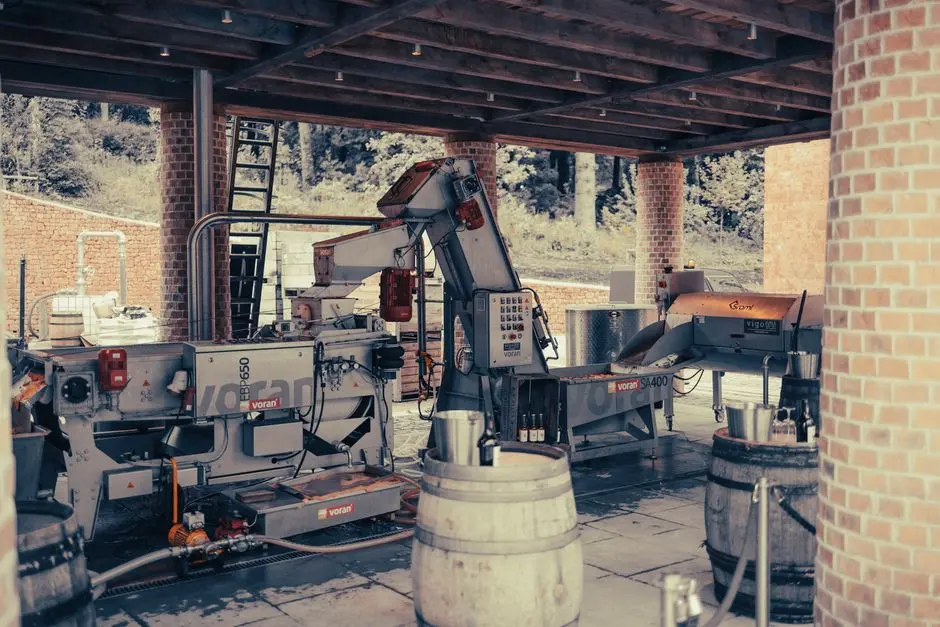
A decanter is generally the stronger candidate when the objective is continuous, high-volume separation of bulky biomass or abrasive solids that could obstruct filter media. Dolphin Centrifuge identifies carbon-black separation as an application where standard filtration is unsuitable because sticky particles block filter pores, and describes a centrifuge as separating liquid from solids without media. That analogy is useful for screening, but the ethanol stream still requires its own pilot evidence.
Kyte Centrifuge reports continuous dewatering of spent grain and cellulosic slurries and states that the resulting dry cake can have low energy consumption relative to other drying technologies. The same source states that reduced solids in fermentation liquid can enable higher concentrations in downstream evaporators. These are application claims and should be verified against representative feed rather than converted into guaranteed cake moisture or energy values.
A filter press remains a valid alternative when batch handling, plate configuration, solids capture, or a defined filtration step is the priority. The supplied HydropureWater catalogue describes plate-and-frame presses with filtration areas from 1 m² to 500 m² and manual, hydraulic, or fully automatic PLC-controlled operation. For a direct engineering comparison, compare filter presses and decanter centrifuges using the same feed data and operating constraints.
| Decision input | Decanter centrifuge | Plate-and-frame filter press |
|---|---|---|
| Operating pattern | Continuous solid-liquid separation | Batch filtration and cake release |
| Best fit for the stated project | Continuous spent-grain, cellulosic or bulky-solids separation where a continuous process route is required | Lower-throughput or batch dewatering where plate selection and solids capture are the priority |
| Feed evidence needed | Hourly flow, solids loading, particle size, abrasivity, torque limits and required cake dryness | Hourly batch volume, solids loading, particle size, abrasivity, chemical dosing and cake-release requirement |
| Downstream requirement | Clarified-liquid solids specification and possible polishing stage | Filtrate solids specification and possible polishing stage |
| Key comparison basis | Continuous stability, energy consumption, cleaning access and solids discharge | Cycle time, plate configuration, labor, wash-down and automation |
Compare both options with the same inputs: hourly flow, feed solids, required cake dryness, allowable residual solids, abrasive content, chemical-dosing need, operating hours, and maintenance constraints. If soluble organics remain, compare the complete downstream route after separation. A lower suspended-solids result from either machine does not establish that the overall wastewater is ready for discharge or biological treatment.
Plan the downstream treatment and safety review
Solids removal is not the same as wastewater treatment. The review in Chemical and Biological Technologies in Agriculture reports that molasses spent wash has COD of 80,000–160,000 mg/L, high temperature, pH 3.7–4.5, high ash content, and a high content of dissolved inorganic salts. Those characteristics explain why clarified liquid from a stillage dewatering step may still require biological or other downstream treatment. The review identifies high-rate anaerobic digestion as effective for highly organic sugar-industry and ethanol-distillery effluent, while cautioning that physicochemical methods may not be suitable for some high-strength streams without an appropriate biological stage.
Define the downstream route before finalizing the centrifuge specification. Is the clarified liquid sent to anaerobic digestion, aerobic biological treatment, evaporation, reuse, or a discharge route? For a clarified stream with residual suspended solids, Dolphin Centrifuge notes that a downstream disc-stack centrifuge can polish remaining small particles. Whether that step is necessary should be decided from the decanter’s clarified-liquid specification and the requirements of the next process.
Safety is project-specific. Dolphin Centrifuge states that decanters processing flammable alcohol in ethanol plants must be suitable for hazardous locations. Obtain the applicable site classification and electrical requirements from the plant authority, then require the supplier to document the equipment’s compliance with those requirements. Assess MBR treatment for the clarified effluent only where biological treatment and the clarified-liquid characteristics support that route.
| Review item | Evidence or decision required before purchase |
|---|---|
| Downstream wastewater treatment | Destination of clarified liquid, soluble COD load, temperature, pH, dissolved salts, nutrients and required polishing |
| Biological compatibility | Whether the stream requires anaerobic, aerobic or combined biological treatment and the applicable process limits |
| Materials and wear | Wetted-material compatibility, abrasion protection, wear-part inspection and replacement plan |
| Safety and containment | Site hazardous-area classification, electrical requirements, seal design, containment, ventilation and discharge arrangements |
| Installation and maintenance | Available space, access for cleaning, lifting requirements, utilities and maintenance constraints |
Build the pilot and supplier acceptance plan
A pilot should test each representative ethanol stream separately and establish a feed mass balance rather than combine stillage, spent grain, cellulosic slurry, and dilute process effluent into an artificial blend. Kyte Centrifuge states that test data and references are available for its ethanol application, but project-specific performance still requires confirmation. The pilot feed should represent the planned solids loading, particle-size distribution, temperature, pH, abrasivity, and operating variability.
Require each supplier to state whether its performance figures relate to water, stillage, spent grain, cellulosic slurry, or another feed. Preserve that test basis with every guarantee. The acceptance record should include the feed mass balance, feed sampling method, clarified-liquid solids result, cake condition, continuous operating stability, torque behavior, energy consumption, and cleaning criteria. Use the supplier’s own guarantee fields; the supplied research does not establish universal ethanol-plant cake-moisture, energy, or discharge benchmarks.
Where the project includes an evaporator, include an evaporator-response measure in the pilot. Kyte Centrifuge reports that reduced solids in fermentation liquid can enable higher concentrations in downstream evaporators, so the relevant test is whether the clarified stream meets the evaporator’s operating requirement, not whether solids were removed in isolation.
- Define the stream, objective, feed characterization, and mass balance.
- Run representative continuous-feed pilot testing and document operating adjustments.
- Set acceptance criteria for clarified liquid, cake, stability, torque, energy, and cleaning.
- Require a site-specific guarantee tied to the tested feed and operating envelope.
- Complete the technical, safety, installation, and commissioning document package.
The final package should include drawings, materials of construction, wear-protection specification, electrical and hazardous-area documentation, controls, spare parts, commissioning support, and a site-specific performance guarantee. For a broader organic-slurry comparison, review decanter selection for another organic slurry, while keeping the ethanol feed data and downstream requirements as the controlling project inputs.
Frequently Asked Questions
What inputs are needed to price a decanter centrifuge for ethanol plant wastewater?
Request a quotation based on the selected stream’s hourly flow, total and suspended solids, particle-size distribution, abrasivity, temperature, pH, chemical composition, required cake dryness, clarified-liquid solids limit, operating hours, and downstream treatment route. Also provide the available space, utilities, hazardous-area classification, and solids-discharge arrangement. The supplied research contains no project-specific price, so do not accept a price based only on plant capacity or an ethanol application name.
How should a buyer select and size a supplier for this equipment?
Require the supplier to identify the feed represented by each performance figure and provide a pilot test on representative project feed. Check that the proposed capacity and solids-loading range match the measured mass balance, and that clarified-liquid solids, cake condition, torque limits, energy use, and continuous stability are covered by the guarantee. For an internal screening method, use the decanter sizing and selection method to structure the technical data request.