JS Water Energy Life presented a biotechnology-led approach to industrial wastewater treatment and reuse in Indian manufacturing during a TimesTech interview published on 16 November 2026, with Shefali Nanda highlighting water scarcity, tighter compliance pressures and opportunities to recover treated water for plant use. TimesTech
The interview reported that India supports about 18% of the world’s population with about 4% of its freshwater resources, while per-capita availability was projected to fall to roughly 1,340 cubic metres by 2025 and 1,140 by 2050. TimesTech
Key takeaways
- JS Water Energy Life provides biotechnology-driven treatment solutions combining phycoremediation, bioremediation, specialised biological formulations and complementary technologies to address pollution and improve water quality. TimesTech
- The company’s Aquaritin and Bioritin ranges are intended to support biological treatment and water-quality improvement, with performance dependent on site-specific assessment and validation. TimesTech
- Treated water may be reused for suitable non-potable applications, including cooling, washing, utilities and landscaping, in sectors such as chemicals, textiles, food processing, dairy and fertilisers. TimesTech
- Nanda said: “Water scarcity can interrupt production and raise costs. It also exposes companies to tighter discharge norms, higher water cess and growing scrutiny from investors and customers.” TimesTech
Water reuse moves into manufacturing strategy
Nanda, Executive Director of JS Water Energy Life, said biotechnology and innovative treatment solutions can reduce freshwater consumption by treating, recovering and reusing wastewater within manufacturing operations. TimesTech
She described a shift from a conventional “treat-to-discharge” model to “treat-to-reuse,” which she said can conserve freshwater, reduce operational costs and improve environmental sustainability. TimesTech
For manufacturers, the operational implications include possible production interruptions, higher costs, tighter discharge norms and increased scrutiny from investors and customers as water efficiency becomes part of operational continuity rather than only a corporate social responsibility initiative. TimesTech
Treatment solutions require site-specific validation
JS-WEL’s approach combines biological methods with aeration, nanobubble technology, ultrasonic algae management and downstream filtration or membrane treatment where required. The company said these approaches can strengthen existing treatment systems and create opportunities for wastewater recovery and reuse. TimesTech
The Aquaritin and Bioritin formulations can be deployed in suitable industrial effluent treatment plants, sewage treatment plants, lagoons, ponds and other wastewater systems, depending on the formulation and application. TimesTech
The company was equally clear that treatment performance depends on effluent characteristics, contaminant concentrations, operating conditions and the intended reuse standard, making site-specific testing and validation essential. TimesTech
Specification read
The source did not report a project flow rate in MLD, an equivalent population capacity, plant capacity, contaminant concentrations or a reuse-water standard, so there is no defensible basis for converting the event into a numerical design scale. Operators would need to obtain those inputs before selecting or sizing equipment. TimesTech
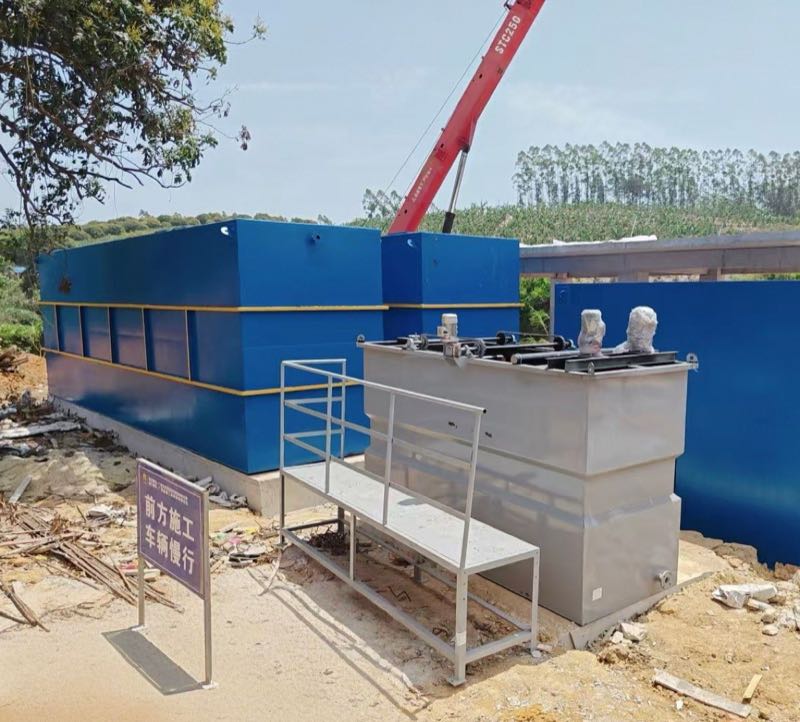
The reported approach bears most directly on the biological-treatment and reuse stages of an industrial treatment train. Depending on the wastewater and reuse requirement, the wider sequence can include screening, primary treatment, biological treatment, tertiary treatment or disinfection, with DAF or zero-liquid-discharge processes where relevant. The source specifically identifies biological formulations, aeration, nanobubbles, ultrasonic algae management and downstream filtration or membrane treatment as complementary elements. TimesTech
For buyers, equipment selection must match the effluent characteristics, operating conditions and intended reuse standard rather than a single technology label. The Industrial Wastewater Treatment Equipment Selection guide provides a framework for matching treatment systems to application requirements, while the food-industry wastewater solutions page is relevant to food-processing and dairy applications identified in the interview. TimesTech
If your plant looks like a water-intensive manufacturing site with non-potable reuse requirements, tightening discharge obligations or pressure to reduce freshwater demand, this is what it means for you: first establish flow in m³/day, BOD and COD in mg/L, the industrial process and the compliance pressure, then validate whether biological treatment, polishing and reuse stages can meet the application-specific requirement. TimesTech
FAQ
What flow rate and water-quality data are needed to scope this treatment approach?
The source did not provide a standard flow rate or contaminant profile because the technology is deployed according to site conditions. A buyer should define the plant flow in m³/day, BOD and COD in mg/L, operating conditions and the intended reuse standard; the source says site-specific testing and validation are essential before performance is established. TimesTech
Can treated wastewater be used directly for cooling or washing?
JS-WEL says treated water can create reuse opportunities for suitable non-potable applications, including cooling, washing, utilities and landscaping. Suitability is not automatic: performance depends on the effluent, contaminant concentrations, operating conditions and intended reuse standard, so the application must be validated for each site. TimesTech
How should a buyer select a wastewater treatment supplier?
The reported selection criteria are the supplier’s ability to assess site conditions, support biological treatment and complementary technologies, validate performance and address the intended reuse standard. The source did not report acquisition cost, installation cost, delivery time or equipment capacity, so those commercial inputs would need to be requested separately before comparing offers. TimesTech
Can these solutions strengthen an existing treatment plant?
JS-WEL said its biological approaches can be integrated with aeration, nanobubble technology, ultrasonic algae management and downstream filtration or membrane treatment where required, helping industries strengthen existing treatment systems. Deployment in effluent treatment plants, sewage treatment plants, lagoons and ponds is subject to a site-specific assessment and the relevant treatment requirements. TimesTech