Identify the limits that control an Addison discharge
Semiconductor plants near Addison meet sewer pretreatment limits by designing to the strictest applicable requirement under 40 CFR Part 403, 40 CFR Part 413 and the receiving POTW’s Sewer Use Ordinance. The treatment train normally separates fluoride-bearing, CMP, developer and tool-drain streams; neutralizes pH and precipitates fluoride or metals; removes solids with DAF or lamella clarification; and polishes residual contaminants when required. PLC-controlled dosing, continuous pH, fluoride and metals monitoring, and dewatered-sludge management complete the compliance system. Final limits must come from the Addison-area permit and current site data.
A federal framework does not by itself establish the discharge limitation applicable to an Addison-area fab. The engineer must identify the receiving POTW, obtain its current sewer-use ordinance, and determine whether the site holds an individual industrial pretreatment permit or is covered through another control mechanism.
EPA’s Industrial Pretreatment Program at 40 CFR Part 403 governs pollutants that may pass through or interfere with a POTW. The semiconductor-specific requirements referenced at 40 CFR Part 413 add another layer, while the POTW’s Sewer Use Ordinance may impose more restrictive local limits. The EPA also promulgated the Electrical and Electronic Components effluent guidelines at 40 CFR Part 469 in 1983. EPA states that these guidelines cover semiconductor manufacturing and both direct and indirect dischargers, with permits or other control mechanisms applying to indirect dischargers (EPA, “Electrical and Electronic Components Effluent Guidelines,” current page reviewed in 2026).
Do not size equipment from a generic treatment article. Obtain the current POTW sewer-use ordinance, applicable industrial user permit, discharge limits, monitoring frequency, reporting requirements, slug-control provisions, and any approved pretreatment work plan. The supplied research describes uneven POTW capacity and does not establish a universal numeric limit for Addison-area discharges.
| Requirement layer | What the engineer must verify | Decision record required |
|---|---|---|
| 40 CFR Part 403 | Industrial Pretreatment Program requirements applicable to the discharger | Permit status, prohibited discharges, monitoring and reporting obligations |
| 40 CFR Parts 413 and 469 | Semiconductor categorical requirements and the precise regulatory applicability identified by EPA | Written applicability determination and applicable categorical provisions |
| POTW Sewer Use Ordinance | Local discharge limits, monitoring frequency, slug controls and connection conditions | Current ordinance, written interpretations and any permit conditions |
| Site permit and authorization | Approved flow, pollutant mass loading, monitoring points and operating controls | Current permit, approved drawings, SOPs and change-control record |
Categorical requirements do not automatically displace negotiated local limits. Require a written compliance basis showing the governing value for every controlled parameter, who established it, and how it interacts with the permit. If two provisions apply, document why the selected limit satisfies both rather than assuming the more familiar requirement controls.
Map each semiconductor stream to its treatment objective
Source segregation is the first treatment decision because combining incompatible streams can increase chemical consumption and weaken precipitation performance. Silicon Semiconductor reports that semiconductor wastewater may contain acids, alkalis, copper, lead, arsenic, antimony, ammonium, fine oxide particles, salts, solvents, and other organic and inorganic compounds. Those constituents require different removal mechanisms, so the stream matrix should assign treatment objectives rather than route everything through a common tank (Silicon Semiconductor, “Semiconductor Manufacturing: Achieving Water Authority Compliance,” 2026).
| Semiconductor stream | Principal concern | Required treatment objective |
|---|---|---|
| HF and NH₄F wet-etch and cleaning waste | Fluoride | Controlled precipitation as calcium fluoride, followed by solids separation and fluoride verification |
| CMP slurry and filter backwash | Fine oxide particles, suspended solids and process-specific metals | Particle removal plus treatment for any dissolved contaminant identified by characterization |
| Plating, BEOL metallization and photomask deposition waste | Metals including copper, nickel, chromium, lead, silver, arsenic and antimony | Metal-hydroxide precipitation and solids removal; polishing where the permit requires it |
| TMAH and photoresist developer | High alkalinity, ammonium and organic character | Neutralization and separate biological or chemical treatment as characterized |
| Tool drains and contaminated utility-floor flow | Oils, suspended debris, seal leakage and variable composition | Debris screening, equalization and contaminant-specific removal |
The fluoride case illustrates why source characterization matters. HydropureWater’s 2026 pretreatment guide reports that HF and NH₄F wastewater commonly enters at 50–500 mg/L fluoride, compared with a 10–25 mg/L ceiling found in some POTW ordinances (HydropureWater, “Semiconductor Plant Pretreatment for Sewer Discharge: 2026 Compliance Guide,” 2026-09). These are source and market references, not a universal Addison limit. The current POTW requirement remains the governing value.
That same guide identifies pH 6–8 as the favorable operating range for fluoride precipitation and pH 9–10.5 for metal-hydroxide precipitation (HydropureWater, 2026-09). These are process conditions, not regulatory limits. Combining acidic fluoride waste with alkaline metal or developer waste may force operation toward a compromise that reduces treatment efficiency.
The first engineering deliverable should therefore be a representative wastewater characterization covering flow, pH, fluoride, metals, suspended solids and process-specific constituents. Use industrial heavy metals removal methods comparison as a secondary decision aid, not a substitute for site analysis or the permit.
Build a four-stage pretreatment train
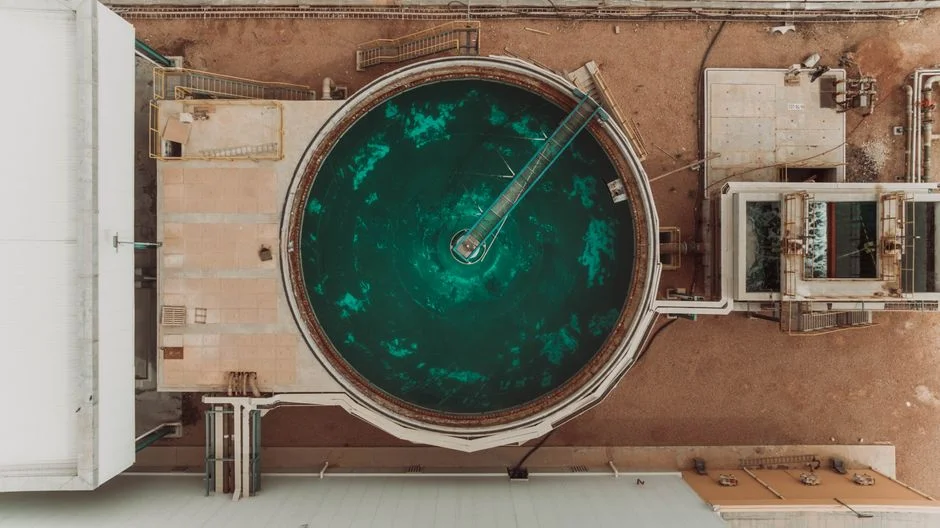
A four-stage train separates variable waste streams, controls pH and pollutant chemistry, removes the resulting solids, and polishes the effluent before controlled sewer discharge. Each stage must be sized against peak flow and pollutant mass loading rather than daily averages.
- Segregate and equalize. Keep fluoride-bearing, metal-bearing, CMP, developer and tool-drain streams sufficiently separate to avoid treatment conflicts. Provide equalization for batch tool discharges and composite streams whose chemistry can change over time.
- Control pH and precipitate contaminants. Use calcium chloride or lime for fluoride precipitation and sodium hydroxide or lime for metal-hydroxide precipitation. The PLC-controlled automatic chemical dosing system should use pH, flow and relevant load feedback rather than a fixed feed rate.
- Remove precipitated solids. Select an industrial dissolved air flotation system for high-flow, low-density or oily streams. Use lamella clarification where solids density, available footprint and maintenance access drive the selection.
- Polish and verify. Apply ion exchange for trace-metal and hardness polishing, or industrial RO where a documented reuse objective and reject-water management plan justify it. The industrial RO system is a reuse-oriented choice, not a default answer for every sewer permit.
The reported loading references are preliminary design inputs, not guarantees of final capacity. HydropureWater’s 2026 guide gives DAF hydraulic loading of 4–25 m/h and lamella surface loading of 20–40 m/h (HydropureWater, 2026-09). Vendor design should confirm those values against characterized flow, solids concentration, density, floatability, wastewater chemistry and the selected equipment geometry.
Stage boundaries matter. A fluoride stream should not be committed to a single shared reactor if doing so prevents the pH needed for effective calcium fluoride formation. Similarly, developer and ammonia-bearing waste should not compromise the precipitation conditions needed for fluoride or metals. Equalization can occur after controlled segregation rather than replacing segregation entirely.
On the solids side, DAF is generally more appropriate when the target material is light, oily or readily floatable. Lamella clarification is more attractive when dense solids and footprint dominate the decision. Confirm the choice with representative solids and a vendor mass balance rather than equipment catalog throughput alone.
The final treatment objective is not “treated water” in the abstract. It is an effluent that satisfies each written discharge limit, remains stable during batch discharges, can be sampled in a defensible monitoring program, and leaves a residue whose disposal route is characterized. Polishing and sludge handling therefore belong in the initial scope even when they are omitted from a simplified process diagram.
Size for peak loads and control chemical consumption
Instantaneous fluoride loading from semiconductor batch discharges can swing three to five times the daily average. A treatment train sized on average flow can therefore comply during normal production while failing during a concentrated wet-etch or post-CMP discharge. HydropureWater’s 2026 guide identifies this three-to-five-times variation and recommends sizing dosing systems on peak fluoride and metal mass load (HydropureWater, 2026-09).
| Sizing input | Why it controls equipment selection | Evidence or required confirmation |
|---|---|---|
| Peak fluoride and metal mass load | Determines reagent demand and solids-generation rate | Use representative batch and composite data; the supplied research reports instantaneous fluoride loads can reach 3–5 times the daily average (HydropureWater, 2026-09) |
| Peak wastewater flow | Sets equalization and hydraulic treatment requirements | Obtain diurnal and batch-discharge flow records |
| Metering-pump turndown | Allows the skid to follow changing loads without excessive overfeed | HydropureWater recommends at least 10:1 turndown (2026-09) |
| Controls and instruments | Determines whether reagent feed can follow process conditions | Require 4–20 mA flow pacing and pH or ion-selective-electrode feedback (HydropureWater, 2026-09) |
| Site constraints | Can eliminate otherwise technically suitable equipment | Verify footprint, utilities, chemical storage, maintenance access and existing treatment assets |
Protect the chemical system from utility-floor debris with a rotary mechanical bar screen upstream of dosing. That protects pumps and downstream solids-handling equipment from material that should not enter the treatment train.
Use the automatic dosing system engineering guide to structure control narratives, but require a project-specific calculation connecting reagent concentration, peak mass load, pump capacity and the governing fluoride or metals limit. Controls must also address pump failure, loss of feedback, tank high level, chemical inventory and bypass prevention.
Prove compliance with monitoring and records
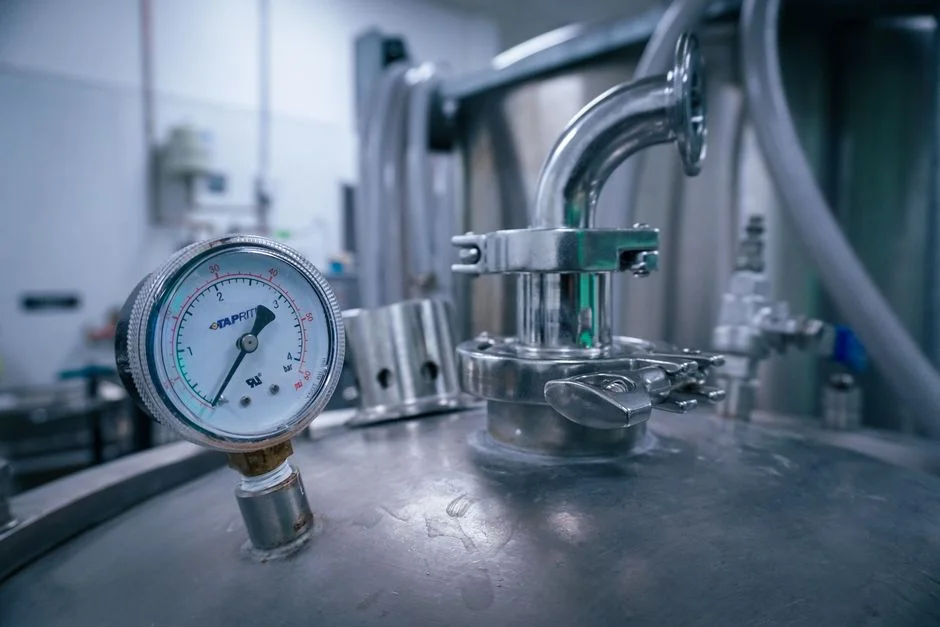
A treatment train does not demonstrate compliance merely because equipment is installed. The monitoring system must connect process measurements to permit obligations, operating procedures and documented responses.
Install a pH probe and fluoride ion-selective electrode on the combined effluent header. Add a total-metals analyzer where the current permit or Sewer Use Ordinance requires continuous or specified monitoring of copper, nickel, chromium or other listed metals. HydropureWater’s 2026 guide identifies pH, fluoride and metals monitoring as the relevant instrument package for a regulated semiconductor discharge (HydropureWater, 2026-09).
Continuous instrumentation should provide operational warning before a limit is exceeded. Define calibration frequency, verification method, alarm setpoints, data recording, excursion response and return-to-service criteria. Provide controls that prevent untreated wastewater from bypassing treatment during an instrument failure or tank-level event, subject to the approved permit and operating procedure.
The supplied permit framework states that Industrial Pretreatment Program permits typically run for five years and include monthly Discharge Monitoring Reports and routine POTW inspections (HydropureWater, 2026-09). Treat those as permit-program references, then confirm the actual permit term, report frequency and inspection requirements in the issued Addison-area authorization.
Capacity is not uniform across the United States. The 2023 openRxiv study titled “Assessment of sewer connectivity in the United States and its implications for equity in wastewater-based epidemiology” is useful context for uneven sewer connectivity and downstream capacity, but the supplied extract did not expose detailed findings, so no specific capacity figure can be attributed to it (openRxiv, 2023-05-24). The operating conclusion remains practical: a categorical or federal floor does not establish what the receiving local POTW will accept.
EPA states that its review of monitoring data from Electrical and Electronic Components facilities did not demonstrate a need to revise the existing regulation. EPA also says the PFAS data reviewed were limited and that it intends to continue monitoring PFAS discharges for possible future reviews (EPA, “Electrical and Electronic Components Effluent Guidelines,” current page reviewed in 2026). That is not a site-specific PFAS limit, but it is relevant when the permit and current analytical data are reviewed.
Choose equipment by waste character and compliance risk
Equipment selection should follow the waste characteristic, compliance exposure and installed operating burden—not the largest catalog capacity. Catalog ranges are useful for initial screening only; they do not establish that a model fits a fab’s chemistry, peak load, footprint or permit.
| Option | Primary decision addressed | Selection evidence and buyer check |
|---|---|---|
| Automatic chemical dosing | Control pH and precipitate fluoride or metals | Size on peak mass load; require adequate metering-pump turndown, 4–20 mA pacing and pH or ISE feedback |
| DAF | Remove light, oily or floatable solids | Catalog screening range: 4–300 m³/h across 13 standard models (HydropureWater, 2026-09); require project-specific hydraulic and solids validation |
| Lamella clarification | Remove precipitates where footprint and denser solids favor inclined plates | Catalog reference: 20–40 m/h surface loading and a stated potential to reduce chemical consumption by up to 30%; both require project validation (HydropureWater, 2026-09) |
| Industrial RO | Polish dissolved solids for reuse or a demonstrated reuse objective | Require a documented reuse target, membrane feed analysis, recovery calculation and reject-management plan |
| Plate-and-frame filter press | Dewater precipitated solids | Screening range: 1–500 m² filtration area; supplied process values are 1–4% thickened solids and 25–35% dry cake (HydropureWater, 2026-09) |
For DAF, ask whether high flow, low-density solids or oily character justifies the selection. For lamella clarification, ask whether solids density and available footprint dominate. For RO, require a reuse objective; sewer compliance alone does not demonstrate the need for reverse osmosis. The plate-and-frame filter press should be screened against expected sludge volume, cake handling, filtrate return, cleaning and disposal requirements.
The final procurement comparison should include chemical consumption, sludge generation, monitoring integration, utilities, footprint, maintenance access, operator workload, bypass protection and total installed cost. Require the supplier to show how each proposed item supports a written permit limit. Throughput alone cannot resolve compliance risk.
Frequently Asked Questions
What pretreatment limits apply to a semiconductor plant near Addison?
The current POTW permit, Sewer Use Ordinance and applicable federal requirements must be reviewed for each discharge point. Federal pretreatment and semiconductor provisions provide an outer framework, but the supplied research does not establish a universal numeric Addison-area limit. Obtain the current permit and written local interpretation before selecting equipment or certifying compliance.
How should a fab size chemical dosing equipment for fluoride removal?
Size the skid around peak fluoride and metal mass loading, not average wastewater flow. HydropureWater reports that instantaneous fluoride loading can reach three to five times the daily average and recommends at least 10:1 metering-pump turndown (HydropureWater, 2026-09). Require the vendor to show the batch-discharge case, reagent consumption, controls and treatment response for that peak.
Is DAF or lamella clarification better for semiconductor wastewater?
Choose from the characterized waste, not a generic rule. DAF generally fits high-flow, low-density or oily material; lamella clarification generally fits streams where denser solids and footprint are the controlling issues. HydropureWater gives preliminary hydraulic-loading references of 4–25 m/h for DAF and 20–40 m/h for lamella clarification (HydropureWater, 2026-09). Require vendor confirmation using peak flow, influent solids and representative chemistry.
How much does a semiconductor wastewater pretreatment system cost?
The supplied research does not provide a defensible equipment price for this application, and a generic range would conceal major differences in excavation, chemical systems, controls, polishing, sludge handling and permit requirements. Request a scope-based proposal after wastewater characterization and permit review. Include the treatment objective, peak hydraulic and pollutant loads, available footprint, utilities, monitoring, sludge-disposal route and required commissioning tests.
What should a buyer request from a wastewater-treatment supplier?
Request documented mass-balance and equipment-sizing calculations, the governing-limit basis, control narratives, monitoring integration, installation requirements, operating assumptions, maintenance tasks and permit-compliance support. For dosing, require peak-load and turndown calculations. For solids separation, require hydraulic and solids-loading checks. For polishing and dewatering, require feed analysis, recovery or cake-performance assumptions, and clear handling of reject or filtrate streams.
Related Equipment
- industrial dissolved air flotation system — specifications, capacity range, and technical data