Why Addis Ababa Trade Waste Needs Factory-Level Treatment
In 2026, Addis Ababa manufacturers should treat trade waste before it enters a municipal system by combining headworks, flow and load equalization, solids or oil removal, biological COD reduction, final clarification and controlled sludge handling. The correct sequence depends on COD biodegradability, suspended solids, oil and grease, color, pH, toxicity and discharge variability. An Addis Ababa assessment found that 64.5% of 110 surveyed WWTPs were concerned about present or future loads, while industrial pollution was reported as a functionality factor by 4.5%. A 2026 Ethiopian study also showed that natural coagulants can contribute to COD and color removal, but reported textile COD reduction of only 30.75%, so coagulation should complement rather than replace biological treatment.
The Bole Lemi Industrial Park study sampled six upstream, midstream and downstream river locations between May and June 2021 to assess the impact of industrial wastewater around the industrial area. It reported that discharge without significant treatment can pollute receiving water bodies. That makes factory-level pretreatment a practical control point: the manufacturer can remove or reduce problematic loads before discharge, rather than relying on a municipal or receiving-water system to absorb the consequences.
The capacity context is equally important. The Addis Ababa WWTP assessment, published in the Evaluation of operational challenges and technological performance of wastewater treatment plants in Addis Ababa study, found that 71 of 110 facilities, or 64.5%, expressed concern about accommodating present or future wastewater treatment loads. Industrial pollution was identified as a functionality factor by 4.5% of respondents. These findings do not prove that every manufacturer has the same discharge impact, but they show that industrial pollution can affect biological plant performance and that pretreatment planning cannot be an afterthought.
High organic loads increase oxygen demand, so biological systems must supply more oxygen while also handling the associated solids and process changes. An inadequately designed receiving plant may lose treatment efficiency or experience biological disruption. A manufacturer should therefore document its discharge route, seek a written acceptance condition and size trade wastewater pretreatment around its own effluent rather than assuming that municipal dilution will provide adequate treatment.
The COD removal treatment guide for industrial wastewater provides a useful starting point for comparing process options, while mechanical screening equipment can protect pumps and downstream units from rags, plastics and fibrous material.
Characterize the Waste Before Selecting Equipment
COD measures oxidizable organic load, but a high COD reading does not reveal whether the load is biodegradable, soluble or particulate. A buyer needs COD and BOD together, plus the physical and chemical characteristics that determine whether the wastewater can pass through biological treatment without interfering with it.
Request COD and BOD, TSS, turbidity, oil and grease, color, pH, conductivity, temperature, nutrients and appropriate toxicity indicators. Identify the process source—textile, food processing, coffee processing, metalworking or another trade—because the same treatment chemistry can produce different results in different matrices. The 2026 Scientific Reports study of Calpurnia aurea seed extract is direct evidence of that point: its optimized jar-test conditions produced different COD reductions for municipal wastewater, textile effluent and Akaki River water.
The wet coffee-processing case study also demonstrates how sharply receiving-water conditions can vary. The Environmental Health Insights study from March 2023 reported downstream COD values from 71 ± 21 to 1,072 ± 183 g/ml and BOD values from 45 ± 1 to 782.6 ± 97 g/ml. These are receiving-water measurements, not a design basis for an Addis Ababa plant, but they show why source characterization must include the production schedule and receiving conditions rather than relying on one grab sample.
| Input to obtain | What it establishes | Equipment or design implication |
|---|---|---|
| COD and BOD | Organic load and relative biodegradability | Biological capacity and aeration basis |
| TSS and turbidity | Separable solids load | Screening, equalization and clarification loading |
| Oil and grease | Potential interference with separation and biology | DAF or another oil-removal stage |
| Color, pH and conductivity | Coagulant demand, chemical condition and ionic effects | Jar testing and controlled chemical dosing |
| Toxicity and nutrients | Biological inhibition and nutrient balance | Pre-treatment, aeration and nutrient control |
| Daily flow, peak flow, batch dumps and production schedule | Hydraulic and load variability | Equalization tank volume, pumping and controls |
| Permit conditions, discharge route and reuse target | Required outcome and disposal constraints | Final treatment, reuse and monitoring scope |
Ask for daily flow, peak flow, production schedules, batch discharges, the current discharge route, permit conditions and any water-reuse objective. These are sizing inputs, not administrative details. Use the supplied industrial DAF pretreatment system only after the oil, solids and colloid targets have been established; an automatic chemical dosing system should follow jar-tested dosing requirements rather than replace them.
Build a Treatment Train from Headworks to Sludge
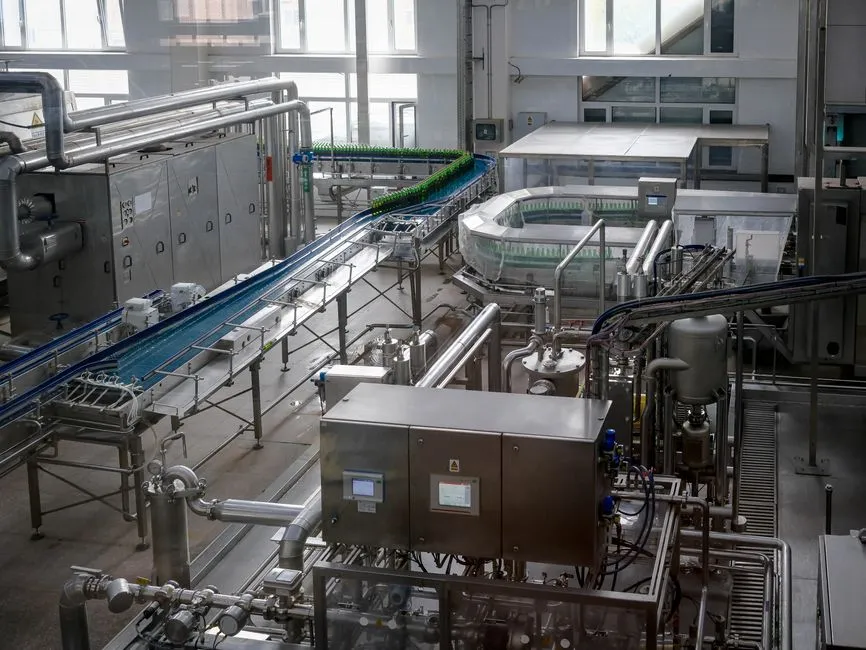
The treatment train should assign each contaminant to a unit process with a defined purpose: protect the plant, remove separatorable material, reduce biodegradable COD, separate treated water from sludge and safely handle the residual solids.
- Headworks: use coarse or mechanical screening to remove rags, plastics and fibrous debris that could obstruct pumps or interfere with downstream biological equipment.
- Equalization: use a common flow and load buffer before the main treatment units, sized from the measured flow profile, production schedule and batch-discharge behavior.
- Physical or chemical pretreatment: remove suspended solids, oil and grease, FOG, colloids and floatable material before biology.
- Biological treatment: reduce biodegradable COD after interfering components have been controlled.
- Final separation: use clarification or membrane separation according to the effluent and reuse objective.
- Sludge handling: thicken or dewater the residual sludge before storage and lawful disposal.
DAF is a logical front-end unit when suspended solids, oil and grease, FOG, colloids or rapidly separated floatable material are the principal risks. Coagulation and flocculation become more important when fine colloids or color must be destabilized and carried into a separator. A chemical dosing system should control pH, coagulant and flocculant conditions established through testing.
The 2026 Scientific Reports study optimized Calpurnia aurea seed extract through jar testing at 100 mg/L dosage and pH 3, with rapid mixing at 300 rpm for 9 minutes, slow mixing at 45 rpm for 35 minutes and 70 minutes of settling. Under those conditions, COD reduction was 46.28% for municipal wastewater, 30.75% for textile effluent and 78.49% for Akaki River water. Textile color removal was 63.73%. These are source-specific experimental results, not universal design guarantees. The textile COD result, in particular, supports using coagulation to prepare the stream for clarification while retaining a biological stage for biodegradable organic load.
For the biological stage, an activated-sludge or MBR membrane bioreactor route can be evaluated according to the required separation standard, footprint and reuse objective. Aeration demand, nutrient balance, temperature, pH and toxicity limits must come from the characterization data. Final sludge then requires thickening or plate-and-frame sludge dewatering before handling.
| Process stage | Primary function | What it does not establish |
|---|---|---|
| Screening | Removes coarse debris and protects downstream equipment | Does not remove dissolved COD or fine solids |
| Equalization | Buffers flow and load variation | Does not itself remove contaminants |
| DAF | Separates suspended solids, oil, FOG and floatable material | Does not reliably remove soluble biodegradable COD |
| Coagulation and flocculation | Destabilizes colloids, assists color removal and prepares solids for separation | Does not guarantee complete COD removal |
| Biological treatment | Reduces biodegradable organic load | Requires controlled pH, nutrients, aeration and non-toxic influent conditions |
| Clarification or membrane separation | Separates solids from treated water | Creates sludge requiring further management |
| Dewatering and storage | Redesigns residual sludge for handling and disposal | Does not remove the contaminants already transferred to the solids |
Choose Between DAF, Coagulation and Biological Treatment
DAF, coagulation and biological treatment solve different problems. The primary unit process should match the contaminant and treatment objective, while the complete train must still address all relevant components of the discharge.
| If the principal objective is… | Prioritize | Decision basis |
|---|---|---|
| Removing suspended solids, oil, grease, FOG or floatable material | DAF pretreatment | Measured separator load and oil and grease characteristics |
| Destabilizing fine colloids or improving color removal | Coagulation and flocculation | Jar-test dose, pH, mixing and settling behavior |
| Removing biodegradable dissolved and particulate COD | Biological treatment | COD-to-BOD relationship, toxicity, nutrients, temperature and pH |
| Combining biological treatment with membrane solids separation or supporting reuse | MBR route | Required effluent quality, footprint, reuse target and membrane operating plan |
HydropureWater DAF systems cover 4–300 m³/h across 13 standard models and are intended for industrial pretreatment. HydropureWater MBR systems are offered from 10 to 2,000 m³/day. These are supplier-stated equipment envelopes, not evidence that a particular configuration will meet a permit or reuse target. The buyer must match the selected model to measured flow, loading and treatment objectives.
The practical rule is straightforward: remove solids and oil first where they would interfere with the biological stage, use coagulation where colloid removal or color control is required, and use biological treatment for biodegradable COD. Neither an industrial DAF pretreatment system nor an automatic chemical dosing system should be credited in a design as treating all soluble biodegradable COD. If the project requires compact biological treatment with membrane solids separation, evaluate the MBR membrane bioreactor as a route rather than as a substitute for necessary pretreatment.
Size the Plant from Operating Data, Not a Generic COD Rate
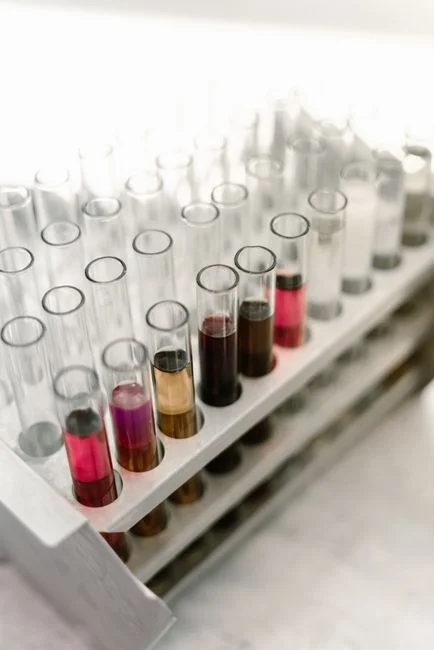
Plant capacity must be derived from measured hydraulic and contaminant loads, not from a generic COD-removal percentage. Average flow and peak flow serve different design purposes, and both are needed alongside the COD and BOD data.
Use average flow to establish the sustained treatment basis and peak flow to assess hydraulic capacity. Include batch discharges, production downtime, clean-in-place and washdown events when determining the required equalization tank volume and pumping arrangement. Measure COD and BOD to assess organic loading and biodegradability; measure TSS and the other separator targets independently because a low particulate load does not justify a small biological or clarifier design.
Before selecting final equipment, specify the required effluent outcome, disposal point, reuse target and applicable Ethiopian permit conditions. The supplied research does not establish a universal current discharge limit for this application, so a generic “compliant” statement is not acceptable. The buyer should obtain the current permit and confirm the receiving authority’s conditions for the specific discharge route.
| Supplier deliverable | What it should demonstrate |
|---|---|
| Design basis | Measured flow range, COD, BOD, TSS, oil and grease, pH and operating schedule |
| Equipment sizing calculations | Hydraulic, organic, solids and chemical-loading calculations for each unit |
| Performance criteria | Stated treatment objectives, test methods and sampling points |
| Commercial scope | Inlet works, equalization, pumping, chemicals, aeration, sludge handling, controls, power, installation, commissioning, training and maintenance support |
| Operating provisions | Bypass, shock loading, toxicity response, chemical control and maintenance access |
Ask suppliers to state every design assumption, guarantee, test method, bypass provision and response to toxicity or shock loading. The effluent treatment plant buyer’s guide provides a useful procurement structure, but the Addis Ababa project still requires local waste characterization and confirmation of the applicable discharge route. Chemical dosing equipment should be included in that scope only where the process basis and jar-test results support it.
Manage Performance, Sludge and Compliance Risks
Compliance depends on sustained operating performance, not only equipment selection. Define monitoring points and trend them against production changes so that hydraulic surges, batch dumps, chemical over-dosing and toxicity events are visible before they undermine biological treatment or discharge quality.
Monitor COD, BOD, TSS, turbidity, pH and flow at defined points. Add oil and grease, color, dissolved oxygen or nutrient measurements where they influence the selected process or permit conditions. Keep influent and effluent records together with production schedules, chemical dosing records, aeration data, alarms and bypass events. This converts operating records into evidence for permit discussions and future capacity decisions.
The March 2023 Environmental Health Insights wet coffee-processing study in Sidama is a local precedent for the consequences of untreated discharge. It reported that many wastewater and downstream samples had COD and BOD above cited EEPA surface-water limits. That study was conducted outside Addis Ababa and does not establish the current Addis Ababa permit requirement; it does show why uncontrolled organic discharge can affect receiving waters.
Assign clear responsibility for sludge characterization, dewatering, storage and lawful disposal. A plate-and-frame filter press can reduce the water content of sludge, but the concentrated solids still require characterization and an approved disposal route. A high-efficiency sedimentation tank may support solids separation, but it does not close the sludge-disposal obligation. For sulfide-bearing streams, the industrial wastewater sulfide removal guide identifies another contaminant-specific design issue that must be addressed before relying on biological treatment.
Maintain calibration evidence for flow, pH and other instruments, and compare results with guaranteed operating conditions. Where performance is uncertain, investigate the data rather than accepting a design average as proof of compliance.
Frequently Asked Questions
How much will a high-COD industrial effluent treatment plant cost in Addis Ababa?
There is no reliable generic price because the treatment scope changes with the waste and required outcome. Request a quote using measured average and peak flow, COD, BOD, TSS, oil and grease, pH, discharge route, reuse objective and operating schedule. Require itemized pricing for equipment, tanks, pumping, chemicals, aeration, sludge handling, controls, power, installation, commissioning, training and maintenance rather than accepting a flow-only price.
Which supplier should an Addis Ababa manufacturer select for trade wastewater pretreatment?
Select the supplier that submits a site-specific process basis, unit sizing calculations, performance criteria, test methods, operating assumptions, bypass provisions and a clear O&M scope. Also request written commitments for commissioning, operator training, spare parts, local support and response to toxicity or shock loading. Supplier-stated flow envelopes do not substitute for an auditable design for the manufacturer’s waste.
Can DAF alone treat high-COD trade wastewater?
No process should be credited that way without project-specific evidence. DAF is primarily suited to separating suspended solids, oil and grease, FOG and floatable or colloidal material. High soluble biodegradable COD generally requires a biological stage after the interfering solids and contaminants have been controlled. Confirm the sequence with measured COD, BOD, TSS and oil and grease data.
What evidence is needed before discharge or reuse in 2026?
Confirm the current Ethiopian permit and the receiving authority’s conditions for the specific discharge or reuse route; the supplied research does not establish one universal limit for all Addis Ababa industrial effluent. Demonstrate performance through defined influent and effluent sampling, production-linked monitoring, calibrated instruments and operating records. Where reuse is proposed, state the reuse objective and required water quality in the design basis rather than assuming that clarification alone is sufficient.