Which System Fits the Wastewater, Not the Product Name
For fabricated-metals wastewater in Grand Prairie, choose dissolved air flotation (DAF) when oils, grease, paint-related residues, or conditioned light solids dominate and testing demonstrates reliable flotation. Choose a lamella clarifier when dense metal fines and other solids settle reliably and the plant wants an integrated flocculation, recirculation, and inclined-plate system. For streams containing both floatable oil and heavy solids, test a DAF followed by solids separation. Final selection requires representative sampling, jar or pilot testing, written permit confirmation, and comparison of the complete chemical-dosing and sludge-handling scope—not purchase price or a generic removal-rate claim.
The decision follows contaminant behavior. A DAF unit is the stronger candidate when FOG removal, floatable contaminants, or conditioned low-specific-gravity solids are recurring treatment targets. A lamella clarifier is the stronger candidate when gravity separation of dense, reliably settleable solids is the primary duty. For mixed oily and heavy-solids wastewater, a DAF stage may remove floatable material before a downstream solids separator, but test results must demonstrate that the combination lowers total sludge-handling and disposal burden.
Neither option has demonstrated universal dissolved-metals treatment performance in the supplied research. Metal-fines settling is not evidence of dissolved-metal removal, so treatment targets must follow the written permit and measured influent characteristics. Evaluate an industrial dissolved air flotation system against a lamella clarifier on the same tested wastewater rather than ranking catalog removal claims.
| Measured wastewater behavior | Mechanism to test first | Required evidence |
|---|---|---|
| Oil, grease, paint-related residues, or conditioned light solids | DAF | Reliable flotation, skimming, chemical demand, and recovered-sludge characteristics |
| Dense metal fines or other reliably settleable solids | Lamella clarification | Settling behavior under representative solids concentration, pH, conditioning, and peak flow |
| Floatable oil plus heavy solids | DAF followed by solids separation | Side-by-side test showing lower combined sludge-management burden |
| Dissolved-metals treatment target | No mechanism selection from the supplied evidence | Written permit requirement and an application-matched treatment study |
Separate the Factory's Wastewater Streams Before Testing
Fabricated-metals wastewater must be segregated by production source because cutting, stamping, welding, finishing, painting, washdown, and batch discharges can create different flows, solids concentrations, oil contents, and chemical demands. A diluted washdown stream may control hydraulic peak without carrying the same contaminant loading as a concentrated cutting-oil or paint batch. Equipment selected from one averaged sample can therefore miss the duty that determines performance, operating cost, and sludge handling.
Build the sampling plan around normal production, representative cleanup periods, and documented upset or batch conditions. Record flow rate and duration rather than flow alone. For each condition, characterize TSS, FOG, oil and grease, pH, settleable solids, dissolved and particulate metals, turbidity, COD/BOD where relevant, batch-discharge frequency, and current chemical use. Keep washwater separate from concentrated process streams. Distinguish particulate metals from dissolved metals so settling performance is not mistaken for dissolved-metals treatment.
DAF Corporation states that each industry and stream has unique treatment problems and that a comprehensive wastewater study is often warranted. That is a general engineering statement, not a Grand Prairie discharge standard; the supplied research provides no Grand Prairie-specific limits. Permit criteria must therefore come from the receiving authority in writing before treatment-performance allowances are assigned.
| Factory stream | Controlling questions | Relevant test evidence |
|---|---|---|
| Metal fines and grinding residues | Are solids dense and reliably settleable? | Particle size, settleable solids, TSS, and observed settling rate |
| Cutting oil, coolant, or oily rinse water | Is the oil free, emulsified, or already separated? | FOG, oil and grease, emulsification, current separator performance, and flotation response |
| Paint residues | Can conditioning produce floatable flocs? | Paint-stream characterization, pH, solids, and wastewater jar testing |
| Washdown and cleanup discharge | What are the instantaneous, duration, and pollutant loads? | Hydraulic profile, batch frequency, and concentration |
| Dissolved-metal-bearing discharge | Which treatment requirement actually applies? | Separate dissolved and particulate fractions, written permit criteria, and applicable treatment study |
Compare the Mechanisms and Operating Requirements
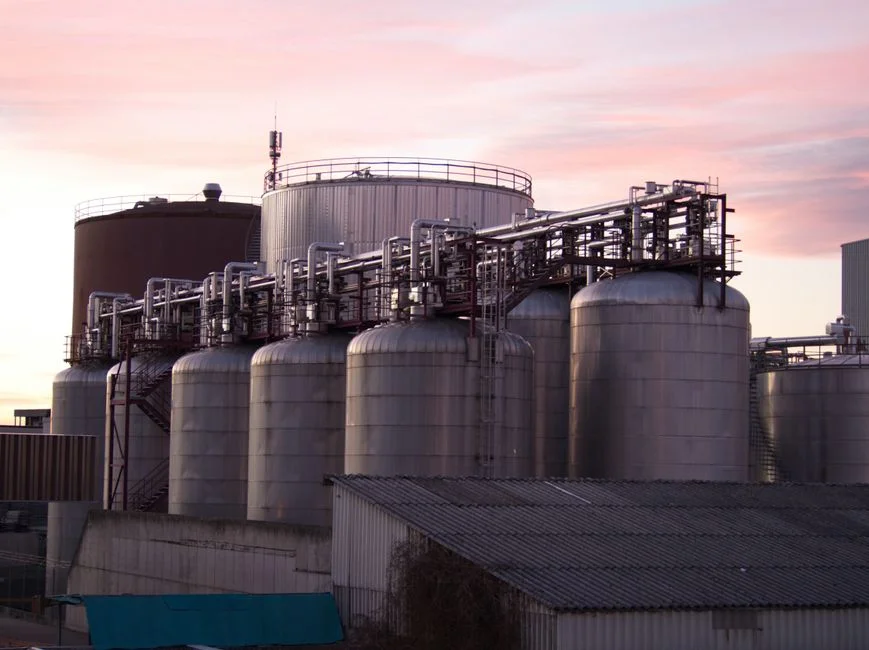
DAF separates contaminants by attaching conditioned particles to microbubbles and recovering floating sludge with a skimmer; a separate bottom zone collects settled material. Clearwater Industries, dated April 27, 2026, identifies 30–50 micron microbubbles. Aries separately identifies approximately 30 µm bubbles and a recycle system operating at approximately 100 psi. These are mechanism details from different equipment sources, not common performance guarantees.
The operating sequence begins with clean-water startup. A recirculation pump sends clarified water to the pressurization and saturation system, where air dissolves under pressure. Release into the flotation tank forms microbubbles that attach to conditioned contaminants. Floating sludge is skimmed, clarified water is recovered, and settled solids are withdrawn from the bottom zone. Pretreatment commonly includes pH adjustment, coagulation, and flocculation. Clearwater Industries describes 15–45 second flash mixing in serpentine flocculation tubes, while mix tanks allow longer contact when the tested chemical program requires it.
Lamella clarification combines flocculation, sludge recirculation, inclined-plate separation, and hopper withdrawal. HydropureWater specifies 20–40 m/h surface loading, but that parameter does not account by itself for conditioning, recirculation, sludge collection, access, utilities, or installation boundaries. Both technologies may require chemical dosing. The automatic chemical dosing system should therefore be specified around the tested reagent type, dose range, pH controls, mixing requirements, and maintenance access—not treated as an accessory.
| Design element | DAF | Lamella clarification |
|---|---|---|
| Primary separation | Microbubble attachment and flotation | Flocculation, sludge recirculation, and inclined-plate settling |
| Target behavior | Floatable oils, FOG, and conditioned light solids | Dense or reliably settleable solids |
| Conditioning | Reliable bubble attachment requires an effective tested chemical program | Flocculation must produce settleable flocs; recirculation supports solids handling |
| Startup and operation | Clean-water startup, pressurized recycle, skimming, and bottom-sludge withdrawal | Clarifier and sludge-recirculation startup, plate loading, sludge withdrawal, and hopper management |
| Recovered solids | Skimmed float plus settled-solids zone | Hopper withdrawal and recirculated sludge |
| Source-specific details | 30–50 µm bubbles in Clearwater Industries' April 2026 source; approximately 30 µm and approximately 100 psi in Aries' source | 20–40 m/h surface loading in HydropureWater specifications |
Neither source supplies application-matched removal percentages for the same fabricated-metals wastewater. A direct efficiency ranking would therefore be unsupported; compare measured flotation or settling behavior, chemical demand, recovered-sludge properties, and downstream handling instead.
Use Jar Tests and a Pilot to Select the Duty
Wastewater jar testing should convert stream characterization into a defensible selection basis. Aries identifies bench-scale jar testing as a method for determining removal efficiency, flotation characteristics, and the chemical program. The test should compare flotation and settling behavior, observed separation, chemical demand, and recovered-sludge characteristics using representative wastewater rather than a clean or unusually dilute sample.
For DAF, confirm that conditioned contaminants float reliably and can be removed with the proposed skimming and bottom-sludge arrangement. Record whether flocs remain attached through the tested hydraulic condition and how emulsified oil responds. For lamella clarification, confirm settleability at representative solids concentration, pH, chemical conditioning, and batch or peak hydraulic conditions. A clarifier sized only from average flow can fail when cleanup water and concentrated batches overlap.
If practical, run a pilot on the same representative wastewater and use the same chemical, throughput, and sludge-disposal assumptions for both alternatives. The comparison should address not only clarified-water quality but also float recovery, settled-sludge concentration, chemical use, operating attention, and downstream handling.
HydropureWater's DAF range of 4–300 m³/h across 13 standard models and the lamella loading range of 20–40 m/h are design inputs only. Measured average, peak, cleanup, and batch duties determine the final selection. If jar testing leaves uncertainty at peak load, run a pilot before approving the basis of design.
- Segregate production and cleanup streams.
- Sample normal, peak, cleanup, and batch conditions.
- Characterize the controlling contaminants.
- Jar-test flotation and settling with candidate chemicals.
- Pilot the shortlisted configuration where needed.
- Select equipment against the measured duty and confirmed treatment targets.
Compare the Full Equipment Packages and Lifecycle
Comparable quotations must cover the same drawings, duty basis, controls, instrumentation, installation boundary, startup services, warranty terms, and sludge-disposal assumptions. Otherwise, a lower equipment price can simply shift chemical, installation, maintenance, and disposal costs into a separate scope. Each supplier should identify how the proposed configuration handles normal production, cleanup periods, batch discharges, and the recovered-sludge route.
The lifecycle comparison should include chemical consumption, floor space, utilities, maintenance access, controls, sludge moisture characteristics, downstream disposal cost, and local service capability. HydropureWater advertises chemical-consumption reduction of up to 30% for its lamella package, but that is a supplier claim—not proof for a Grand Prairie application. A [plate and frame filter press]( /product/9-plate-frame-filter-press.html) can be evaluated for downstream sludge dewatering, but its selection should follow measured solids properties and the available disposal route.
The EPA's Design Manual: Dewatering Municipal Wastewater Sludges (September 1987) states that dewatering cannot be evaluated independently of upstream treatment and downstream solids handling. Although the manual addresses municipal sludges, its engineering principle applies to package scope: treat flotation or clarification, sludge withdrawal, conditioning, dewatering, and disposal as connected process elements.
The supplied research contains no comparable DAF and lamella purchase prices. A defensible budget therefore requires supplier quotations against an identical scope rather than generic online ranges. When sludge settling is unreliable, use [poor sludge settling diagnostics]( /blog/9904-poor-sludge-settling-troubleshooting-2026-field-guide.html) to determine whether the issue is chemical conditioning, solids properties, withdrawal, or upstream separation before selecting dewatering equipment.
| Quotation or evaluation item | Information required from each supplier |
|---|---|
| Process performance | Representative wastewater results, chemical doses, observed separation, and guaranteed treatment criteria |
| Hydraulic basis | Average, peak, cleanup, and batch flows with the selected duty point |
| Equipment | Drawings, dimensions, materials schedule, and defined installation boundary |
| Chemical train | Reagent type, tested dose range, pH control, mixing, access, and controls |
| Utilities and operations | Utility requirements, maintenance access, startup procedure, training, and local service access |
| Sludge route | Recovered-sludge characteristics, withdrawal, dewatering, disposal assumptions, and downstream cost inputs |
| Commercial terms | Warranty scope, performance conditions, exclusions, remedies, delivery, installation, and commissioning |
Confirm Permits, Batch Handling, and Final Performance Criteria
Written confirmation from the Grand Prairie sewer authority or other receiving permitting authority must precede the basis-of-design approval. The supplied research provides no Grand Prairie-specific discharge limits, so treatment-performance allowances should not be inferred from a generic equipment catalog or transferred from another jurisdiction.
Ask each supplier to explain how the configuration handles normal production, cleanup periods, and batch discharges. A generic flow rating does not answer whether concentrated batches can be hydraulically or chemically accepted. The factory should provide representative results by production condition, jar-test or pilot results with chemical doses, and average, peak, cleanup, and batch flows together with TSS and FOG loading. Final criteria must refer to the actual wastewater and confirmed treatment targets.
The procurement package should also define drawings, dimensions, materials schedules, duty points, utility requirements, controls and instrumentation, startup support, training, warranty terms, local service access, and the sludge route. State performance guarantees, operating conditions, exclusions, and remedies clearly. This separates an application-specific commitment from a supplier claim about generic equipment capability.
Do not close the decision with equipment selection alone. Approve only after the separation mechanism matches the measured contaminant behavior, the package boundary includes chemical dosing and sludge handling, the permit authority has confirmed the applicable requirements, and the supplier's performance commitment is tied to representative Grand Prairie wastewater.
Frequently Asked Questions
Which system is cheaper to own and operate: DAF or a lamella clarifier?
The supplied research does not contain comparable purchase prices for DAF and lamella systems, so it cannot support a price ranking or generic budget range. Request equally scoped quotations and compare reagent consumption, utilities, maintenance, controls, floor space, recovered-sludge moisture, downstream disposal cost, startup services, and warranty coverage. This lifecycle check distinguishes the lower acquisition price from the lower evaluated cost.
How should a Grand Prairie factory size DAF or lamella equipment?
Size from measured average, peak, cleanup, and batch flows, combined with TSS, FOG, settling or flotation behavior, chemical demand, and treatment targets confirmed in writing. Do not size a clarifier from average flow or a DAF from one clean sample. HydropureWater's 4–300 m³/h DAF range and 20–40 m/h lamella loading range are available design inputs, but measured duty determines selection.
What data should a factory require before selecting a supplier?
Require representative wastewater and pilot or jar-test results, drawings, dimensions, materials schedules, duty points, utilities, controls and instrumentation, chemical-program details, startup support, training, warranty, local service access, and a defined sludge route. Ask the supplier to state performance conditions, exclusions, and remedies tied to the tested wastewater rather than accepting a generic removal claim.
Does DAF or a lamella clarifier by itself meet dissolved-metals requirements?
The supplied research establishes no universal dissolved-metals treatment performance for either mechanism. Dense metal fines may settle, but that behavior does not demonstrate removal of dissolved metals. Separate the particulate and dissolved fractions, obtain the applicable written permit requirements, and determine whether additional application-matched treatment is needed.
How should a mixed oil-and-heavy-solids stream be evaluated?
Test a DAF stage followed by solids separation rather than assuming the hybrid will outperform either unit alone. Use representative wastewater to compare flotation, downstream settling, chemical demand, and recovered-sludge properties. Approve the hybrid only if test data show that it reduces the combined sludge-handling and disposal burden for the plant's actual batch and normal-production conditions.