Choose the Treatment System from the Hotel’s Wastewater Profile
No single wastewater system is automatically correct for a Monterrey hotel or resort in 2026. Selection should begin with separate domestic sewage, kitchen, laundry, pool and spa flows, then match treatment to the discharge or reuse route and verified local requirements. A buried A/O package plant suits compact, automated treatment where an approved discharge is available. An MBR suits projects requiring a compact footprint, sub-micron filtration or a defined reuse train. Kitchen FOG and solids generally require pretreatment before biological treatment. Final selection depends on measured flows, wastewater characterization, site constraints and project-specific approval.
Prepare a stream-by-stream inventory covering guestrooms, staff facilities, restaurants and kitchens, laundry, pools, spas, meeting areas and any landscaping demand. Do not combine these flows simply because they originate within one hotel. Kitchen wastewater can carry fats, oils and grease; laundry effluent can contain surfactants and suspended material; pool backwash and spa water have different hydraulic and treatment characteristics. Each stream needs its own flow estimate, sampling plan and disposal or reuse decision.
Monterrey hotel listings are a scope signal, not evidence of a particular property’s wastewater flow. Booking.com’s Monterrey hotel market page describes hotels with restaurants, swimming pools, spas, daily housekeeping and related services. Those amenities mean the design team should investigate whether each one generates a separate wastewater stream.
Reuse remains site-specific. A Redalyc paper published in 2008 identifies wastewater reuse as fundamental to hotel water-management strategies in arid Los Cabos, where the San José aquifer is overexploited. That regional evidence supports evaluating reuse, but it does not establish a Monterrey reuse standard. The governing decision—direct discharge, sewer connection, beneficial reuse or a combination—determines the treatment train and evidence required for approval. Further selection logic is available in a 2026 hotel wastewater system selection framework.
Build a Sizing Basis That Survives Peak Occupancy
A plant should be sized from measured and documented property flows, not from an assumed litres-per-guest multiplier. Request measured domestic wastewater flow, current average occupancy, event and banquet peaks, seasonal occupancy and the contributions from kitchens, laundry, pools and spas. Record hourly and daily flow patterns, then identify whether those peaks require attenuation or equalization.
Separate three design bases before comparing equipment: sanitary sewage, process wastewater and any planned reuse demand. Include restaurant covers and operating hours, laundry cycles, pool-backwash frequency, spa discharges, staff schedules and planned future capacity. This produces a traceable basis that a supplier can price and an engineer can check.
Compare catalog systems in the units that define their hydraulic basis. The underground WSZ package sewage treatment plant is available from 1–80 m³/h, while the integrated MBR membrane bioreactor ranges from 10–2,000 m³/day. Their maximum catalog capacities are not directly interchangeable, so an hourly peak must not be compared only with a daily maximum.
| Design input | Evidence required from the property | Question the supplier must answer |
|---|---|---|
| Domestic sewage | Measured flow, occupancy pattern, staff schedule and identified peak periods | What design flow and peak factor form the guaranteed basis? |
| Kitchen and laundry | Stream flows, operating schedule and wastewater characterization | Which streams are accepted by the treatment process, and what pretreatment is required? |
| Pool backwash and spa discharge | Discharge volume, frequency, water chemistry and disposal route | How are these flows isolated, controlled and treated? |
| Reuse demand | End use, demand schedule and project-specific water-quality requirement | Which treatment and disinfection stages support the intended reuse? |
| Site and operations | Footprint, soil, power, access, excavation and maintenance access | What installation method, redundancy, standby power and commissioning criteria are included? |
Every proposal should state design flow, peak factor, hydraulic-retention approach, redundancy, standby-power requirements, effluent targets, footprint, installation method and commissioning acceptance criteria. Do not publish a guaranteed plant size until the property data and the flow-verification workflow support it.
Compare Package A/O, MBR and Pretreatment Options
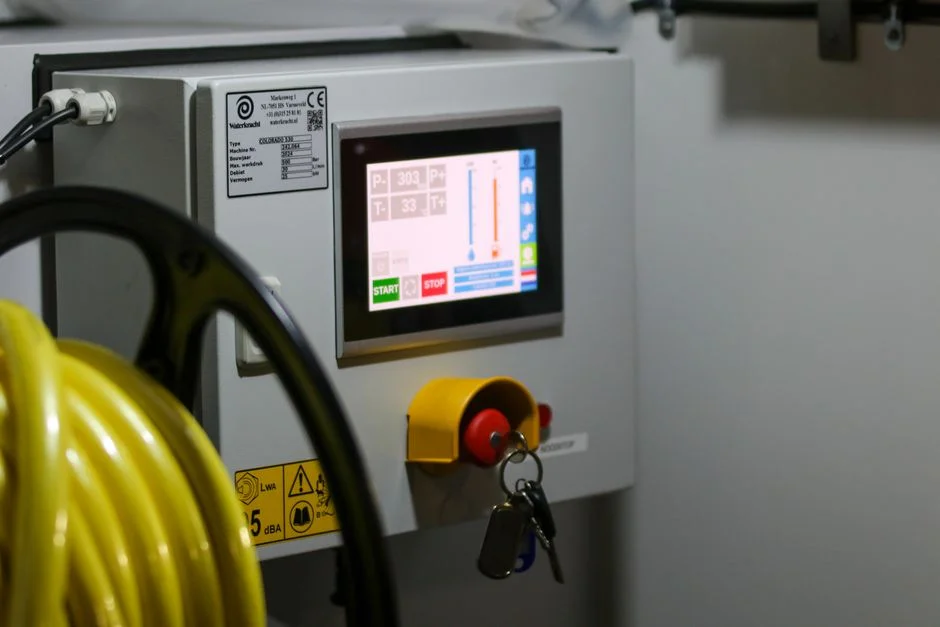
Package A/O and MBR are different design answers, not interchangeable product labels. The WSZ underground package plant combines anoxic and aerobic biological treatment, sedimentation and disinfection below grade. It is appropriate when the project values integrated treatment, automated operation, limited visible equipment and a direct sewer or permitted discharge route.
An MBR configuration is more relevant when the footprint must remain compact or the treatment train must support reuse. HydropureWater states that its MBR provides filtration below 1 μm and occupies 60% less footprint than conventional systems. These are manufacturer-stated product claims, not evidence that filtration below 1 μm alone satisfies every reuse requirement. Water quality must be matched to the intended use.
Protect the biological process with appropriate headworks. The GX rotary mechanical bar screen removes suspended solids, rags, plastics and fibrous debris that can damage pumps, valves or downstream biological processes. Add FOG and solids pretreatment where the characterization shows it is necessary rather than treating every hotel as if it had the same wastewater.
DAF is relevant where significant suspended solids, FOG, oil and grease or colloidal material require flotation. The supplied catalog covers 4–300 m³/h across 13 models. Automatic chemical dosing should be used only where verified chemistry calls for coagulants, flocculants, pH adjustment or specialty chemicals; it is not a default feature for ordinary domestic sewage.
| Decision condition | Preferred architecture | Key qualification |
|---|---|---|
| Approved discharge route and compact buried installation | WSZ A/O package plant | Confirm biological loading, installation conditions and solids handling |
| Compact installation or defined reuse train | MBR configuration | Define end-use water quality, disinfection and polishing requirements |
| Material kitchen FOG or suspended solids | A/O or MBR with justified pretreatment | Select equipment after hydraulic and organic loading tests |
| Ordinary domestic sewage without specialty chemistry | Package treatment without automatic chemical dosing by default | Reassess after wastewater characterization |
| Irrigation, cooling, toilet flushing or laundry reuse | MBR-based reuse train as an option | Agree the reuse specification and applicable review with the engineer |
These systems require careful integration to ensure efficient operation. For additional context, see the Jakarta hotel wastewater guide and Medan hotel wastewater comparison.
Map the Wastewater Treatment Process from Inlet to Effluent
A defensible process train follows the wastewater’s physical and biological treatment needs rather than a generic equipment list. Use this sequence as the briefing framework: flow measurement and screening; equalization where required; justified FOG and solids pretreatment; biological treatment; clarification or membrane separation; disinfection; additional treatment for the authorized reuse route; and monitoring.
For a package A/O design, align the proposal with the WSZ sequence of anoxic/aerobic contact oxidation, sedimentation and disinfection. For an MBR design, identify where submerged PVDF membrane filtration replaces or refines conventional solids separation. Final disinfection or polishing may still be necessary, depending on the discharge or reuse requirement.
Do not let a process-flow diagram hide the operating provisions. The design should identify bypasses and overflow routes, odor control, sludge removal, sampling points and power-failure arrangements. It should also show where equalization changes the hydraulic profile and where pretreatment changes the biological loading.
Sub-micron filtration is a treatment feature, not a complete reuse specification. Confirm the receiving authority’s requirement and the reviewing engineer’s quality basis for the proposed end use. A domestic sewage treatment process guide provides additional context for comparing clarification, biological treatment and final control steps.
Select, Approve and Commission the Package in 2026
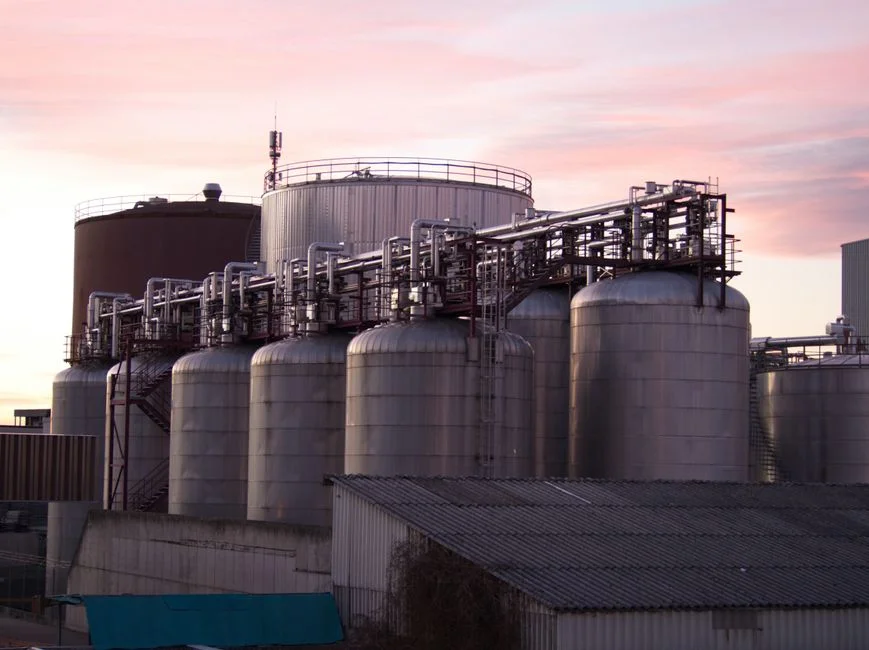
Procurement should begin with a conceptual design memorandum based on verified flows, wastewater characterization, discharge route, reuse objective, available footprint, soil conditions, power supply and installation constraints. A catalog capacity is not a substitute for this project-specific engineering basis.
Require each bidder to state design flow, process stages, equipment dimensions, materials, electrical requirements, controls, automation, O&M scope, spare parts, warranty and commissioning tests. Performance guarantees must relate to the agreed influent basis and effluent requirement. Reject unqualified claims that a unit is “suitable for reuse” without a defined end use and acceptance criteria.
Confirm the applicable Monterrey and Nuevo León authority, sewer-entry requirements, discharge route, sampling needs and reuse restrictions with qualified local professionals before final equipment selection. A Mexican package wastewater treatment plant guide provides a useful regional starting point, but it cannot establish current project-specific requirements.
- Complete the site survey and verify flows.
- Characterize domestic and process wastewater.
- Prepare the conceptual selection and treatment train.
- Confirm the regulatory route in writing.
- Complete detailed design and fabrication review.
- Install and complete testing and operator training.
- Verify performance against the agreed influent and effluent basis.
Do not infer a permit limit, treatment price or delivery schedule from the supplied research. Obtain current written inputs and quotations. For chemical-system scope, use the chemical dosing system design criteria to verify triggers, duty, controls and commissioning rather than adding dosing equipment by default.
Frequently Asked Questions
How much does a wastewater treatment system cost for a hotel or resort in Monterrey?
No defensible price can be calculated from the supplied research because it contains no current Monterrey quotations. Request itemized pricing for capacity, wastewater quality, pretreatment, reuse treatment, excavation, civil works, controls, power, commissioning and site conditions. Require exclusions and assumptions to be identified so bidders quote the same scope.
What flow data are needed to size a hotel wastewater treatment package?
Provide measured domestic flow, hourly and daily patterns, occupancy, event peaks, kitchen and laundry flows, pool-backwash and spa-discharge data, and planned reuse demand. Catalog ranges are 1–80 m³/h for WSZ and 10–2,000 m³/day for MBR, but neither range establishes the required project size.
How should a supplier be selected for a hotel wastewater system?
Compare bidders on the completeness of their engineering basis, not catalog maximum capacity. Require the proposed design flow, treatment train, guarantees, electrical and controls requirements, installation method, O&M scope, spare parts, warranty and commissioning tests. Verify that each guarantee is tied to the agreed influent and effluent requirements.
What approvals are required for discharge or reuse in Monterrey, Nuevo León?
The supplied research does not establish current Monterrey discharge limits, sewer-entry conditions or reuse rules. The purchaser must identify the competent authority and intended discharge or reuse route, then obtain written project-specific requirements from qualified local professionals before selecting and ordering equipment.
When does a hotel need DAF or other pretreatment instead of a domestic package plant?
Material kitchen FOG, suspended solids, oil and grease or colloidal loading may justify pretreatment before an A/O or MBR process. Obtain hydraulic and organic loading tests before selecting DAF. An ordinary domestic package plant should not be expanded by assumption when the wastewater characterization does not show that pretreatment is necessary.