What Treatment Option Fits a Domestic Sewage Project in Lima?
Domestic sewage treatment in Lima can be planned around three practical options: a packaged anoxic/aerobic plant, an MBR system, or a decentralized treatment train. A packaged WSZ unit combines anoxic/aerobic biological contact oxidation, sedimentation and disinfection in one buried system, handles 1–80 m³/h and operates automatically without an operator. MBR provides finer solids separation, with sub-1 μm filtration and a reported 60% footprint reduction, but requires more process and membrane-management planning. Final selection depends on verified domestic flow and peak load, available footprint, soil and groundwater conditions, discharge or reuse requirements, and confirmation of the applicable Lima authority’s permit criteria.
Domestic sewage treatment is more than installing a biological reactor. The treatment train must remove solids, biologically reduce biodegradable organics, separate treated water from sludge, and disinfect the effluent before an authorized discharge or reuse point.
Search results can confuse Lima, Peru, with Lima, Ohio. The Lima, Ohio municipal plant is useful only as a process reference: it illustrates preliminary removal, primary settling, secondary biological treatment, solids stabilization and dewatering, then disinfection. Its flow, sewer and discharge information must not be applied to a project in Peru.
Centralized treatment generally requires a large plant and collection infrastructure. A decentralized wastewater system treats sewage near its source and can avoid long collection lines, but it does not remove the need for site-specific hydraulic, biological and solids-loading analysis. This guide compares three principal choices: packaged A/O biological contact oxidation with clarification and disinfection, MBR, and decentralized systems using conventional, biological or nature-based processes. For broader regional context, see the 2026 guide to domestic sewage treatment in Peru.
Build the Project Inputs Before Choosing Equipment
The equipment proposal should be based on measured and documented wastewater inputs, not building occupancy alone. The minimum design basis must connect daily flow, peak-hour flow, seasonal variation and projected demand to a stated wastewater-generation basis.
Characterize the feed for biodegradable organics, suspended solids, nutrients, fats, oils and grease, cleaning chemicals and any industrial contributions. A hotel, residence or mixed-use development with kitchens or laundry may require different pretreatment and solids controls from a domestic-only building. Industrial contributions should be identified rather than averaged into an unexplained domestic flow.
Map the final discharge point or reuse destination before selecting equipment. A gravity sewer connection, surface-water discharge and non-potable reuse each require different documentation and design checks. Confirm available footprint, excavation access, installation traffic, groundwater level, soil conditions, power availability, odor constraints and maintenance access.
For decentralized rural or peri-urban sites, the Sustainability review dated 4 October 2024 characterizes dispersed rural sewage as relatively low in concentration, strongly biodegradable and subject to substantial flow variation. Those are review observations, not a substitute for characterization of the Lima site.
Ask the responsible authority which discharge, reuse, construction and operating approvals apply. The supplied research does not establish Lima, Peru-specific limits, so those requirements must be confirmed in writing.
| Input | Evidence or information required | Why it affects selection |
|---|---|---|
| Hydraulic load | Average daily flow, peak-hour flow, seasonal variation and future demand | Determines process capacity, equalization and pipe or pump checks |
| Wastewater characteristics | Organics, solids, nutrients, fats, oils and grease, chemicals and industrial contributions | Defines biological loading and pretreatment needs |
| Final destination | Sewer connection, receiving water or specified reuse application | Sets discharge, disinfection and documentation requirements |
| Site conditions | Footprint, access, soil, groundwater, power, odor and maintenance access | Determines installation method and operating concept |
| Authority requirements | Applicable permits, standards and approval pathway | Prevents selection of an unapprovable process |
How the Domestic Sewage Treatment Process Works
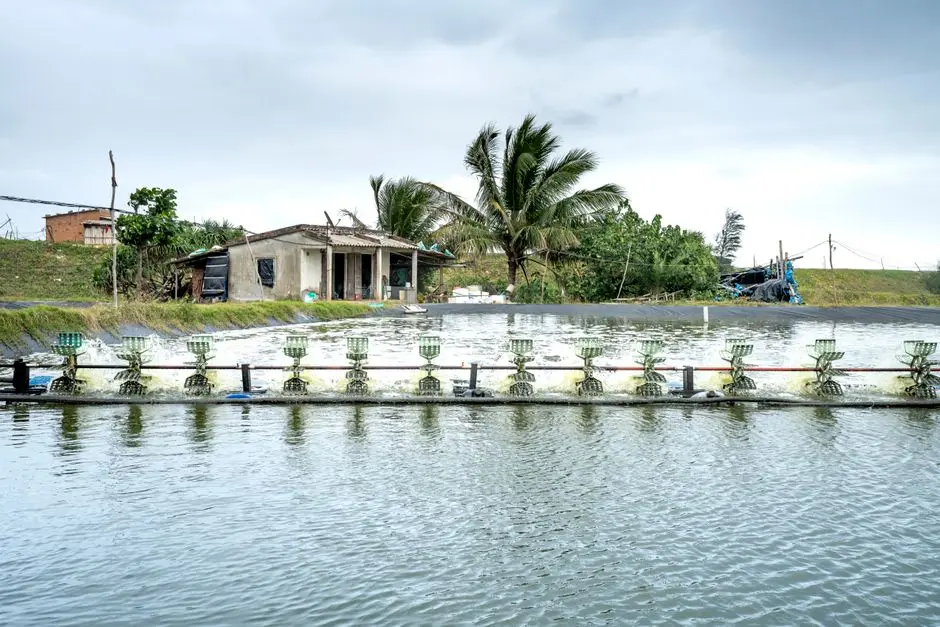
A complete sewage treatment train normally follows this sequence:
- Screening and preliminary removal: remove rags, plastics, grit and other material that can damage or overload downstream equipment.
- Primary removal: separate heavier settleable solids before biological treatment.
- Biological treatment: use microorganisms to reduce biodegradable organic matter and, where configured, support nitrogen removal.
- Secondary clarification: separate biomass and other solids from the biologically treated water.
- Disinfection: reduce remaining pathogens before discharge or reuse.
- Sludge handling: stabilize, dewater and route the separated solids to an approved destination.
The official City of Lima, Ohio wastewater treatment plant describes this wider municipal sequence. Screening and primary settling remove grit, large debris and heavier solids; biological processes then break down organics and clarify the water. Separated solids are stabilized through digestion, dewatered, and either used as agricultural fertilizer or landfilled. Disinfected water is discharged into the Ottawa River. This is a process reference only, not evidence of Lima, Peru’s infrastructure or discharge requirements.
The WSZ underground package sewage treatment plant maps the core treatment stages into one package through anoxic/aerobic biological contact oxidation, sedimentation and disinfection. This arrangement reduces the number of separately installed process units, but it does not remove the need for influent characterization, civil works, controls, sludge routing and commissioning.
Disinfection is the final barrier in the reference sequence. For a reuse project, the intended application requires an additional assessment: the treated water quality, distribution safeguards and the authority’s reuse criteria must match that specific use rather than a generic “treated effluent” label.
Compare Packaged A/O, MBR and Decentralized Treatment
Packaged A/O prioritizes a compact, largely automated installation; MBR prioritizes fine solids separation and reuse preparation; decentralized natural or combined systems can suit dispersed sites where land and low-intensity operation are central. None is universally compliant.
| Criterion | Packaged A/O with clarification and disinfection | MBR | Decentralized conventional, biological or natural systems |
|---|---|---|---|
| Verified equipment scope | WSZ combines A/O biological contact oxidation, sedimentation and disinfection in one buried unit | Submerged PVDF membrane filtration | Activated sludge, biofilm, constructed wetland, soil percolation, stabilization pond or combined configurations |
| Published capacity | 1–80 m³/h | 10–2,000 m³/day | No project-specific capacity established by the supplied review excerpt |
| Installation | Below grade or trailer-mounted for mobile deployment | Requires project-specific tank, aeration, controls and membrane arrangement | More land-intensive where wetlands, percolation or ponds are used |
| Operating character | Fully automated with no operator required, according to the HydropureWater verified product catalog | Requires membrane cleaning, replacement provision and operating controls | Operational requirements vary by process; some natural systems require less technical intervention |
| Reuse relevance | Integrated biological treatment, sedimentation and disinfection for conventional applications | Below-1 μm filtration and reported suitability for water-reuse projects | Reuse potential depends on the selected process and site-specific verification |
| Key design caution | Validate feed, peak load, installation conditions and permit criteria | Include membrane lifecycle, aeration, solids removal and downtime planning | Review climate, hydraulics, land and solids loading |
The WSZ product catalog confirms the 1–80 m³/h range, fully automated operation, no-operator requirement, buried installation and optional trailer mounting. The comparison applies to the WSZ configuration described in that catalog, not every packaged plant sold under another brand.
For the MBR option, the supplied product specification identifies a 10–2,000 m³/day range, submerged PVDF membranes, filtration below 1 μm and a reported 60% footprint reduction compared with conventional systems. It also identifies water-reuse projects as an application. Require the supplier to substantiate the comparison basis and guarantee performance against the characterized feed.
The Sustainability review dated 4 October 2024 compares activated sludge, biofilm processes, constructed wetlands, soil percolation systems, stabilization ponds and combined configurations. Natural or combined systems can be appropriate for dispersed locations, but their treatment performance cannot be transferred to Lima without climate, hydraulic and solids-loading analysis.
Choose Between Package, MBR and Natural Treatment
Begin with the required outcome: sanitary treatment for an authorized discharge, non-potable reuse, or higher-quality effluent intended to support a future reuse application. The required water quality and destination—not the technology label—must drive the selection.
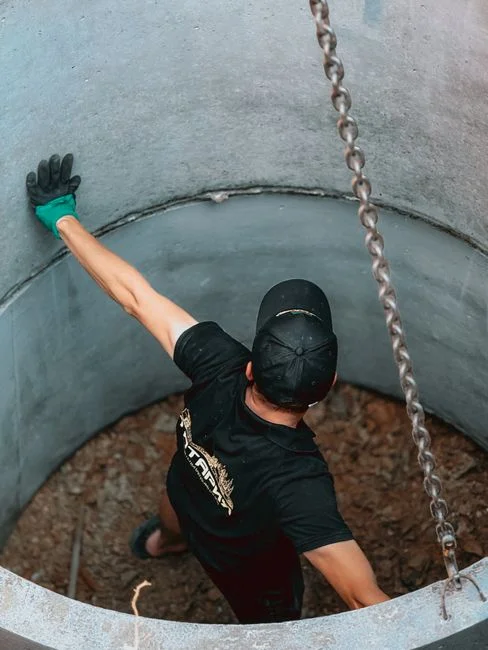
- If compact installation and automated operation are the priorities: evaluate the WSZ package when the verified design flow fits its published 1–80 m³/h range. Its buried configuration preserves surface space, but the project still needs verified influent, installation and operating data.
- If fine solids separation or reuse preparation is critical: evaluate the MBR system. Its published 10–2,000 m³/day range and below-1 μm filtration are relevant, provided the proposal includes membrane cleaning, replacement, aeration, controls and downtime provisions.
- If the site is dispersed and land can be allocated: evaluate decentralized configurations identified in the 4 October 2024 review, including biological and nature-based processes. Require site-specific hydraulic, climate and solids-loading review.
Reject an option if the proposal lacks verified capacity data, a defined wastewater basis, a proposed pretreatment train, an identified discharge or reuse route, or a clear maintenance plan. Generic efficiency statements do not replace a guarantee tied to the project feed and operating conditions.
Require bids to separate the MBR membrane bioreactor system or packaged treatment equipment from installation, civil works, commissioning, training, consumables, sludge handling, routine service and long-term spare-parts support. This structure makes commercial and technical proposals comparable without treating equipment price as the whole project cost.
Match Capacity, Installation and Maintenance to the Site
The selected system must meet both the documented daily requirement and the verified peak load. The WSZ Series covers 1–80 m³/h, while the MBR system covers 10–2,000 m³/day. Those published limits must be converted into a project-specific daily and peak-load basis; neither range should be extrapolated.
| Installation or maintenance issue | Required procurement response |
|---|---|
| Below-grade WSZ installation | Define access, excavation, buoyancy protection, ventilation, odor control, waterproofing and surface restoration |
| Trailer-mounted WSZ deployment | Confirm transport access, lifting points, utilities, stabilization and operating restrictions |
| MBR operation | Price membrane cleaning, replacement provision, aeration, controls, solids removal and downtime response |
| Rags, plastics or fibrous debris | Assess upstream mechanical screening; the GX rotary mechanical bar screen is one documented pretreatment option |
| Separated-sludge stream | Select an appropriate dewatering method where further solids handling is required |
For projects with fibrous or plastic debris, do not assume upstream removal is unnecessary. Assess whether a GX rotary mechanical bar screen is suitable for the waste characteristics and installation constraints.
Where treatment creates a significant separated-solids stream, include downstream handling in the design and operating budget. The plate-frame filter press is one equipment option for dewatering, but suitability depends on sludge characteristics, batch logistics and the selected solids route.
The same principle applies to civil scope: a buried package does not remove the need for groundwater, buoyancy, access and serviceability checks. A membrane system does not remove the need for aeration, solids removal or contingency planning.
Verify Discharge, Reuse and Compliance Before Ordering
No equipment should be ordered before the responsible Lima jurisdiction confirms the discharge point, receiving-water or reuse requirements, permit pathway and applicable construction and operating approvals in writing. The supplied evidence does not provide Lima, Peru-specific limits, so a supplier’s statement that a product is “compliant” is not an approval.
The Sustainability review dated 4 October 2024 identifies firefighting, toilet flushing and landscape irrigation as examples of decentralized non-potable reuse. These examples define applications that may be evaluated; they do not establish automatic permission for any application in Lima.
Request guaranteed process performance in a written proposal tied to the characterized feed. The guarantee should identify the treatment parameters, test methods, sampling conditions, design flow and any assumptions. A generic removal-efficiency claim without test conditions is not a usable acceptance criterion.
Check whether additional disinfection is required after packaged biological treatment and sedimentation for the selected discharge or reuse route. Include commissioning samples, operator training, maintenance intervals, automatic or remote control provisions, emergency response and after-sales support in the acceptance plan.
The City of Lima, Ohio wastewater treatment plant is useful only for municipal-process context. The official city website states that it treats an annual average of just over 13 million gallons of sewage per day, reaches a peak flow of 70 million gallons per day, receives domestic sewage, industrial sewage and storm water through more than 250 miles of sewer lines, and uses 32 pump stations. These figures describe Lima, Ohio and must not be used as Lima, Peru project data.
Prepare a Supplier Request for Comparable Proposals
A comparable proposal starts with the same project brief for every bidder. Include verified average flow, peak flow, wastewater characteristics, required effluent purpose, available footprint, power supply, installation access and confirmed authority requirements.
Ask each supplier to identify:
- the complete treatment sequence and proposed pretreatment train;
- the selected unit’s published capacity and whether the configuration is standard;
- daily and peak design loads, controls and automation level;
- installation method, civil requirements and utilities;
- routine maintenance, consumables and spare-parts support;
- the sludge route and disposal or reuse method;
- commissioning tests, acceptance criteria and operator training;
- evidence that the train addresses the characterized feed and discharge or reuse objective.
Do not extrapolate the WSZ Series beyond 1–80 m³/h or the MBR system beyond 10–2,000 m³/day. Require any selected configuration within those limits to be confirmed in the proposal.
Compare total installed scope rather than equipment price alone. Civil works, utilities, installation, commissioning, training, routine service, membrane replacement where relevant and sludge disposal can change both the technical suitability and the commercial ranking of a bid.
Frequently Asked Questions
What is the best packaged sewage treatment plant for a small domestic project in Lima?
The WSZ Series is a candidate when the verified flow fits its published 1–80 m³/h range, below-grade space is valuable and automatic operation is desired. The package combines anoxic/aerobic biological contact oxidation, sedimentation and disinfection. Selection should still depend on feed characterization, peak-load verification and confirmation of the applicable Lima authority’s criteria.
How much does domestic sewage treatment cost in Lima?
The supplied research provides no verified project price for Lima, so a responsible budget cannot be inferred from a generic equipment rate. Request itemized proposals covering equipment, civil works, installation, commissioning, training, routine service, consumables, sludge handling and any membrane replacement. Compare the installed scopes, not the equipment prices alone.
Should an MBR system or packaged A/O plant be selected for water reuse?
Evaluate MBR when below-1 μm filtration and reuse preparation justify membrane management, cleaning, replacement and downtime provisions. The WSZ package provides integrated A/O treatment, sedimentation and disinfection for conventional decentralized applications. Neither option should be approved for reuse until the destination, required water quality and authority criteria are documented.
How do I verify a sewage treatment supplier in Lima?
Ask for characterized-feed references, the proposed capacity, process drawings, performance-test methods, installation qualifications, commissioning records, maintenance support and authority-facing documentation. Check that the supplier accepts its performance obligation in writing and identifies the conditions on which the guarantee depends.
What sewage data does a Lima treatment supplier need for an accurate proposal?
Require average and peak domestic flow, seasonal variation and future demand; wastewater characteristics; the discharge or reuse destination; available footprint; soil and groundwater conditions; power; installation access; and confirmed permit criteria. Without these inputs, the supplier cannot establish a defensible process basis or a meaningful capacity selection.