Start with the wastewater streams—not a generic system
A Bengaluru hotel or resort generally needs an on-site wastewater treatment system sized from measured peak and average flows, guest occupancy, laundry flows and the intended reuse or discharge route. For a decentralized site with limited space, an underground packaged A/O plant is a strong starting point; an MBR is preferable where compactness, reliable solids separation or water reuse is important. Grease-heavy kitchen and laundry streams may require DAF pretreatment before biological treatment. No supplied source establishes a universal Bengaluru hotel flow rate, permit limit or cost, so those items must be confirmed from site data and the applicable authority before selecting equipment.
Start by separating domestic sewage from kitchen wastewater, laundry effluent, swimming-pool water, cooling water, landscaping irrigation and other process discharges. A comparison of hotel wastewater treatment options is useful only after the streams entering and leaving each treatment stage have been defined.
For each stream, document flow, pH, suspended solids, oil and grease, biodegradable organic load and the contribution of cleaning chemicals. The supplied research contains no Bengaluru hotel influent values, so these parameters must be measured or provided by the hotel rather than inferred from occupancy alone.
Record average and peak flows separately. Meal periods, laundry cycles, weekend occupancy, conferences and events can produce peaks that differ materially from daily averages. Define the final destination before comparing equipment: permitted discharge, sewer connection, toilet flushing, landscaped irrigation or another reuse application sets the required treatment performance.
Compare packaged A/O, MBR and pretreatment systems
Packaged A/O, MBR and DAF-assisted treatment solve different engineering problems. Selecting the right solution requires comparing verified product parameters against the hotel’s confirmed treatment objective rather than matching manufacturer capacity ranges to assumed flows.
| Route | Verified product parameter | Treatment configuration | Best fit when the design priority is |
|---|---|---|---|
| Underground packaged A/O | HydropureWater WSZ capacity: 1–80 m³/h | Anoxic/aerobic biological contact oxidation combined with sedimentation and disinfection in one buried package; manufacturer-described as fully automated and requiring no operator | A decentralized domestic-sewage installation where land availability, simplicity and automated operation drive selection |
| MBR | HydropureWater MBR capacity: 10–2,000 m³/day; filtration below 1 μm | Activated sludge with submerged PVDF membrane filtration; manufacturer states a 60% smaller footprint than conventional systems | Compactness, membrane-based solids separation or a route toward reuse |
| DAF pretreatment | HydropureWater DAF capacity: 4–300 m³/h across 13 standard models | Removal of suspended solids, FOG, oil and grease and colloidal matter; manufacturer lists food processing and municipal pretreatment among applications | Protection of downstream biological treatment where oil, grease, food solids or colloids are present |
The underground packaged sewage treatment system provides the baseline option for a site seeking an integrated biological treatment train below grade. Its stated capacity, process configuration and automation scope should be matched to the verified design flow and operating requirements.
The MBR membrane bioreactor for hotel wastewater becomes stronger when limited surface area, membrane solids separation or reuse is central to the brief. The stated sub-1 μm filtration performance and manufacturer’s 60% footprint comparison are product claims, not independent site guarantees.
The DAF pretreatment for grease and solids is a pretreatment or recovery stage where the wastewater profile supports that function. It should not be presented as a universal replacement for biological sewage treatment. All three capacity ranges are product specifications, not recommended Bengaluru sizing values.
Build the sizing and compliance brief
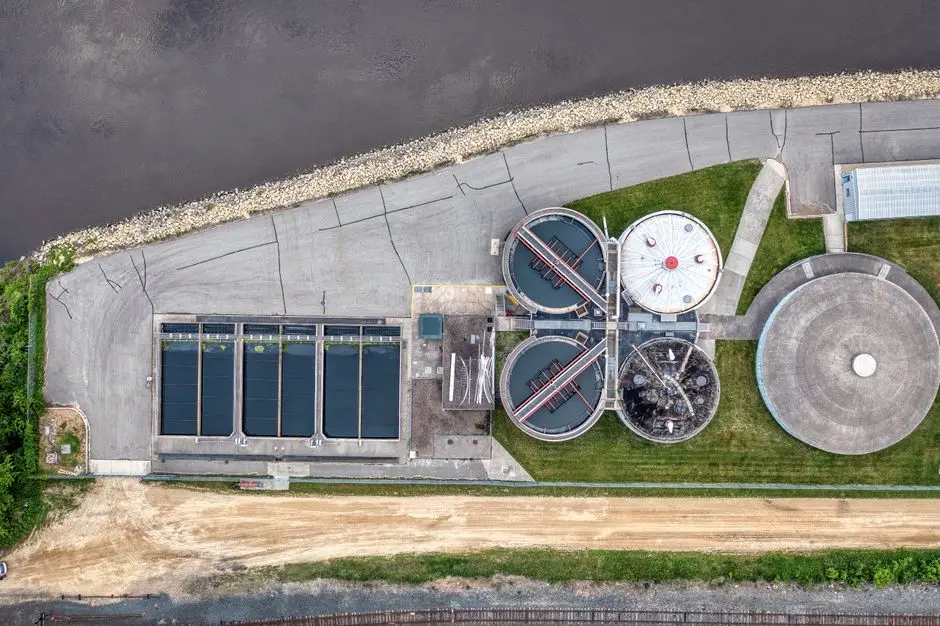
A defensible quotation starts with a twelve-month daily flow record where available, supplemented by meter data covering occupancy changes, weekends, conferences and seasonal demand. Manufacturer capacity cannot substitute for this site data.
| Procurement input | Evidence requested | Decision supported |
|---|---|---|
| Flow history | Twelve-month daily flow records where available, plus meter data for occupancy changes, weekends, conferences and seasonal demand | Average flow and observed peak-flow basis |
| Stream segregation | Separate domestic sewage, kitchen wastewater, laundry effluent and other reusable or separately treated streams | Treatment-train configuration and pretreatment needs |
| Wastewater characterization | Flow, pH, suspended solids, oil and grease, biodegradable organic load and cleaning-chemical contribution | Process suitability, loading and pretreatment scope |
| Effluent destination | Permitted discharge, sewer connection or defined reuse application, with applicable requirements confirmed by the responsible authority or environmental consultant | Performance specification and reuse decision |
| Site constraints | Available footprint, access, utilities, underground conditions, odor-control requirements and future expansion provisions | Equipment layout, civil scope and installation method |
Break the design flow into the contributing streams rather than applying one occupancy-based rule of thumb. Ask the designer or authority to confirm the discharge point, reuse standard, construction requirements and connection or disposal conditions. The supplied sources contain no Bengaluru-specific regulatory limits, so these cannot be inserted into the tender as assumed values.
Specify required effluent characteristics, sampling method, monitoring needs and installation constraints explicitly. For reuse, first define the receiving application and required reliability. The 2025 Sakti Garden Resort & Spa case study used Balanced Scorecard perspectives covering financial, customer, internal process and learning and growth; that provides a useful model for measuring environmental and operational performance alongside cost.
A domestic sewage treatment equipment guide can help structure the brief, but local data and authority confirmation must still control the final specification.
Match the system to site constraints and reuse goals
Select the treatment route from the site’s binding constraints: available space, required effluent quality, labour availability, sludge handling, future occupancy and the final destination of the treated water.
| If the priority is | Then evaluate | Critical confirmation |
|---|---|---|
| A below-grade integrated unit with limited surface footprint | WSZ packaged A/O | The verified design flow must fit the stated 1–80 m³/h manufacturer capacity |
| Membrane solids separation, compact installation or a route toward reuse | MBR | The verified design flow must fit the stated 10–2,000 m³/day manufacturer capacity |
| Removal of oil, grease, food solids or colloids before biological treatment | DAF-assisted pretreatment | Stream characterization must demonstrate a credible contaminant load for pretreatment |
| A site without a sewer route | A decentralized package with an explicit reuse or permitted-disposal route | Civil, installation, power, automation and residual-sludge arrangements |
| A reliable sewer or reuse destination | The treatment level required by that receiving system | Effluent specification and connection conditions must be confirmed in writing |
Decentralized packages are generally simpler than importing municipal infrastructure when a hotel has no sewer route. Where a reliable sewer or reuse destination exists, the objective effluent route should drive the treatment specification rather than defaulting to the most advanced process.
DAF should be considered where kitchen, laundry or other streams contain material oil, grease, food solids or colloids that could interfere with downstream biological treatment. The domestic sewage treatment equipment guide provides a useful reference for route comparison, but the Bengaluru decision still depends on local site and compliance inputs.
A business case for visible resource-efficiency and reuse initiatives can also draw on the 2025 IJFMR finding that Indian travellers show growing sustainability awareness. The same study found that willingness to pay for eco-hotels varies with income, demographics and personal values. This supports a sustainability rationale, but it does not replace engineering selection or compliance analysis.
Select, test and commission the system
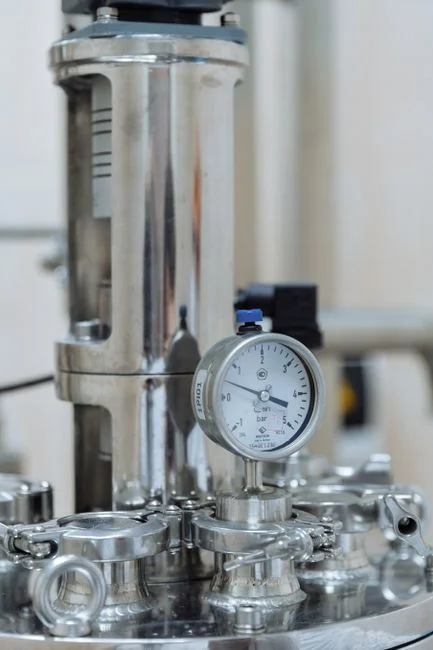
Issue a site survey and wastewater characterization request before requesting an equipment quotation. This sequence prevents a supplier from selecting a process from occupancy data alone.
- Establish the design basis: record average and peak flows, separate the contributing streams, document the final effluent route and obtain the applicable construction, discharge or reuse conditions.
- Request comparable proposals: require each supplier to state design flow, treatment concept, process stages, effluent basis, footprint, power demand, automation scope, sludge-disposal method, installation requirements and commissioning tests.
- Challenge the design: ask how peak flow, grease, laundry chemicals, odor control and future occupancy growth are addressed in the supplied design.
- Evaluate lifecycle performance: apply the hotel’s operating and performance criteria rather than relying on a generic sustainability claim.
- Confirm before ordering: do not request or accept a guaranteed compliance claim until the applicable Bengaluru discharge or reuse criteria have been confirmed in writing by the responsible authority or the client’s environmental consultant.
For commissioning, define sampling points, test methods, acceptance conditions, operator training, maintenance access, spare parts and support responsibilities before placing the order. A supplier commitment should describe what will be delivered and tested, rather than relying on an unspecified statement that the system “will comply.”
The hotel wastewater procurement framework for a Marseille property can support this staged selection approach, but only Bengaluru-specific site data, authority requirements and written client criteria can close the brief.
Frequently Asked Questions
How much does a wastewater treatment system cost for a hotel in Bengaluru?
No verified Bengaluru hotel cost appears in the supplied research, so a defensible quotation cannot be reduced to an equipment price alone. Ask each supplier to price the measured design flow, treatment objective, civil work, installation, utilities, controls, commissioning and sludge handling separately. Obtain comparable written quotations and state exclusions explicitly.
Should a Bengaluru hotel choose packaged sewage treatment or MBR?
Choose packaged A/O when simpler decentralized deployment, limited surface footprint and automated operation are the main priorities. Choose MBR when membrane solids separation, further compaction or reuse is the stronger design driver. Confirm the route against the verified design flow, site constraints and effluent destination rather than product capacity alone.
How do I size a sewage treatment plant for a hotel?
Request measured flow data, average and peak-flow observations, stream-by-stream loads and the final effluent route. A manufacturer’s published capacity is an available product range, not the recommended plant size for the property. The final design must also reflect local construction, discharge and reuse requirements confirmed by the responsible authority or environmental consultant.
What should I ask a wastewater equipment supplier before ordering?
Request the design basis, guaranteed performance basis, process stages, civil and utility requirements, controls, commissioning scope, maintenance support and residual-slugde handling method. The packaged MBR selection guide for hotels can help structure the technical questions, but acceptance criteria must be tied to the Bengaluru site and confirmed compliance route.
Is hotel wastewater reuse necessary in 2026?
Evaluate reuse against feasible destinations, water demand, quality requirements, reliability and operating responsibility. The 2025 IJFMR study supports the business case for visible sustainability initiatives, but customer willingness to pay does not determine whether reuse is technically or legally suitable. Confirm the receiving application and applicable quality requirements before selecting advanced treatment.