Why MSG Wastewater Requires a Dedicated COD Treatment Train
Monosodium glutamate wastewater is high-strength organic wastewater, so COD removal normally requires controlled biological conversion rather than physical separation alone. A UASB reactor is the most directly documented option in the supplied research; performance depends on organic loading rate, pH, volatile fatty acids and alkalinity. Solids separation and biological or membrane polishing can then produce a more stable effluent for reuse or permitted discharge. However, a reported 75.3% COD reduction applies to tofu wastewater, not an MSG manufacturing plant.
The International Conference on Bioinformatics and Biomedical Engineering study on UASB Treatment of Monosodium Glutamate Wastewater describes MSG wastewater as “a very refractory case of high strength organic wastewater.” Physical treatment can remove suspended material, but it cannot convert the soluble organic load responsible for COD. A dedicated train is therefore required to control hydraulic and organic shocks, maintain anaerobic conditions, separate biomass and residual solids, and polish the effluent to the standard required by its final destination.
Suspended solids, colloids, oil and grease, pH imbalance and inadequate alkalinity can each compromise biological treatment. Equalization therefore does more than flatten flow: it also determines the organic volumetric load rate presented to the UASB reactor and reduces the risk of VFA accumulation or pH instability.
A 2025 Bioresources and Bioprocessing study used MSG wastewater as part of a low-cost cultivation medium for Spirulina subsalsa. That work confirms the wastewater contains material usable for algal cultivation, but it does not demonstrate that the spent medium can be discharged lawfully or that nutrient recovery should precede conventional treatment.
Tofu wastewater must not be treated as an equivalent feed. The Universitas Tadulako membrane study used 6% MSG as a membrane additive while treating tofu liquid waste; it did not evaluate an MSG manufacturing wastewater treatment plant. Its results are useful only for understanding membrane behavior under that specific feed matrix. For broader train selection, see this comparison of DAF, biological and MBR COD-removal trains.
Characterize the Wastewater Before Selecting Equipment
COD alone is insufficient to size an MSG wastewater treatment train because production variability, soluble biodegradability and alkalinity demand can change the reactor and polishing duty. Request source-specific characterization before comparing reactor configurations, quotations or guarantees.
For influent, equalized effluent and final discharge, request COD and BOD results with the sampling basis and analytical method stated separately. Identify whether each sample represents a composite average, a batch peak or a short-duration slug. These distinctions determine whether a supplier’s loading proposal reflects routine production or only diluted laboratory conditions.
Map the production schedule, batch dumps, flow variability and dilution-water practices. These inputs determine equalization volume, peak hydraulic loading and the organic volumetric load rate. At the same time, measure pH, alkalinity, volatile fatty acids, suspended solids, oil and grease, temperature and nutrient balance. The UASB study identifies organic loading rate, pH, VFA and alkalinity as the operating variables investigated for MSG wastewater.
Define the discharge route or reuse application early because it sets the required clarification, biological polishing, filtration, disinfection and monitoring scope. An industrial wastewater compliance and buyer’s guide can help organize permit and buyer questions, while organic chemical plant pretreatment requirements provide a useful framework for separating enforceable limits from equipment assumptions.
The membrane flux figures below are research context only. They are not MSG design values.
| Input or evidence item | Scope and procurement use |
|---|---|
| COD and BOD | Request each value with sampling basis, analytical method and production condition. |
| Flow and batch-dump profile | Use to establish equalization and peak hydraulic duties. |
| OLR, pH, VFA and alkalinity | Directly investigated UASB control variables in the 2010 UASB study. |
| Suspended solids, oil and grease | Define pretreatment and solids-separation requirements. |
| Temperature and nutrient balance | Check biological response and any nutrient-adjustment demand. |
| 33.56 L/(m²·hour) | Water flux reported by Universitas Tadulako for its modified cellulose acetate membrane; not an MSG design value. |
| 26.85 L/(m²·hour) | Tofu-liquid-waste flux reported by Universitas Tadulako; not an MSG design value. |
Build the COD Removal Process from Anaerobic Conversion to Polishing
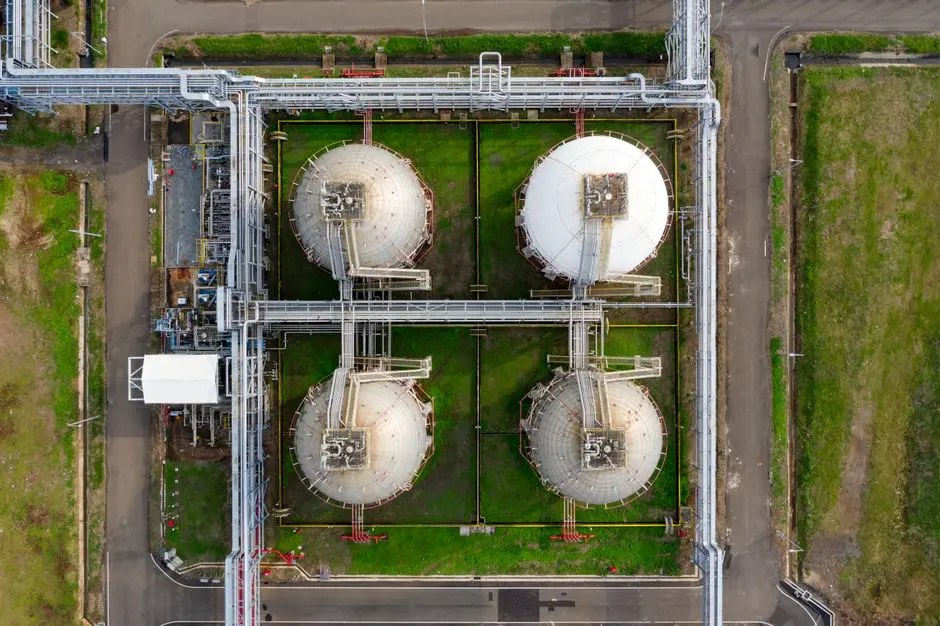
A defensible COD removal train progresses from equalization through anaerobic conversion, solids separation, biological polishing and only then any required membrane or reuse barrier. Each stage removes a different fraction and protects the next.
- Equalization and screening: blend production batches, manage hydraulic peaks and remove rags and suspended material before biological equipment.
- Anaerobic conversion: use a UASB reactor where high organic strength and recoverable methane justify anaerobic treatment. The direct MSG study used a laboratory-scale continuous-flow UASB reactor and examined organic loading rate, pH, VFA and alkalinity.
- Solids separation: remove biomass, inert material and residual particulate COD before polishing. A DAF unit can serve where oil, colloids or floatable solids require removal, but it is not the principal mechanism for soluble COD conversion.
- Biological polishing: address residual biodegradable COD and any nutrient-removal objective. Pilot testing should establish configuration and loading for the actual effluent.
- Membrane or reuse treatment: add ultrafiltration or another barrier where solids-sensitive reuse, reverse-osmosis pretreatment or final filtration requirements justify it.
UASB operating controls are not secondary details. Rising VFA, falling pH or declining alkalinity can indicate destabilization before a COD result makes the failure obvious. Include alkalinity control, gas collection, flame-arresting and ventilation in the project scope. A integrated MBR wastewater treatment system combines biological treatment with membrane separation where low suspended solids and compact solids handling justify the added process complexity.
Ultrafiltration is a physical barrier for bacteria, colloids and suspended solids; it does not remove soluble COD by itself. A ultrafiltration polishing system therefore belongs after the required biological conversion or alongside an MBR configuration, depending on the treatment objective.
| Stage | Primary function | Decision evidence |
|---|---|---|
| Equalization and screening | Controls hydraulic and batch shocks; removes gross solids. | Production schedule, flow profile, batch dumps and suspended-solids data. |
| UASB | Converts soluble high-strength organics and produces recoverable biogas. | Direct MSG evidence from the 2010 laboratory UASB study; site pilot required. |
| DAF or clarification | Removes floatable material, colloids or settled solids. | Oil and grease, solids characteristics and downstream protection needs. |
| Biological polishing | Removes residual biodegradable COD and can support nutrient objectives. | Equalized and post-anaerobic COD characterization plus site testing. |
| UF or MBR | Provides a solids-sensitive separation barrier. | Final effluent or reuse specification; the 2010 tofu-membrane result is not transferable. |
Compare UASB, Activated Sludge and MBR for the Final Treatment Stage
UASB has the strongest direct evidence in the supplied research for MSG wastewater, while aerobic polishing and MBR must be selected around the post-anaerobic effluent and reuse destination. The final stage cannot be selected from COD-removal percentage alone.
The 2010 UASB study reported gas production of 3.02–8.83 kg COD/m³·d. This was a laboratory-scale study result for its continuous-flow reactor, not a universal design guarantee. It nevertheless establishes the variables that must be controlled and reproduced: organic loading rate, pH, VFA and alkalinity.
Activated sludge or another aerobic process is appropriate for residual biodegradable COD after anaerobic treatment. It may be preferable where oxidation and nitrification are required, but aeration demand and biological loadability must be established from the actual effluent. The MBR versus conventional activated-sludge comparison offers a useful decision framework, although the wastewater and discharge criteria still control the outcome.
MBR combines biological treatment with submerged PVDF membrane filtration. It is appropriate where low suspended solids or near-reuse-quality separation is required. The supplied catalog range is 10–2,000 m³/day, but that range is not a basis for selecting reactor volume or membrane area without site characterization.
The supplied ultrafiltration catalog offers 2,000–40,000 L/h systems with 0.03 micron PVDF membranes. Those are equipment specifications, not evidence of COD removal from MSG wastewater. UF is mainly a physical separation barrier and should not be represented as standalone biological treatment.
| Option | Best fit in the train | Main procurement question |
|---|---|---|
| UASB | Primary high-strength COD conversion and biogas recovery. | Does the proposed loading rate remain stable under the plant’s OLR, VFA, pH and alkalinity profile? |
| Activated sludge or aerobic polishing | Residual biodegradable COD and nutrient objectives after UASB. | What aeration, sludge recycle and site pilot data support the biological load? |
| MBR | Combined biological treatment and solids-sensitive separation. | Is the required effluent quality and footprint worth the membrane and sludge-management burden? |
| UF without biological treatment | Final physical barrier after adequate COD conversion. | What upstream biological performance, pretreatment and fouling control support the membrane duty? |
Size the System Using Verified Inputs and Pilot Evidence
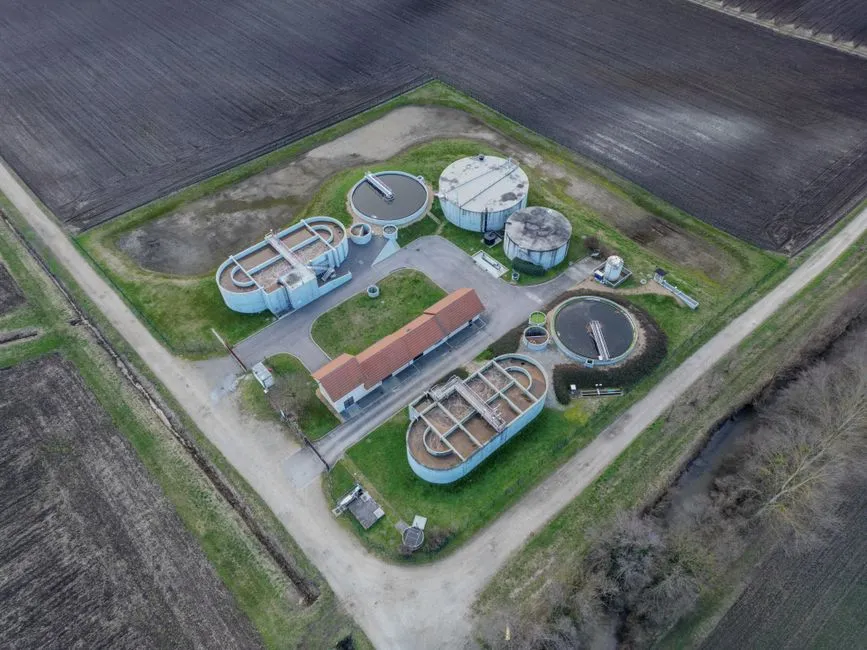
Size the UASB from the plant’s measured organic and hydraulic profile, not from the published gas-production range. The 2010 study is a technical reference for reactor behavior and operating controls; it is not a substitute for site-specific loading trials.
Require the bidder to repeat the plant’s organic loading, pH, VFA and alkalinity profile in a pilot or bench study. Ask how each proposed unit handles measured flow, COD variability, hydraulic peaks, alkalinity demand and solids separation. The equipment proposal should identify where batch dumps, shutdowns and cleaning cycles enter the design envelope.
Request a complete COD and solids mass balance. It should connect COD conversion, sludge production, biogas yield, polishing duty, chemical consumption, energy demand and final disposal. A reactor that appears efficient at the laboratory scale can lose value if it shifts risk to sludge dewatering, membrane fouling or unstable polishing.
Evaluate the Spirulina route separately if nutrient recovery is a commercial objective. The 2025 Bioresources and Bioprocessing study used a 162 L pilot reactor and harvested 816.48 g of algal powder within 41 days. It also reported an average dry mass productivity of 0.12 g/L/d and an estimated algal-powder cost of 8.30 USD/kg. Those results belong to a specific cultivation pilot, not to the treatment train’s COD-removal guarantee.
Integrate process planning with effluent treatment planning after production expansion and an ETP buyer’s guide. The essential procurement test is whether each supplied figure can be traced to the customer’s flow, COD profile, operating envelope and discharge route.
Control Cost, Compliance and Operational Risk During Procurement
Comparable quotations require bidders to separate equipment scope and operating consequences. Ask each supplier to price pretreatment, equalization, the anaerobic reactor, solids separation, polishing, membranes, sludge handling, controls and monitoring as distinct work packages. This exposes omissions that a single turnkey price can conceal.
Performance guarantees should refer to the customer’s own influent and effluent characterization, including the sampling basis, analytical methods and operating envelope. Reject generic guarantees based on wastewater categories or COD-removal percentages from unrelated feeds.
Review operating scenarios for high OLR, VFA accumulation, pH or alkalinity imbalance, membrane fouling, biogas utilization and sludge dewatering. Specify who owns each risk and what corrective action is available before a permit or reuse specification is compromised.
Confirm the applicable discharge or reuse permit before finalizing the equipment. The supplied research contains no universal COD discharge limit for MSG manufacturing wastewater. Equipment selection should follow the receiving authority’s applicable requirement and the identified reuse specification, not a generic target.
Evaluate full-scale experience, commissioning plans, operator training, spare-parts strategy and remote troubleshooting. For sludge handling, obtain comparable data for the proposed plate-and-plate filter press, and check chemical, wear-part and filter-media requirements separately.
Do not select a vendor primarily on the 75.3% COD reduction reported by Universitas Tadulako for tofu wastewater. The source, feed matrix and treatment objective differ from MSG manufacturing wastewater. The same evidence discipline should govern bidder submissions, as discussed in the 2025 industrial discharge compliance guide.
Frequently Asked Questions
What is the best treatment method for MSG wastewater?
For a high-strength stream with a recoverable organic load, the most directly supported starting point is equalization followed by a UASB reactor, solids separation and biological or membrane polishing. The final configuration depends on the measured COD profile, alkalinity demand, flow variability, reuse target and permit; a UASB alone should not be assumed sufficient.
How much does an MSG wastewater COD removal system cost?
The supplied research provides no quotation for an MSG wastewater treatment system, so a defensible price cannot be stated. Request itemized pricing for equalization, UASB, clarification, polishing, membrane equipment, sludge handling, biogas systems, controls, commissioning and monitored guarantees. Ask bidders to state which costs depend on the site’s measured flow, COD profile, footprint and reuse specification.
Can a UASB reactor alone meet the final discharge requirement?
Only if the applicable permit or reuse specification can be demonstrated from pilot and startup evidence; the research does not establish that outcome. A UASB addresses soluble COD conversion, but residual biodegradable COD, suspended solids, nutrients and reuse-specific contaminants may require aerobic polishing, filtration or another barrier.
How should an equipment supplier be qualified for an MSG wastewater project?
Ask for direct MSG wastewater experience, a site-specific pilot basis, a complete COD and solids mass balance, and operating-control procedures covering OLR, pH, VFA and alkalinity. Also verify full-scale commissioning support, operator training, critical spares, sludge and biogas handling, and guarantees tied to the customer’s own analytical dataset.
Can the 75.3% COD reduction from the tofu wastewater study be used for MSG plant design?
No. Universitas Tadulako measured that reduction on tofu liquid waste while using MSG as a membrane additive. Its fluxes and removal performance do not establish removal efficiency, membrane area or operating stability for MSG manufacturing wastewater. Use the study only as membrane-research context, and size the plant from characterized site wastewater and pilot evidence.