How to Choose an Effluent Treatment Plant in Nakhon Ratchasima
No single effluent treatment plant in Nakhon Ratchasima suits every factory because the correct design depends on wastewater composition, flow variation, treatment objective and receiving route. DAF can pretreat oily or solids-rich flows, while MBR combines biological treatment with membrane separation and UF provides fine solids separation. HydropureWater publishes capacities of 4–300 m³/h for DAF, 10–2,000 m³/day for integrated MBR and 2,000–40,000 L/h for UF. A package sewage plant is more narrowly positioned for sanitary flows. Final selection requires representative wastewater analysis, peak-flow data, confirmed Thai discharge or sewer obligations, and a defined reuse objective.
Start by separating sanitary sewage, cooling and wash water, stormwater, and industrial process streams. Combining them may create a treatment train that handles unnecessary contaminants or misses a stream-specific requirement. Define whether the plant must achieve permitted discharge, sewer pretreatment, cooling-water reuse, boiler or process-water recovery, sludge management, or a combination of these outcomes.
Request representative laboratory results covering flow, pH, suspended solids, oil and grease, COD, BOD, color, nutrients, metals, and contaminants specific to the factory process. Apply only the limits in the plant’s current permit, sewer instructions, or confirmed requirements from the responsible authority; the supplied research does not establish a universal Thai discharge limit or a Nakhon Ratchasima-specific rule.
Published equipment ranges are suitable only for initial screening. Final hydraulic sizing must reflect average flow, peak hourly flow, batch discharges, operating hours, variability, future expansion, and treatment objectives. A factory may discharge directly through an environmental route or send effluent to a sewer with pretreatment requirements, so confirm the route and permit before selecting equipment. For related local planning, compare the domestic sewage treatment options in Nakhon Ratchasima.
Build the Treatment Train from the Wastewater Source
A defensible industrial ETP begins with source segregation, not with the product catalogue. The normal sequence is equalization, physical pretreatment, the selected biological or flotation stage, solids separation, membrane or tertiary polishing where required, disinfection where necessary, and controlled sludge handling. Each source should enter the train only after its hydraulic load, contaminant profile, and compatibility with downstream units have been established.
| Treatment function | Candidate technology | What the published specification supports | Engineering question to resolve |
|---|---|---|---|
| Oil, grease, FOG, suspended-solids and colloidal pretreatment | DAF | HydropureWater specifies 4–300 m³/h across 13 standard models for removing suspended solids, oil and grease, FOG, and colloidal matter. | Does the feed require equalization or chemical conditioning, and what residual load reaches the next stage? |
| Compact biological treatment with membrane separation | Integrated MBR | HydropureWater specifies 10–2,000 m³/day and submerged PVDF membranes for filtration below 1 μm. | Is the feed biologically treatable, and what pretreatment protects the membranes? |
| Fine solids separation, polishing, or membrane pretreatment | UF | HydropureWater specifies 2,000–40,000 L/h, 0.03 μm PVDF membranes, automatic backwash, air scour, and feed turbidity up to 300 ppm. | Does the specified feed condition apply at the actual site, and what final water quality is required? |
| Sanitary sewage treatment in a compact package | WSZ package plant | HydropureWater specifies 1–80 m³/h and combines anoxic and aerobic contact oxidation, sedimentation, and disinfection in one buried unit. | Is the flow genuinely sanitary or package-sewage compatible? |
For oily or FOG-rich industrial wastewater, evaluate an industrial DAF wastewater treatment system as pretreatment. DAF is not a substitute for biological treatment or final compliance proof. For mixed flows requiring compact biological treatment, consider an integrated MBR wastewater treatment system only after establishing biological treatability and controlling upstream solids.
UF serves as a fine physical separation barrier rather than a biological treatment system. Its suitability depends on feed turbidity, solids loading, backwash arrangement, and the required outlet quality. Constructed wetlands and nanofiltration should remain project-specific alternatives rather than default components. Wageningen University and Research’s thesis, published on 23 September 2022, investigated constructed wetlands for removing micropollutants from treatment-plant effluent. The University of Twente’s PhD thesis, Direct nanofiltration of wastewater treatment plant effluent, investigated direct nanofiltration as an effluent-reclamation technique. Neither source establishes a default configuration for a Nakhon Ratchasima factory.
Compare DAF, MBR, UF and Package Treatment Systems
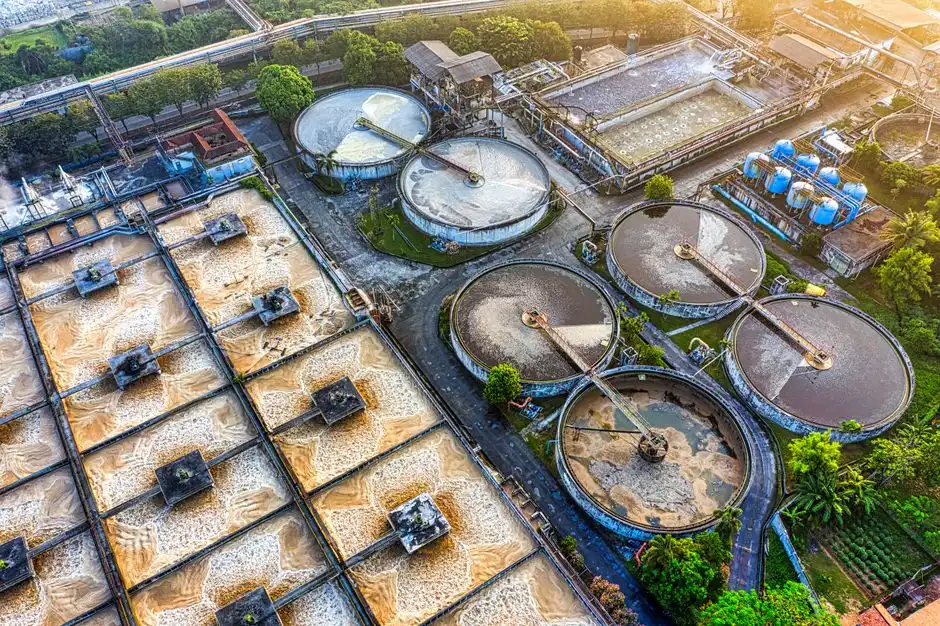
DAF, MBR, UF, and package sewage systems perform different functions and should not be compared as interchangeable products. Published capacities provide a first screen; process fit, site constraints, treatment guarantees, and installation scope determine the selection.
| Option | Primary role and preferred application | Published capacity | Mechanism and principal outputs | Operating and scale-up checks |
|---|---|---|---|---|
| DAF | Physical pretreatment for suspended solids, floatables, oil and grease, FOG, and colloidal matter | 4–300 m³/h; 13 models | Flotation and separation; require the supplier to define clarified-water and sludge characteristics. | Peak hydraulic load, recycle ratio, skimming, chemical demand, solids removal, and downstream biological capacity. |
| Integrated MBR | Biological treatment with membrane solids separation | 10–2,000 m³/day | Activated sludge with submerged PVDF membranes below 1 μm; verify mixed liquor, permeate quality, and sludge handling. | Organic loading, membrane flux, aeration, scouring, cleaning, redundancy, footprint, and effluent-polishing requirements. |
| UF | Fine physical separation, polishing, or membrane pretreatment | 2,000–40,000 L/h | 0.03 μm PVDF barrier with automatic backwash and air scour; published feed tolerance is up to 300 ppm turbidity. | Actual feed turbidity, transmembrane pressure, backwash recovery, membrane replacement, and required final quality. |
| WSZ package sewage plant | Package treatment for sanitary sewage flows | 1–80 m³/h | One buried unit combining anoxic/aerobic biological contact oxidation, sedimentation, and disinfection. | Confirm sanitary-flow compatibility, burial conditions, odor control, access, solids removal, and effluent obligations. |
HydropureWater claims that its integrated MBR occupies 60% less footprint than conventional systems. That is a manufacturer claim and requires confirmation against the supplier’s proposed layout, equipment clearances, civil works, and site constraints. Require the design basis and calculation boundary rather than accepting a percentage without context.
HydropureWater publishes specifications for DF flat-sheet MBR modules using 0.1 μm membranes, with configurations of 80–225 m² and outputs of 32–135 m³/day. The company claims 10–20 times lower energy consumption than external cross-flow systems. Treat this as a published manufacturer claim, not an independently verified Nakhon Ratchasima project result, and request the applicable flow, flux, temperature, and system configuration.
The DF flat-sheet MBR module should be compared as a membrane-component option, while the WSZ package should be evaluated separately as a buried integrated sewage treatment unit. Neither should be substituted for a complete industrial treatment train without a process basis.
Specify Equipment Using Site Data and Confirmed Obligations
A quotation becomes technically comparable only when every supplier works from the same signed design basis. Include average flow, peak hourly flow, batch-discharge profile, operating hours, future expansion, and whether equalization is required. Ask for a signed hydraulic calculation showing how the proposed train handles the governing flow condition.
Attach representative laboratory results and state the sampling period, sample locations, and operating conditions represented. Include pH and the contaminants relevant to the selected process. Ask suppliers to identify which values they used for sizing and which remain subject to site confirmation. Do not accept a generic national limit as the project obligation; require each bidder to identify the applicable permit, sewer instruction, or responsible-authority requirement.
State the treatment objective precisely: permitted discharge, sewer pretreatment, cooling-water reuse, boiler or process-water supply, or higher-quality industrial wastewater reuse. The objective determines whether final UF, another polishing stage, or disinfection is required. For a broader treatment-selection reference, review this industrial wastewater COD removal treatment train guide, while treating its process focus as illustrative rather than site-specific.
Request a complete scope statement covering pretreatment, chemical dosing, aeration, solids separation, membranes, disinfection, sludge dewatering, utilities, controls, alarms, redundancy, noise, footprint, foundations, installation, commissioning, and operator training. Chemical consumption, sludge yield, and the final disposal route must be quantified. Ask whether the design includes an automatic chemical dosing system, a sedimentation tank, and a plate-frame filter press rather than assuming these functions are included.
Reuse claims require boundaries. A third-party supplier roundup reports 30–40% first-year water-cost savings and 99% reuse for a zero-discharge project exceeding 8,000 m³/day. This is a supplier-specific example, not a Nakhon Ratchasima guarantee. Require the offer to identify water price, recovery definition, concentrate treatment, energy demand, and operating assumptions used in its calculation.
Commission, Monitor and Maintain the Plant
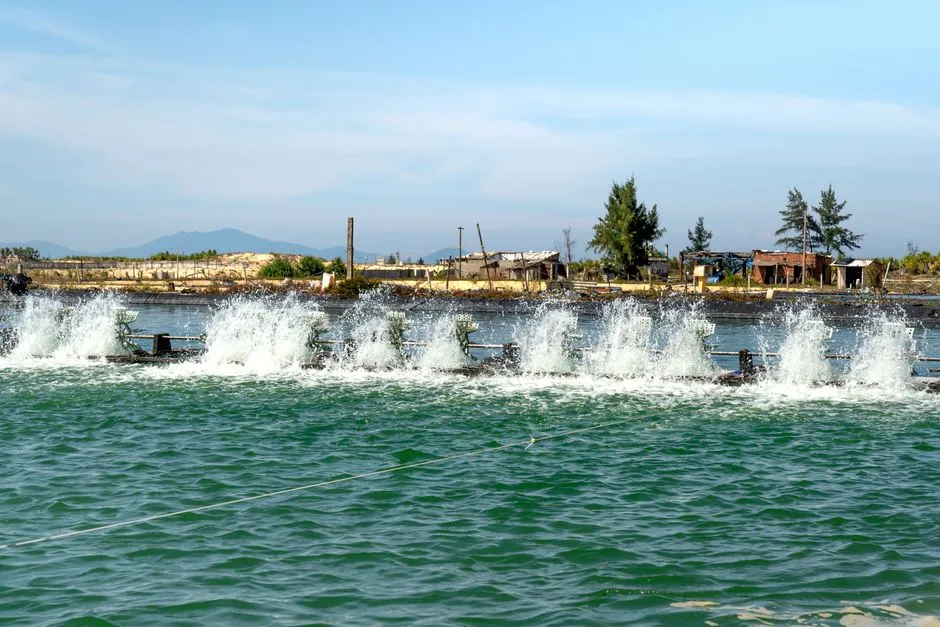
Reliable performance depends on verified installation and an operating evidence plan, not just equipment delivery. Include installation inspection, instrument calibration, leak and electrical checks, operator training, baseline sampling, and commissioning acceptance tests in the supply scope. Define the acceptance criteria before shipment and identify which party witnesses each test.
Place monitoring points throughout the treatment train. Upstream measurements support equalization, chemical dosing, biological loading, and membrane protection; intermediate measurements identify DAF, MBR, or UF performance; the final sample verifies the stated discharge or reuse objective. The sampling plan should identify parameters, frequency, sampling method, laboratory, data owner, and response action for out-of-limit results.
Review automatic functions during factory acceptance testing. Confirm UF automatic backwash and cleaning, MBR membrane scouring and aeration, and DAF automatic skimming. For maintenance, define service intervals for membranes, pumps, blowers, skimmers, chemical dosing, instrumentation, sludge removal, and standby power. Verify access to spare membranes, wear parts, control components, and local technical support through the membrane and filter elements and treatment valves and media supply scope.
Where reuse is the objective, establish water-quality acceptance criteria tied to the receiving process. Define the sampling method, test frequency, retest protocol, and temporary operating response before treated water enters process service. Where discharge is the objective, tie final monitoring to the confirmed permit or sewer requirement.
Frequently Asked Questions
How much should I budget for an effluent treatment plant in Nakhon Ratchasima?
The supplied research contains no reliable local project-price range. Request a quotation based on signed flow data, representative wastewater analysis, treatment objective, civil work, utilities, controls, installation, commissioning, and sludge handling. Ask bidders to itemize equipment, tanks, membranes, chemicals, civil works, electrical work, freight, installation, testing, spares, and operating costs; compare quotations only after the design bases are aligned.
Which ETP is best for a factory with oil and grease wastewater?
DAF is a candidate pretreatment for oil and grease, FOG, suspended solids, and colloidal material. A complete selection still requires wastewater analysis, equalization review, downstream biological or membrane capacity, and confirmation
Frequently Asked Questions
How much does an effluent treatment plant cost in Nakhon Ratchasima?
The cost of an industrial Effluent Treatment Plant (ETP) in Nakhon Ratchasima typically ranges from 1.5 million THB for small-scale operations (under 50 m³/day) to over 15 million THB for large-scale industrial facilities with complex BOD/COD loads. Prices fluctuate based on the required discharge standards set by the Department of Industrial Works (DIW), the level of automation, and the specific chemical dosing requirements.
Which wastewater treatment supplier in Nakhon Ratchasima should I shortlist?
You should shortlist providers that hold ISO 9001 and ISO 14001 certifications and possess specific experience with the local industrial zones in Nakhon Ratchasima, such as the Suranaree Industrial Zone. Prioritize vendors that offer a proven track record in meeting the Thai Ministry of Industry’s effluent standards for heavy metals, total dissolved solids (TDS), and pH levels, as well as those providing local maintenance support within the Nakhon Ratchasima province.
What size ETP do I need for my factory wastewater flow?
The required capacity is determined by your facility’s peak hourly flow rate plus a safety factor of 15-20% to account for seasonal volume fluctuations. If your factory generates 100 m³ per day over a 10-hour operating shift, you must size the system for a minimum flow of 10 m³ per hour, ensuring the equalization tank is capable of holding at least 1.5 times the peak daily volume to stabilize shock loads.
Should I choose MBR or UF for industrial wastewater reuse?
Choose Membrane Bioreactor (MBR) if your primary goal is high-quality effluent with low BOD and suspended solids, as it combines biological treatment and filtration in one step, producing water suitable for irrigation or cooling towers. Choose Ultrafiltration (UF) as a tertiary treatment step if your goal is process water recovery or reverse osmosis pretreatment, as UF effectively removes colloids and bacteria but does not treat dissolved organic loads on its own.
How long does an industrial ETP installation and commissioning take?
A standard industrial ETP installation in Nakhon Ratchasima typically takes between 12 and 20 weeks from the finalization of engineering designs. This timeline includes 8-12 weeks for civil works and tank construction, followed by 4-8 weeks for mechanical and electrical equipment installation, piping, PLC programming, and the necessary biological seeding period required to reach full treatment efficiency.