
Which Wastewater Treatment System Fits a Quito Hotel?
A Quito hotel or resort generally needs a treatment train matched to its wastewater streams, discharge route and reuse objective, rather than a system chosen from occupancy alone. An underground WSZ A/O package suits conventional domestic sewage; an MBR membrane bioreactor suits compact installation or advanced separation; and DAF is a pretreatment option for grease- and solids-bearing flows. The supplier needs measured flows, pollutant loads, operating patterns, site constraints and the intended effluent destination before selecting equipment.
There are three practical decision tracks. First, use an underground WSZ A/O sewage treatment plant where the objective is an integrated biological package for domestic sewage. The supplied WSZ catalog covers 1–80 m³/h and combines anoxic/aerobic A/O contact oxidation, sedimentation and disinfection.
Second, assess an MBR membrane bioreactor for hotel wastewater reuse where footprint, solids separation or reuse quality drives the decision. Its stated range is 10–2,000 m³/day, filtration is below 1 μm, and the supplier states a 60% footprint reduction relative to conventional systems.
Third, consider DAF pretreatment for grease-bearing hotel wastewater when suspended solids, FOG, oil, grease or colloidal matter could impair downstream equipment. The supplied DAF range is 4–300 m³/h across 13 models.
These technologies are not interchangeable. A conventional WSZ may be appropriate for segregated domestic sewage, while MBR may justify added complexity where advanced separation or reuse is required. DAF supports a different purpose: removing material before biological treatment. The final selection requires measured flow and load data, waste-stream segregation, the receiving sewer or reuse destination, and applicable Quito and Ecuadorian requirements.
Map Every Wastewater Stream Before Selecting Equipment
Hotel wastewater cannot be sized reliably as one undifferentiated flow because kitchens, laundries, guestrooms, pools and outdoor drainage impose different process conditions. The first engineering task is to establish which streams enter the proposed treatment works and whether they can remain separate.
| Waste stream | Information the supplier must receive | Design implication |
|---|---|---|
| Guestrooms and staff areas | Measured flow or documented operating basis, occupancy pattern, operating hours and domestic-sewage characterization | Forms the principal basis for hydraulic and organic loading of biological treatment. |
| Kitchen and food-service wastewater | Discharge separation, flow variation, trap and grease-control arrangement, and analytical results for the proposed parameters | May require segregation and grease, FOG or solids pretreatment before biological treatment. |
| Laundry effluent | Daily discharge, operating schedule, detergent and chemical use, and relevant analytical characterization | May affect solids, foam, biological loading and the decision on pre-treatment. |
| Housekeeping chemicals | Products used, concentrations where known, and whether disposal is controlled | Requires an assessment of chemical impact and safe receiving capacity. |
| Pool and spa backwash | Volume, discharge frequency, water chemistry and proposed receiving route | Should be evaluated separately from domestic sewage because water quality and chemistry differ. |
| Outdoor drainage | Source, seasonal contribution and proof that it enters the sewer or treatment system | Exclusion of stormwater can materially change peak hydraulic demand. |
For every included stream, request the operating basis, retention pattern, pollutant characterization and intended discharge or reuse route. Kitchen and laundry flows deserve particular scrutiny: fats, oils, grease, detergents and solids can change both pretreatment needs and biological loading. The supplier should state whether these streams are to be segregated or combined, rather than assuming that all wastewater can enter one package.
Pool and spa backwash also require a separate water-quality and chemistry decision. It should not be added automatically to domestic sewage without assessing its chemistry, frequency and receiving route. The supplied research contains no verified Quito hotel flow, COD, grease or solids values, so this guide does not assign numerical loads to any stream.
Where rags, plastics or fibrous debris may reach pumps or biological equipment, use appropriate flow-preserving screening or headworks protection. The supplied GX specification provides the pretreatment benchmark for removing suspended solids, rags, plastics and fibrous debris before pumps and biological treatment; review the GX rotary mechanical bar screen as part of that assessment.
Compare A/O, MBR and DAF for Hotel Applications
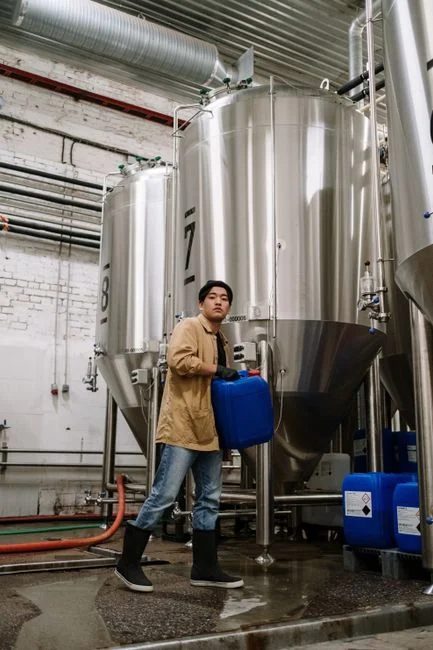
A/O, MBR and DAF serve different functions, so the correct comparison starts with the required treatment outcome rather than equipment category. WSZ integrates a biological route; MBR adds membrane separation; DAF is principally a solids and FOG-removal stage.
| Selection factor | WSZ integrated A/O package | MBR membrane bioreactor | DAF system |
|---|---|---|---|
| Supplied capacity | 1–80 m³/h | 10–2,000 m³/day | 4–300 m³/h across 13 models |
| Process role | Anoxic/aerobic biological contact oxidation, sedimentation and disinfection in one buried package | Activated-sludge treatment combined with submerged PVDF membrane filtration | Micro-bubble flotation with automatic skimming |
| Separation objective | Biological treatment and clarification within the integrated package | Filtration below 1 μm; supplier states 60% smaller footprint than conventional systems | Removal of suspended solids, FOG, oil, grease and colloidal matter |
| Best fit for hotel application | Conventional domestic sewage where an integrated buried treatment route is appropriate | Compact installation or reuse-oriented treatment where advanced separation is justified | Pretreatment of grease- or solids-bearing flows before biological treatment |
| Installation and operation | Fully automated, no operator required, landscaping can remain above grade, and trailer mounting is available for mobile deployment | Requires definition of membrane maintenance, controls and downstream use | Requires a defined skimmings and solids-removal route; verify chemical or pH adjustment |
| Main procurement caution | Confirm stream segregation, access, utilities and site conditions | Define the end use and polishing needs before specifying | Confirm whether pretreatment is justified and how recovered material is handled |
The WSZ is attractive where a compact, integrated buried package addresses conventional domestic sewage. Its supplied range spans 1–80 m³/h, and the catalog describes full automation with no operator required. That is an equipment configuration claim, not a guarantee of regulatory compliance or site performance.
The MBR route combines activated sludge with submerged PVDF membranes. Its supplied capacity range is 10–2,000 m³/day, filtration is below 1 μm, and the stated footprint reduction is 60% relative to conventional systems. It is technically relevant to municipal sewage, industrial process water and reuse projects, but the hotel’s final use—irrigation, toilet flushing, cooling or another specified application—must be established before additional polishing is specified.
DAF uses micro-bubbles and automatic skimming to remove suspended solids, FOG, oil, grease and colloidal matter. Its supplied range of 4–300 m³/h across 13 models makes it a candidate for upstream treatment, not a substitute for biological treatment or disinfection.
Do not label any option compliant until its final effluent, installation and discharge route have been evaluated against the applicable Quito and Ecuadorian requirements. The supplied research does not establish current numeric discharge limits, so a generic compliance statement would not be defensible.
Build the Right Treatment and Reuse Train
A hotel treatment train should be assembled in process order: protect the plant, remove material that would interfere with treatment, biologically reduce the applicable load, handle solids, disinfect where required, and route the final effluent to its authorized destination.
- Establish headworks protection. Where wastewater contains rags, plastics or fibrous debris, select screening or another debris-removal method that preserves flow before pumps and biological treatment.
- Protect biological treatment. For conventional domestic sewage, follow the supplied WSZ sequence: anoxic/aerobic biological contact oxidation, sedimentation and disinfection.
- Add pretreatment only where the stream warrants it. For grease- and solids-heavy wastewater, place DAF ahead of biological treatment and have the process supplier verify chemical or pH-adjustment requirements.
- Assess MBR for higher separation or reuse. Define the effluent end use, monitoring requirements and any further polishing before selecting the membrane system.
- Close the residuals route. Include sludge removal, maintenance access, odor control, power redundancy and effluent monitoring in the site scope.
Solids handling must be part of the proposal, not an afterthought. The plate-frame filter press can be evaluated as a solids-dewatering option where its duty matches the generated sludge. Where the treatment process requires chemical dosing, establish the dosing objective, chemical storage, containment, control and maintenance requirements through the automatic chemical dosing system review.
For reuse, define the application before equipment selection. A technically separated effluent is not automatically suitable for irrigation, guestroom toilets, laundry or cooling. The supplier should state which reuse quality objectives the proposed train addresses, what additional treatment is required and how performance will be monitored.
The supplied research does not provide site-specific standards for sludge removal, odor control, redundancy or monitoring. Those values must therefore come from the process design, site risk assessment, receiving route and applicable requirements—not generic equipment claims.
Size the System from Site Data, Not Occupancy Alone
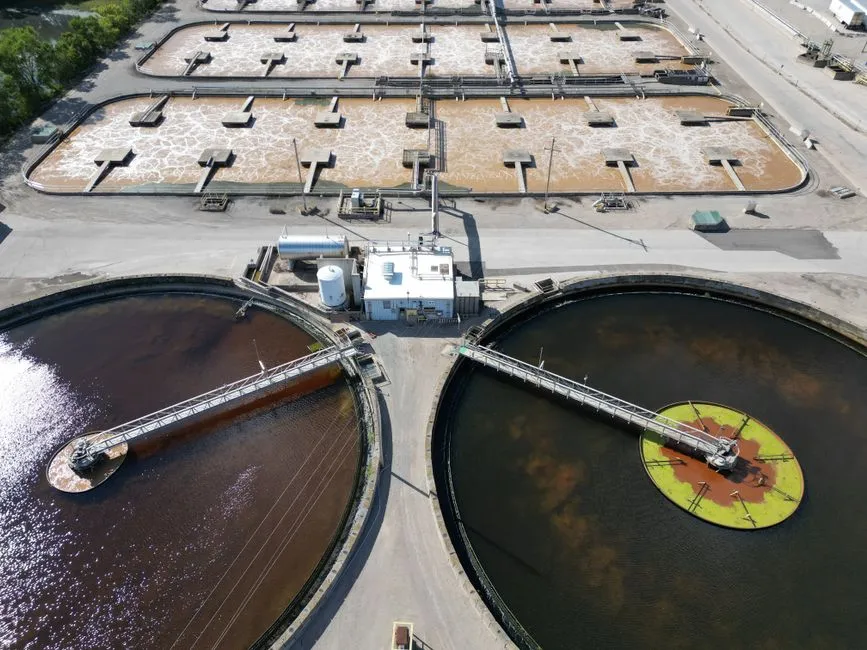
Defensible sizing starts with measured or substantiated site data because occupancy alone does not reveal wastewater generation, peak discharge timing or pollutant loading. Ask bidders to show how every design assumption flows into the selected equipment capacity.
| Design input | Evidence a buyer should request | Why it affects selection |
|---|---|---|
| Hydraulic demand | Current and peak daily flow, seasonal variation, operating hours and peak response | Determines equipment duty and whether flow equalization or redundancy is required. |
| Waste-stream allocation | Separate flows for domestic sewage, kitchen discharge, laundry effluent, pool backwash and any included stormwater | Prevents dilution assumptions and incorrect sharing of one biological capacity. |
| Water balance | Potable-water demand distinguished from wastewater actually generated | Separates consumption data from the wastewater flow used for design. |
| Wastewater characterization | Analytical results or a defined sampling plan covering the proposed process and discharge route | Establishes organic, solids, grease, detergent and chemical constraints. |
| Equipment duty | Verified catalog capacity matched to calculated duty and any stated duty allocation | Checks that the proposed model and configuration match the site. |
| Site and utility requirements | Installation method, utilities, controls, redundancy, access and commissioning provisions | Converts an equipment price into an installable and maintainable system. |
The verified capacity ranges provide screening boundaries, not automatic selections: WSZ at 1–80 m³/h, MBR at 10–2,000 m³/day and DAF at 4–300 m³/h. A bidder should identify the proposed model, design flow, operating strategy and how peak or seasonal conditions are handled.
Request written assumptions for the connected population, flow profile, pollutant basis, process objectives, redundancy and utility demand. Do not use occupancy multipliers or assumed per-guest wastewater rates: the supplied research contains no verified Quito hotel flow data, so any such figure would be an unsupported estimate presented as design evidence.
The underground WSZ A/O sewage treatment plant quotation should be conditional on the agreed flow and load basis. If that basis changes, the supplier should revise the duty, process selection and price rather than treating the original quote as fixed.
Plan Installation, Permitting and Performance Verification
An underground treatment plant becomes a site project only after excavation, groundwater, access and installation risks are resolved. For a WSZ installation, confirm soil and groundwater conditions, excavation access, above-grade landscaping, lifting access and maintenance provisions before ordering. Also verify the utility connections and the supplier’s installation method.
Permitting cannot be delegated to a generic equipment description. Ask the supplier to identify the authorities and approvals that apply to the specific site, intended discharge route and reuse proposal. The supplied research does not establish Quito’s current numeric effluent limits, general permit procedure or universal Ecuadorian reuse standard, so those points require project-specific confirmation from the responsible authority.
Put performance verification into the purchase specification. Define acceptance tests, required monitoring records, operator training, commissioning responsibilities, spare parts, preventive maintenance and remote or local automation expectations. Clarify how failures, peak loads, power interruptions and corrective work will be handled.
The Andean domestic sewage treatment guide is useful as a secondary regional reference, but its requirements should not be assumed to govern Quito. A 2026 procurement should instead rely on current site-specific engineering, authority confirmation and contractual guarantees.
Frequently Asked Questions
How much does a wastewater treatment system cost for a Quito hotel?
There is no defensible price range without the project inputs. Request a line-item quotation covering the treatment train, waste-stream segregation, civil works, excavation and installation method, controls, power and utilities, commissioning, training, maintenance, sludge or DAF skimmings handling, monitoring, and disposal or reuse requirements. Require the quotation to state its design flow, pollutant basis and exclusions. A low equipment price may omit the headworks, site works or controls needed to deliver the specified duty.
How should a hotel choose and compare wastewater-treatment suppliers?
Ask each bidder to submit the proposed process train, stream-by-stream design duty, equipment models, performance guarantees, reference projects, installation method, commissioning plan and included services. The comparison should test whether the supplier explains why each unit is needed and how the final effluent route is met. Also request maintenance intervals, critical spares, controls access and clear responsibility for performance after commissioning.
Can a hotel wastewater plant be sized from guest occupancy alone?
No. Occupancy does not establish measured wastewater flow, kitchen and laundry loads, pool-backwash frequency, operating hours or peak discharge. Require measured flows or a documented operating basis, separated waste-stream data and analytical results or a sampling plan. Match the resulting duty to verified capacities: WSZ at 1–80 m³/h, MBR at 10–2,000 m³/day or DAF at 4–300 m³/h. The selected route must also fit the intended discharge or reuse destination.
Should a Quito hotel choose MBR or an underground WSZ package?
Choose MBR when compact installation or advanced separation supports the reuse objective; its supplied range is 10–2,000 m³/day, filtration is below 1 μm and the supplier states a 60% footprint reduction relative to conventional systems. Choose a buried WSZ when an integrated biological route fits conventional domestic sewage; its supplied range is 1–80 m³/h and it integrates A/O contact oxidation, sedimentation and disinfection. Neither choice removes the need to confirm the discharge or reuse route and applicable 2026 requirements. The broader comparison is covered in the hotel wastewater treatment selection guide for Rosario and in the review of packaged A/O, MBR and DAF options for hotels.