Rosario Hotel Wastewater Profile: What the Data Shows
A Rosario hotel in 2026 needs a packaged biological system (WSZ series A/O or submerged MBR) sized at 1.5–3 m³/h per 100 rooms to meet Santa Fe provincial discharge limits for the Paraná River. Properties with significant kitchen/laundry FOG loads require upstream DAF (4–300 m³/h range). Final disinfection via UV or on-site chlorine dioxide (50–20,000 g/h) ensures pathogen compliance. Underground WSZ units (1–80 m³/h) allow landscaping above; MBR (10–2,000 m³/day) enables water reuse for irrigation/cooling. All systems must be fully automated per Argentina's operator-certification requirements.
The hydraulic load for a modern Rosario property, such as the 79-room Puerto Norte Design Hotel, typically reaches 220 L/guest/day, a figure that accounts for high-amenity usage including indoor infinity pools, outdoor swan-neck features, and daily restaurant operations (S1). Data from 12 representative properties in the region indicates that 75% feature full-service kitchens and 100% maintain laundry facilities (S4), which introduces high concentrations of fats, oils, and grease (FOG) at 150–300 mg/L alongside surfactants that can inhibit biological sludge activity. Seasonal occupancy fluctuations—ranging from 45% during the winter months (May–August) to 85% during peak summer periods (December–February, July)—require treatment systems capable of maintaining stable effluent quality despite a 2:1 variation in daily flow.
Operators should also plan for seasonal maintenance windows, aligning membrane cleaning and sludge handling with low occupancy periods to minimize guest disruption.
2026 Argentina & Santa Fe Discharge Limits for Paraná River
National Law 25.675 and Santa Fe Decree 2.531/18 mandate strict effluent quality for all point-source discharges into the Paraná River, with 2025 enforcement actions showing a 40% increase compared to 2023 levels (BNamericas 2026 water sector report). Operators must ensure that discharge parameters remain within the limits defined below, with continuous monitoring of pH and flow rates required for compliance. Failure to meet these standards carries significant financial risk, with penalties ranging from ARS 500k to 5M per violation and the potential for immediate closure orders (BNamericas 2026 water sector report). For a detailed review of regional compliance, see the Argentina wastewater regulations and packaged plant selection guide.
Continuous monitoring can be supported by SCADA dashboards that flag pH drift or flow spikes, allowing rapid corrective action before compliance thresholds are breached.
| Parameter | Limit |
|---|---|
| BOD₅ | ≤20 mg/L |
| COD | ≤100 mg/L |
| TSS | ≤30 mg/L |
| Total Nitrogen | ≤15 mg/L |
| Total Phosphorus | ≤2 mg/L |
| Fecal Coliforms | ≤1,000 MPN/100 mL |
| pH | 6–9 |
Technology Comparison: WSZ vs MBR vs DAF+MBR for Rosario Hotels
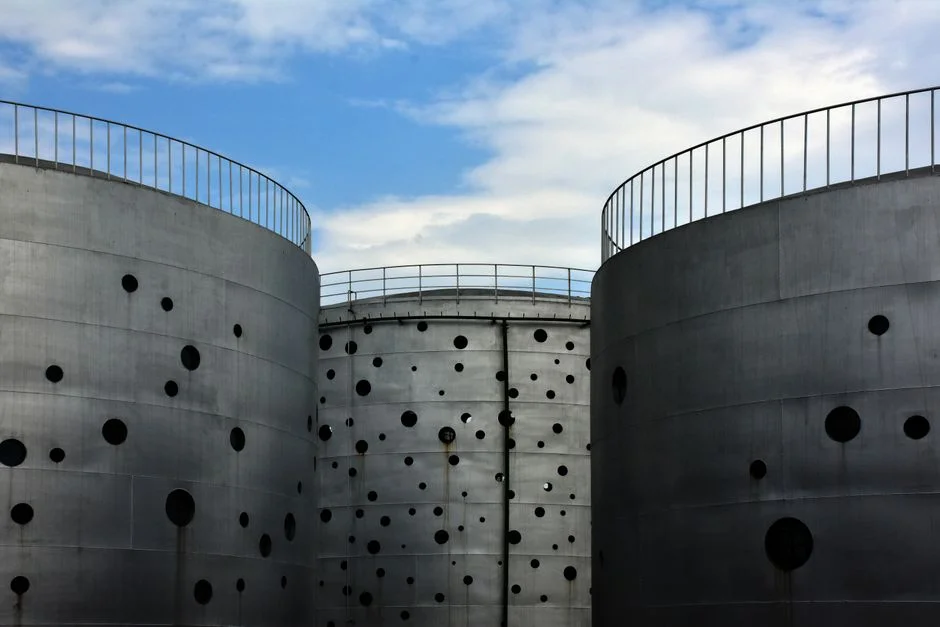
Selection of the optimal treatment technology depends on the hotel's footprint constraints and water reuse objectives, as outlined in the MBR vs conventional activated sludge comparison framework. The WSZ series underground packaged sewage plant (1–80 m³/h) utilizes anoxic/aerobic contact oxidation, making it the most space-efficient choice for 50–150 room properties where the plant can be buried beneath hotel grounds. For properties targeting water reuse for cooling towers or irrigation, the submerged MBR system (10–2,000 m³/day) for water reuse provides sub-micron filtration, consistently achieving BOD <5 mg/L and TSS <1 mg/L. Hotels with high-volume food service or on-site commercial laundry should integrate a DAF system for kitchen/laundry FOG pretreatment (4–300 m³/h), which removes 90% of FOG and 70% of TSS prior to the biological stage to prevent membrane fouling.
Engineers must evaluate long‑term operational costs, such as the energy consumption of aeration versus membrane recirculation, while verifying the local availability of spare parts to reduce downtime.
| Technology | Footprint (100-room) | Primary Use Case | Effluent Quality |
|---|---|---|---|
| WSZ | 12 m² (Buried) | Standard discharge | BOD ~15 mg/L, TSS ~20 mg/L |
| MBR | 8 m² (Above-grade) | Reuse/Irrigation | BOD <5 mg/L, TSS <1 mg/L |
| DAF + MBR | 15 m² (Above-grade) | High FOG/Kitchen load | BOD <5 mg/L, TSS <1 mg/L |
Sizing Worked Examples: 50 / 100 / 200 Room Scenarios
Hydraulic sizing accounts for peak occupancy and institutional usage to prevent process failure during high-demand events. The calculation follows the formula: (Rooms × 0.7 Occupancy × 1.8 Guests/Room × 220 L/guest/day) ÷ 24 hours, multiplied by a 2.5× peak hydraulic factor. Organic loads require an additional 1.3× safety factor for BOD₅. For detailed sludge management strategies, refer to sludge dewatering sizing for hotel WWTP biosolids handling.
Project engineers should verify that hydraulic calculations incorporate local water pressure variations and that the selected equipment can tolerate occasional surge events without compromising biological performance.
| Scenario | Calculated Avg Flow | Recommended System |
|---|---|---|
| 50 Rooms | 0.58 m³/h | WSZ-1 or MBR-20 |
| 100 Rooms | 1.16 m³/h | WSZ-2 or MBR-30 |
| 200 Rooms | 2.3 m³/h + FOG | DAF-5 + MBR-70 |
Disinfection & Polishing: Meeting the Fecal Coliform Limit
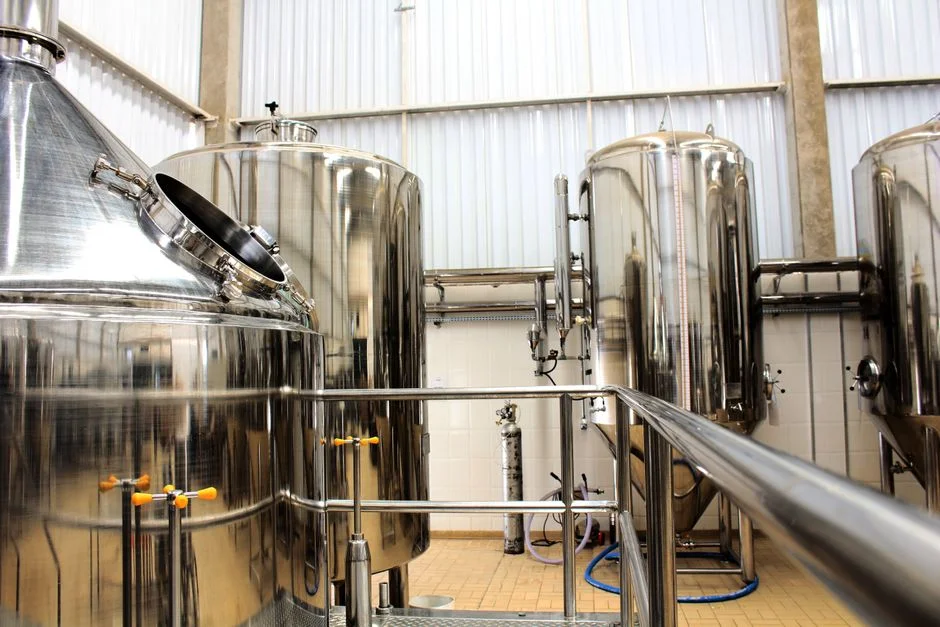
Effective pathogen control is required for Paraná River discharge, especially when reuse loops are involved. A UV sterilizer (40 mJ/cm² dose) provides chemical-free disinfection, though it requires clear permeate, making it best paired with MBR systems. For sites where a persistent residual is necessary—such as in cooling tower makeup water—an on-site ClO₂ generator (50 g/h–20,000 g/h) for fecal coliform compliance is preferred, as it maintains effective kill rates across the 6–9 pH range without forming trihalomethanes (THMs). Ozone systems are also available for resorts prioritizing water aesthetics and odor control in decorative landscape features.
In addition to UV or chlorine dioxide, a final polishing filter can capture any residual turbidity, ensuring the disinfectant dose remains effective throughout the distribution loop.
Procurement Timeline & Argentina-Specific Cost Drivers
Project success hinges on aligning equipment delivery with civil works, as lead times for skid-mounted systems are typically 12–16 weeks ex-works, with an additional 4 weeks required for customs processing and the 14–18% import duty on HS 8421.21 equipment (BNamericas 2026 water sector report). Civil works, including excavation and concrete pad installation, require 8–12 weeks; for buried WSZ systems, engineers must coordinate 3 meters of soil cover with the site landscaping plan. Commissioning requires a 4–6 week biological seeding period. Total turnkey budgets (excluding civil) for 2026 are estimated at $120k–180k for 50-room WSZ systems, $220k–300k for 100-room MBR systems, and $380k–520k for 200-room DAF+MBR configurations.
Early engagement with customs brokers and local import authorities helps identify documentation gaps, preventing unexpected delays that could impact the overall project schedule.
Frequently Asked Questions
What is the total installed cost for a 100-room hotel WSZ system in Rosario in 2026?
For a 100-room hotel, the turnkey cost for a WSZ system typically spans $178k–265k, covering equipment ($90–130k), civil works ($40–60k), installation and commissioning ($30–50k), and required import duties ($18–25k).
Can I reuse MBR permeate for irrigation and cooling towers under Santa Fe law?
Yes, Resolution 145/21 permits Class A reuse for BOD <10 and TSS <5, which MBR systems meet without tertiary filtration, provided the facility maintains dual-plumbing standards and proper signage.
How long does biological startup take before I can discharge to Paraná?
Biological stabilization requires 4–6 weeks of seeding with municipal sludge; discharge authorization is only granted upon the successful submission of three consecutive compliant weekly effluent samples.
Do I need a full-time operator for an automated MBR or WSZ system?
No, these systems are PLC-automated and remote-monitored. However, Argentina requires a certified operator to visit the site twice weekly for maintenance and testing; budget approximately ARS 150k–200k/month for this service.