Determine Which Limits Govern the Dixon Facility
Fabricated metals plants near Dixon generally meet sewer pretreatment limits by confirming whether 40 CFR Part 433 applies to their actual operations, comparing PSES or PSNS with the receiving POTW’s current local limits, and designing to the stricter requirement for each parameter. The typical treatment train uses equalization, oil removal, Cr(VI) reduction, cyanide oxidation, hydroxide precipitation, DAF or lamella clarification, and final pH adjustment. Equipment sizing should reflect batch dumps through at least one full week of composite sampling, with automated chemical feed and protective interlocks supporting verified permit compliance.
Part 433 applicability depends on what happens on the site, not on whether the business describes itself as a fabricator. A dry-stamping operation that ships parts to a separate finisher is generally outside the metal-finishing category; a plant operating zinc, nickel, or chromic-acid plating or anodizing lines is inside the covered scope. Forming, finishing, forging, foundry, metal-spraying, and machining-wash operations co-located with plating or anodizing lines can also fall within Part 433 (HydropureWater, 2026).
Existing sources are evaluated under PSES, while new sources are evaluated under PSNS. For each parameter, compare the applicable categorical requirement with the receiving POTW’s current local limit and use the stricter value. EPA states that local limits are site-specific and are imposed at the industrial user’s point of connection to the POTW collection system; they may be numeric or narrative and can include best management practices (EPA, “Pretreatment Standards and Requirements—Local Limits”).
Before freezing the design basis, obtain the current POTW local-limit table, industrial sewer-use permit, discharge authorization, and applicable Illinois requirements. The regional fabricated metals pretreatment compliance guide illustrates the same permit-first method. Do not substitute an old federal table, a generic construction drawing, or a verbal statement from a supplier for the governing local requirements.
| Design-envelope item | What the buyer must establish | Why it affects treatment |
|---|---|---|
| Source status | Existing source under PSES or new source under PSNS | Determines which categorical limits enter the comparison |
| Receiving POTW limits | Current numeric or narrative local limits at the point of connection | Controls when stricter than the categorical standard |
| Categorical parameters | Cadmium, chromium, copper, lead, nickel, silver, zinc, and total toxic organics | Defines the minimum categorical pollutants for the design worksheet |
| Local parameters | Oil and grease, TSS, pH, and other pollutants imposed by the POTW | Adds controls beyond the Part 433 parameter set where applicable |
| Monitoring basis | Required parameter, frequency, sample point, and reporting method | Connects treatment controls to verifiable compliance evidence |
Map Each Wastewater Source to Its Required Control
Each wastewater source should have an assigned contaminant, control mechanism, monitoring point, and failure mode before equipment is selected. That mapping prevents an operator from discovering, after a batch dump, that floor drainage contains an unaccounted-for cyanide or chromium source.
Stamping, machining, and drawing compounds commonly contribute free and emulsified oils. Plating rinsewater and acid pickling can carry dissolved metals including zinc, nickel, copper, chromium, lead, and cadmium. Chromic-acid anodizing, hard chrome, and conversion coating require identification of hexavalent chromium. Grinding swarf, casting sand, and hydroxide floc carryover contribute suspended solids. Alkaline cyanide plating using zinc, copper, cadmium, or silver chemistries requires cyanide oxidation before metals precipitation, because unresolved cyanide can resolubilize metal precipitates downstream (HydropureWater, 2026).
HydropureWater’s 2026 field data provide screening ranges for mixed floor drains entering pretreatment: oils at 50–500 mg/L, total dissolved metals at 5–200 mg/L, TSS at 100–1,000 mg/L, and pH between 2 and 12 across batch dumps. These are screening values, not a substitute for site sampling or a universal design basis (HydropureWater, 2026).
| Process source | Likely contaminant | Required control | Indicative failure mode |
|---|---|---|---|
| Stamping, machining, drawing | Free and emulsified oil | Oil removal before chemical treatment | Interference with floc formation and solids separation |
| Plating rinsewater, acid pickling | Dissolved Zn, Ni, Cu, Cr, Pb, Cd | Hydroxide precipitation and solids removal | Metals breakthrough or precipitate carryover |
| Chromic-acid anodizing, hard chrome, conversion coating | Cr(VI) | Chemical reduction to trivalent chromium | Chromium remains soluble |
| Alkaline cyanide plating | Cyanide | Oxidation before precipitation | Precipitated metals redissolve downstream |
| Grinding, casting, floc carryover | TSS | DAF or lamella clarification | Solids discharge or sludge-equipment blockage |
Calculate mass loading from measured flow and concentration; concentration alone does not establish equipment duty. Separate tank dumps, line washdown, floor drainage, and production rinsewater in the sampling record. A floor drain may become the central control stream, while a rinsewater stream may require a different collection and treatment route.
Build a Treatment Train That Controls Each Contaminant
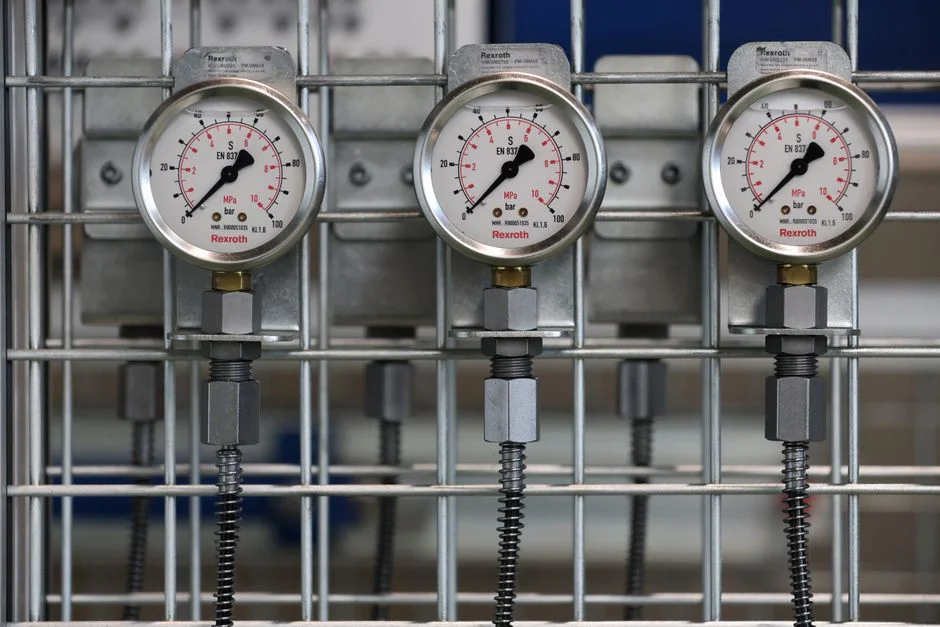
The treatment train must assign one control mechanism to each contaminant family. Equalization comes first because plating shops discharge batches rather than steady flow. Oil removal precedes chemical treatment, chromium reduction precedes precipitation, and cyanide oxidation must be completed before metal hydroxide precipitation. Solids separation then removes the precipitated floc and residual floatables, followed by final pH adjustment.
Equalization should be sized from at least one full week of composite sampling. HydropureWater states that a four-hour composite can miss a Friday-afternoon dump and undersize the basin; a representative full-week dataset is therefore needed for the basin and downstream chemical systems (HydropureWater, 2026). The equalization basin also provides the buffer required when a large batch reaches downstream chemistry.
Remove oil before reductant, oxidant, or polymer dosing. Emulsified oil can interfere with reduction, oxidation, floc formation, or solids separation. Hexavalent chromium is reduced to trivalent chromium with sodium metabisulfite or ferrous sulfate at pH 2–3, with ORP controlled at roughly 250–300 mV (HydropureWater, 2026). The trivalent chromium can then precipitate during the pH 8.5–9.5 metals-precipitation stage.
Oxidize cyanide before adding precipitation chemicals. Once the metals chemistry is complete, DAF or lamella clarification removes hydroxide floc and residual floatables. Adjust final pH to the governing permit requirement immediately before discharge. Do not combine these mechanisms into one reaction stage: oil, Cr(VI), cyanide, dissolved metals, and TSS require different physical or chemical controls.
| Process step | Defined outlet condition | Primary failure mode | Protective response |
|---|---|---|---|
| Equalization | Batch flow and load stabilized | Oversized batch reaches downstream chemistry | Basin-level trend and composite sampling |
| Oil removal | Oil controlled before reaction chemistry | Oil interferes with floc or flotation | Verify feed chemistry and flow-paced dosing |
| Cr(VI) reduction | pH 2–3 and approximately 250–300 mV ORP | Incomplete reduction | ORP interlock and Cr(VI)/total chromium testing |
| Cyanide oxidation | Cyanide destroyed before precipitation | Metals redissolve downstream | Interlocked oxidant feed and confirmation test |
| Metals precipitation | Hydroxides formed in the pH 8.5–9.5 stage | Soluble metals or floc carryover | pH feedback and solids-separation control |
| DAF or clarification | Floc and floatables separated | Floc breakthrough | Hydraulic-loading and recycle review |
| Final pH control | pH at the sewer-discharge limit | pH excursion | Automatic diversion to equalization |
A PLC-controlled automatic chemical dosing skid should coordinate reductant, oxidant, pH-adjustment chemicals, and polymer. Interlocks for pH excursion, out-of-range ORP, and high TSS should return flow to the equalization header rather than permit an upset to reach the sewer (HydropureWater, 2026).
Size DAF and Clarifier Equipment from Actual Process Conditions
Choose solids separation from the treatment objectives and verified wastewater properties, not available floor space. DAF is the stronger starting point when the objective includes suspended solids, FOG, oil and grease, or colloidal material. A lamella clarifier is attractive where compact inclined-plate separation, integrated flocculation, and sludge recirculation better fit the installation (HydropureWater, 2026).
For DAF, HydropureWater’s 2026 guidance identifies hydraulic surface loading of 4–20 m/h depending on model and floc density, an air-to-solids ratio of 0.005–0.060 with 0.02 as a typical design point, and recycle of 10–30% of forward flow. Require those assumptions and their calculated effects in the supplier’s sizing sheet. A higher A/S ratio can produce a drier float but consumes more blower power and may break fragile floc. Higher recycle can improve TSS removal, but it dilutes the chemistry and increases equalization demand.
The DAF versus clarifier selection for fabricated metals wastewater provides a useful technical comparison, while an industrial DAF system for metalworking wastewater should be evaluated against the actual hydraulic and floc basis. For a lamella installation, request clarifier area, plate configuration, flocculation, sludge withdrawal, and recycle assumptions rather than accepting a model number as a design.
| Selection variable | DAF | Lamella clarification | Buyer’s required evidence |
|---|---|---|---|
| Primary separation objective | TSS, FOG, oil, grease, and colloidal material | Compact solids separation where integrated flocculation fits | Calculated removal basis for the measured wastewater |
| Hydraulic basis | Surface loading, A/S, and recycle | Clarifier area and plate configuration | Supplier calculation tied to site flow and loading |
| Sludge handling | Float removal and forward-flow recycle | Sludge withdrawal or recirculation | Final dry-solids basis and disposal route |
| Main failure mode | Fragile floc, excess air, or carryover | Floc disturbance, carryover, or uneven sludge collection | Alarm, control, and sampling provisions |
Protect the treatment train at its inlet. Rags, wipes, and tramp metal should be removed before equalization and the sludge train because they can prematurely blind filter-press cloth (HydropureWater, 2026). If screening is needed, evaluate a rotary mechanical bar screen within the collection and equalization scope.
Manage Controls, Sludge, and Final Compliance Evidence
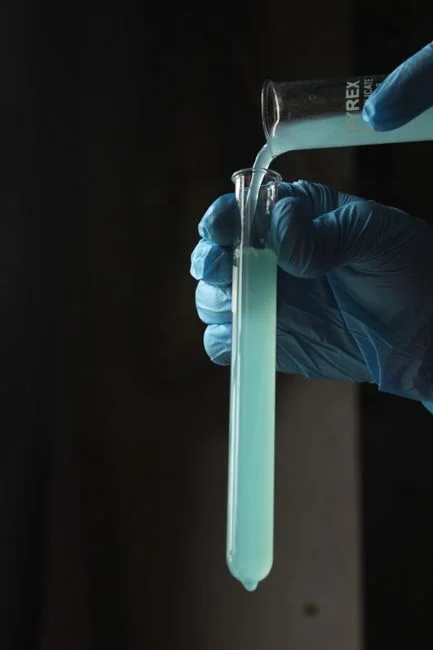
Chemical feed must combine flow-paced feedforward with pH or ORP feedback; fixed manual pump settings do not adequately control batch discharges (HydropureWater, 2026). Specify calibration columns and stroke-count totalizers for every metering pump. A PLC-controlled, skid-mounted arrangement permits bench testing of interlocks before shipment and gives the operator one control interface rather than several disconnected panels.
Hydroxide sludge characteristics affect both equipment selection and disposal cost. HydropureWater’s 2026 benchmarks indicate 2–5% dry solids leaving a DAF and 25–35% after plate-and-frame dewatering. The same source reports a belt-press ceiling of approximately 22% dry solids for metal hydroxide sludge. The disposal contract, hauler acceptance method, leachate characteristics, and destination requirements must therefore be reviewed before selecting a dewatering target.
Verify performance with composite sampling against the current permit, applicable PSES or PSNS parameters, and the stricter POTW local limits. Retain chemical-use records, pump totals, ORP and pH trends, alarm events, equalization levels, TSS results, and sludge-disposal records with each compliance review (HydropureWater, 2026).
For plate-and-frame dewatering, request the calculated feed-solids basis, cycle controls, cake-discharge method, wash provisions, filtrate-return arrangement, and excluded site costs. A metal hydroxide sludge filter press should be compared against the actual disposal agreement—not filter area alone.
Add Polishing Only for a Defined 2026 Requirement
Most fabricated metals plants do not require polishing when the core treatment train meets the governing sewer limits (HydropureWater, 2026). A polishing stage becomes relevant when the POTW tightens a local limit, the plant establishes a water-reuse objective, or a new requirement addresses a contaminant the primary train does not control.
For BOD/COD tightening or reuse, HydropureWater’s 2026 guidance describes a submerged PVDF MBR with filtration below 1 μm. An integrated MBR treatment system should therefore be evaluated against a defined water-quality objective rather than installed as an assumed endpoint.
For sub-ppm TDS or a specific metal target such as nickel below 0.1 mg/L, the same 2026 guidance identifies reverse osmosis as appropriate. A industrial reverse-osmosis system should be protected by upstream filtration; the guidance specifies a multi-media filter that holds SDI15 below 3. Where multimedia filtration is part of the project scope, request the multi-media filtration package and its calculated loading basis.
PFAS should remain a monitored contingency. EPA’s 2026 chrome-finishing rulemaking activity did not establish a current numerical PFAS limit for chrome finishers (HydropureWater, 2026). Reserve space, utilities, containment, and control interfaces for a future anion-exchange or granular activated carbon skid rather than installing it without a present limit or reuse objective.
Issue a Permit-Based Equipment Procurement Package
A technically comparable bid requires the same permit, influent, sizing, controls, and disposal basis for every supplier. No supported research quotation was supplied, so a responsible capital price cannot be stated. Require a budgetary quotation built from the actual process inventory, full-week composite dataset, current POTW limits, applicable categorical standard, treatment objectives, chemical-consumption basis, sludge-disposal method, and required controls.
Ask each bidder to provide a complete process flow, equipment-sizing calculations, chemical-consumption range, alarm list, control narrative, and solids-disposal plan. The equalization basis must reflect at least one full week of representative composite sampling rather than a short spot sample, because a four-hour composite can miss a batch dump and undersize the basin (HydropureWater, 2026).
Require the proposal to separate calculated design values, guaranteed performance terms, and outcomes dependent on site conditions. Chemical demand, sludge properties, and operator practice can affect results, so a blanket outlet guarantee without defined influent, test methods, operating conditions, and remedy terms is not comparable.
| Required pricing or technical item | Question the buyer should ask | Acceptable supporting document |
|---|---|---|
| Design basis | Which permit, local limit, and sampling period was used? | Permit crosswalk and full-week composite dataset |
| Equipment sizing | What flow, loading, A/S, recycle, and reaction assumptions were used? | Named-unit calculation sheets |
| Controls | Which interlocks are guaranteed, and how are they tested? | Alarm list, narrative, and bench-test record |
| Chemical use | Which consumption figures are calculated and which are guaranteed? | Operating range tied to influent and control setpoints |
| Sludge | What dry-solids basis, equipment, and disposal method are included? | Mass balance and disposal scope |
| Capital exclusions | What is outside the equipment price? | Separate scope and price for foundations, electrical, chemicals, commissioning, training, maintenance, and disposal |
Do not compare equipment price until every bid uses the same regulatory envelope and scope boundary. Separate pricing for foundations, electrical work, chemical supply, commissioning, operator training, maintenance, and sludge disposal; otherwise a lower equipment number may conceal the larger installed and operating obligation.
Frequently Asked Questions
Does a fabricated metals plant near Dixon need 40 CFR Part 433 treatment if it only stamps dry parts?
Generally, no. A facility that only stamps dry parts and sends them to a separate finisher is generally outside the Part 433 metal-finishing category. On-site plating, anodizing, hard chrome, or conversion coating can place the facility within scope, including covered forming, finishing, forging, foundry, metal-spraying, or machining-wash operations co-located with those lines (HydropureWater, 2026). Document the actual operation before designing around categorical requirements.
How much wastewater data is needed before sizing an equalization basin and DAF system?
Use at least one full week of composite influent sampling that captures the plant’s batch-discharge cycle, including representative tank dumps, washdown, floor drainage, and rinsewater. A four-hour composite can miss a large batch and undersize equalization (HydropureWater, 2026). The dataset should support both flow and mass-loading calculations; concentrations alone are insufficient.
What should a buyer require in an industrial pretreatment equipment proposal?
Require the current POTW limits, applicable PSES or PSNS basis, process inventory, full-week composite dataset, complete process flow, unit-sizing calculations, chemical-consumption range, alarm list, control narrative, and sludge-disposal plan. Also require the bidder to separate calculated design values from guaranteed performance and from results dependent on site chemical use, sludge properties, or operator practice.
How much does a compliant fabricated metals wastewater treatment system cost?
The supplied research contains no equipment quotation, so a defensible price cannot be stated. Request separate budgetary pricing for equipment, foundations, electrical work, chemical supply, commissioning, operator training, maintenance, and sludge disposal. Use the same permit, influent, sizing, controls, and disposal basis for every bid before comparing capital cost.
Should a Dixon-area plant install PFAS polishing in 2026?
Not solely because PFAS polishing is available. EPA’s 2026 chrome-finishing rulemaking activity did not establish a current numerical PFAS limit for chrome finishers (HydropureWater, 2026). First establish a present permit or reuse requirement; otherwise reserve space, utilities, containment, and control interfaces for a future anion-exchange or granular activated carbon skid.